By: Staff Psychology Correspondent
Published: October 24, 2023
Main Facts: What Do Bats Represent in the Subconscious Landscape?
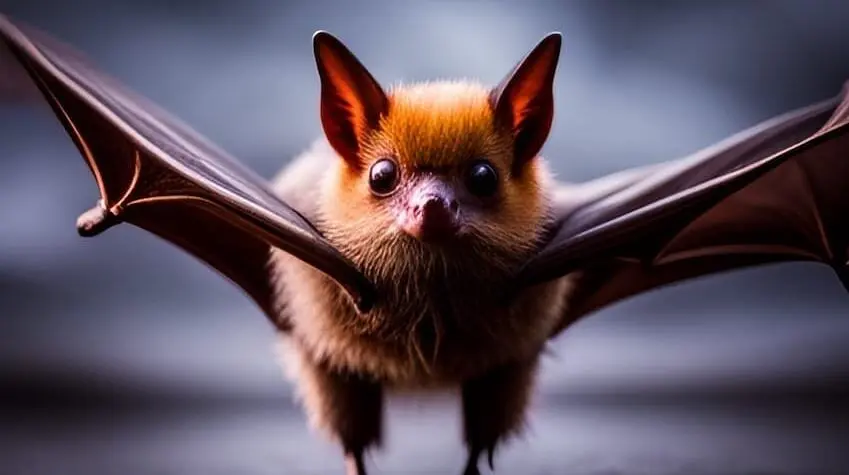
To the average sleeper, waking up from a dream featuring bats can evoke a startling mix of anxiety, curiosity, and lingering unease. Long associated with gothic literature, Halloween, and nocturnal mystery, bats occupy a unique space in human mythology. However, when these creatures flutter into our dreams, contemporary psychologists, dream analysts, and esoteric practitioners agree that they rarely signal literal danger. Instead, they serve as profound psychological messengers.
Dreaming about bats fundamentally points to deep personal transformations, suppressed anxieties, and the confrontation of hidden fears. Because bats are creatures of the night—relying on echolocation rather than sight to navigate pitch-black environments—they frequently symbolize our own capacity to move through periods of uncertainty, emotional darkness, and profound life transitions.
According to holistic wellness frameworks and modern therapeutic models, these nocturnal visitors invite individuals to look inward and face what they usually shy away from. Whether acting as a harbinger of rebirth, an indicator of unexpressed trauma, or a physical manifestation of our "shadow self," bats in the dreamscape challenge us to strip away denial, embrace our intuition, and step out of our metaphorical caves into the light of conscious awareness.
Chronology: The Evolution of Bat Symbolism from Ancient Myth to Modern Psychology
Understanding why bats populate our nightly visions requires examining how human perception of these animals has shifted across centuries.
Ancient and Indigenous Interpretations
Historically, bats have held dualistic meanings across global cultures. In many Mesoamerican indigenous traditions, such as those of the Zapotec and Maya civilizations, the bat god (Camazotz) represented both night, death, and sacrifice, but also rebirth, initiation, and the fertility of the earth. Conversely, in traditional Chinese culture, bats (fu) are considered extremely auspicious symbols, phonetically linked to the word for good fortune and happiness; seeing multiple bats together traditionally signifies health, wealth, longevity, peace, and virtue.
The Western Gothic Shift
In European folklore and Western history, the narrative surrounding bats took a darker turn. Heavily influenced by medieval superstitions, Christian iconography associating nocturnal animals with witchcraft, and later, Bram Stoker’s Dracula in 1897, the bat became firmly entrenched as an omen of dread, disease, and the occult. This cultural conditioning deeply influences modern dreamers, who often initially react to bat dreams with fear rather than curiosity.
The Rise of Depth Psychology (20th Century to Present)
The 20th century marked a paradigm shift in how humanity interpreted dreams. Through the pioneering work of Sigmund Freud and Carl Jung, dreams ceased to be viewed merely as random neural firings or mystical prophecies, instead becoming recognized as royal roads to the unconscious mind. Jungian psychology, in particular, reframed creatures of the dark—including bats—not as monsters to be feared, but as autonomous symbols of the collective unconscious, representing the shadow self, the integration of repressed traits, and the arduous yet necessary process of individuation.
Supporting Data: Psychological Frameworks and Common Dream Scenarios
While dream interpretation is inherently subjective, psychological research into sleep patterns, stress responses, and recurring dream themes reveals fascinating correlations between waking life pressures and nocturnal imagery. Clinical observations suggest that individuals undergoing major career shifts, divorces, or identity crises report a significantly higher frequency of animal symbolism in dreams, with bats ranking high among nocturnal mammals.
To better understand these patterns, analysts categorize bat dreams into specific archetypal scenarios, each carrying distinct implications for the dreamer’s waking life.
1. An Invitation to Face Your Fears
Bats in your dreams often signify that your subconscious mind is preparing you to confront old fears or unpleasant truths you have actively tried to ignore. They represent dark places and unknown challenges, mirroring our hidden worries and chronic anxieties. Seeing bats is frequently a psychological bellwether indicating that it is time to engage in deep "shadow work"—a term popularized by Carl Jung to describe the process of understanding and integrating those aspects of the self that we tend to repress, judge, or disown. By acknowledging these parts, we embark on a challenging yet essential journey toward holistic healing.
2. Unearthing Hidden Issues and Past Regrets
When bats flutter through your dreams, it can signal that you are actively, albeit unconsciously, working through suppressed memories. Because they dwell in dark caves away from the sun, bats represent what we keep locked away from conscious awareness. These dreams act as gentle—or sometimes jarring—nudges to confront what has been avoided. Often, these scenarios point to unresolved issues from the past, such as lingering guilt, old heartbreaks, or past regrets that continue to siphon emotional energy in the present.
3. Rebirth, Renewal, and Leaving the Cave
Just as biological bats emerge safely from the absolute darkness of caves at dusk to explore the night, seeing them in a dream suggests it is time for you to emerge from your own metaphorical cave. This imagery is deeply tied to personal transformation. It encourages the dreamer to let go of outgrown habits, toxic environments, or outdated belief systems, and to tap into dormant parts of the psyche waiting to come alive.
4. The Manifestation of the Shadow Self
Encountering a bat forces an intimate encounter with the shadow self—the hidden, darker components of our personality that we hide from polite society and even ourselves. While this inner work can be uncomfortable, facing the shadow self is the only way to achieve genuine self-awareness and psychological integration. Accepting all facets of one’s identity unlocks a potent form of self-possession and emotional resilience.
5. Awakening Intuition and Esoteric Knowledge
Far from being simple pests, bats possess sophisticated sensory adaptations, navigating total darkness with absolute ease via echolocation. Consequently, dreaming of a bat can indicate that you are ready to explore unseen truths and trust your inner guidance system. It is a clarion call to listen more closely to your internal voice, trusting that your intuitive powers are strong enough to guide you through ambiguity without panic.
6. Overcoming Misunderstanding and Misjudgment
Because bats are deeply misunderstood animals plagued by myths, dreaming of them can mirror your waking struggles with perception. You may be grappling with discrepancies between how the world perceives you and who you know yourself to be. This dream encourages you to embrace your unique, unconventional qualities and let them shine, unbothered by external judgments.
Specific Scenarios Explored
To dissect the nuance further, consider these specific variations of bat dreams frequently reported by individuals:
- The Black Bat: A black bat circling your space often highlights persistent, intrusive worries or unaddressed personal traits. Conversely, it can point to untapped, powerful potential waiting for the right moment to manifest.
- A Bat Biting Your Hand: This startling imagery typically symbolizes that an external force, individual, or circumstance is exerting too much control over your decisions and emotional peace. It serves as a psychological wake-up call to establish firmer boundaries.
- Being Attacked by Bats: An outright attack suggests severe energetic depletion—hinting at the presence of emotional "vampires" in your waking life or an internal crisis where you feel drained of personal power.
- Bats Hanging Upside Down: This classic posture urges you to invert your perspective. If you are stuck in a rigid viewpoint regarding a pressing life issue, the dream suggests looking at the situation from the exact opposite angle.
- Bats Inside the Living Space: Finding bats inside your home represents an invasion of privacy or a disruption of your domestic comfort zone, signaling that internal psychological changes are demanding your immediate attention.
Official Responses and Expert Perspectives
Mental health professionals and holistic practitioners offer measured, empowering perspectives on how to process these nocturnal visions.
Dr. Elena Vance, a clinical psychologist specializing in dream analysis and integrative therapy, notes that patients frequently experience anxiety after dreaming of nocturnal animals. "People automatically assume a bat dream is a nightmare or an omen of bad luck," Dr. Vance explains. "In clinical practice, however, we find the exact opposite. A bat dream is usually a sign of psychological readiness. The subconscious is knocking on the door, saying, ‘We are finally strong enough to look at this hidden pain or accept this new transformation.’"
Similarly, somatic therapists emphasize the physiological component of these dreams. Because fear-based dreams can trigger elevated cortisol levels and restless sleep, experts recommend journaling immediately upon waking. By recording the sensory details of the dream—the texture of the wings, the lighting, the emotional aftermath—dreamers can transition from a state of visceral panic to one of cognitive problem-solving.
Implications: How to Translate Dream Insights into Waking Life
Acknowledging the symbolism of bats in dreams is only the first step; the true value lies in how these insights are applied to daily existence. Here are key reflective questions and actionable takeaways derived from bat symbolism:
- Conduct a Personal Audit: What areas of your life are you currently avoiding out of fear or discomfort? Where do you need to shine a light into your own metaphorical corners?
- Evaluate Energy Drains: Are there relationships, commitments, or environments in your waking life that mimic the feeling of a bat attack—leaving you feeling perpetually depleted and powerless?
- Trust Your Inner Compass: When facing uncertainty, are you relying on external validation, or are you willing to develop your internal "echolocation"—your intuition and gut instincts—to guide your path?
- Embrace the Uncomfortable Transition: Change is rarely seamless. Just as bats transition effortlessly between the safety of the cave and the vastness of the night sky, allow yourself to step out of your comfort zone and embrace your next phase of personal evolution.
In summary, dreams featuring bats should not be feared. Instead, they should be welcomed as sophisticated, insightful tools for self-discovery. By leaning into the darkness, confronting our shadows, and trusting our inner resilience, we unlock the profound capacity to navigate any transition life presents.