








LOS ANGELES — In an era defined by rapid technological acceleration, shifting economic landscapes, and a collective yearning for mental well-being, millions of individuals are turning inward. Among the diverse array of tools utilized for modern self-discovery and psychological introspection, intentional Tarot practices have experienced a profound renaissance. Far removed from the carnival-esque fortunes-telling tropes of the past, contemporary Tarot is increasingly embraced as a therapeutic mirror—a structured method for visualizing the subconscious mind.
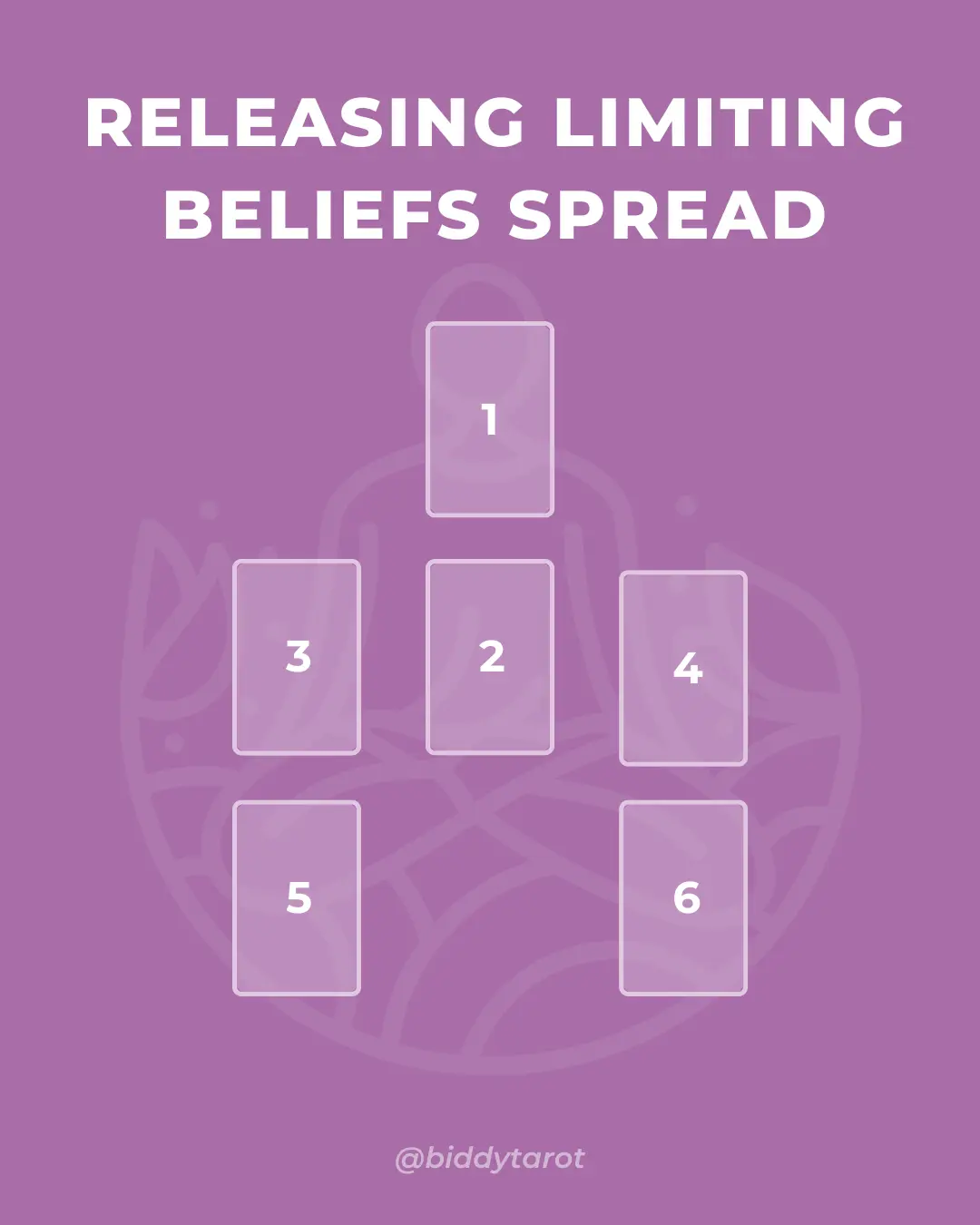
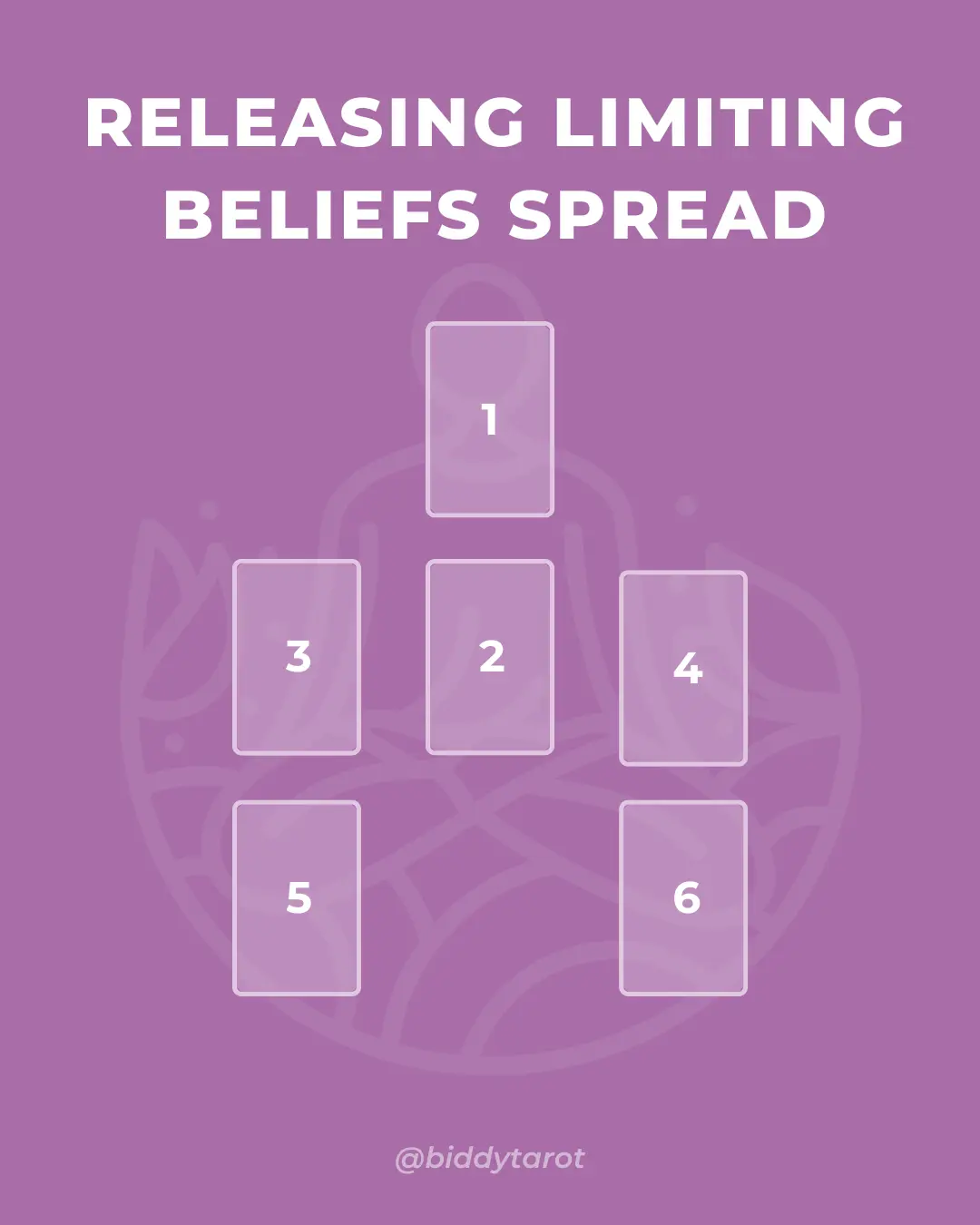
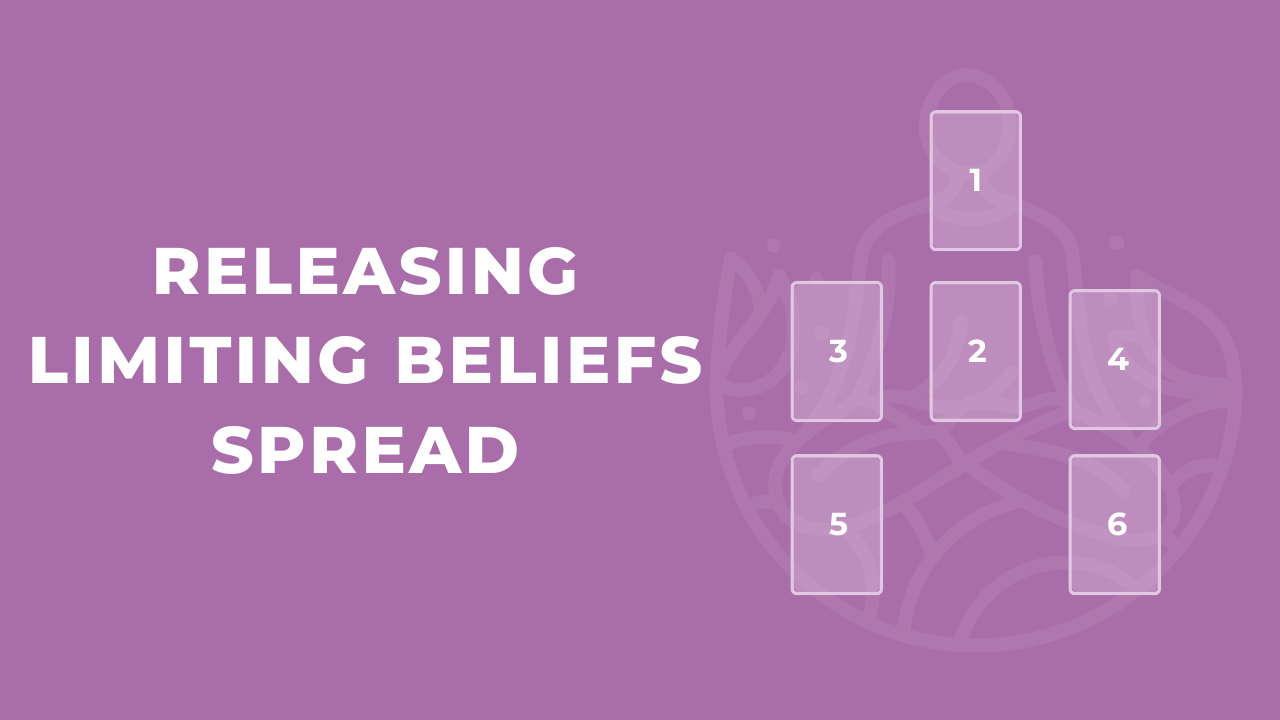
At the forefront of this movement are specialized, goal-oriented layouts known as spreads. Recently, platforms dedicated to mindful intuition have popularized frameworks specifically designed to tackle cognitive blocks. The introduction of the "Releasing Limiting Beliefs Tarot Spread" marks a significant evolution in how people use archetypal imagery to dismantle psychological barriers, rewrite self-limiting narratives, and align with their highest personal potential.
Main Facts: Deconstructing the "Releasing Limiting Beliefs" Framework
The fundamental premise underlying the Releasing Limiting Beliefs Tarot Spread is both simple and psychologically profound: the stories we tell ourselves actively shape our reality. While some internal narratives empower us, reminding us of our inherent strength and potential, others quietly whisper doubt, fear, and limitation.
These limiting beliefs—often formed in childhood or through past trauma—act as invisible ceilings on personal and professional growth. They manifest as imposter syndrome, chronic procrastination, perfectionism, and the fear of failure or success.
The Releasing Limiting Beliefs Tarot Spread is structured as a diagnostic and therapeutic tool designed to:
- Uncover hidden, subconscious narratives that no longer serve the individual.
- Bring the root causes of self-doubt into conscious awareness.
- Provide a step-by-step mechanism to release these old fears with grace.
- Offer actionable guidance on stepping into a truer, freer version of the self.
Unlike traditional predictive readings, which focus on external events and future outcomes, this spread operates entirely within the realm of shadow work and cognitive restructuring. It asks the querent to look deeply at their mental conditioning, evaluate its validity, and actively choose a new path forward.
Chronology: The Evolution of Tarot as a Tool for Psychological Introspection
To understand the cultural relevance of intentional spreads like the Releasing Limiting Beliefs layout, it is necessary to examine how Tarot has evolved from a 15th-century parlor card game into a modern instrument of self-actualization.
The Early Origins (15th to 19th Centuries)
Tarot originated in Northern Italy during the 1450s as Tarocchi, a simple trick-taking card game played by the wealthy elite. It was not until the late 18th and 19th centuries in France and England that occultists began associating the symbolic imagery of the major and minor arcana with esoteric philosophies, astrology, and divination.
The Analytical Turn: Carl Jung and Archetypes (Mid-20th Century)
The most pivotal shift in the modern perception of Tarot occurred through the influence of Swiss psychiatrist Carl Jung. Jung introduced the concept of archetypes—universal symbols and motifs embedded in the collective unconscious.
Tarot enthusiasts and psychologists alike began to realize that the 78 cards of the Tarot deck serve as a visual lexicon of these exact archetypes. Pulling a card was no longer viewed merely as "predicting the future," but rather as a method of tapping into the collective and personal unconscious to examine current psychological states.
The Digital Age and Specialized Spreads (2010s–Present)
In the past decade, the wellness industry has embraced mindfulness, shadow work, and mental health awareness. Platforms such as Biddy Tarot and independent creators began designing micro-focused layouts tailored to specific emotional and psychological challenges.
The creation of spreads targeting anxiety, career burnout, boundary setting, and limiting beliefs represents the maturation of this movement. Rather than asking broad questions like "What will happen to me today?", modern practitioners ask targeted questions like "What fear is currently dictating my decisions?" This evolution has transformed Tarot into a widely accepted companion practice for journaling, meditation, and holistic coaching.
Supporting Data: The Science of Narrative, Belief, and Visual Prompting
While Tarot is often categorized under alternative wellness, the psychological mechanisms behind specialized spreads are deeply rooted in established cognitive science, narrative therapy, and visual psychology.
Cognitive Behavioral Therapy (CBT) and Core Beliefs
In cognitive behavioral psychology, core beliefs are deeply ingrained, absolute statements about oneself, others, and the world (e.g., "I am not good enough," "I am bound to fail," or "If I take risks, disaster will follow"). These core beliefs filter incoming information, often causing individuals to ignore contradictory positive evidence and hyper-focus on confirming details—a phenomenon known as confirmation bias.
The Releasing Limiting Beliefs spread functions similarly to cognitive reframing techniques used in therapy. By assigning specific positions to cards—such as identifying the core belief, understanding its origin, and visualizing life without it—the practice externalizes internal anxiety. Externalization allows individuals to view their thoughts objectively, rather than identifying as the thoughts themselves.
The Power of Narrative Therapy
Narrative therapy asserts that people are the experts of their own lives and that problems are separate from people. By viewing personal struggles as "stories" that can be edited, rewritten, or discarded, individuals reclaim agency. The foundational philosophy of the Releasing Limiting Beliefs spread—that "the stories we tell ourselves shape our reality"—directly mirrors the core tenets of narrative psychology, which emphasizes that human experience is organized and given meaning through story.
Visual Projections and the Rorschach Test Connection
Using imagery-rich cards as psychological prompts shares methodological DNA with projective psychological tests, such as the Rorschach inkblot test or Thematic Apperception Test (TAT). When a person looks at a Tarot card, their brain automatically projects current emotional states, unconscious worries, and desires onto the visual symbols. This process bypasses the analytical defense mechanisms of the conscious mind, granting rapid access to deep-seated emotional truths.
Official Responses and Expert Perspectives
Mental health professionals, holistic coaches, and spiritual practitioners have weighed in on the growing trend of utilizing structured Tarot spreads for emotional regulation and personal growth.
Dr. Elena Vance, a licensed clinical psychologist specializing in narrative restructuring, notes that tools which bypass intellectual resistance can be exceptionally useful in modern wellness routines.
"When people are stuck in persistent cycles of self-doubt, traditional talk therapy can sometimes stall because the client remains trapped behind intellectual defense mechanisms," Dr. Vance explains. "Using a visual, metaphorical framework like a targeted Tarot spread can short-circuit those defenses. It invites the client to engage their imagination, project their internal state onto a neutral object, and confront their limiting beliefs in a safe, structured way."
Holistic wellness practitioners emphasize the empowerment aspect of modern spreads. Unlike historical forms of cartomancy that emphasized fatalism—the idea that the future is predetermined and unchangeable—contemporary spreads emphasize personal accountability and free will.
"A spread like this does not tell you what is going to happen to you; it asks you what you are willing to let go of," says Marcus Thorne, an intuitive life coach based in Seattle. "It shifts the power dynamic entirely back to the individual. The cards simply act as a mirror, showing you the invisible cages you’ve built around yourself so you have the clarity required to unlock the door."
Furthermore, digital communities have rallied around these practices. On social media channels like Instagram, users frequently share their specific card draws, journal entries, and insights using community hashtags. This communal sharing creates a sense of shared human vulnerability, proving that self-doubt and the struggle to overcome limiting narratives are universal experiences.
Implications: The Future of Introspective Wellness Practices
As the boundaries between clinical psychology, holistic wellness, and self-directed personal development continue to blur, tools like the Releasing Limiting Beliefs Tarot Spread carry significant implications for the future of individual mental health care.
1. The Democratization of Introspection
With high therapy costs and long waiting lists for mental health professionals globally, accessible, low-barrier self-reflection tools are vital. While Tarot spreads do not replace clinical treatment for severe trauma or mental illness, they serve as powerful adjuncts for daily self-care, emotional awareness, and mindfulness. They empower individuals to check in with their mental state regularly, fostering emotional resilience.
2. Integration with Journaling and Expressive Arts
The rise of targeted spreads has catalyzed a broader movement integrating intuition with expressive arts therapy. People are increasingly pairing their card draws with automatic writing, somatic movement, and breathwork. This multi-disciplinary approach to personal growth acknowledges that the mind and body are interconnected, and that mental breakthroughs require more than just intellectual understanding—they require somatic and emotional release.
3. A Shift Toward Proactive Mindset Management
Ultimately, the popularity of the Releasing Limiting Beliefs framework points to a cultural shift. People are no longer satisfied with merely coping with stress or accepting self-doubt as an immutable part of the human condition. There is an active, widespread hunger for transformation.
By taking the time to pause, examine the internal stories whispering doubt, and consciously choose new narratives, individuals are reclaiming agency over their lives. As practitioners continue to share their insights, spreads like this one serve as practical roadmaps for anyone ready to let go of old fears, rewrite their story, and step boldly into a truer, freer version of themselves.
For those looking to explore the spread firsthand, practitioners are encouraged to set aside quiet time for journaling, draw their cards with intention, and share their insights and reflections with the wider community online.