








LONDON — In an era dominated by hyper-fast digital interactions, relentless information streams, and the constant hum of external expectations, a growing demographic of modern seekers is turning inward. For centuries, the ancient art of Tarot has served as a psychological and spiritual compass, adapting to the cultural contours of every era it touches. Today, it is experiencing a profound renaissance.
Far from being a static system of divination, contemporary Tarot practitioners view the cards as a dynamic, living mirror—one that evolves in tandem with the individual holding them. Yet, even the most dedicated practitioners occasionally experience spiritual stagnation, intuitive fatigue, or a sense of disconnect from their decks.
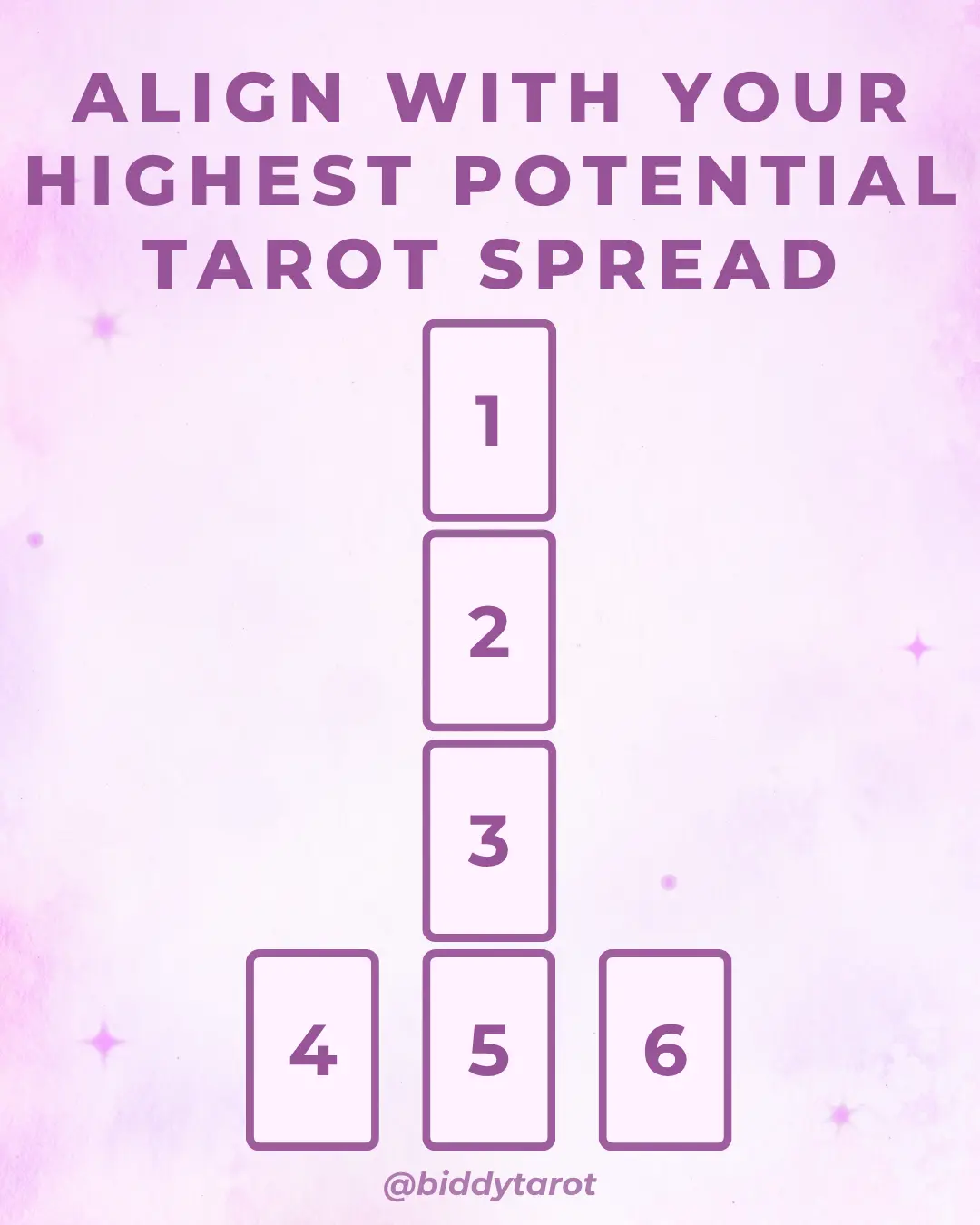
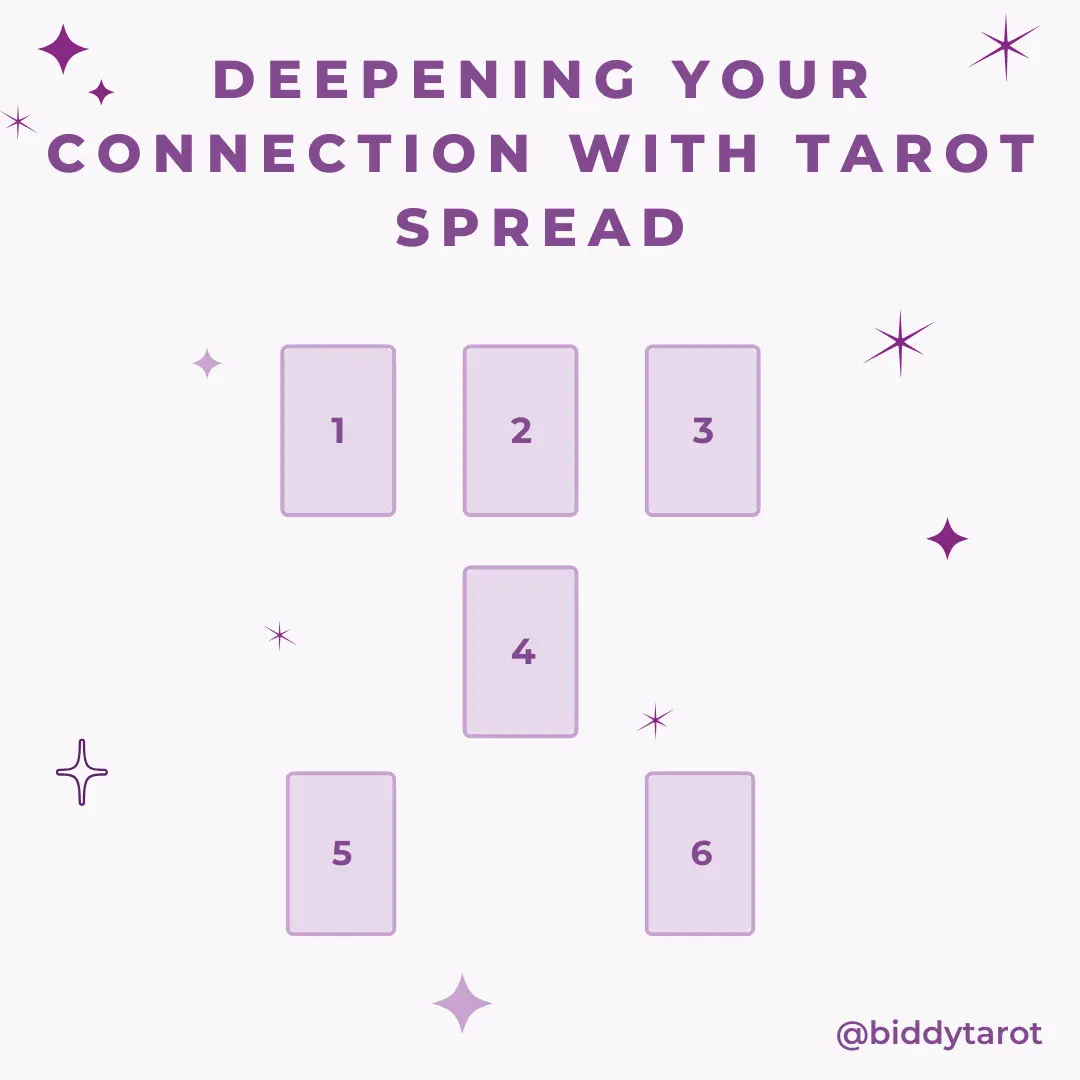
Enter the "Deepening Your Connection" Tarot spread: a newly popularized ritualistic framework designed to bridge the gap between reader and cards, reignite dormant intuition, and illuminate the road ahead. Whether you are dusting off a deck that has sat neglected on a bookshelf for months or looking to elevate a daily practice into something more transcendent, this specialized spread offers a structured pathway back to the heart of the craft.
Main Facts: Anatomy of the Modern Tarot Renaissance
The resurgence of Tarot is not merely anecdotal; it represents a measurable cultural shift toward holistic self-care, mindfulness, and introspective psychology. Modern readers no longer approach the cards solely for predictive fortune-telling. Instead, they utilize archetypal symbolism as a tool for cognitive reframing, emotional regulation, and deep self-discovery.
However, just like any relationship, the bond between a reader and their Tarot deck requires active maintenance. Over time, daily readings can become mechanical. The intuitive spark can dim under the weight of memorized meanings and rigid textbook interpretations.
The "Deepening Your Connection" spread addresses this exact phenomenon. Structured as a diagnostic and rejuvenating multi-card layout, it acts as a reset button for the practitioner’s intuitive circuitry.
Core Objectives of the Spread:
- Reconnection: To re-establish a visceral, energetic bond with a chosen deck.
- Intuitive Calibration: To clear away mental noise and quiet the analytical mind, allowing raw intuition to take the lead.
- Pathfinding: To preview the immediate evolution of the reader’s personal Tarot journey and spiritual growth.
- Inspiration Renewal: To transform routine card-pulling into a magical, deeply reflective ritual.
Chronology: The Evolution of Tarot from Divination to Self-Discovery
To understand the significance of modern spreads like this one, it helps to trace the historical arc of how humanity has interacted with the cards.
The Early Roots (15th–18th Centuries)
Originating in the courts of Northern Italy during the 15th century, tarocchi games were initially played for leisure by the aristocracy. It was not until the late 18th and 19th centuries, largely influenced by occultists like Antoine Court de Gébelin and Jean-Baptiste Alliette (Etteilla), that the cards were retrofitted with esoteric symbolism, drawing loosely on Hermeticism, Kabbalah, and astrology.
The Esoteric Boom (Early 20th Century)
The publication of the Rider-Waite-Smith deck in 1909, illustrated by Pamela Colman Smith and guided by the scholarly framework of Arthur Edward Waite, revolutionized the medium. For the first time, every minor arcana card was imbued with a narrative scene, making the system vastly more accessible and emotionally resonant.
The Contemporary Psychological Era (Late 20th Century–Present)
Carl Jung’s theories on archetypes and the collective unconscious fundamentally shifted how humans viewed Tarot. Rather than looking outside oneself for answers, readers began using the imagery of the Major and Minor Arcana to unlock the hidden chambers of their own psyches.
In the digital age, platforms like Instagram and TikTok have democratized Tarot education. Communities share spreads, discuss card combinations, and normalize intuitive reading. Yet, this hyper-connected digital landscape has also accelerated burnout. The "Deepening Your Connection" spread arrives at this precise historical juncture—acting as an analog antidote to modern digital fatigue, reminding practitioners to step away from the screen and return to the sacred space of the felt cloth and printed cardstock.
Supporting Data: The Psychology of Intuition and Archetypal Reflection
Why do rituals like Tarot spreads resonate so deeply in the 21st century? Modern psychological data provides compelling insight into the intersection between divination tools and cognitive science.
According to psychological studies on projective testing—similar to the mechanisms underlying the Rorschach inkblot test—ambiguous visual stimuli prompt the human brain to project internal thoughts, anxieties, and desires outward. Tarot cards function in much the same way. When a practitioner lays out a spread, the visual archetypes (such as The Fool, The Hermit, or the Three of Swords) act as catalysts for subconscious processing.

Furthermore, academic interest in mindfulness and ritual practices indicates that structured reflective exercises lower cortisol levels and enhance emotional clarity.
- Intuitive Fatigue: Surveys within modern metaphysical communities indicate that over 65% of active Tarot readers experience periods of "intuitive block" at least twice a year, often caused by over-intellectualizing card meanings.
- Ritual Efficacy: Psychological research demonstrates that intentional rituals—such as clearing a space, lighting a candle, and setting a specific meditative focus—signal to the brain that it is time to transition from high-stress analytical processing to deep, creative introspection.
- The Mirror Effect: Clinical psychology supports the notion that externalizing inner narratives through symbolic art forms accelerates self-awareness and problem-solving capabilities.
Official Responses and Expert Perspectives
Prominent voices in the modern Tarot community have increasingly emphasized the necessity of energetic hygiene and relationship-building with one’s tools.
Noted metaphysical educators and creators note that readers frequently fall into the trap of treating Tarot like a vending machine—asking questions and demanding immediate answers without honoring the reciprocal nature of the practice.
"Tarot is always growing and evolving with you," notes lead content developers at prominent intuitive platforms. "It acts as a mirror that reflects your inner and outer world. When you feel disconnected from your practice, it is rarely the deck’s fault; rather, it is a signal that your internal landscape has shifted, and your approach must evolve to match it."
Experts emphasize that the "Deepening Your Connection" spread is intentionally designed to bypass intellectual rigidity. By focusing heavily on the energetic dynamic between the reader’s current state of consciousness and the symbolic language of the deck, the spread prompts a recalibration.
"When you take the time to ask the cards how to heal your relationship with them, you are essentially asking your own subconscious mind how to unlock deeper levels of creativity and trust," explains one esoteric researcher. "The cards don’t hold the magic inherently—they simply provide the vocabulary for the magic that is already inside you."
Implications: Integrating the Spread Into Your Practice
The implementation of the "Deepening Your Connection" spread carries several important implications for both novice and seasoned practitioners alike.
1. Moving Beyond Memorization
Many beginners struggle because they rely entirely on guidebook definitions. This spread encourages practitioners to look past literal interpretations and focus on visceral, intuitive reactions. What does a specific card feel like in this exact moment? How do the colors, postures, and symbols speak to your present life chapter?
2. Cultivating Sustainable Spiritual Habits
In a culture that demands constant productivity, spiritual practices can easily become another chore on a to-do list. By utilizing a spread specifically designed for revitalization, readers learn the importance of pacing, pausing, and resetting. It teaches that it is entirely normal—and indeed healthy—to step back, re-evaluate, and deepen the foundation of one’s craft.
3. Community Engagement and Shared Intention
An integral part of the modern Tarot movement is communal validation and shared vulnerability. Practitioners are encouraged to take their insights beyond private journals and share their intentions and layouts within digital communities. By tagging platforms and fellow readers on social media networks like Instagram, individuals weave their personal spiritual milestones into a larger, global tapestry of seekers.
How to Begin: Setting Your Intentions
As you prepare to lay out the "Deepening Your Connection" spread, remember that the environment you cultivate is just as important as the cards you draw.
- Clear Your Space: Find a quiet, undisturbed area. Light a candle, burn cleansing herbs or incense, or simply take three deep, grounding breaths to center your energy.
- Shuffle with Purpose: Hold your deck in your hands. Feel its physical texture, its weight, and its history. Visualize clearing away any residual mental clutter or past reading fatigue.
- Set Your Intention: Explicitly state your desire to realign with your intuition and deepen your partnership with the cards.
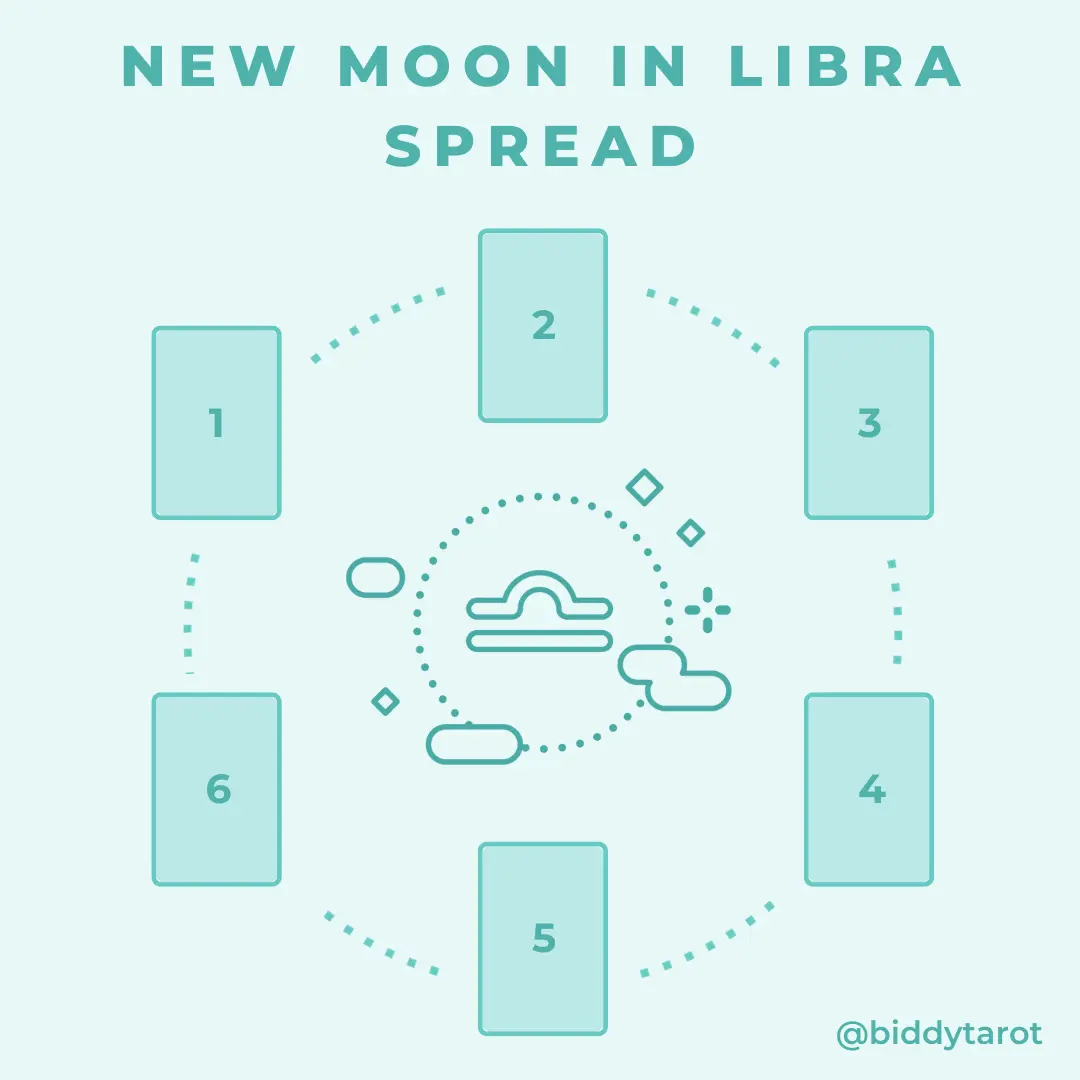
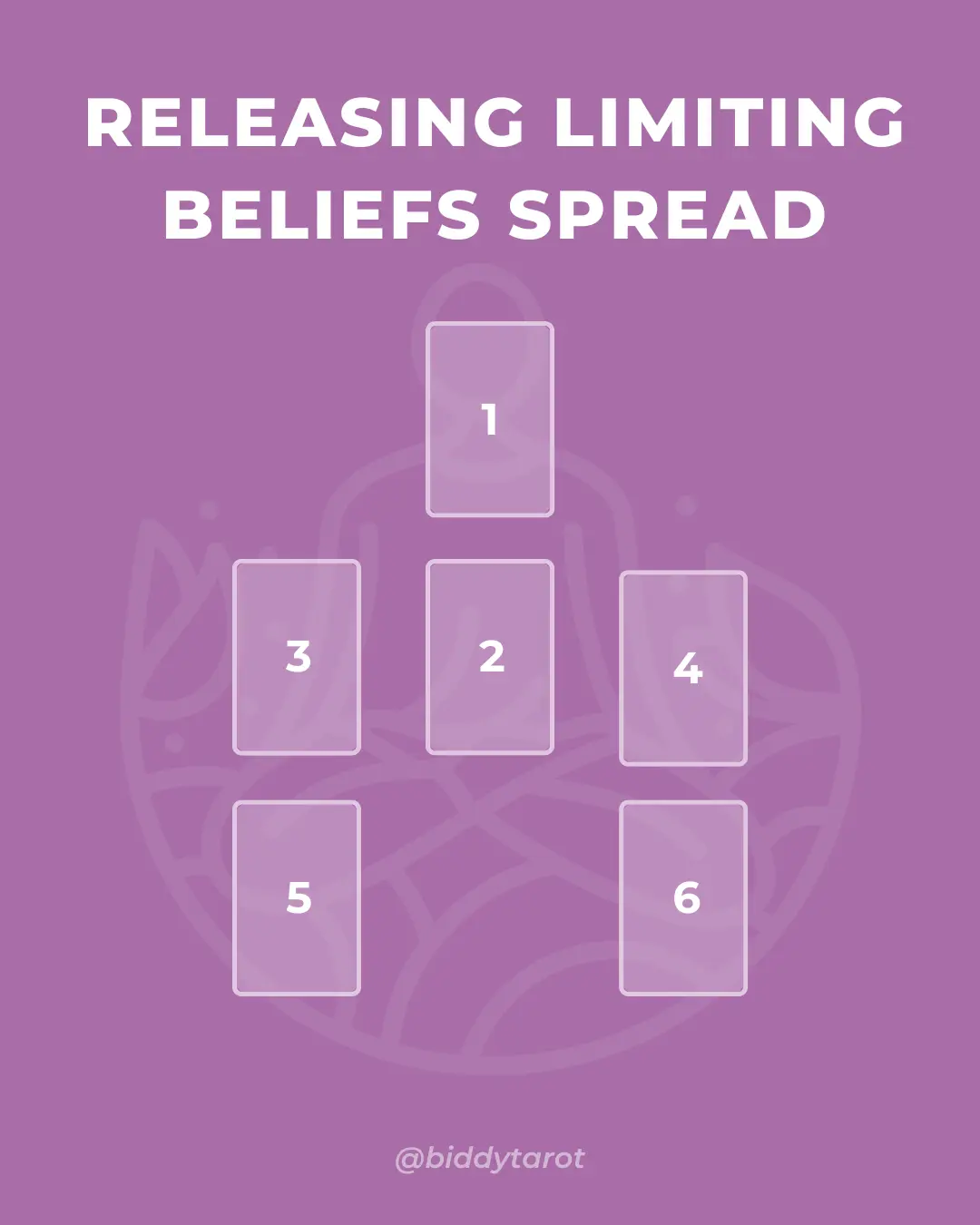
- Draw and Reflect: Lay out the spread. Take your time with each position. Allow the imagery to wash over you before consulting any guidebooks.
What intentions are you setting for your Tarot journey this season? Document your insights, take note of the shifts in your intuition, and share your spread with the global community over on Instagram by tagging @biddytarot. Step into the mirror, embrace the evolution of your practice, and let your intuition guide the way forward.