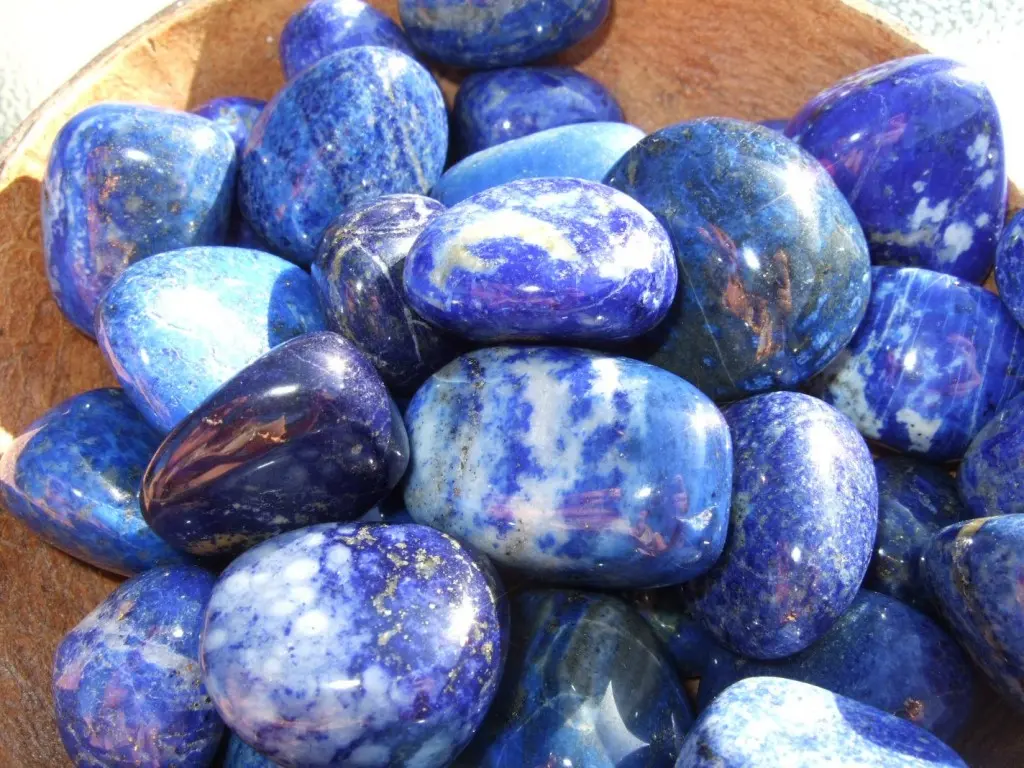
Global Crystal Market — In recent years, the multi-million-dollar metaphysical crystal industry has experienced an unprecedented surge in popularity. From TikTok aesthetic videos to wellness boutiques, consumers are flocking to purchase stones believed to harbor energetic and healing properties. However, this commercial boom has birthed a darker underbelly: an influx of misleading marketing names, chemically altered specimens, and outright fakes.
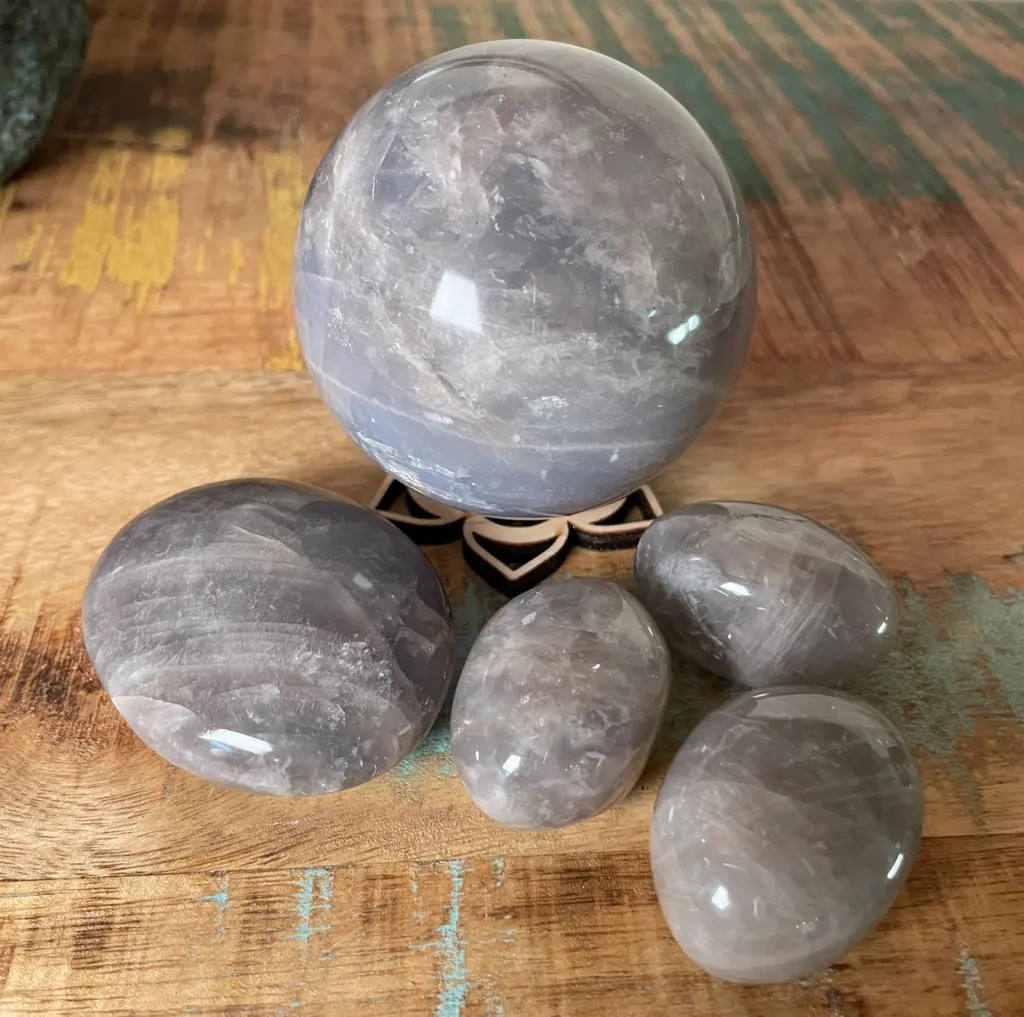
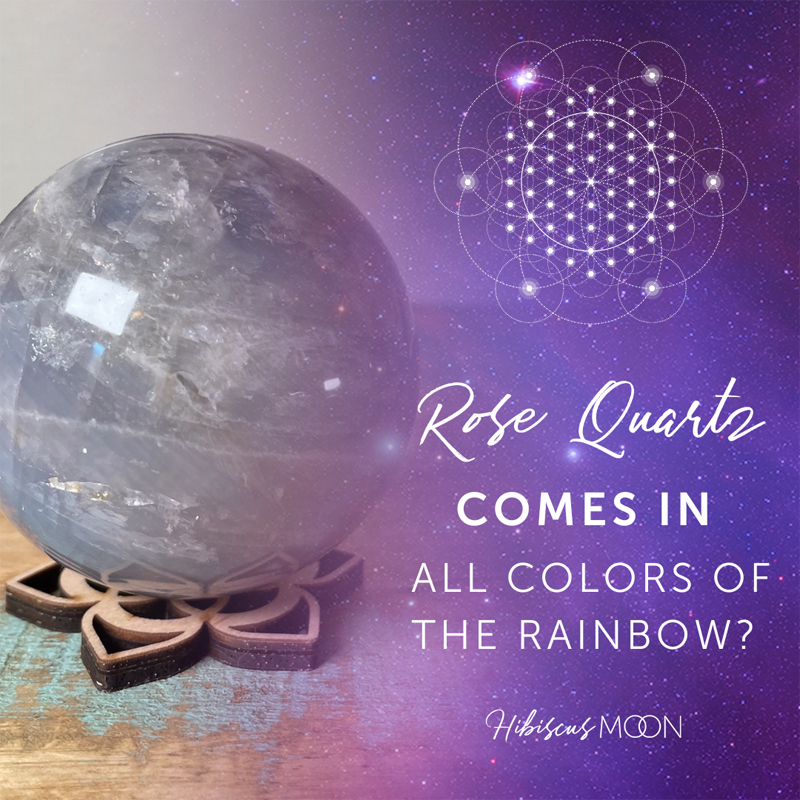
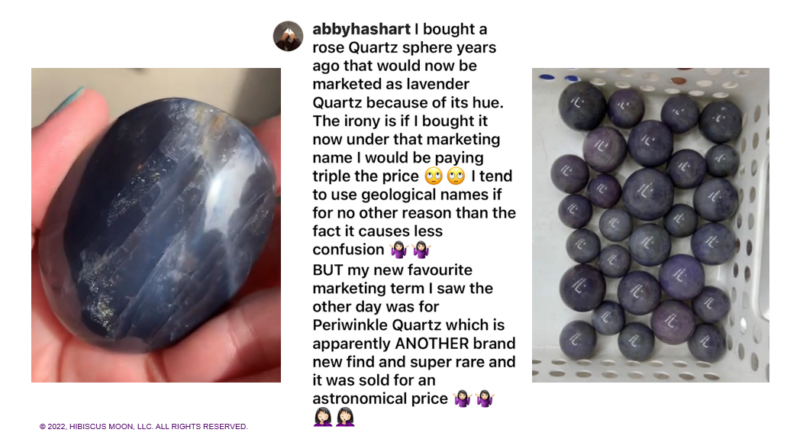
At the center of the latest controversy is a material sweeping online marketplaces under the enticing moniker of "Blue Rose Quartz." Promoted as an exotic, high-vibration variant originating from Madagascar, this stone has captured the imagination—and wallets—of unsuspecting buyers. Yet, behind the ethereal name and inflated price tags lies a much more mundane geological reality.
Industry experts, geologists, and veteran educators are pushing back against what they term "sleight-of-hand marketing," urging buyers to arm themselves with geological facts to avoid falling victim to clever rebranding.
Main Facts: What Is "Blue Rose Quartz" Really?
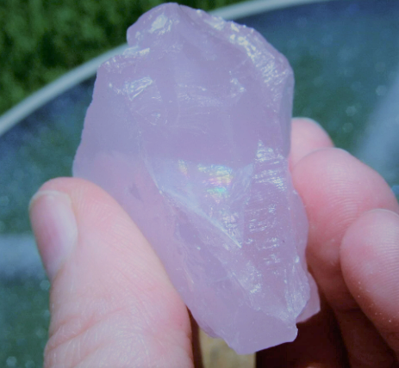
To understand the controversy, one must first look at the scientific definition of rose quartz. Geologically speaking, authentic rose quartz is a pink variety of the mineral quartz ($textSiO_2$). Its signature rosy hue is attributed to microscopic, nanofibrous inclusions of a mineral closely related to dumortierite. By definition, if a piece of quartz lacks this pink coloration, mineralogically, it cannot be classified as rose quartz.
So, what is being sold as "Blue Rose Quartz"?
According to geological assessments and independent mineral testing:
Low-Grade Material Rebranded: Much of the material circulating the market is actually lower-grade, hazy quartz or pale amethyst that historically sat at the bottom of the grading scale (often informally referred to as "D-grade").
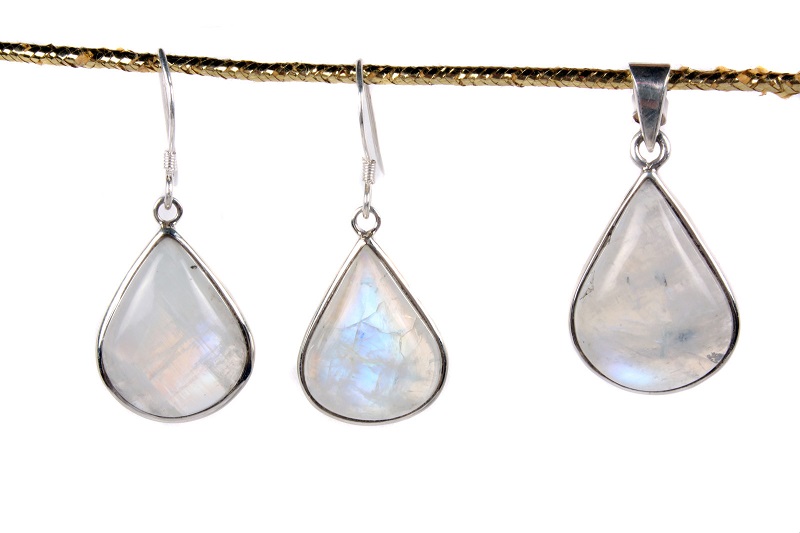
The Girasol Effect: Some specimens are identified as "Girasol," a term describing opalized quartz or milky quartz that exhibits a cloudy, bluish-white glow. This visual phenomenon is caused by light scattering—similar to the optical effects seen in moonstones and opals—and can occur naturally or be artificially induced.
Thermal Alteration: Laboratory experiments demonstrate that heating low-grade amethyst or milky quartz above 500°C (932°F) can bleach out its original lilac tint while generating tiny internal water droplets, producing an opal-like, milky blue sheen often marketed as "neon blue quartz."
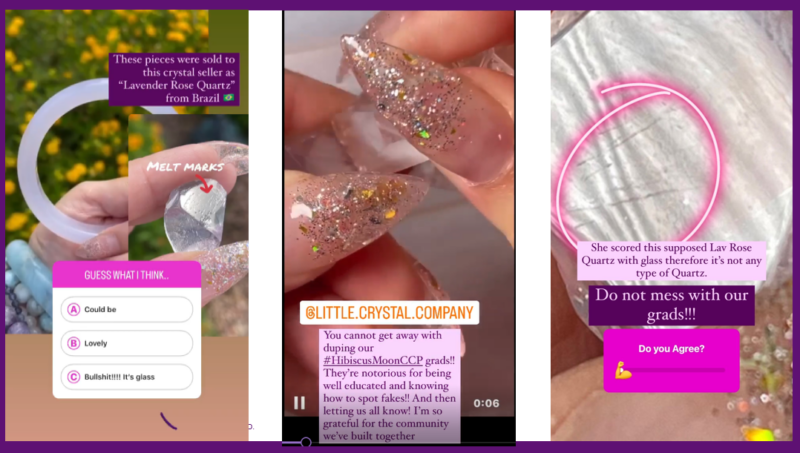
Plain Glass: In the worst-case scenarios, some pieces flooding discount marketplaces are not crystals at all, but simply colored glass.
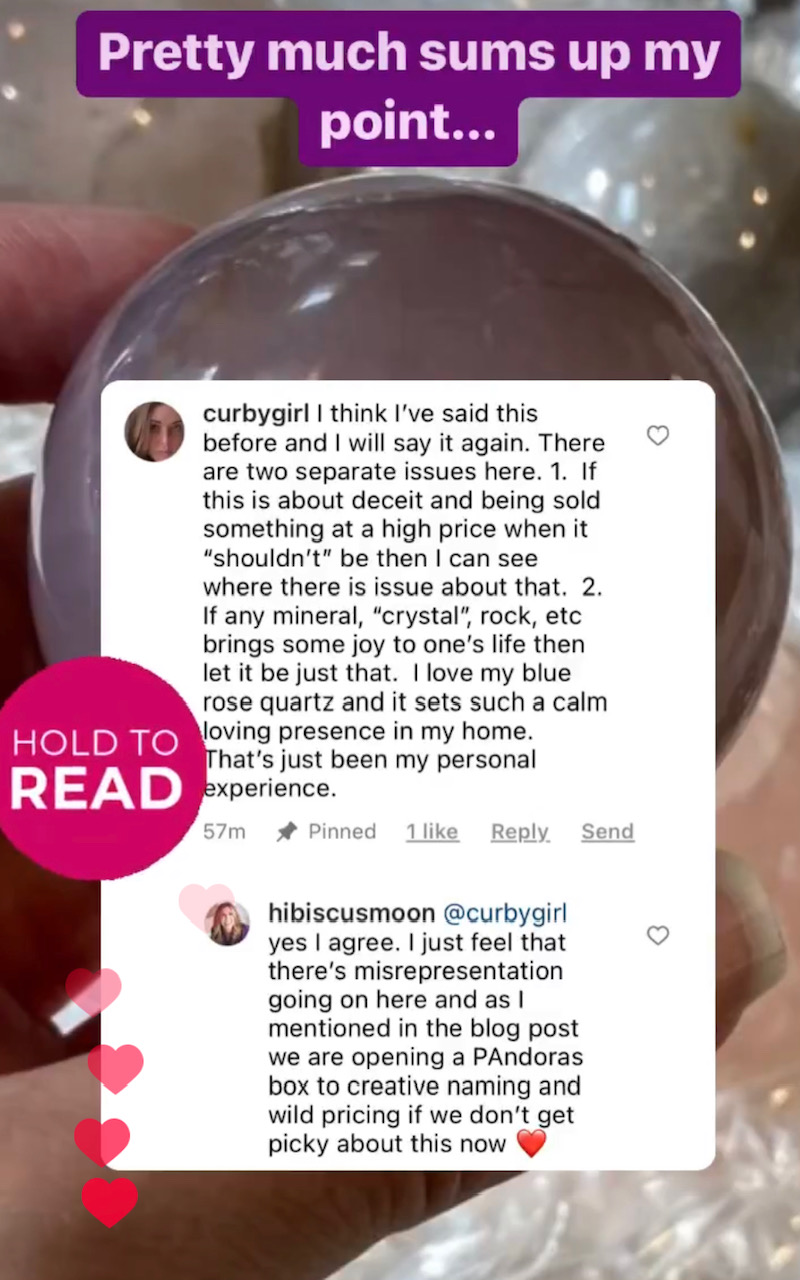
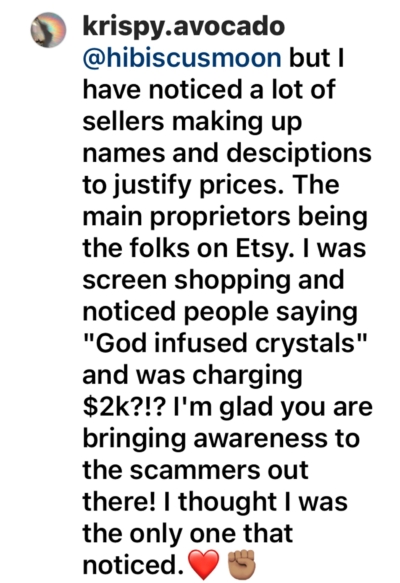
Experts argue that the core issue is not the energetic value or aesthetic appeal of these stones—beauty, after all, is in the eye of the beholder—but rather the deceptive inflation of prices. Stones that were once abundant and sold cheaply as low-grade inventory are now being rebranded with spiritual, ethereal names to command luxury prices.
Chronology of a Trend: How the Misrepresentation Spread
The journey of "Blue Rose Quartz" from obscure geological anomaly to mainstream market phenomenon highlights the speed at which misinformation travels in the digital age.
Pre-2010s: Low-grade, hazy quartz, pale amethyst, and milky quartz variants were widely recognized within the stone-selling industry. They were systematically graded—much like diamonds—with letters ranging from top-tier "AAA" down to "D." These stones were typically sold in bulk at modest prices without elaborate marketing narratives.
Early 2010s: As the holistic wellness movement gained digital momentum, independent crystal educators began publishing early warnings regarding heat-treated stones (such as "heated amethyst sold as citrine") and trade-name manipulations.
2020–2022: A sudden influx of "Blue Rose Quartz" samples began appearing across platforms like Instagram, Etsy, and TikTok. Sourced ostensibly from Madagascar, the stones featured mysterious bluish-grey and milky undertones.
Late 2022: Certified Crystal Practitioners and student networks began flooding crystal academies with inquiries regarding the authenticity of "Blue Rose Quartz" and its newly surfaced cousin, "Black Rose Quartz." Mineral testing was commissioned by independent retailers to analyze the composition of these stones, confirming suspicions of widespread rebranding.
Present Day: Educators and ethical retailers are waging an educational campaign to dismantle the "Blue Rose Quartz" myth, warning that unchecked naming conventions threaten to flood the market with a thousand misleading pseudonyms.
Supporting Data and Mineralogical Analysis
The fight against crystal misrepresentation is increasingly backed by rigorous scientific testing. Recognizing the need for empirical data, independent mineral suppliers and gemological researchers have begun subjecting these trending stones to professional laboratory assays.
When retailers such as Little Lemuria commissioned mineralogical testing on samples of purported "Blue Rose Quartz," the results corroborated long-held geological suspicions: the materials lacked the specific mineral inclusions required to validate their commercial names.
Furthermore, historical grading frameworks within the lapidary and gemstone community have quietly vanished from modern retail spaces. In decades past, a transparent grading system protected consumers by categorizing stones based on clarity, saturation, and structural integrity. The abandonment of these standards by modern online vendors has created a vacuum, making it easier to replace traditional grading with evocative, high-margin marketing terms.
Geologists emphasize that while language evolves, scientific classifications exist to protect consumers from paying premium prices for common industrial minerals. When a ubiquitous, low-cost quartz variety is given a mystical title, the markup represents a triumph of marketing over science.
Official Responses and Industry Reactions
The crystal community has experienced a distinct cultural schism regarding how to handle these marketplace trends. On one side are large-scale wholesalers and social media-driven pop-up shops capitalizing on the aesthetic appeal of novel color variations. On the other side are geologists, certified practitioners, and ethical educators fighting for radical transparency.
Prominent figures in the crystal education space, including founders of leading crystal academies and certification programs, have stepped up to denounce the trend. Emphasizing a background in geological sciences and former academic roles in science departments, these educators argue that consumer protection begins with foundational earth sciences.
However, industry leaders are careful to distinguish between appreciation of a stone and deception by a seller.
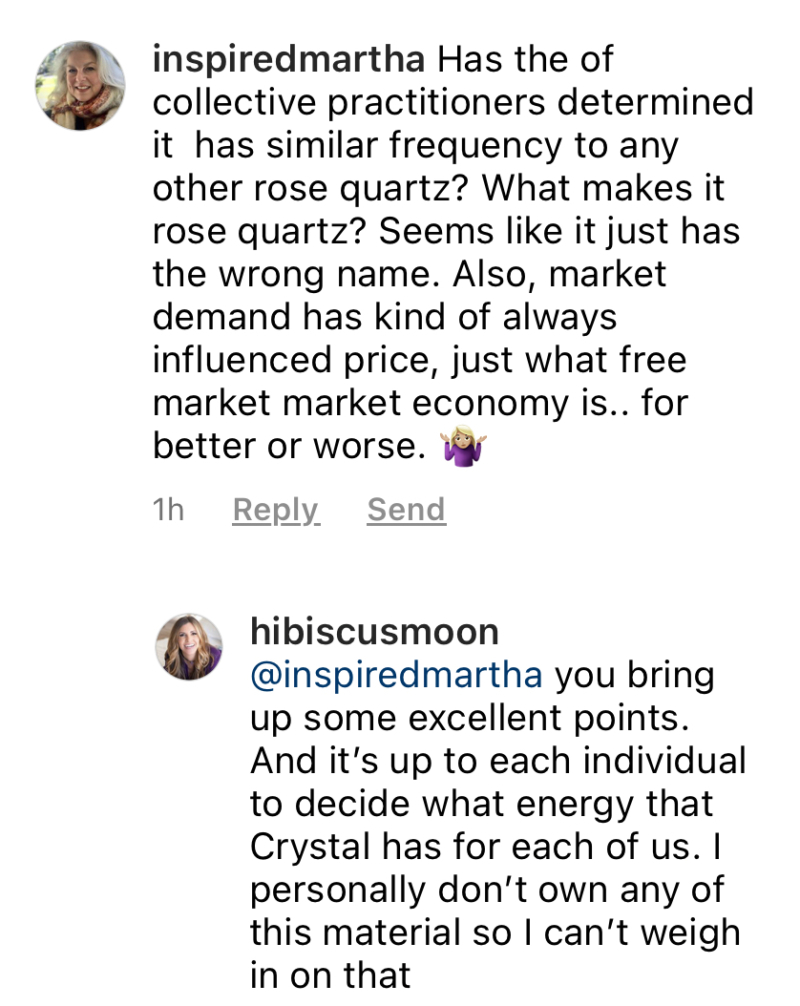
"When I say that it’s low-grade rose quartz, I don’t mean that I wouldn’t work with it or that I personally consider it less than," notes veteran crystal author and educator Hibiscus Moon. "That does NOT mean that it delivers less joy or energetic impact… What I’m up in arms about is that this was always relatively abundant and sold cheaply before. Is it right to just state that it no longer is and, therefore, falsely inflate the price?"
Ethical retailers and certified practitioners have mobilized online, using social media highlights, collaborative discussions, and educational blogs to dismantle the "Blue Rose Quartz" narrative. By fostering communities that prioritize peer-reviewed mineralogy over mystical hype, these groups are successfully compelling some vendors to update their product descriptions.
Implications for Consumers and the Future of the Crystal Market
The proliferation of fabricated names like "Blue Rose Quartz" and "Black Rose Quartz" carries significant implications for both the metaphysical community and the broader gemstone market.
1. Financial Exploitation
When common minerals are rebranded under rare, exotic names, consumers pay steep markups for items that hold negligible intrinsic market value. This practice drains resources from enthusiasts who believe they are investing in rare geological specimens.
2. Erosion of Trust
As buyers become increasingly savvy—uncovering truths through independent research, mineral testing, and certified training programs—trust in online crystal vendors is strained. Sellers who rely on gimmicky marketing risk alienating an educated consumer base.
3. The Future of Nomenclature
Without a concerted pushback from the "Crystal Family" and consumer advocates, experts warn that the market could soon be saturated with an unmanageable array of fabricated color names. Every shade of heated, dyed, or low-grade quartz risks receiving a spiritual pseudonym designed to bypass standard gemological definitions.
How to Protect Yourself: Buyer Beware
Educators emphasize that the ultimate defense against market trickery is education. Consumers are advised to follow core safety principles when purchasing crystals:
Verify the Seller: Purchase from reputable dealers who demonstrate deep knowledge of mineralogy and source transparency.
Question the Price: If a supposedly ultra-rare stone is abundant and priced similarly to common quartz varieties, investigate further.
Look Beyond the Marketing Name: Rely on empirical observation and common sense rather than emotional or spiritual promises made in product descriptions.
Embrace Geology: Understanding basic mineral properties—such as what constitutes authentic rose quartz—empowers buyers to make intelligent, value-driven purchasing decisions.
As the crystal market continues to evolve, the burden of truth increasingly falls upon an empowered community of buyers and practitioners. By replacing mystery with mineralogy, enthusiasts can ensure that the beauty of Mama Earth is appreciated honestly, without the smoke and mirrors of modern marketing trickery.