






By The Wild Hunt | August 4, 2026
Welcome to the inaugural edition of “What the Hounds?”—a new weekly roundup from The Wild Hunt dedicated to the stories that make our editors stop, reread the headline, and mutter, “Wait… what?”
Sometimes the Hounds are simply confused. Sometimes they sniff the trail, tilt their heads, and decide it isn’t worth chasing. And then there are those other times—they sniff and, well… pee on it.

Introduction: Navigating a Week of Bizarre Headlines
Modern media is no stranger to the eccentric, the polarizing, and the downright baffling. Yet every so often, a single news cycle produces a cluster of stories so uniquely disconnected from ordinary logic that they demand closer inspection. From the rolling hills of Armagh to the legislative chambers of Nashville and the courtrooms of central Florida, recent events have placed ancient religions, modern political theater, and sensationalist journalism directly in the crosshairs.
This inaugural roundup explores three distinct stories that captured public attention: a Catholic prayer protest targeting a Celtic harvest festival at an ancient Irish site; a Tennessee gubernatorial candidate’s radical proposal to ban non-Christian religions; and a tragic Florida murder trial accompanied by sensationalized media focus on the ancient Egyptian deity Anubis.
While these events span different continents and legal frameworks, they share a common thread: the intersection—and often the friction—between modern societal anxieties and the persistent public misunderstanding of minority religions, ancient history, and pagan traditions.

Main Facts: Unpacking the Three Controversies
1. The Armagh Protest: Rosaries Against the Wickerman
In Armagh, Northern Ireland, a coalition of Catholic activists gathered outside the historic site of Navan Fort (Emain Macha) to stage what organizers termed a "rosary of reparation." The demonstration was timed to precede the annual Wickerman Gathering, a cultural festival celebrating Lughnasa, the ancient Celtic harvest festival.
Led by protest organizer Gerry McGeough, the group characterized the festival as a "satanic pagan event." McGeough told local media outlet Armagh I that Navan Fort—a pre-Christian ritual center where he asserts human sacrifice once occurred—had historically been cleansed by the spread of Christianity under figures like Saint Patrick. In his view, the modern celebration of Lughnasa represents an unacceptable revival of demonic forces.
Conversely, organizers of the Wickerman Gathering emphasize that the event is a benign cultural celebration. Featuring storytelling, music, ritual, and the ceremonial burning of a 30-foot willow-and-hazel wicker figure, the festival is designed to honor Ireland’s ancient heritage rather than recreate historical blood rituals. Attendees view the gathering as harmless entertainment and an appreciation of folklore, placing them on a collision course with traditionalists who view such symbols through a literal, theological lens.

2. Tennessee’s Religious Freedom Showdown
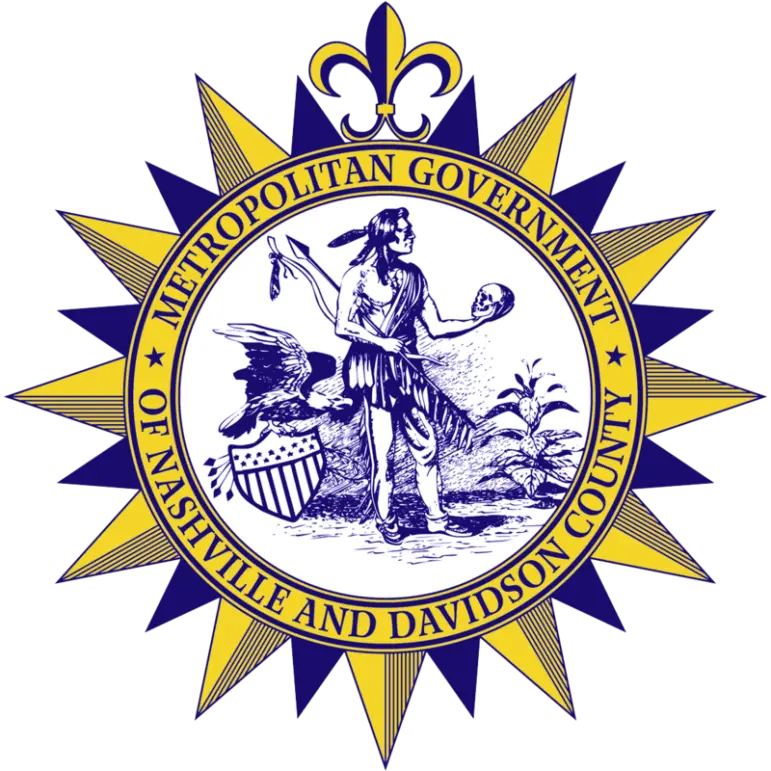
Shifting to the United States, Tennessee State Representative Monty Fritts, a Republican candidate for governor, sparked widespread national controversy during a televised interview. Fritts declared that if elected, he would actively seek to ban mosques and what he broadly categorized as "pagan religions," explicitly naming Islam, Buddhism, and Hinduism.
Fritts defended his controversial platform by advancing a novel legal argument regarding the First Amendment of the U.S. Constitution. He asserted that the opening word of the amendment—"Congress"—means that its protections regarding religious establishments and free exercise apply solely to the federal legislature, leaving state governments free to regulate or prohibit specific religions. Furthermore, Fritts categorized Islam as a political movement rather than a religion, while haphazardly lumping Buddhism and Hinduism under the umbrella of "paganism."
Constitutional scholars, civil rights advocates, and even political rivals were quick to condemn the remarks. Opponents pointed out that the Fourteenth Amendment extended the protections of the Bill of Rights to state governments, while reference works and theological experts pushed back against Fritts’s inaccurate definitions of Islam, Buddhism, and Hinduism.

3. The Ocala Murder Case and the Misuse of Anubis
In Ocala, Florida, legal proceedings are underway in a grim and tragic murder case. Dwain Hall, 53, stands accused of the premeditated murder of 32-year-old Sonia Exelby, a music tutor from England who traveled to the United States after connecting with Hall through an online extreme-fetish community.
While the core of the case involves severe mental health struggles, online exploitation, and violent crime, media coverage frequently digressed into sensational details regarding Hall’s personal life. Specifically, reports heavily emphasized that Hall worshipped Anubis—the ancient Egyptian deity associated with mummification, funerary rites, and the guidance of souls into the afterlife—frequently framing the god through the reductive trope of a "death god."
Legal analysts and religious observers have noted that mainstream media reports failed to establish any credible link between Hall’s private religious veneration of Anubis and the alleged crimes, raising questions about why the detail was weaponized in the narrative.
Chronology of Events
To understand how these disparate stories unfolded, a look at the timeline reveals distinct patterns in how cultural and religious controversies capture the public eye:
- Late July 2026: Preparations for the annual Wickerman Gathering at Navan Fort in Armagh draw local attention, setting the stage for theological pushback.
- August 2026 (Early): Catholic activists, organized by Gerry McGeough, stage a "rosary of reparation" outside Navan Fort just ahead of the Lughnasa festivities, drawing supportive honks from passing motorists and media coverage from Armagh I.
- Mid-2026 Campaign Cycle: In Tennessee, Representative Monty Fritts makes televised remarks outlining his gubernatorial platform, which includes proposals to ban mosques and non-Christian religions by reinterpreting the First Amendment.
- August 4, 2026: The Wild Hunt launches its "What the Hounds?" feature, synthesizing the Armagh protest, the Tennessee gubernatorial controversy, and the Florida murder case into a unified commentary on media sensationalism and religious friction.
- November 16, 2026 (Scheduled): Jury selection is set to begin in Ocala, Florida, for the trial of Dwain Hall, bringing the tragic murder case and its accompanying media commentary before a court of law.
Supporting Data and Theological Context
The controversies of this news cycle highlight deep-seated misunderstandings regarding religious history, constitutional law, and the definition of terms like "pagan."
- Lughnasa and Navan Fort: According to archaeological and historical data, Navan Fort (Emain Macha) is one of Ireland’s most significant royal and ritual sites. While early medieval Irish literature contains references to foundational sacrifices, modern neo-pagan and cultural celebrations of Lughnasa focus entirely on agricultural themes, community bonding, and artistic expression rather than historical reenactments.
- Constitutional Definitions: Mainstream legal consensus in the United States, reinforced by landmark Supreme Court rulings and the incorporation doctrine of the Fourteenth Amendment, firmly establishes that state governments are bound by the Establishment Clause and Free Exercise Clause of the First Amendment.
- Defining "Paganism" and World Religions: Representative Fritts’s categorization of Islam, Buddhism, and Hinduism as "pagan religions" demonstrates a fundamental departure from lexicographical and theological definitions. According to sources like Encyclopaedia Britannica and Merriam-Webster:
- Islam is an Abrahamic monotheistic faith rooted in the teachings of the Prophet Muhammad.
- Hinduism is a diverse system of thought encompassing various traditions, philosophies, and deities, rarely categorized under the pejorative umbrella of Western paganism by modern scholars.
- Buddhism is non-theistic regarding a creator god, focusing instead on personal liberation from suffering, and does not fit the historical definition of paganism.
Official Responses and Public Reactions
The reaction from community leaders, civil rights organizations, and political figures has been swift across all three incidents:
- In Ireland: The protest organizers maintained that their public prayer vigil was a necessary spiritual defense against what they perceive as a resurgence of pre-Christian practices. Meanwhile, festival-goers and cultural preservationists noted that the protest highlighted a lingering intolerance toward Ireland’s pre-Christian heritage.
- In Tennessee: The American Muslim Advisory Council issued sharp condemnations of Representative Fritts’s platform, invoking historical precedents such as Thomas Jefferson’s Virginia Statute for Religious Freedom to argue that American pluralism protects all faiths. Republican gubernatorial opponents, including Marsha Blackburn and John Rose, publicly distanced themselves from Fritts, affirming that Americans must be free to practice their faiths without government interference.
- In Florida: Legal teams and investigators have focused strictly on digital evidence, forensic data, and the dynamics of online fetish communities. Observers of modern Pagan and Kemetic (Egyptian polytheist) communities have criticized the sensationalized media focus on Anubis, arguing that attributing a horrific crime to an ancient deity serves to stigmatize minority religious practitioners without offering legitimate investigative insight.
Implications: What "What the Hounds?" Tells Us About Modern Media
As The Wild Hunt’s editorial board noted in their inaugural feature, the inclusion of sensationalized religious details in criminal and political reporting reveals more about the cultural biases of writers and commentators than it does about the actual events.
- The Weaponization of Religious Tropes: Whether it is labeling a cultural harvest festival "satanic" or framing the worship of an ancient Egyptian funerary deity as a sign of inherent criminality, media narratives frequently rely on historical prejudice to sensationalize ordinary or tragic news stories.
- The Fragility of Religious Freedom: Political rhetoric that seeks to dismantle constitutional protections—such as proposals to ban specific houses of worship or religious practices at the state level—demonstrates that religious pluralism remains a contested battleground in modern politics.
- The Role of Independent Journalism: Features like "What the Hounds?" underscore the necessity of critical media literacy. By stepping back to examine the headlines that make us "reread and wonder," communities can better identify sensationalism, challenge religious intolerance, and advocate for accurate, fair reporting.
The Wild Hunt is not responsible for links to external content. To join the conversation on this post, visit the official The Wild Hunt subreddit at reddit.com/r/The_Wild_Hunt_News/.