








By the Roomhints Editorial Team
Published as part of the Roomhints Designer Spotlight Series
Main Facts
In the upper echelons of residential interior architecture, the difference between decoration and true design lies in a firm adherence to discipline. Enter Martin Kobus, a Dutch-born designer whose eponymous firm, Kobus Interiors, has carved out a distinct and revered space in the American luxury market. Kobus approaches his craft through a trio of foundational pillars: clean lines, subtle gestures, and uncompromising luxury.
For Kobus, these are not mere buzzwords used to market high-end projects; they represent a rigorous design philosophy refined over a lifetime of immersion in the aesthetics of space. Bringing a distinct European precision to American residential architecture, Kobus balances client desires with authoritative design direction. His methodology bridges the gap between what a client imagines and what an experienced designer knows is structurally and aesthetically possible.
Operating at the intersection of psychology, architecture, and interior curation, Kobus views the physical room not as the starting point, but as the final, tangible byproduct of a deeply psychological journey. His portfolio features standout residential triumphs, including a definitive, career-defining estate in Rancho Mirage, California. Influenced by global travel, the restrained mastery of the late Christian Liaigre, and the hospitality standards of elite luxury resorts, Kobus champions flexibility as the ultimate tool for navigating complex, high-stakes projects.
Chronology: A Lifetime in Design
To understand the precision that defines Kobus Interiors today, one must trace the trajectory of a career rooted early in European sensibilities.
The Formative Years in Europe
Growing up in the Netherlands, Kobus was surrounded by an architectural and design culture that values functionalism, light, and materiality. European design education and residential culture traditionally emphasize spatial discipline—making every square foot serve a deliberate purpose while maintaining visual breathing room. This early immersion laid the subconscious groundwork for what would become his signature style. Rather than viewing design as a series of transient trends, Kobus absorbed it as a lifelong language.
Transition to the American Market and the Birth of Kobus Interiors
Relocating to the United States, Kobus brought with him a synthesis of Old World craftsmanship and a readiness for modern American scale. Establishing his firm meant translating European minimalism into a language that resonated with American luxury clientele—clients who often desired grandeur without sacrificing intimacy. Over the years, Kobus Interiors evolved from a boutique operation into a trusted name for high-net-worth individuals seeking sophisticated, understated residential transformations.

The Rancho Mirage Masterpiece
A pivotal milestone in the chronology of Kobus Interiors is the completion of a sprawling estate in Rancho Mirage, California. Situated in a harsh, dramatic desert landscape where blinding light and raw nature collide, the project demanded a rare level of design confidence. It was here that Kobus’s philosophy of balancing architectural rigor with interior serenity was put to the ultimate test. The completed estate stands today as a benchmark for the firm—a moment where client vision, landscape, and interior mastery coalesced into a singular, cohesive masterpiece.
Supporting Data & Design Philosophy
The architecture of a Martin Kobus interior is supported by a robust framework of philosophy, spatial psychology, and sensory integration.
The Psychology of Space
According to Kobus, more than fifty percent of interior design is not about material selection, lighting layouts, or furniture sourcing—it is pure psychology. A successful designer must act as a behavioral scientist of sorts, decoding how clients live, identifying their underlying domestic anxieties, and extracting desires that clients themselves may not yet know how to articulate.
- Listening with Intent: The initial phase of any Kobus project involves intensive listening.
- Leading with Conviction: Once the psychological profile of the homeowner is established, the designer transitions from listener to leader, gently guiding the client away from impulsive design choices and toward timeless spatial solutions.
The Pillars: Clean, Subtle, Luxurious
Kobus defines his aesthetic through three distinct markers:
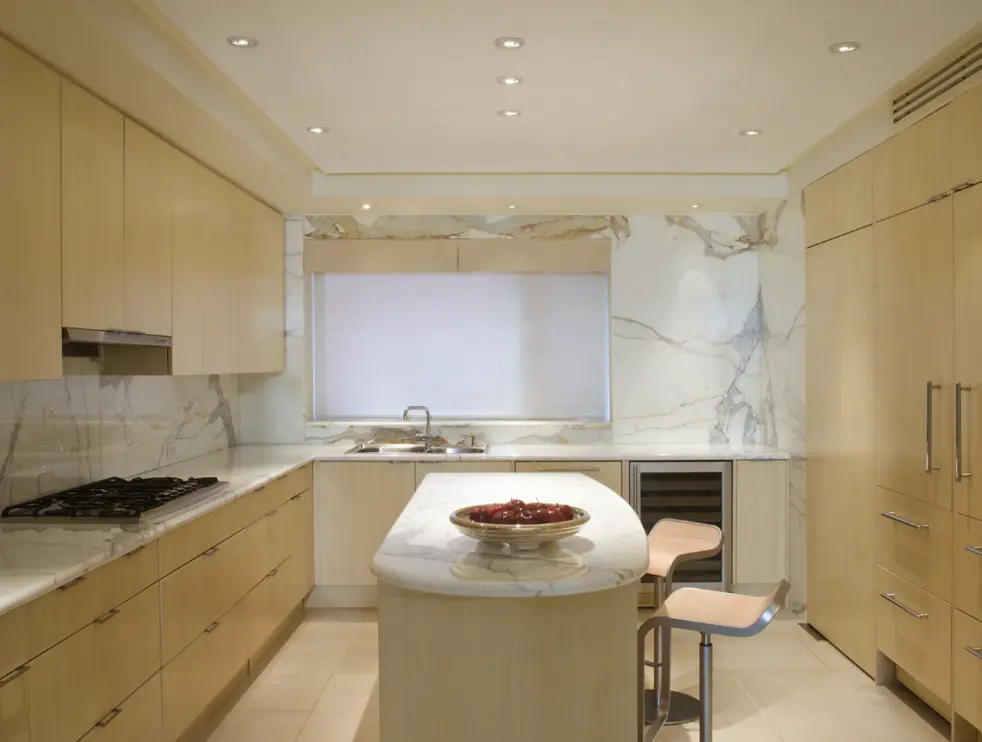
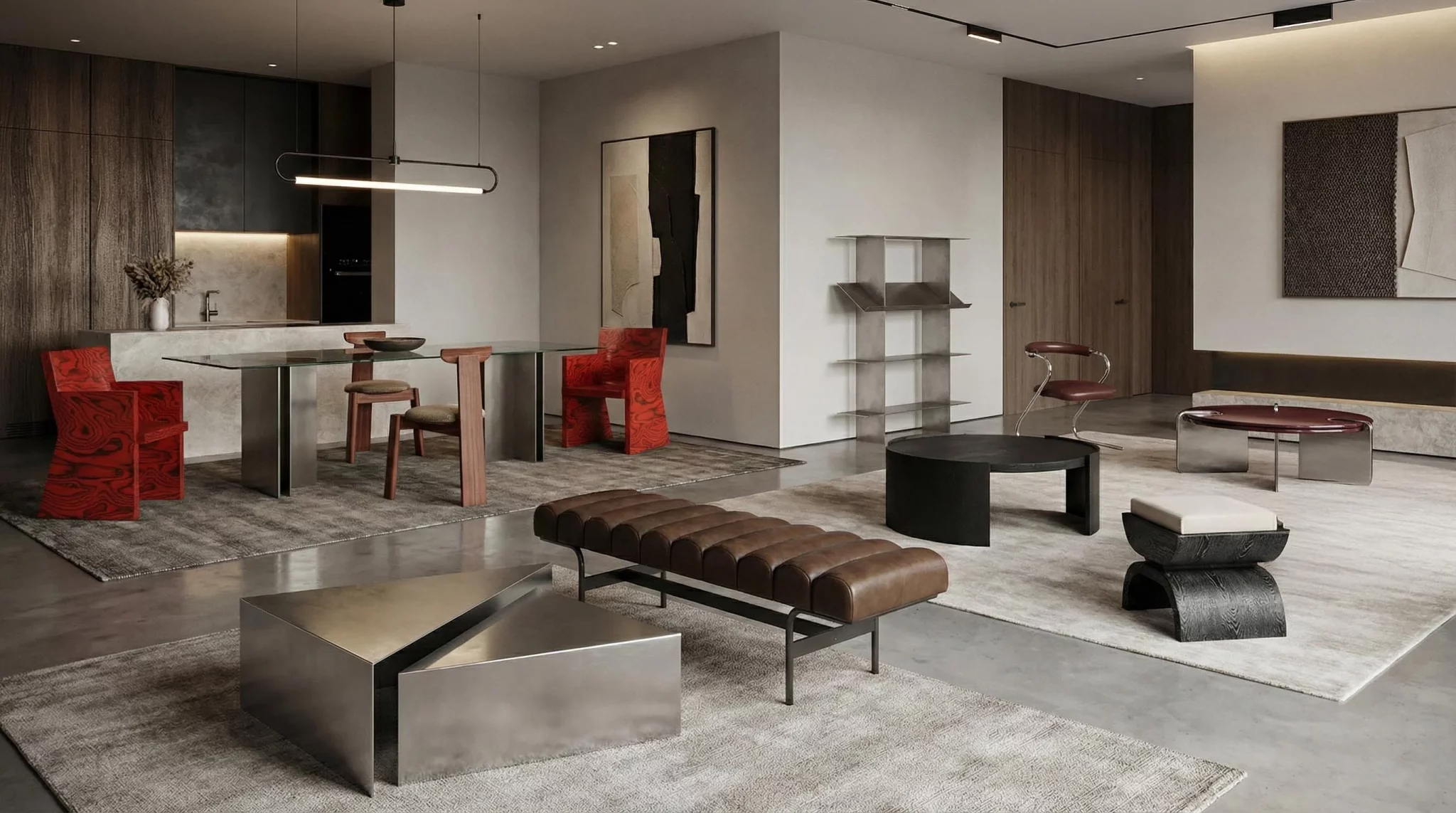
- Clean: Elimination of visual clutter; a reverence for negative space and architectural lines.
- Subtle: Restraint in color palettes and ornamentation, allowing materials and natural light to take center stage.
- Luxurious: Expressed not through ostentatious display or overt branding, but through tactile richness, custom millwork, and seamless execution.
The Sensory Layer: Fragrance
When asked about the finishing touch that fundamentally transforms a space, Kobus bypasses the expected answers of contemporary art, statement lighting, or layered accessories. Instead, he points to fragrance. This insight reveals an understanding of architecture that transcends the visual. By incorporating scent into the architectural narrative, Kobus engages the full sensory apparatus, ensuring that walking into a room feels like an immersive, deeply considered experience rather than a walk through a static museum gallery.
Influences and Inspirations
Kobus draws his inspiration from a curated trio of sources:
- Christian Liaigre: The legendary French designer known for his minimalist, material-driven interiors serves as a foundational philosophical touchstone. Liaigre’s influence is evident in Kobus’s preference for woods, leathers, and natural textiles that age gracefully.
- Luxury Resorts: High-end hospitality design represents the ultimate stress-test for spatial functionality. Resorts must feel immediately inhabitable, deeply comforting, and entirely unique. Kobus translates this resort-level hospitality into private residences.
- Global Travel: Exploring diverse architectural traditions expands the spatial vocabulary, preventing stagnation and fueling creative innovation.
Official Insights & Quotes from Martin Kobus
To capture the voice of the designer is to understand the unwavering standards of Kobus Interiors. In his own words, design is an exercise in leadership and adaptability.

On the core mission of his firm, Kobus states:
"We are a design firm that believes in giving the client what they want, but to drive the project in our direction. Clean, subtle, luxurious interiors are our hallmark."
This quote encapsulates the healthy tension present in high-end design. A client brings dreams, blueprints, and wish-lists; the designer brings professional foresight, spatial grammar, and structural reality. Navigating this dynamic requires confidence—a trait Kobus exhibits in abundance.
On the operational reality of executing complex builds, Kobus emphasizes flexibility as the single most vital design principle:
"No plan survives contact with a real building entirely intact. The ability to respond—to a space, to a client, to the unexpected reality of a project as it unfolds—is what separates competent interiors from exceptional ones. The designer who can adapt without losing their vision is the one whose rooms are worth living in."
Implications for the Future of Luxury Interior Design
The methodologies championed by Martin Kobus carry significant implications for the broader landscape of luxury interior architecture.
Moving Beyond Fast-Trend Aesthetics
In an era dominated by social media micro-trends and rapid aesthetic cycling, the work of Kobus Interiors serves as an antidote. By leaning heavily into the restrained philosophies of designers like Christian Liaigre and focusing on timeless materials, Kobus advocates for a sustainable form of luxury. Homes designed with psychological depth and structural subtlety do not age out of fashion in three years; they endure.

The Shift Toward Experiential and Multisensory Design
Kobus’s emphasis on fragrance and spatial psychology highlights a growing industry realization: modern luxury clients do not just want homes that photograph well; they want homes that feel restorative. As wellness architecture continues to merge with residential interior design, the ability to curate the invisible elements of a room—scent, acoustics, tactile transitions, and emotional resonance—will become the defining marker of top-tier design firms.
The Evolving Client-Designer Dynamic
The traditional model of the interior designer as a passive decorator executing a client’s Pinterest board is rapidly fading. Kobus’s model—where the designer acts as a trusted advisor, psychologist, and firm director—represents the future of high-end project management. Clients are increasingly willing to hand over the steering wheel to professionals who can navigate the emotional and logistical hurdles of major builds to achieve a superior, cohesive result.
Martin Kobus is based in the United States. To explore his portfolio of completed estates and residential projects, visit martinkobushome.com.
This feature is part of the ongoing Roomhints Designer Spotlight series, dedicated to spotlighting the visionary creatives shaping the rooms and spaces that matter most in contemporary architecture.