










Introduction: Plunging into the Subconscious
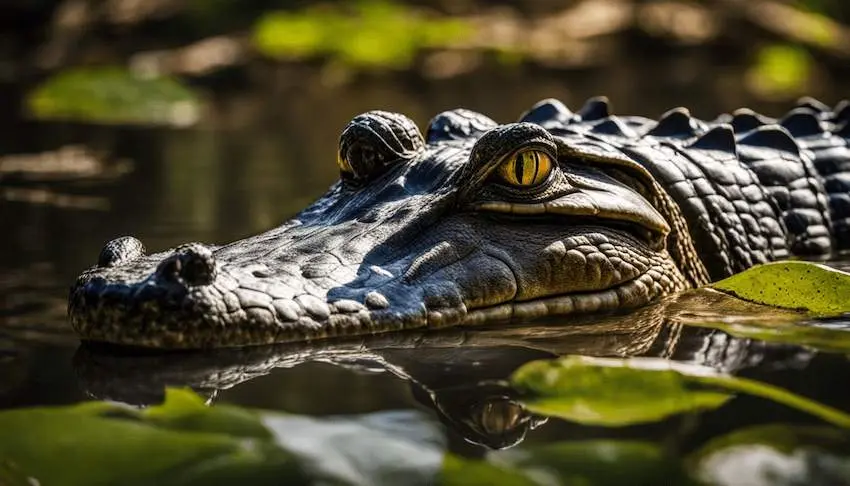
When an alligator surfaces in the quiet theater of the human mind, the experience is rarely passive. These prehistoric, armored reptiles—symbols of unyielding survival and ancient power—glide into our nocturnal visions during periods of profound emotional turbulence, existential anxiety, or hidden psychological shifts. For centuries, across cultures, mythologies, and modern therapeutic practices, the appearance of reptilian predators in dreams has forced humanity to confront the boundary between the conscious ego and the untamed depths of the unconscious.
Is the alligator in your dream a harbinger of external conflict, a manifestation of repressed aggression, or a guardian of ancient wisdom? To answer this question, researchers, psychologists, and dream analysts must plunge into murky waters, examining the rich tapestry of scenarios, archetypes, and clinical frameworks that help decode these powerful nocturnal visitations.
Chronology and Evolution of Dream Interpretation: From Ancient Sobek to Modern Psychoanalysis
The human fascination with the meaning of dreams is as old as civilization itself, but the interpretation of reptilian symbols has evolved dramatically over millennia.
- Ancient Beginnings: In ancient Egypt, the crocodile and alligator were revered through deities like Sobek, the crocodile god of the Nile. Sobek embodied a dual nature—both a destructive force capable of chaos and a creator god associated with fertility, military prowess, and the annual flooding of the Nile. Ancient dream interpreters viewed such creatures as direct conduits to divine will, signaling that destruction and rebirth were inextricably linked.
- The Turn of the 20th Century (Freudian Era): As the scientific study of the mind took root, Sigmund Freud revolutionized dream analysis by framing dreams as the "royal road to the unconscious." Freud viewed powerful predatory animals as manifestations of repressed desires, primal instincts, and pent-up aggressive impulses. In this era, an alligator attack in a dream was often analyzed through the lens of psychosexual tension and internal conflicts regarding power and control.
- Mid-20th Century (Jungian Depth Psychology): Carl Jung expanded upon Freudian theories by introducing the concept of the collective unconscious and archetypes. For Jungians, an alligator does not merely represent a repressed desire; it embodies the "shadow self"—the hidden, unacknowledged, or feared aspects of the dreamer’s own personality. Confronting the shadow is seen as an essential step toward individuation and psychological wholeness.
- Contemporary Psychology and Holistic Wellness: Today, dream interpretation has evolved into a multidisciplinary approach combining cognitive psychology, somatic awareness, and expressive journaling. Modern wellness practitioners use alligator dreams not as literal prophecies, but as somatic mirrors reflecting waking-life stress, interpersonal conflicts, and the human capacity for resilience.
Supporting Data: Common Alligator Dream Scenarios and Their Psychological Implications
To better understand how these dreams manifest, researchers and dream analysts categorize common scenarios reported by individuals undergoing emotional stress. Each scenario carries distinct psychological underpinnings:
| Dream Scenario | Potential Psychological Meaning |
|---|---|
| Being attacked by an alligator | Facing verbal attacks, harsh criticism, or threatening situations in waking life; feeling overwhelmed by external pressures. |
| Alligator eating something | Unresolved issues or obsessive thoughts that are consuming the dreamer’s mental energy and requiring immediate resolution. |
| Attacking an alligator | A proactive psychological response to confrontation or bullying; finding the inner courage to stand up against adversity and face deep-seated fears. |
| Dreaming of a baby alligator | New beginnings, creative projects, or the need to cultivate resilience when facing fragile, early-stage challenges. |
| In alligator-infested waters | Heightened anxiety and the fear of criticism (often greater than the actual threat); persistent, neglected problems lingering in the background. |
| Alligator beneath the surface | Subconscious warning signs regarding hidden fears, anxieties, or the emergence of the unacknowledged shadow self. |
| Dead alligator | The peaceful or abrupt conclusion of a conflict; the symbolic death of an unserving habit, toxic relationship, or outdated life phase. |
| Alligator fighting another animal | Internal conflict or external power struggles; prompting the dreamer to evaluate whether they are acting as the aggressor or the victim. |
| Escaping an alligator attack | Successfully overcoming, evading, or cutting ties with a toxic relationship, oppressive workplace, or high-stress environment. |
| Seeing an alligator from a distance | Awareness of a known but deliberately unaddressed threat or pending deadline in waking life. |
Official Perspectives: Jungian and Freudian Frameworks
The Jungian Lens: Confronting the Shadow
In the framework of Jungian psychology, the alligator is a classic representation of the shadow self. The shadow comprises those parts of the personality that the conscious ego finds unacceptable, inconvenient, or frightening, leading to their repression into the subconscious.
Dr. Carl Jung maintained that whatever we refuse to acknowledge in our conscious lives will eventually manifest as fate—or, in this case, as a predatory reptile crashing through the surface of a dream. When an alligator pursues or confronts a dreamer, Jungian analysts suggest that the psyche is demanding integration. By acknowledging our own capacity for aggression, cunning, and raw survivalism, we assimilate the energy of the shadow rather than letting it sabotage us from the murky depths.
The Freudian Perspective: Instincts and Repression
From a strictly Freudian viewpoint, the alligator’s armored exterior, formidable jaws, and predatory instincts serve as potent symbols of unfulfilled desires and repressed primal impulses. Freud posited that dreams are wish-fulfillments or outlets for forbidden urges.
An alligator’s aggressive posture in a dream might symbolize pent-up anger or sexual frustration that the waking ego suppresses due to societal norms. Freud would challenge the dreamer to investigate what part of their waking life feels suffocated or overly restricted, forcing these powerful instincts to erupt in monstrous, reptilian form.
Implications: Survival, Power Dynamics, and Personal Growth
The appearance of an alligator in a dream is rarely an arbitrary firing of neurons; it carries profound implications for the dreamer’s waking life, particularly regarding survival, power dynamics, and emotional processing.
1. Survival and Resilience
Alligators are living fossils. Having outlived dinosaurs, they represent millions of years of evolutionary perfection. When they appear in our sleep, they invite deep philosophical inquiry into our own resilience. Are we weathering life’s storms with the tenacity of these ancient survivors, or are we buckling under pressure? These nightly visitations act as a mirror, testing our endurance against persistent adversities.
2. Navigating Power Dynamics
Power struggles are a central theme in alligator symbolism. In waking life, questions arise: Are you the predator, or do you feel like the prey? Whether in corporate boardrooms, family dynamics, or romantic partnerships, feeling cornered by an alligator often signals that the dreamer is navigating an unbalanced power structure. Recognizing these dynamics allows individuals to reclaim their agency.
3. Proactive Conflict Resolution
Perhaps the most practical implication of an alligator dream is its role as an internal warning system. Just as an alligator waits patiently beneath the surface before striking, unresolved emotional tensions in our waking lives brew silently until they reach a boiling point. Dream analysis encourages a proactive approach: addressing dormant conflicts, difficult conversations, and creeping anxieties while they remain manageable, rather than waiting for them to erupt uncontrollably.
Spiritual Dimensions and Archetypal Symbolism
Beyond clinical psychology, alligator dreams frequently invite a spiritual journey into the wild, untamed realms of the human spirit.
The Wisdom of Sobek and Transformation
Drawing on ancient mythology, the archetype of Sobek teaches us that creation and destruction are two sides of the same coin. In the natural world, the destruction of an old ecosystem paves the way for new life. Similarly, spiritual practitioners view alligator dreams as catalysts for profound personal transformation. The shedding of old skins, the facing of primal fears, and the descent into the dark waters of the unconscious are all necessary rites of passage for spiritual evolution.
Cultivating Courage Through Dream Journaling
To harness the wisdom of these powerful nocturnal encounters, modern psychological and spiritual traditions recommend dream journaling. By actively recording the details of the dream—the water’s clarity, the alligator’s behavior, the emotional state of the dreamer—individuals can bridge the gap between the subconscious and the conscious mind.
Recommended Journaling Prompts:
- What specific situation in my waking life currently feels like murky, dangerous water?
- Where am I feeling preyed upon, vulnerable, or defensive?
- What unexpressed anger, fear, or passion am I keeping hidden beneath the surface?
- If the alligator in my dream could speak, what warning or message would it deliver?
Conclusion: Embracing the Depths
When alligators slide into your dreams, they deliver unvarnished messages from the deepest, wildest corners of your subconscious. Far from being mere sources of terror, these ancient creatures serve as invaluable guides, pushing us to wrestle with what bubbles up from beneath.
By stepping back, taking a deep breath, and examining these fierce, primal symbols through the lenses of psychology, history, and spirituality, we unlock a clearer understanding of our hidden depths. Dreams have the power to take us anywhere—into the brightest light and the darkest waters. By following where the alligator leads, we confront our fears, reclaim our power, and emerge transformed.