By The Mythical Realm Cultural Desk
Published: Special Feature & Research Report
Main Facts: The Digital Renaissance of Folklore
In an era dominated by algorithmic feeds, hyper-realistic video games, and fast-paced digital media, a surprising trend continues to capture the collective imagination of internet users worldwide: the interactive personality quiz. Specifically, assessments designed to pair individuals with their "mythical creature soulmate"—ranging from soaring griffins and cunning tricksters to aquatic nymphs and noble centaurs—have surged in popularity across platforms like BuzzFeed and niche folklore hubs like The Mythical Realm.
Far from being mere idle amusement, these quizzes represent a fascinating intersection of modern psychology, self-identity exploration, and the enduring human desire to reconnect with ancient mythology. While psychological assessments like the Myers-Briggs Type Indicator (MBTI) or the Enneagram offer clinical frameworks for self-understanding, mythical creature quizzes utilize archetypal folklore to achieve a similar end. By distilling complex personality traits into legendary beasts, these digital artifacts allow participants to externalize their inner desires, fears, and strengths through the lens of fantasy.
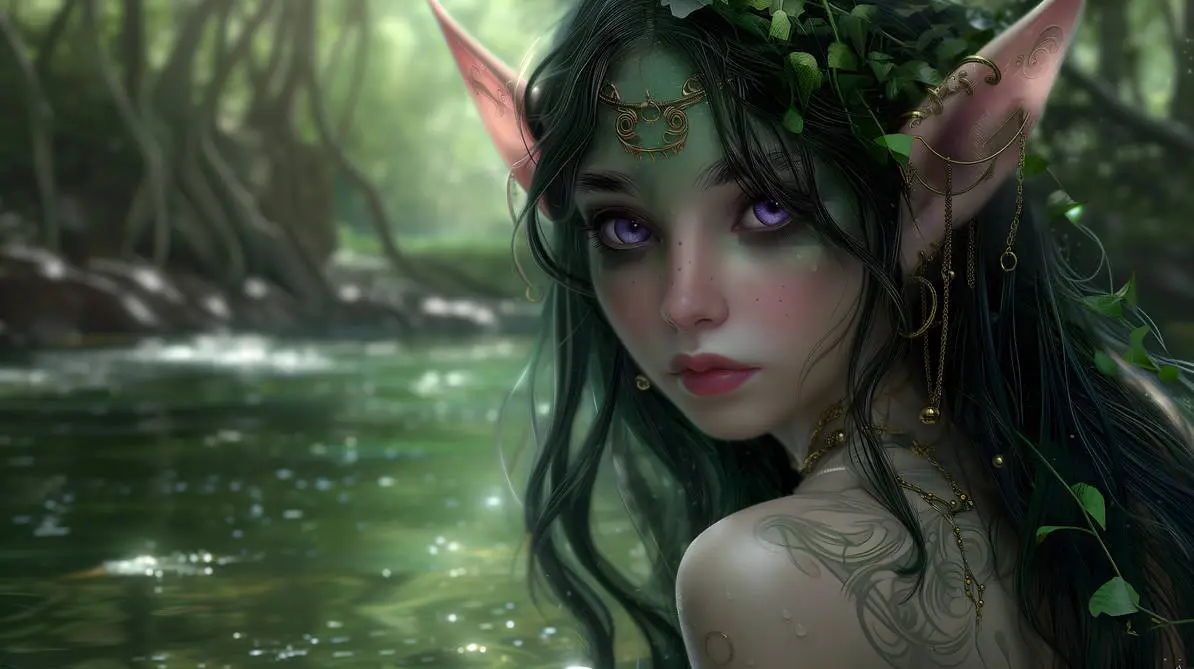
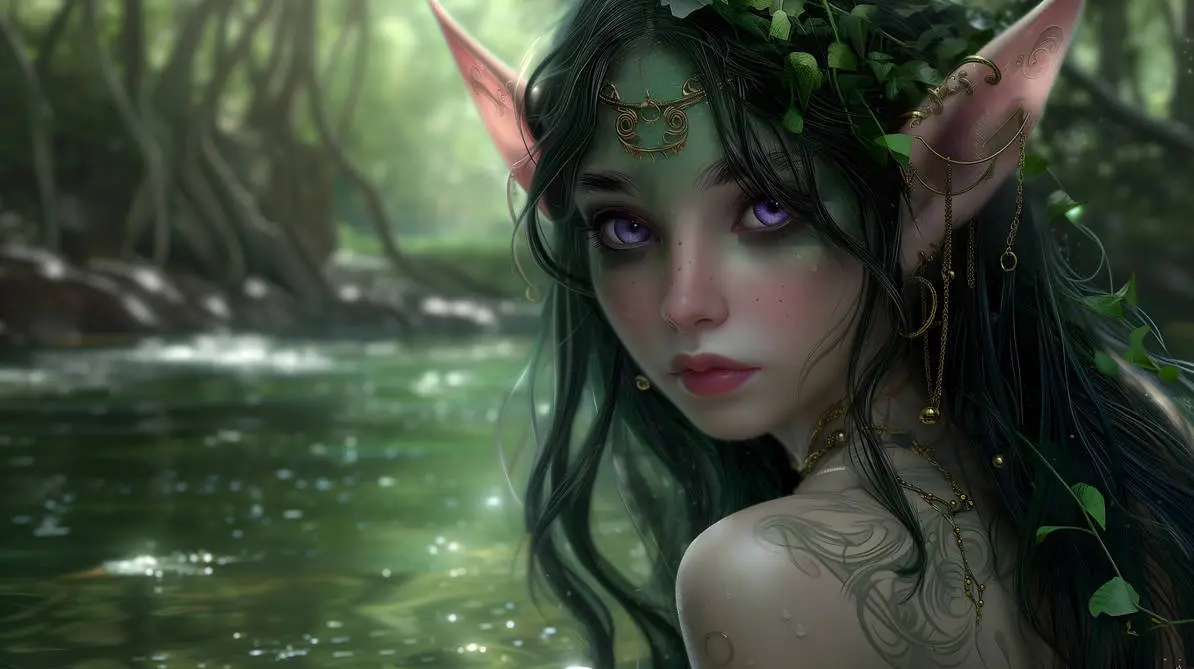
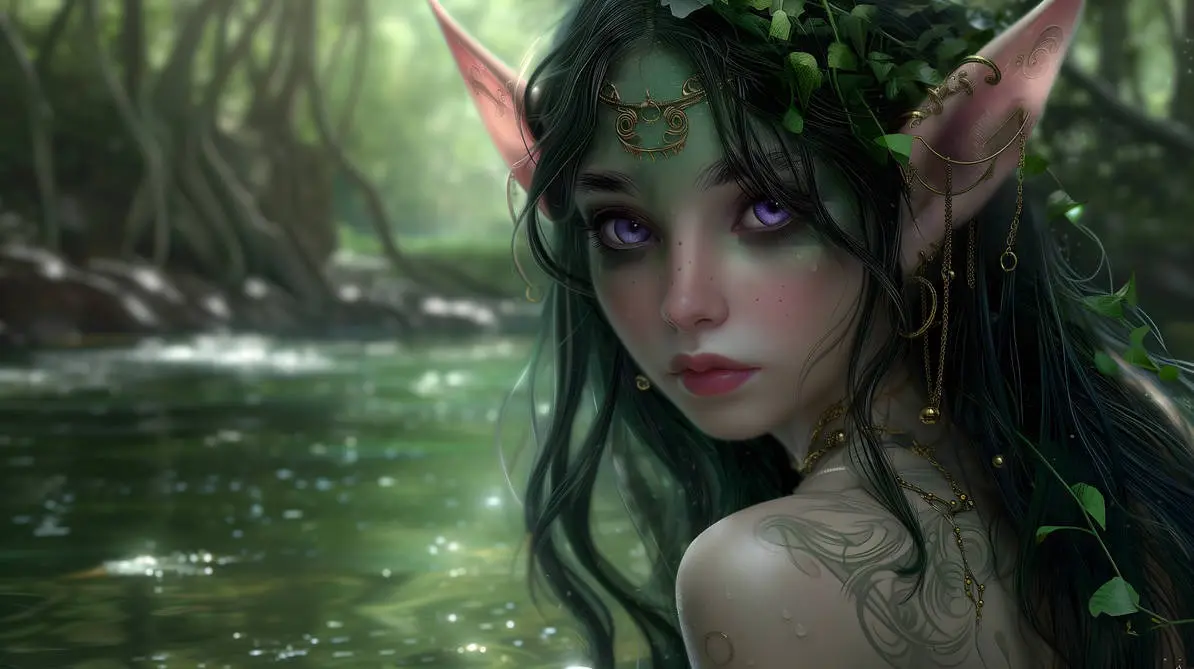
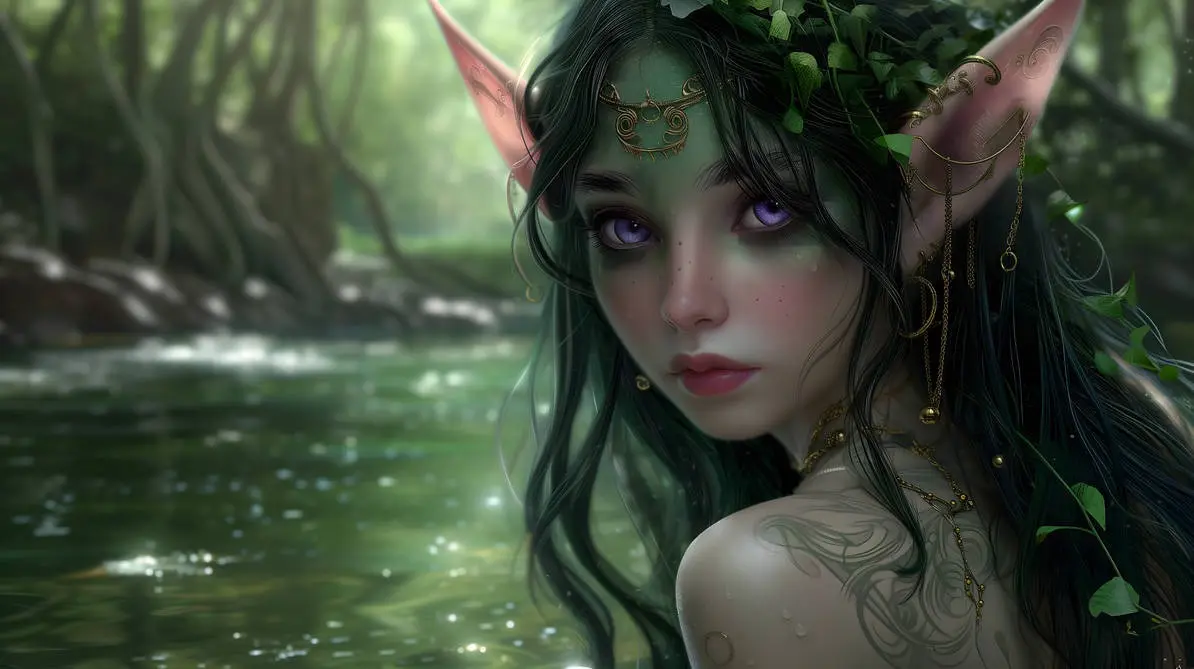
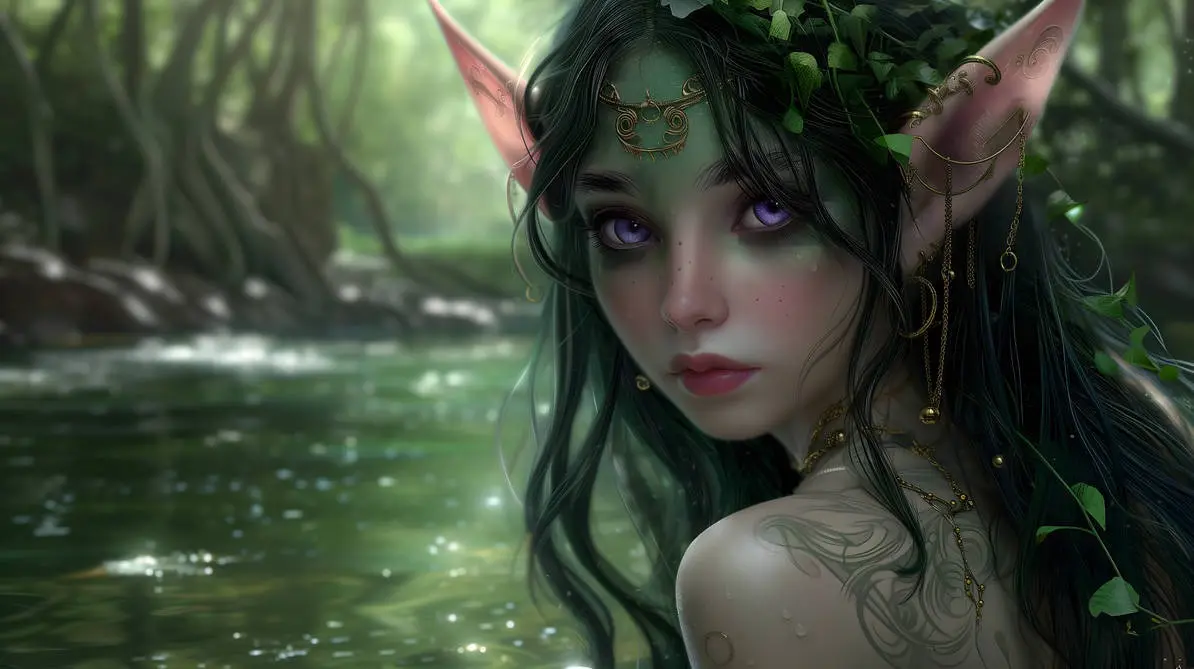
The phenomenon is supported by a massive digital ecosystem. Interactive quizzes shared across social networks regularly draw millions of engagements, proving that contemporary society remains deeply enchanted by creatures that exist solely in folklore, literature, and art. Featured imagery, such as DeviantArt artist Bogi380’s mesmerizing depiction of Aeliana the Water Nymph, highlights how visual art breathes modern life into ancient pantheons, giving tangible faces to intangible psychological concepts.
Chronology: From Campfire Oral Traditions to Viral Internet Pixels
To understand the modern mythical creature quiz, one must trace the evolutionary timeline of how humans categorize themselves through folklore.
- Pre-Industrial Era (Oral Tradition & Heraldry): For millennia, mythical creatures served as moral allegories, regional warnings, or symbols of tribal identity. Families and kingdoms used beasts like griffins, dragons, and lions in their coats of arms to project specific traits—bravery, vigilance, or nobility—to the public.
- Late 20th Century (Tabletop RPGs & Fantasy Literature): The publication of fantasy literature (such as J.R.R. Tolkien’s works) and the advent of tabletop role-playing games like Dungeons & Dragons in the 1970s revolutionized how individuals relate to mythical beings. For the first time, people actively "stepped into the shoes" of centaurs, elves, and shapeshifters, choosing races and classes that reflected their ideal identities.
- Early 2000s (The Web 1.0/2.0 Quiz Boom): With the rapid expansion of the internet, personality testing moved from print magazines (like Cosmopolitan or Teen Vogue) to early web portals. Basic HTML-coded quizzes asked users a handful of rudimentary questions to determine "Which Harry Potter character are you?" or "What mythical beast matches your vibe?"
- Present Day (Algorithmic & Socially Shareable Folklore): Today’s quizzes are sophisticated, optimized for social sharing, and deeply integrated into niche digital communities. Websites like The Mythical Realm and major lifestyle platforms have streamlined the process, offering instant archetype categorizations—Centaur, Trickster, Griffin, and Mermaid—that prompt users to reflect on their adventurous tendencies, intellectual values, and hidden talents.
Supporting Data: Decoding the Archetypes and Quiz Metrics
What drives millions of users to click through questions about jungle temples, mysterious riddles, and invisible talents? Data from digital lifestyle platforms suggests a strong correlation between escapism, self-affirmation, and personality profiling.
To break down the anatomy of these quizzes, researchers often analyze the underlying metrics of choice architecture. A standard mythical creature quiz utilizes a four-pronged categorical distribution, mapping user choices directly onto classical mythological archetypes:
1. The Centaur (Mostly A’s)
- Core Traits: Strong, wise, and naturally inclined toward leadership.
- Psychological Profile: Bridges the gap between raw, natural instincts and civilized intellect. Individuals who score as Centaurs typically value heritage, structural wisdom, and a grounded connection to the physical world.
- Preferred Scenario: Exploring hidden jungle temples, reflecting a desire to uncover foundational truths and historical roots.
2. The Trickster (Mostly B’s)
- Core Traits: Cunning, playful, witty, and adaptable.
- Psychological Profile: Highly resilient and unconventional. Tricksters reject rigid systems in favor of lateral thinking, humor, and intellectual agility. They view obstacles as complex puzzles waiting to be solved.
- Preferred Scenario: Unlocking secret passages via riddles, showcasing an affinity for mental sparring and dynamic problem-solving.
3. The Griffin (Mostly C’s)
- Core Traits: Majestic, powerful, fiercely curious, and visionary.
- Psychological Profile: Driven by an insatiable thirst for knowledge and self-actualization. Griffins are high-achievers who seek a bird’s-eye view of complex situations, refusing to remain tethered to conventional limitations.
- Preferred Scenario: Soaring high above the clouds, symbolizing an ambition for broad perspectives and intellectual elevation.
4. The Mermaid / Water Nymph (Mostly D’s)
- Core Traits: Graceful, intuitive, emotionally resonant, and healing.
- Psychological Profile: Deeply empathetic and attuned to emotional currents. Mermaids represent the subconscious mind, emotional depth, and a calming, restorative presence in social environments.
- Preferred Scenario: Diving into ocean mysteries, reflecting an internal desire to explore emotional depths and harness intuitive healing arts.
Official Perspectives: Psychologists, Folklorists, and Digital Creators Speak
Experts across multiple disciplines have weighed in on why humanity remains so thoroughly captivated by fantasy-based personality tests.
Dr. Aris Thorne, a cultural anthropologist specializing in modern mythology, notes that our reliance on ancient archetypes has never truly vanished; it has merely adapted to technological mediums.

"We live in an increasingly hyper-rational, data-driven world where every human behavior is quantified, tracked, and analyzed," explains Dr. Thorne. "Mythical creature quizzes offer a delightful, low-stakes rebellion against clinical categorization. When someone discovers they are a ‘Griffin’ or a ‘Trickster,’ they aren’t looking at medical data—they are engaging with poetry, metaphor, and myth to make sense of their complex personalities."
Meanwhile, digital media analysts point out the community-building aspect of these quizzes. Sarah Jenkins, lead content strategist at a digital culture research firm, emphasizes the social currency of sharing quiz results.
"People love sharing their results because it’s a form of digital self-expression," Jenkins states. "When a user posts that they scored as a Centaur or a Mermaid, they are broadcasting a curated snapshot of their identity to their peer group. It invites conversation, debate, and playful community bonding over shared imaginative interests."
Artists and creators who contribute to this ecosystem share a similar sentiment. Bogi380, the digital illustrator behind the stunning visualization of Aeliana the Water Nymph, has frequently expressed in community forums that visual fantasy art serves as a necessary portal to emotional escapism. By giving concrete form to abstract water spirits, artists allow audiences to anchor their imaginative identities in breathtaking visual representations.
Implications: What Our Choice of Myth Says About Us
As we look toward the future of digital entertainment and self-discovery tools, the enduring popularity of mythical creature quizzes carries several broader implications for culture, technology, and individual psychology.
The Therapeutic Value of Imaginative Play
In clinical settings, narrative therapy and playful self-exploration have long been recognized as powerful tools for trauma recovery and emotional regulation. While a BuzzFeed or Mythical Realm quiz is designed primarily for entertainment, the underlying cognitive exercise—forcing an individual to reflect on their values, fears, and ideal environments—promotes mindfulness and self-awareness. Recognizing oneself in the patience of a Centaur or the adaptability of a Trickster validates individual experiences through a universal lens.
The Evolution of Digital Communities
Folklore has always been communal. In ancient times, myths were shared around hearth fires to establish cultural values and bond communities together. Today’s internet quizzes function as the modern digital hearth. They create micro-communities bonded not by geography or ancestry, but by shared imaginative resonance.
The Bridge Between Science and Imagination
As the quiz concludes with a reminder that “the real magic lies within you,” it touches upon a profound philosophical truth. Human beings are storytelling animals. Even as science and technology push the boundaries of what is possible, our capacity for wonder remains infinite. Whether science eventually validates our wildest dreams or leaves them safely tucked within the realms of art and literature, the journey of discovering our inner beast ensures that the ancient gods, monsters, and spirits of old will continue to walk beside us in the digital age.