By the Mythical Realm Editorial Board
Published: June 2024
Main Facts: The Intersection of Folklore, Psychology, and Pop Culture
In an era dominated by algorithmic feeds and hyper-personalized content, internet personality quizzes remain an enduring digital staple. Among the most popular iterations of this phenomenon is the classic self-assessment designed to answer a timeless human question: Which mythical creature are you?
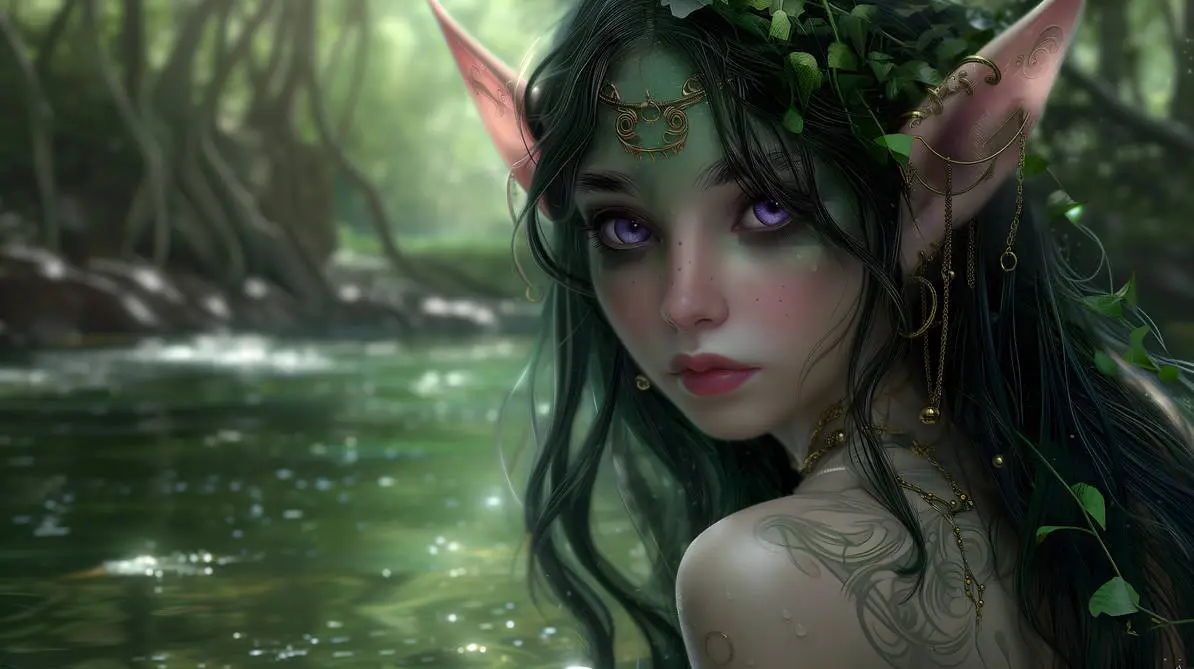
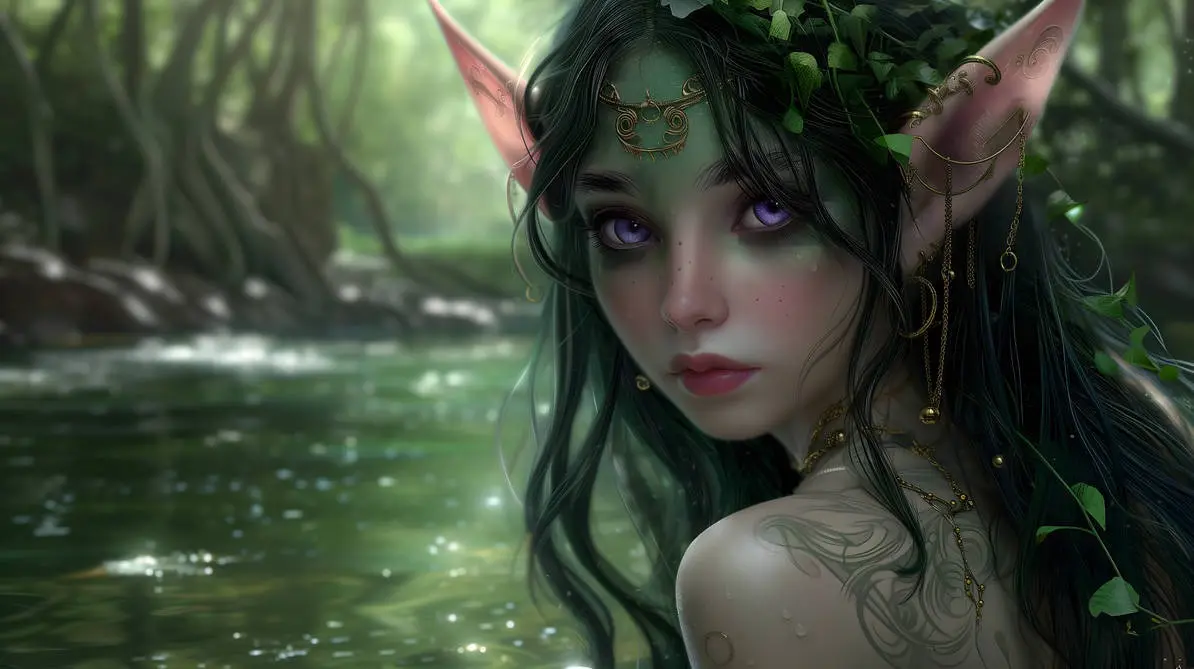
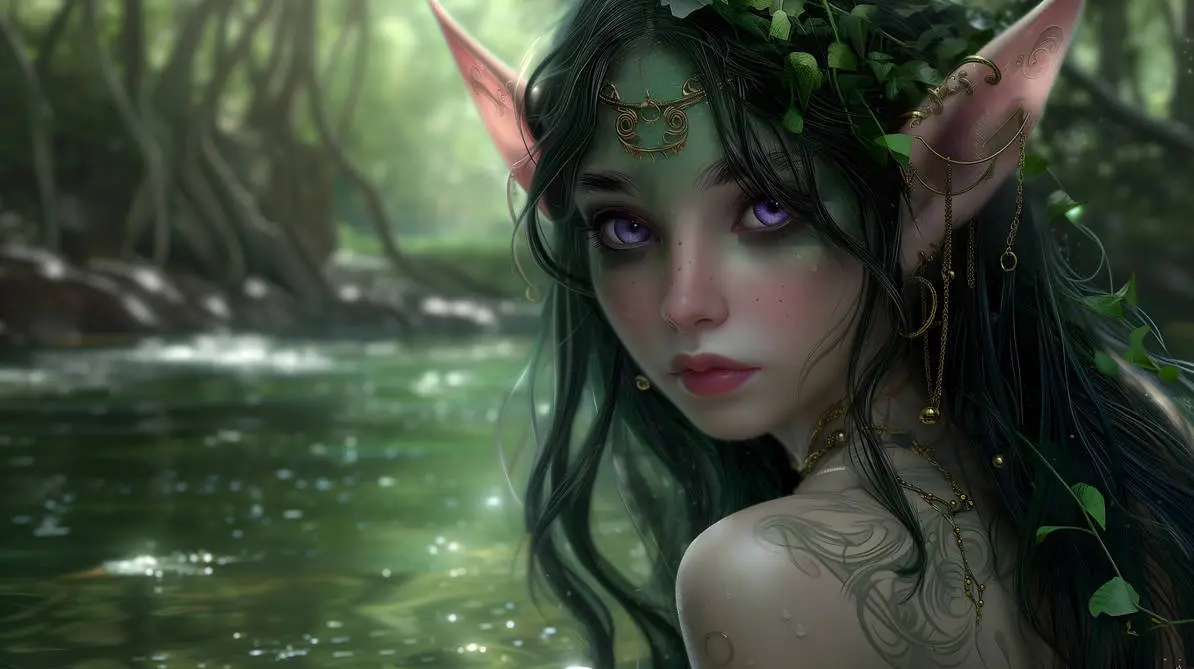
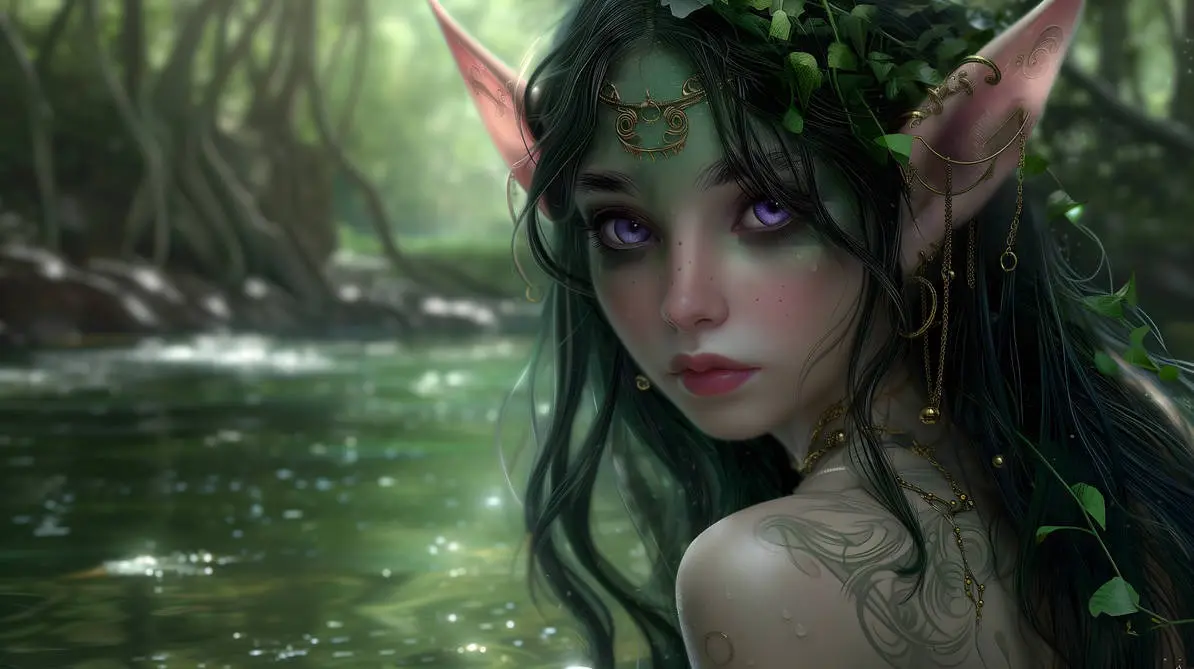
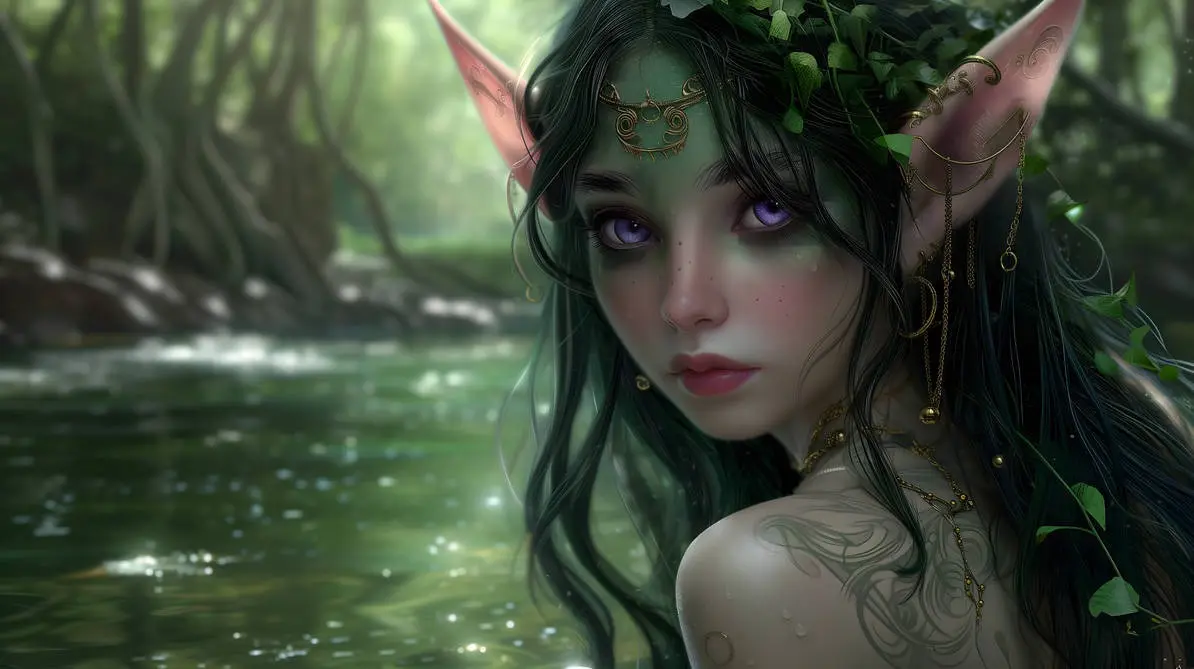
Recently highlighted by digital folklore hubs like The Mythical Realm—featuring captivating imagery such as Bogi380’s ethereal depiction of Aeliana the Water Nymph—and complemented by deep-dive assessments from platforms like BuzzFeed, these interactive questionnaires have captured the collective imagination of millions. Far from being mere digital fluff, these quizzes tap into deep psychological frameworks, leveraging archetypes rooted in mythology, literature, and Jungian psychoanalysis.
At their core, these quizzes present users with a series of hypothetical scenarios—ranging from exploring forgotten jungle temples to navigating the deep-sea trenches—and map their responses to classic legendary beings. Depending on the tally of their choices, participants discover whether their soulmate creature is a noble Centaur, a cunning Trickster, a majestic Griffin, or a graceful Mermaid.
Chronology: From Ancient Oral Traditions to Modern Interactive Media
To understand the modern obsession with mythical creature quizzes, one must examine the evolutionary timeline of how humanity interacts with folklore:
- Ancient Eras (Oral Tradition & Local Lore): Millennia ago, mythical creatures were not entertainment; they were explanations for the unexplainable. Societies used entities like water nymphs, griffins, and centaurs to personify natural forces, dangers, and moral virtues. Belief in these creatures was woven into daily survival and religious rituals.
- The Literary and Romantic Revival (18th–19th Centuries): As science began to demystify the natural world, mythical beasts migrated from matters of literal belief into the realms of art, poetry, and fantasy literature. Authors and folklorists cataloged creatures from Greek, Norse, and Celtic mythologies, cementing their symbolic traits in the cultural consciousness.
- The Rise of Print Psychology (Mid-20th Century): The mid-1900s saw the birth of popular psychology tests in magazines and newspapers (such as early prototypes of the Myers-Briggs Type Indicator and playful lifestyle quizzes). These formats trained the public to look inward and categorize their personalities through external metaphors.
- The Digital Revolution and the Quiz Era (Late 1990s–Present): With the advent of the internet, personality tests transitioned into web-based formats. Platforms like BuzzFeed and niche specialty blogs transformed static questionnaires into viral, highly shareable media events. Today, quizzes incorporating rich visual media—such as digital art features of water nymphs and sirens—allow users to instantly broadcast their idealized mythical identities across social media channels.
Supporting Data: The Mechanics and Appeal of Persona Quizzes
Data from digital media analysts indicates that identity-based quizzes consistently rank among the highest-performing categories for user engagement, sharing rates, and time-on-page metrics. Several factors drive this sustained popularity:
1. The Anatomy of a Mythical Questionnaire
A typical assessment relies on forced-choice scenarios designed to measure core behavioral traits without using clinical jargon:
- Exploration Preferences: Testing openness to experience (e.g., jungle ruins versus deep-sea mysteries).
- Kinetic Desires: Assessing how an individual envisions movement and freedom (e.g., winged flight versus magical teleportation).
- Epistemological Values: Evaluating how one defines wisdom—whether through ancestral tradition, strategic cunning, or empirical curiosity.
- Intuitive Metaphors: Associating personal traits with established spirit animals or elemental forces.
2. Behavioral Mapping Outcomes
When tallied, these selections categorize users into distinct psychological archetypes disguised as fantasy creatures:
- The Centaur (Mostly A’s): Represents stability, leadership, and a bridge between intellect and raw nature. Statistically chosen by individuals who value foundational strength and communal responsibility.
- The Trickster (Mostly B’s): Embodies adaptability, wit, and boundary-pushing humor. Favored by those who thrive in dynamic, unpredictable environments.
- The Griffin (Mostly C’s): Symbolizes ambition, intellectual curiosity, and a desire to rise above mundane constraints to gain a broader perspective.
- The Mermaid (Mostly D’s): Reflects emotional intelligence, intuition, healing capabilities, and a profound harmony with the subconscious or emotional realms.
Official Responses: Insights from Mythologists, Psychologists, and Digital Creators
To gauge the cultural significance of these quizzes, industry experts and cultural commentators weighed in on why adults and youths alike flock to discover their inner beasts.
Dr. Aris Thorne, a professor of comparative mythology at the University of Oxford, notes that these quizzes represent a modern democratization of ancient archetypes.

"In antiquity, people looked up at the stars or deep into the forests and saw centaurs and nymphs because they needed narratives to make sense of a chaotic world," Dr. Thorne explains. "Today, internet quizzes allow individuals to actively select the narrative lens through which they view their own personality. It’s an exercise in modern myth-making."
Meanwhile, digital media psychologists point to the concept of the idealized self. Clinical psychologist Dr. Elena Vance highlights that identity quizzes provide a low-stakes environment for self-reflection and escapism.
"When someone answers a question about whether they would prefer to soar above the clouds like a griffin or dive into the ocean like a mermaid, they aren’t just making a random choice," says Dr. Vance. "They are expressing an inner yearning—whether that is a desire for freedom, peace, or intellectual discovery. It offers a playful framework for self-validation."
Content creators and fantasy artists, such as the creators behind The Mythical Realm and community contributors on platforms like DeviantArt, emphasize the vital role of visual art in this ecosystem. Pairing descriptive text with breathtaking depictions of entities like Aeliana the Water Nymph bridges the gap between abstract psychological concepts and tangible, awe-inspiring fantasy aesthetics.
Implications: Escapism, Imagination, and the Future of Digital Self-Discovery
As we look toward the future of digital culture, the enduring appeal of the mythical creature quiz carries several broader implications for how we consume media and understand ourselves:
The Value of Creative Escapism in High-Stress Societies
In an increasingly digitized, fast-paced, and often stressful modern world, quizzes offering a temporary escape into a realm of magic and folklore provide a necessary psychological buffer. They remind participants that imagination is a vital human faculty. As noted by cultural critics, even if science has not yet caught up with our fantastical dreams of literal griffins or talking sprites, the internal reality of human creativity remains entirely magical.
The Gamification of Self-Reflection
By transforming introspection into a game, quizzes lower the barrier to entry for self-awareness. While a clinical personality inventory can feel clinical and exhausting, determining whether one matches a Centaur or a Griffin feels lighthearted and rewarding. This gamification encourages higher rates of social sharing, community building, and cross-cultural conversations about shared archetypes.
The Endless Horizon of Digital Folklore
Websites dedicated to fantasy, mythology, and folklore serve modern digital campfires. They keep ancient traditions alive by translating them into interactive formats that resonate with contemporary audiences. Whether through a quick five-question assessment on a specialty blog or an in-depth psychological dive on major media sites, the human drive to categorize our souls using the grand vocabulary of myth remains as vibrant today as it was in the ancient world.
Ultimately, while the results of any quiz are meant for entertainment and self-reflection, the true magic lies within the participant. After all, the capacity to imagine worlds beyond our own is the greatest mythical power humanity has ever possessed.