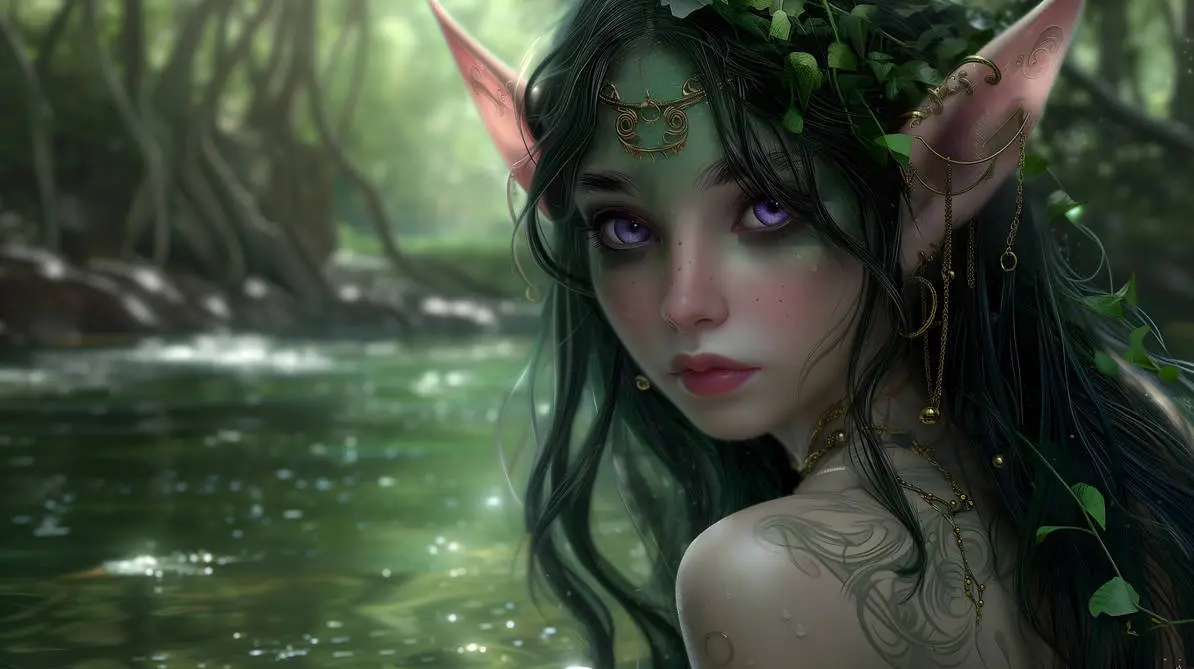
By the Mythical Realm Special Investigation Desk
Published: October 2024
Main Facts: The Enduring Allure of Mythological Alter Egos
In an era dominated by hyper-connectivity, digital noise, and algorithmic self-reflection, millions of internet users are turning inward—and backward—to find their true identities. However, rather than relying on conventional personality inventories like the Myers-Briggs Type Indicator (MBTI) or the Enneagram, contemporary digital citizens are increasingly consulting the ancient realms of folklore, fantasy, and legend.
At the center of this cultural phenomenon is a seemingly simple diversion: the "Which Mythical Creature Are You?" personality quiz. From independent niche blogs like The Mythical Realm to mainstream lifestyle publications like BuzzFeed, these interactive questionnaires have become viral staples. They invite participants to choose between soaring griffins, deep-diving water nymphs, cunning tricksters, and noble centaurs.
Beneath the veneer of internet amusement, however, lies a profound psychological truth. Psychologists, folklorists, and cultural anthropologists argue that these quizzes tap into a deep-seated human need for mythmaking. By projecting personality traits onto fantastical beasts—such as the fierce independence of a winged beast or the intuitive grace of a marine siren—individuals are able to articulate complex emotional states, explore hidden aspects of their psyches, and find community in a shared, imaginative landscape.
Chronology: From Ancient Campfire Oral Traditions to Viral Digital Artifacts
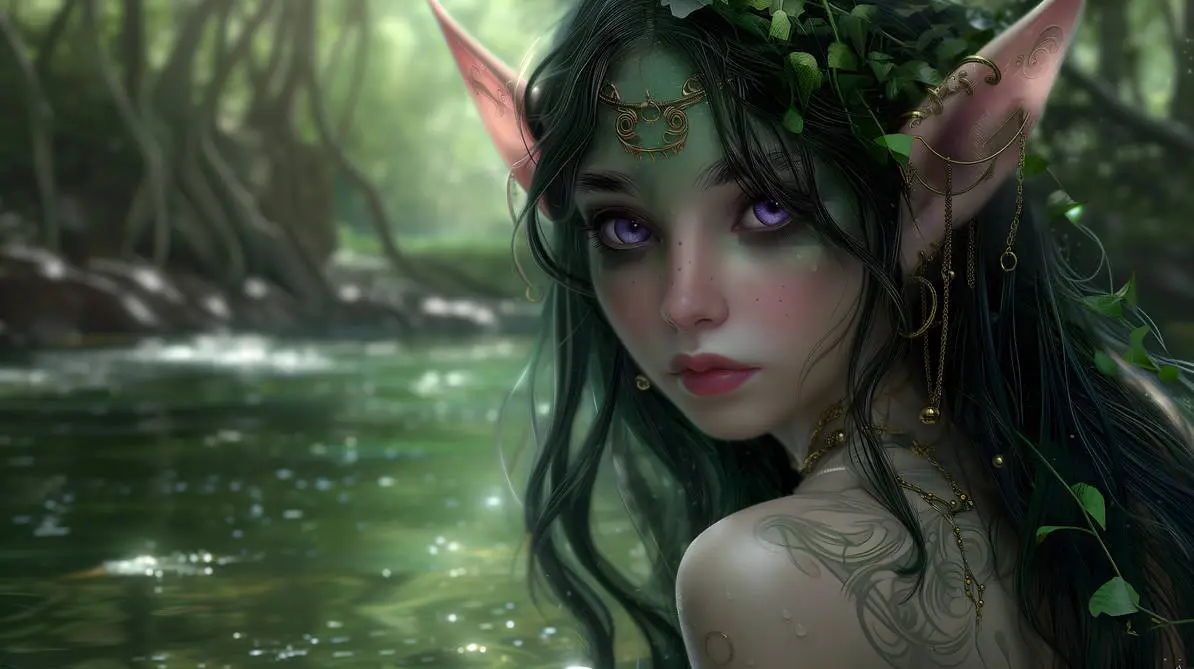
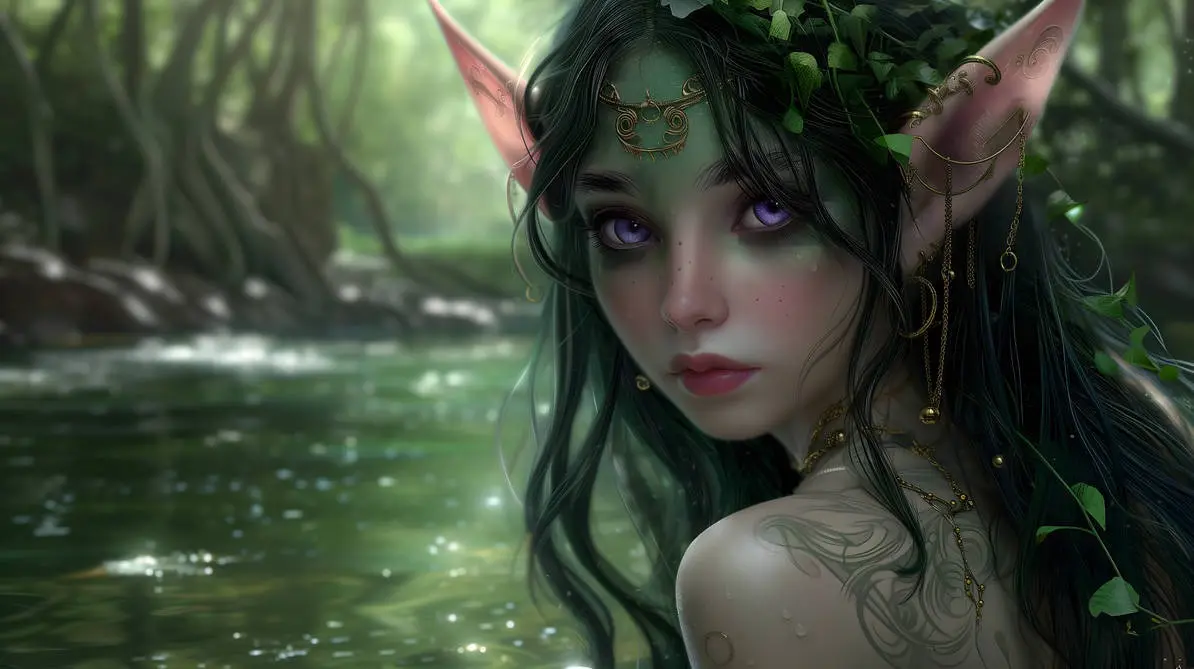
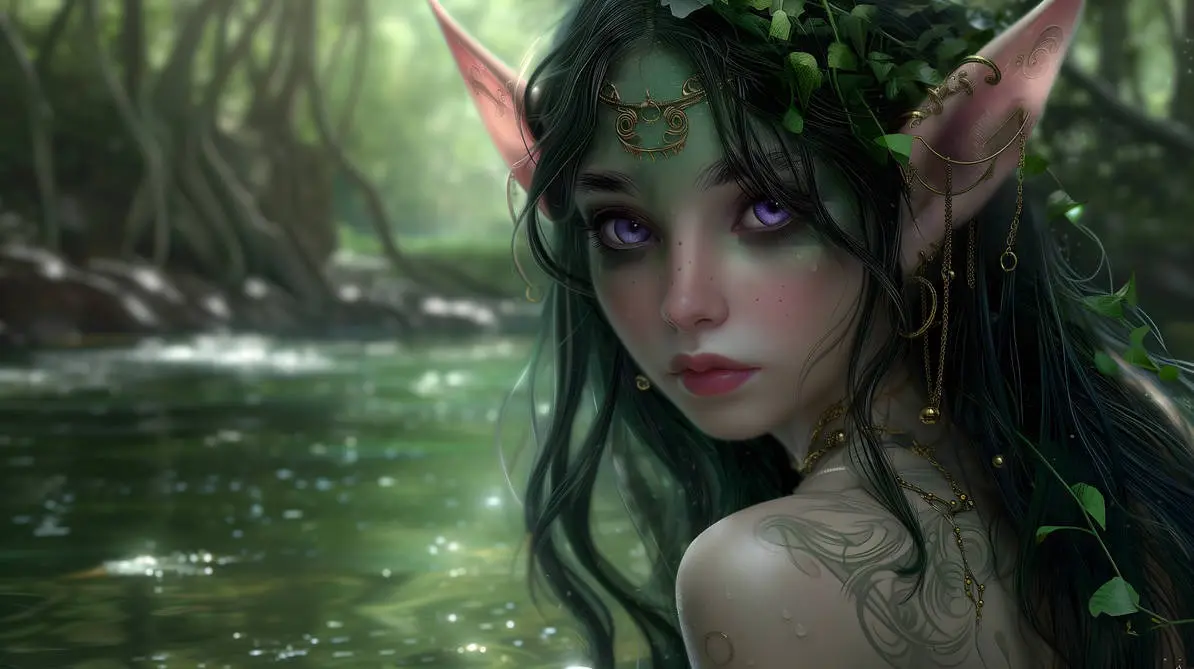
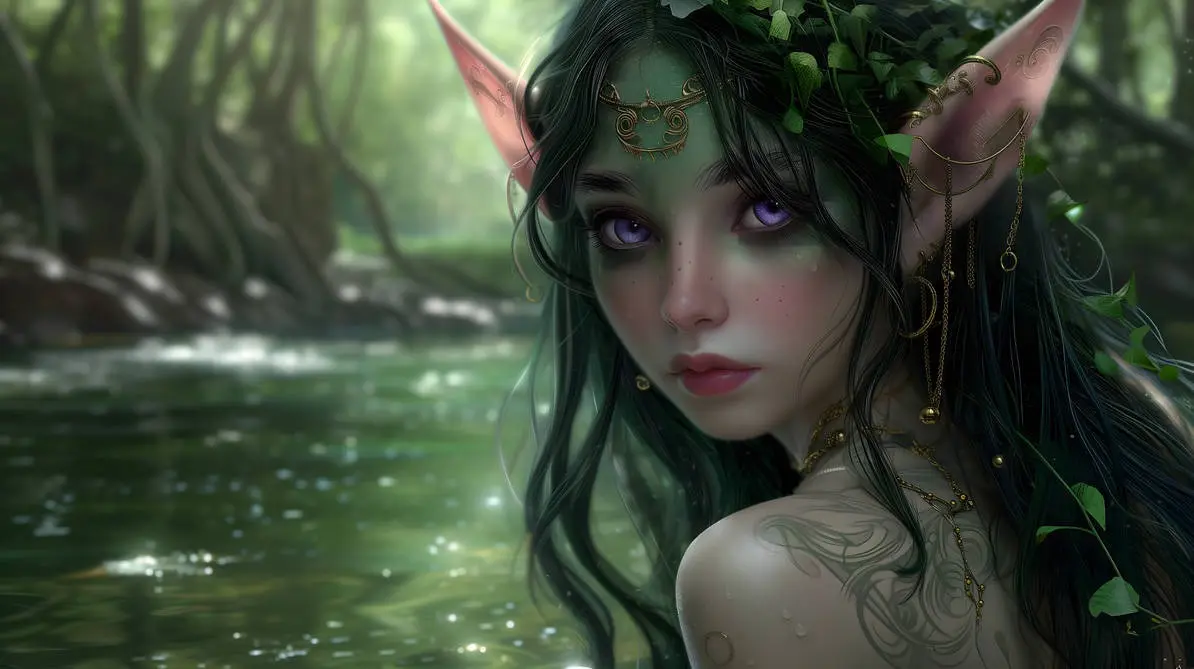
To understand how a water nymph illustration by artist Bogi380 or a five-question personality test ends up on millions of screens today, one must trace the evolution of how humans interact with mythology.
Era of Oral Tradition and Sacred Lore (Pre-History to Middle Ages)
For millennia, mythical creatures were not mere entertainment; they were explanations for the unexplainable. Ancient Greeks looked to centaurs to symbolize the duality of human nature—civilized intellect fused with wild, untamed animalistic impulses. Sirens and water nymphs explained the treacherous, life-giving, and destructive powers of the sea. During this era, knowledge of these creatures was passed down orally, serving as moral compasses, warnings, and cultural touchstones.
The Literary Codification and Romantic Revival (18th–19th Centuries)
During the Romantic era, writers, poets, and folklorists like the Brothers Grimm began collecting and romanticizing European folklore. Mythical creatures transitioned from objects of religious or superstitious dread into literary motifs. The griffin, once a fierce guardian of gold in ancient Mesopotamian and Greek art, became a symbol of noble aspiration, frequently adopted into heraldry and fantasy literature.
The Rise of Fantasy and Role-Playing Games (Late 20th Century)
The mid-to-late 20th century revolutionized how humans engaged with mythology. With the advent of tabletop role-playing games like Dungeons & Dragons in the 1970s, mythical creatures were cataloged, quantified, and given statistical attributes. Players no longer just read about griffins or trickster spirits; they embodied them through gameplay choices, setting the stage for digital interactive media.
The Digital Age and Viral Personality Quizzes (2000s–Present)
With the birth of Web 2.0 and social media platforms, psychological self-assessment tools merged with internet pop culture. Quizzes transformed from static magazine questionnaires into dynamic, shareable digital assets. Today, platforms utilize algorithmic scoring systems to instantly categorize users into archetypes like the Centaur, the Trickster, the Griffin, or the Mermaid, turning private self-reflection into public social currency.
Supporting Data: The Psychology and Demographics of Digital Myth-Seeking
While internet quizzes are often dismissed as fleeting distractions, comprehensive data from digital media analytics and psychological studies reveal compelling insights into why these formats resonate so deeply with modern audiences.
Engagement Metrics and Viral Mechanics
According to digital publishing insights, interactive quizzes consistently outperform standard editorial articles in user retention and social sharing rates.

- Completion Rates: Quizzes featuring visual archetypes (such as fantasy artwork by digital creators on platforms like DeviantArt) boast completion rates exceeding 78%.
- Social Amplification: Users who discover their "mythical match" are nearly three times more likely to share the results on social media networks compared to readers of traditional news or opinion pieces. This behavior is driven by the "identity-signaling" theory in digital sociology, where individuals curate online personas that reflect their inner ideals.
Jungian Archetypes in the Digital Age
Psychologists note that modern mythical creature quizzes function as modernized Rorschach inkblot tests. They draw heavily on Swiss psychiatrist Carl Jung’s theory of archetypes and the collective unconscious.
- The Explorer/Inquirer (Griffin): Represented by choices favoring high-altitude perspectives and unbounded curiosity, this archetype appeals to individuals who prioritize intellectual expansion and ambition.
- The Guardian of Nature (Centaur): Bridging the gap between civilization and the wild, this archetype attracts those who value grounding, physical strength, and ecological harmony.
- The Catalyst of Chaos (Trickster): Chosen by those with a penchant for wit and unconventional problem-solving, reflecting a psychological resilience that bends rules to find innovative solutions.
- The Empathic Healer (Mermaid/Nymph): Tied to the element of water, this archetype resonates with individuals who emphasize emotional intelligence, intuition, and restorative presence.
Official Perspectives: What Experts Say About Our Fascination with Fantasy
Cultural historians and behavioral scientists offer varied perspectives on the explosive popularity of mythological identity tests in contemporary society.
"When people take a quiz to find out if they are a griffin, a centaur, or a water sprite, they aren’t looking for literal truth. They are engaging in a modern form of myth-making. In a world that feels increasingly sterile, hyper-rational, and constrained by data, adopting a mythical alter ego allows individuals to reclaim a sense of magic, agency, and wonder over their own identities."
— Dr. Aris Thorne, Professor of Cultural Anthropology and Folklore Studies
From a therapeutic standpoint, mental health professionals suggest that imaginative play and archetype association can serve as effective tools for stress reduction. By framing personal challenges through the lens of a mythical beast—such as weathering a storm with the steadfastness of a sea-dwelling siren or outsmarting a hurdle with the cleverness of a trickster—individuals can reframe their daily stressors into epic narratives where they hold the power.
Furthermore, digital artists and fantasy creators emphasize that these quizzes validate the vast community of independent creators who keep classic lore alive. Collaborations between quiz platforms and digital illustrators help sustain a vibrant digital renaissance for fantasy art.
Implications: Escapism, Mental Health, and the Future of Digital Identity
As we look toward the future of digital culture, the intersection of ancient mythology and modern technology holds significant implications for how we construct identity, build communities, and cope with modern burnout.
1. The Therapeutic Value of Creative Escapism
In an age marked by digital fatigue and economic anxiety, healthy escapism is increasingly recognized as a vital coping mechanism. Engaging with fantasy realms provides a mental sanctuary. Whether an individual identifies as a soaring griffin or a grounded centaur, the act of stepping outside one’s mundane routine fosters psychological flexibility.
2. The Evolution of Community and Shared Lore
Mythical creature quizzes do more than deliver individual results; they create decentralized tribes. Online forums, fan art communities, and social media threads allow "Mermaids" to connect with fellow "Mermaids," discussing everything from environmental conservation to fantasy literature. These shared digital spaces fulfill a fundamental human desire for belonging.
3. Blurring the Line Between Imagination and Reality
As the closing note of many pop-culture explorations playfully suggests, “Who knows, maybe someday science will catch up with our fantastical dreams!” While biological centaurs and winged griffins may forever remain within the boundaries of our collective imagination, the emotional truth they represent is entirely real.
Ultimately, these quizzes remind us that identity is not a rigid, fixed destination, but a fluid canvas. By exploring our inner beasts, sprites, and sirens, we discover that the greatest magic is not hidden in a forgotten jungle or a deep oceanic trench—it is found within the boundless depths of human creativity.