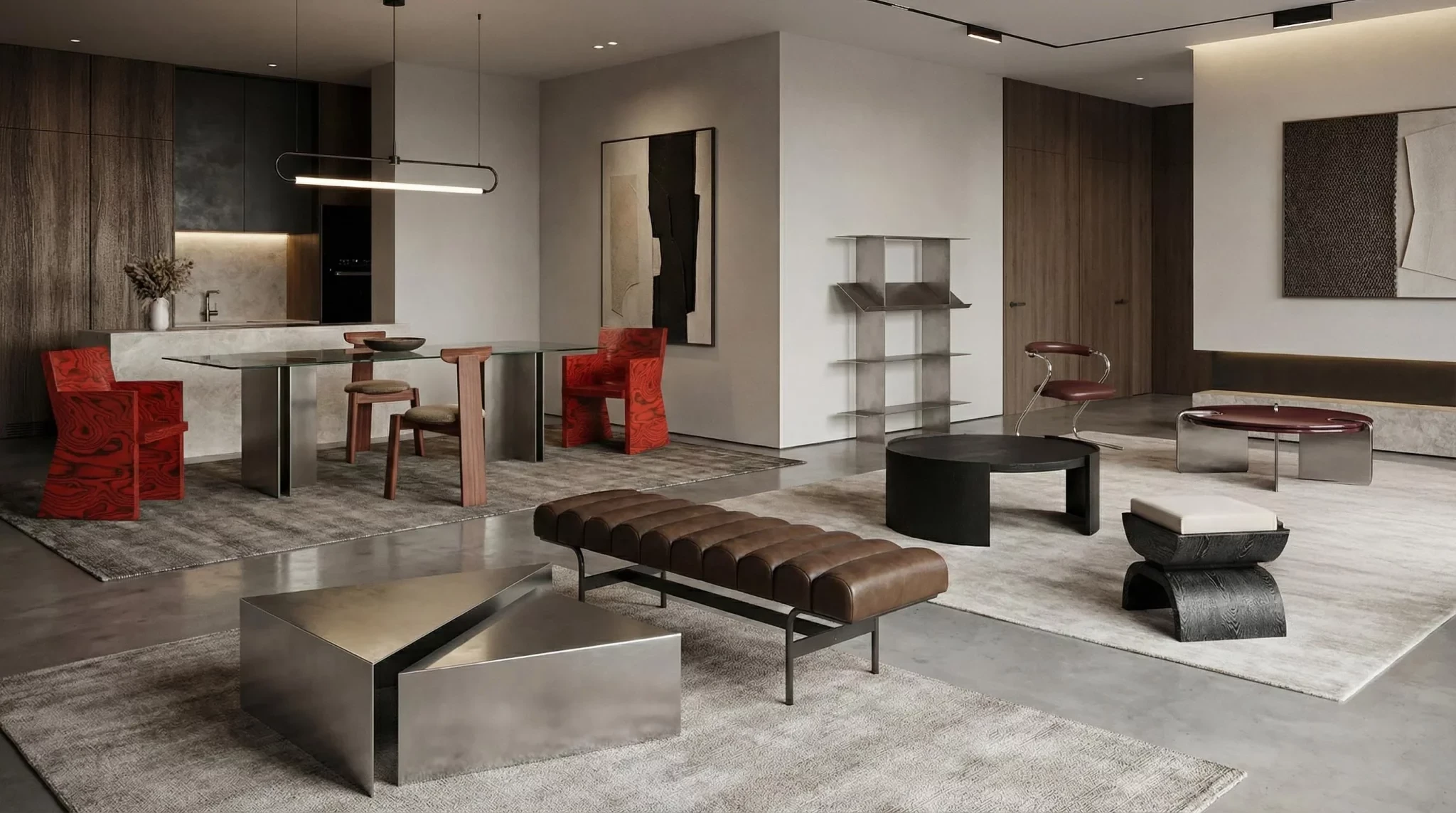
Studio Visit — No. 07: A deep dive into the Türkiye-based design practice turning architectural constraints into bespoke, heirloom furniture.
Main Facts
In an era dominated by mass production, algorithmic trend cycles, and flat-packed convenience, a quiet counter-movement is taking root in Türkiye. Regen Studio, an emerging furniture brand and design practice, is redefining what it means to create functional objects for contemporary living. Founded by an architect, the studio operates entirely outside the ecosystem of industrial scale, choosing instead to focus on made-to-order, highly artisanal pieces that blur the line between collectible art and functional architecture.
Rather than beginning with a marketing launch or a commercial product line, Regen Studio was born out of continuity. Its signature aesthetic emerged organically across various architectural projects, where the founder routinely designed custom furniture to solve unique spatial dilemmas. Eventually, a distinct design language—defined by mid-century modern sensibilities, textural richness, and structural rigor—became too prominent to ignore.
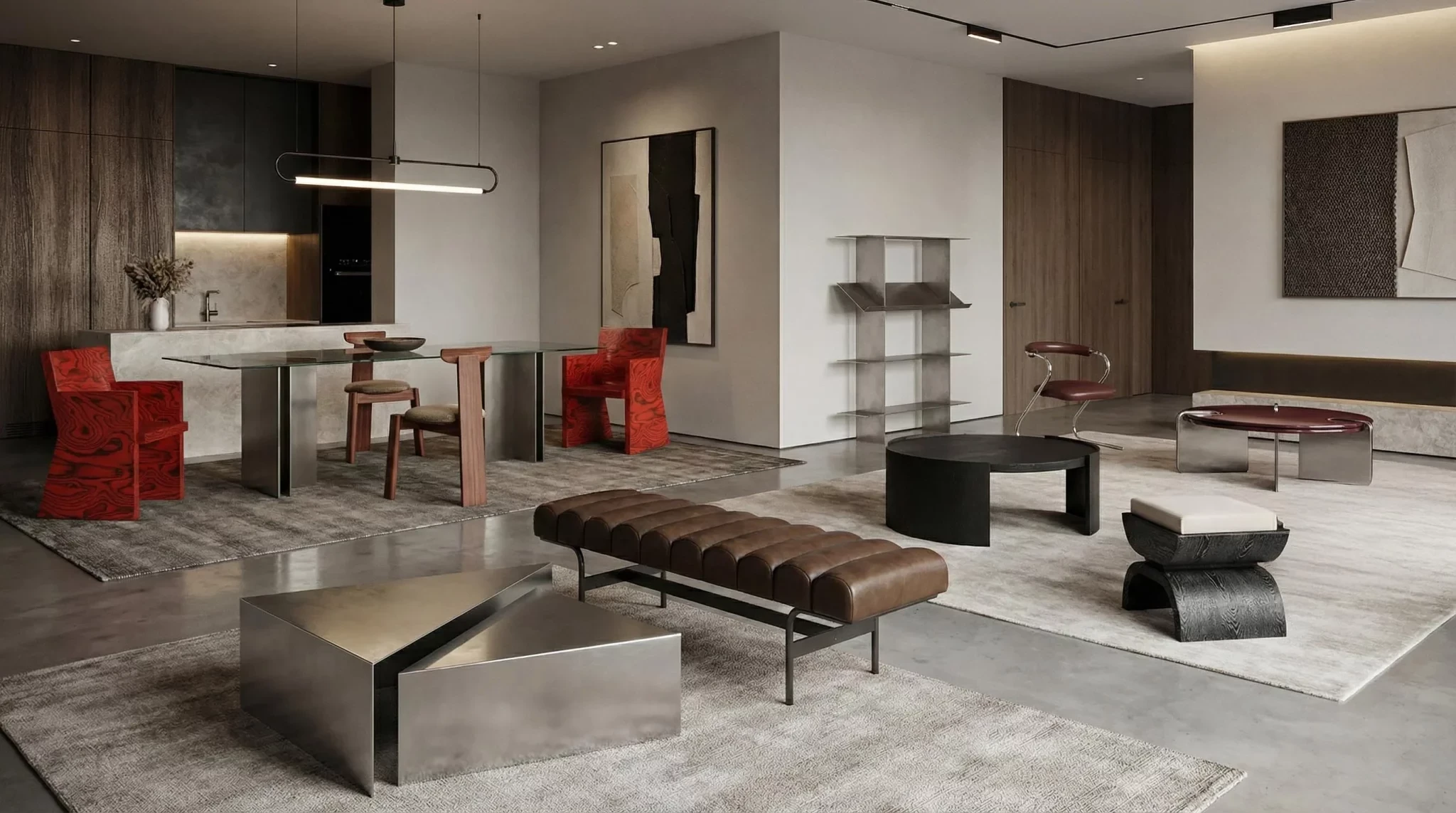
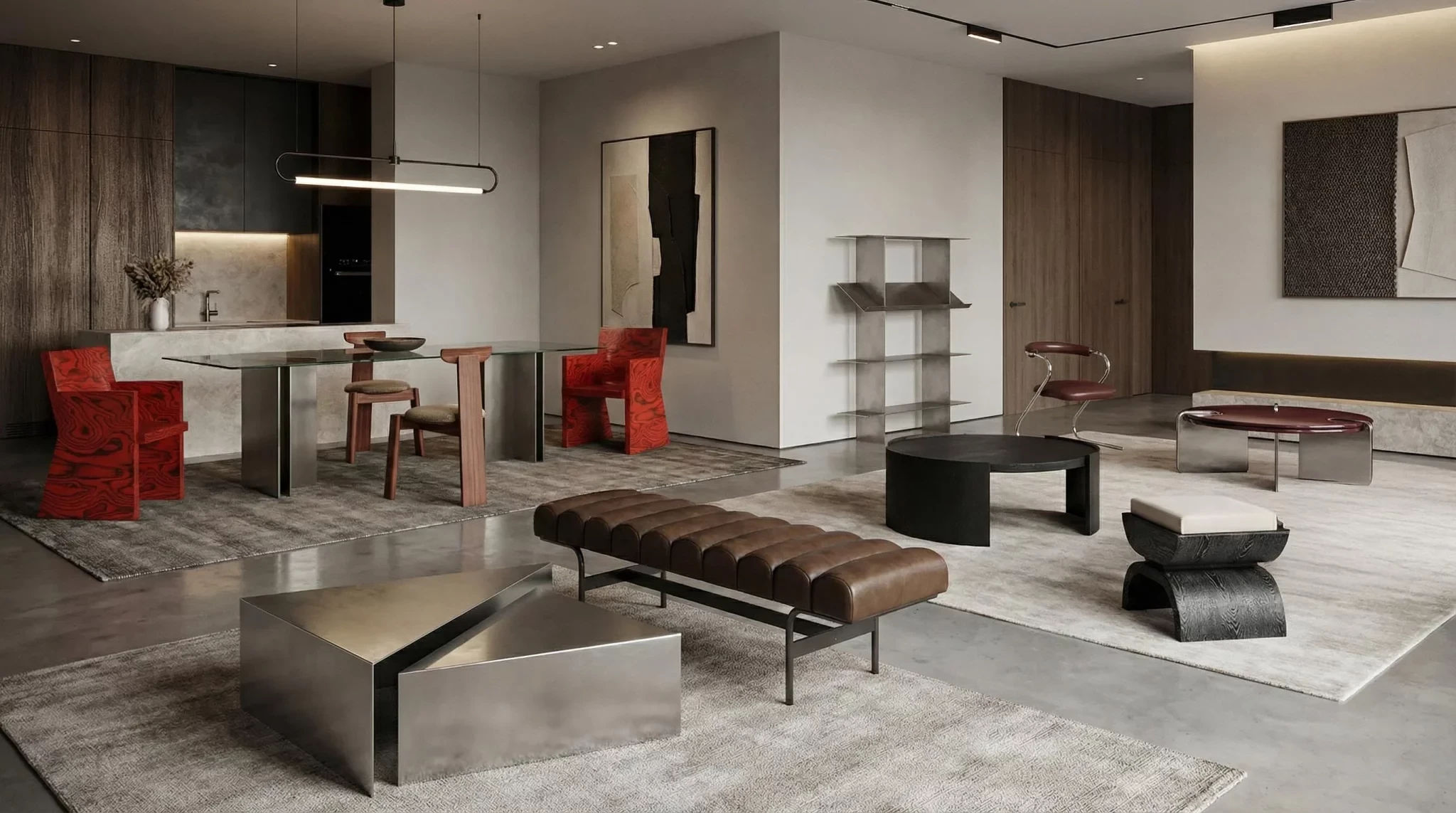
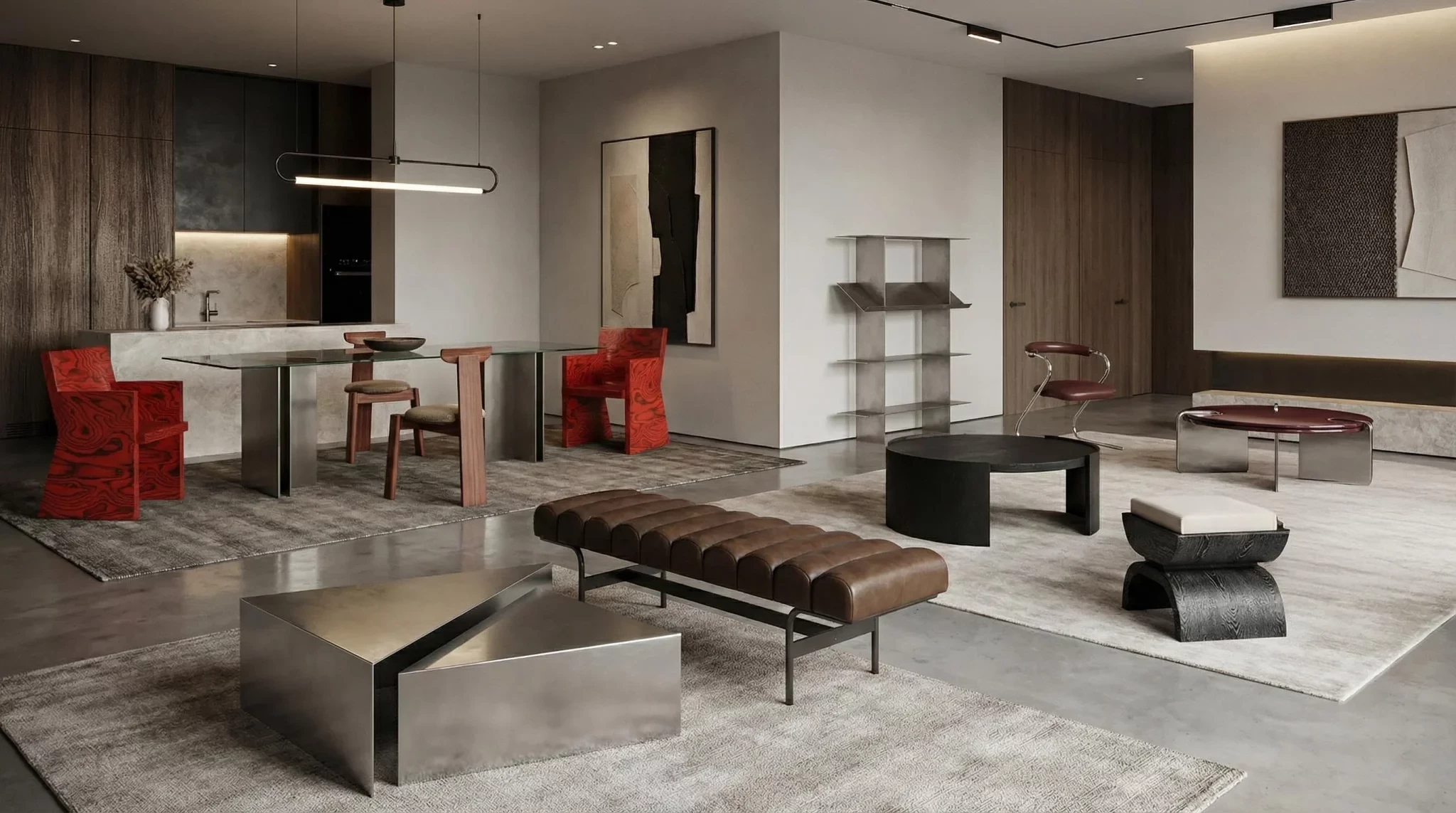
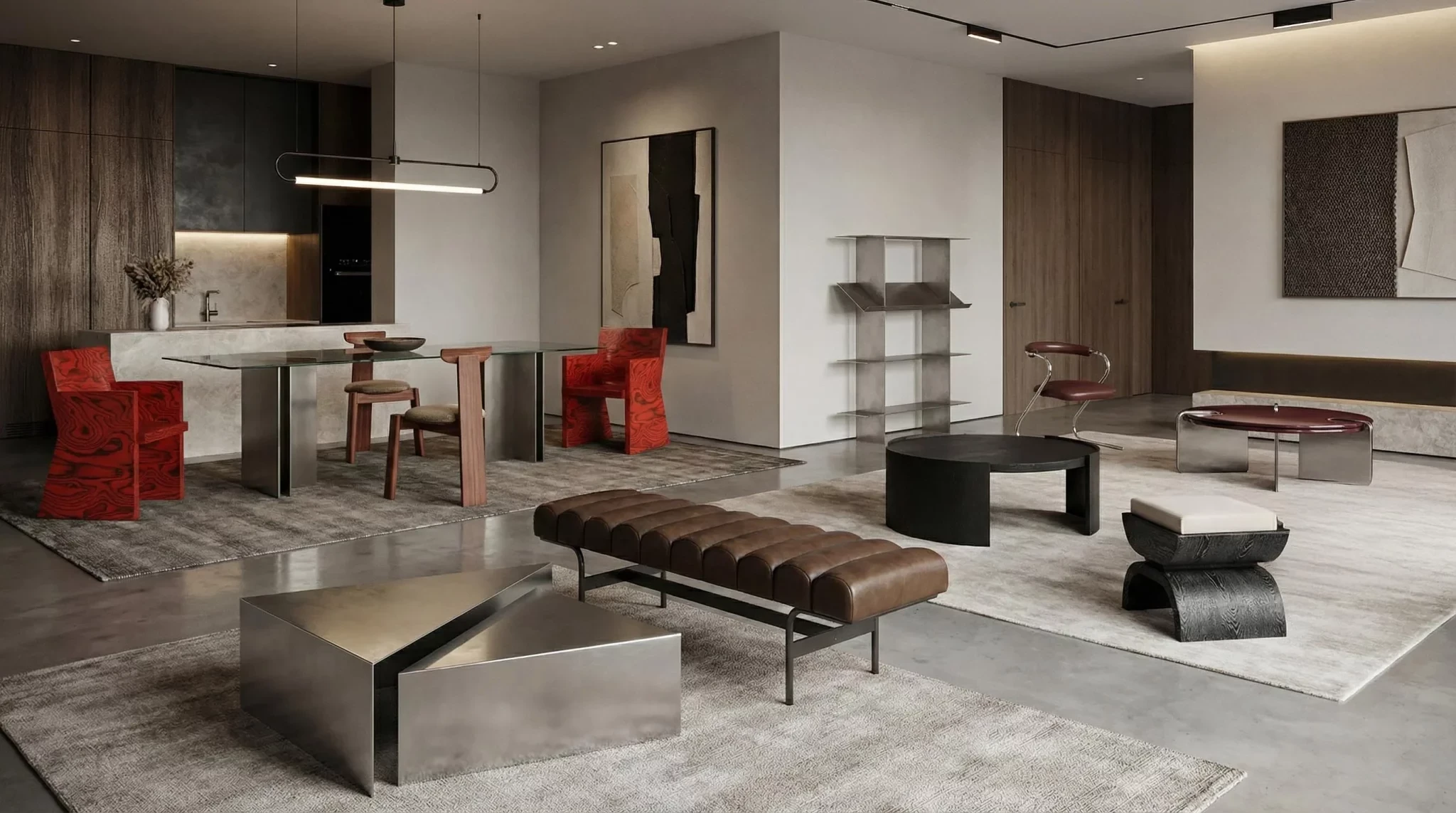
Operating on a strictly made-to-order model, the studio collaborates closely with local Turkish artisans, ensuring that every table, chair, and spatial element is crafted once, crafted well, and built to last. Among their standout pieces is the Kira chair—a root veneer statement piece finished in a bold red polish that encapsulates the brand’s philosophy: sculptural, restrained, and deeply architectural.
Chronology: From Spatial Problem-Solving to an Independent Practice
The trajectory of Regen Studio offers a compelling look at how modern design practices can evolve organically rather than by corporate design.
Phase 1: The Architectural Genesis
For years, the studio’s founder worked primarily as an architect. Within the scope of traditional architectural commissions, client briefs frequently demanded bespoke solutions—a credenza that fit an awkward corner, a dining chair that echoed the lines of a sunken living room, or a table material that could anchor a cavernous open-plan space. Furniture was never viewed as an afterthought or a catalog accessory; it was treated as an extension of the building itself. Over time, these individual problem-solving exercises began to accumulate a shared logic, yielding consistent proportions, material choices, and spatial instincts.
Phase 2: Naming the Continuity
As the architectural portfolio grew, the recurrence of this distinct design philosophy reached a critical mass. The founder faced a choice: continue burying these bespoke furniture designs within individual architectural projects, or extract them into an independent entity. Opting for the latter, the studio was officially established to give this continuity a formal name and structure. Free from the specific constraints of individual client briefs, Regen Studio was born to let its design language evolve wherever its internal logic led.

Phase 3: Establishing the Maker Network
With the studio formally established, the next critical milestone involved forging deep partnerships with local craftsmen in Türkiye. Rejecting the efficiencies of automated factories, Regen integrated handcraft into the absolute core of its production model. This phase established the studio’s operational rhythm: meticulous architectural planning followed by intensive, iterative workshop collaboration, culminating in limited-production, made-to-order furniture pieces delivered globally within a concise two-to-four-week window.
Supporting Data & Design Methodology
To understand Regen Studio, one must examine the intersection of architectural discipline and material exploration that governs every piece leaving its workshops.
The Architectural Blueprint of Furniture
In the studio’s worldview, furniture is architecture scaled down to a human touchpoint. The foundational questions remain identical:
- How does an object occupy space?
- How do proportions dictate human comfort and psychological ease?
- How does a physical form hold or release the atmospheric energy of a room?
By answering these grand spatial questions through tactile materials—rich woods, tactile metals, and nuanced color finishes—Regen bridges the gap between macro-environment and micro-detail.
Drawing from the Past, Reimagining the Present
The studio’s aesthetic leans heavily on the tenets of mid-century modern design. It shares that era’s reverence for organic forms, functional clarity, and honest material expression. However, Regen avoids the trap of nostalgic replication. Instead, the practice actively hunts for forgotten techniques and sidelined materials—methods once standard in traditional woodworking and metalwork that were discarded in favor of industrial speed.
By filtering these historical techniques through a contemporary design lens, Regen creates a living dialogue between past and present. The materials are familiar, but their execution, context, and emotional resonance belong strictly to the twenty-first century.
The Iterative Process and the Power of Constraint
Every Regen Studio piece starts with context. Before a single line is drawn or a material selected, the studio analyzes how the object will inhabit a room and what emotional atmosphere it needs to foster.

The design process is intensely iterative. Sketches, scale models, and digital renderings are tested against the physical realities of the workshop. Craftsmanship is treated as an active participant in design, not a passive finishing step; the capabilities and limits of the artisan’s hands directly shape the final character of the object.
Crucially, Regen embraces constraints. Many of the studio’s most iconic forms originated under real-world pressure during past architectural projects—tight deadlines, difficult spatial footprints, or strict material availability. Rather than viewing these parameters as creative roadblocks, Regen treats them as catalysts for precision, pushing the practice toward more thoughtful, refined solutions.
Official Statements and Philosophy
While Regen Studio’s physical outputs speak volumes, the studio’s guiding philosophy articulates a clear rejection of modern disposable culture. In statements regarding their creative ethos, studio representatives emphasize that true collectible design must transcend transient trends.
"Furniture is not separate from architecture; it is an extension of the same thinking," notes the studio’s founding architect. "Proportion, spatial relationships, and the way an object holds or releases the atmosphere of a room are architectural questions answered in wood, metal, color, and texture."
Furthermore, the studio has been vocal about the psychological relationship between humans and their living spaces. Discussing their flagship piece, the Kira chair, the studio describes it not merely as a seat, but as "a mirror of the person who lives with it." This perspective underscores a core belief: that objects in a home should possess quiet confidence. They should command a room’s attention without resorting to loud, superficial gimmicks.
By partnering exclusively with skilled local artisans in Türkiye, the studio also makes an implicit statement about labor, sustainability, and regional craft preservation. In a globalized market that obscures the origin of goods, Regen champions radical transparency and human-centric production.
Implications for the Future of Design and Collectible Interiors
Regen Studio’s emergence points toward broader, significant shifts within the contemporary interior design and architecture landscape.

1. The Fatigue of Mass-Customization
For the past decade, the design market has been flooded by "mass-customization"—the illusion of unique choices built on top of mass-produced flat-pack frameworks. Regen Studio’s success signals a growing consumer and designer fatigue with this model. Discerning clients increasingly seek out true provenance, tangible human touch, and objects with a discernible narrative origin.
2. The Blurred Boundaries of Architecture and Interiors
By treating furniture as architectural scale, Regen highlights a growing trend where interior architecture and furniture design are no longer treated as separate disciplines. Architects are increasingly stepping into product design to maintain total control over spatial narratives, ensuring that the objects inhabiting a room share the exact same DNA as the walls enclosing them.
3. Regional Craft as a Global Asset
Based in Türkiye—a crossroad of historical trade routes, rich textile traditions, and diverse woodworking heritages—Regen Studio demonstrates how localized craft ecosystems can leverage global digital infrastructure. By keeping production local to regional artisans while marketing to an international clientele, the studio preserves endangered traditional techniques while securing their economic viability in a modern global economy.
Spec Sheet & Studio Spotlight: The Kira Chair
For those looking to understand the tangible output of this rigorous philosophy, the Kira Chair serves as the definitive case study.
- Product Name: Kira Chair
- Designer / Brand: Regen Studio
- Origin: Made in Türkiye by skilled local artisans
- Materials & Construction: Root veneer surface, wood veneer structural construction, customisable premium polish options (featured in a striking bold red polish).
- Dimensions: 88 cm (Height) × 56 cm (Width) × 63 cm (Depth)
- Production Model: Handcrafted, made to order.
- Lead Time: 2–4 weeks.
- Design Assessment: Possessing the proportions of something considered at an architectural scale, the Kira chair is confident and sculptural. It is a piece designed specifically to anchor a room rather than fit into a retail catalog—quietly shaping the atmosphere around it and refusing to be ignored.