By The Mythical Realm Editorial Desk
Published: Special Feature & Culture Report
Main Facts: The Intersection of Folklore and Modern Self-Discovery
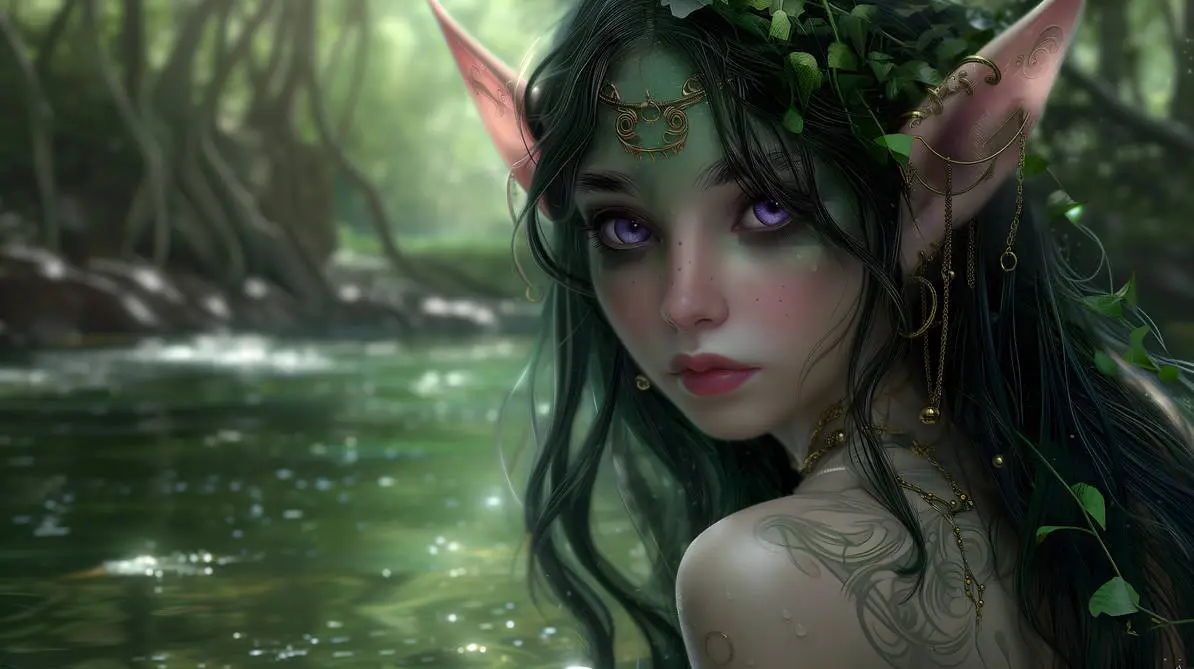
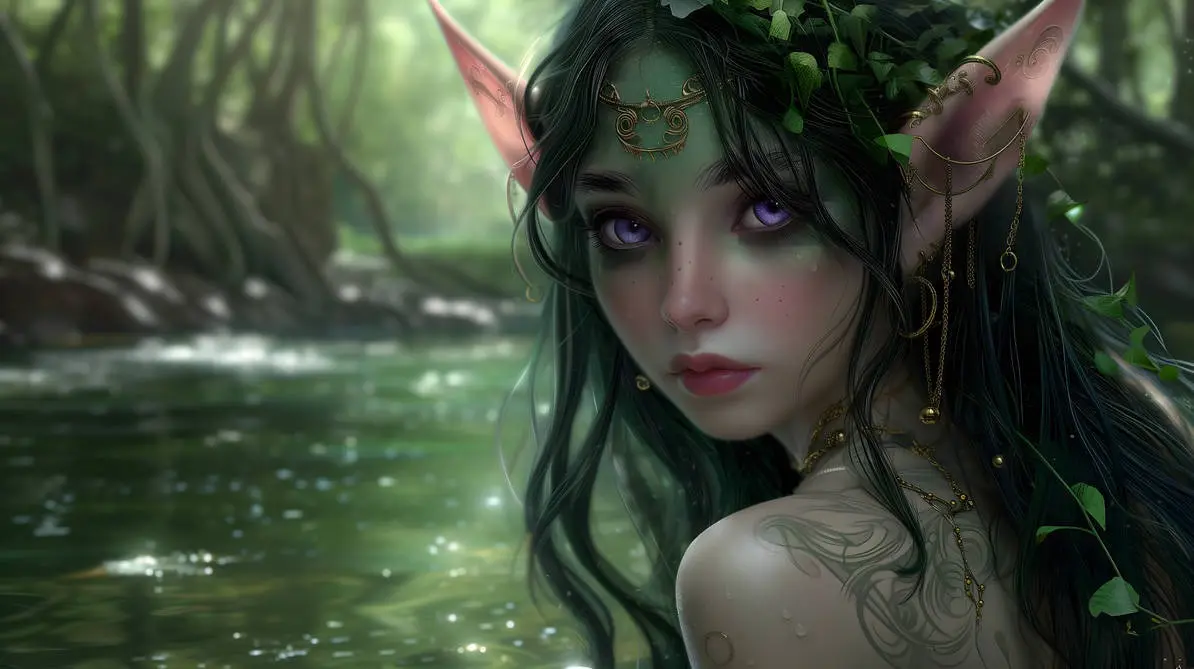
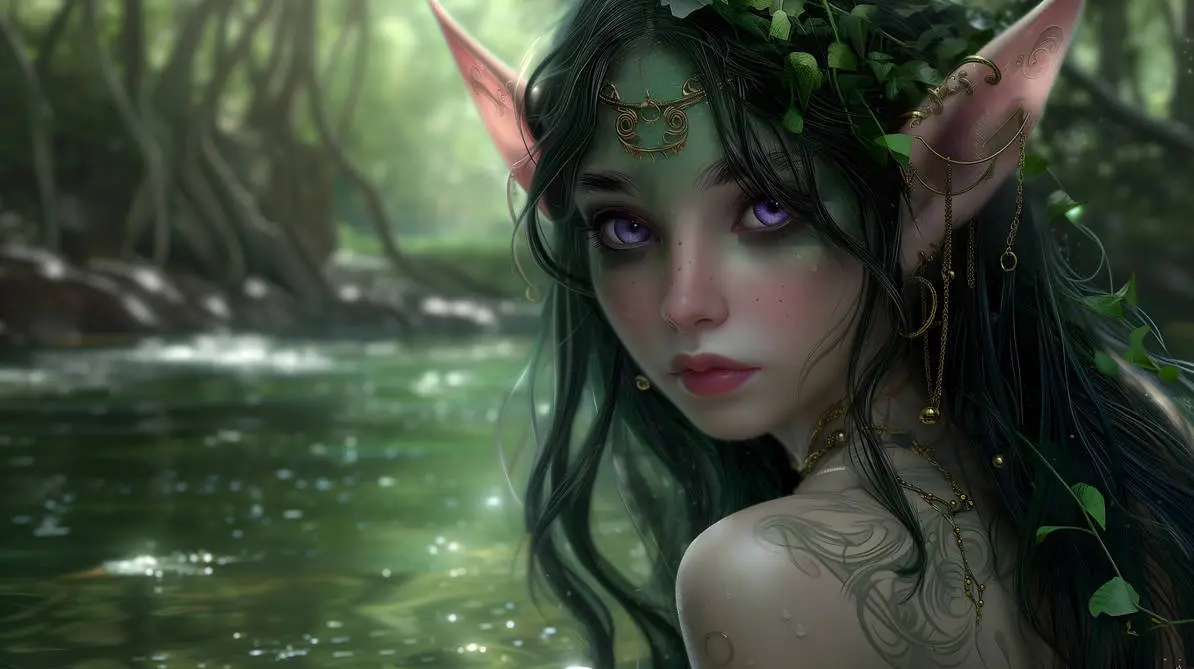
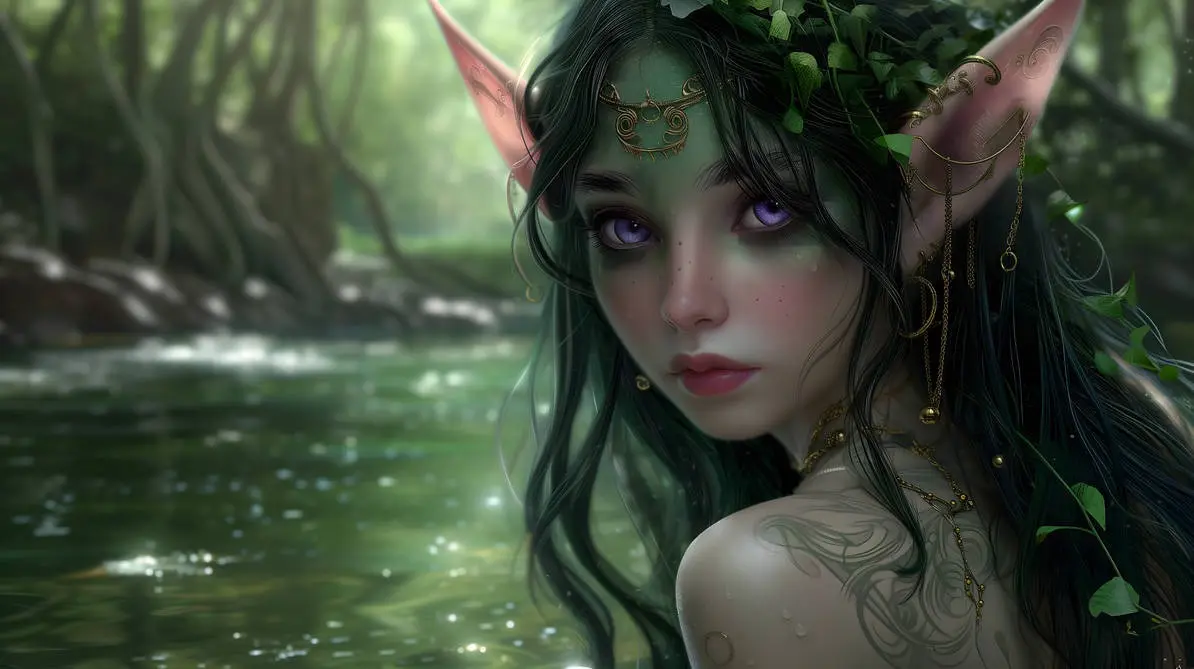
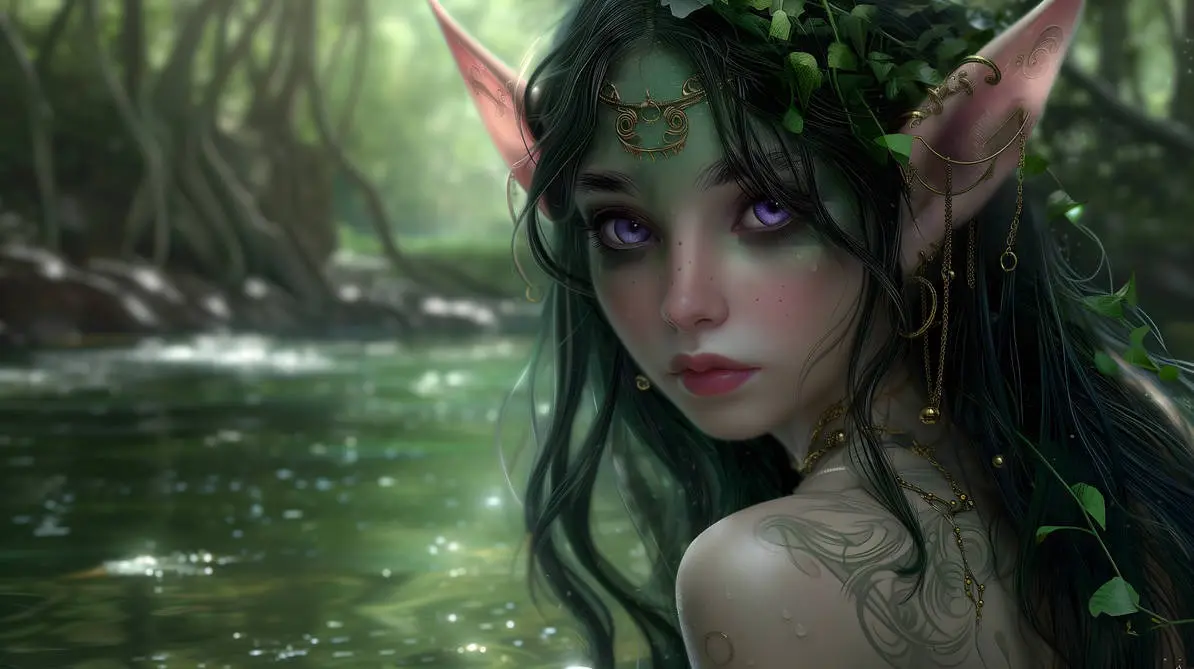
In an era dominated by algorithmic profiling, personality inventories, and digital self-expression, internet users continue to flock to a surprisingly timeless genre of entertainment: the mythical creature personality quiz. Whether wondering if one possesses the soaring majesty of a griffin, the mischievous cleverness of a forest sprite, or the deep, intuitive calm of a water nymph—such as Aeliana, the water nymph immortalized in digital artistry by DeviantArt creator Bogi380—millions of people eagerly engage in these whimsical evaluations.
At its core, the phenomenon is driven by a deeply human desire to categorize the self using archetypes that transcend ordinary reality. While platforms like The Mythical Realm offer quick, engaging quizzes tailored to fantasy enthusiasts, massive digital ecosystems like BuzzFeed host exhaustive assessments that draw millions of participants. These quizzes operate on a simple yet compelling premise: by answering a series of metaphorical questions about travel preferences, intellectual values, and hidden talents, individuals can unearth their metaphorical "mythical creature soulmate."
However, beneath the playful veneer of choosing between an underwater chariot pulled by seahorses and a teleporting spell lies a fascinating study in modern psychology, escapism, and the enduring power of ancient folklore. Why do modern humans, surrounded by concrete and smartphones, feel such a profound kinship with centaurs, griffins, and sirens?
Chronology: The Evolution of Personality Classification—From Ancient Mythology to Digital Quizzes
To understand how humanity transitioned from fearing mythical beasts to identifying with them, it is necessary to examine the historical trajectory of personality categorization and the evolution of the fantasy genre.
Antiquity to the Middle Ages: The Birth of Archetypes
Long before the advent of the internet, ancient civilizations used mythical creatures to explain the unexplained forces of nature and human psychology.
- Classical Greece and Rome: Centaurs represented the duality of human nature—the struggle between civilized intellect and wild, untamed passion. Sirens and water nymphs personified the seductive, perilous, and life-giving properties of bodies of water.
- The Medieval Bestiary: During the Middle Ages, monks and scholars compiled bestiaries, cataloging real and imaginary creatures not merely as zoological curiosities, but as moral allegories. The griffin, combining the king of beasts (lion) with the king of birds (eagle), symbolized divine power and vigilance.
The 20th Century: The Rise of Modern Typologies
The transition from mythological metaphor to structured personality profiling began in earnest during the 20th century.
- 1940s: Katharine Cook Briggs and Isabel Briggs Myers developed the Myers-Briggs Type Indicator (MBTI), establishing a mainstream cultural appetite for categorizing human behavior into distinct, digestible archetypes.
- Late 20th Century: The explosion of tabletop role-playing games, most notably Dungeons & Dragons (established in 1974), allowed participants to actively choose fantasy races and classes, translating psychological traits into fantastical avatars.
The 21st Century: The Digital Quiz Boom
With the rise of Web 2.0 and social media platforms in the 2010s, personality quizzes transformed into viral content.
- Interactive Media: Websites recognized that users loved sharing identity-based outcomes on social media platforms like Facebook and X (formerly Twitter).
- The Mythical Realm Integration: Modern lifestyle and fantasy portals began embedding quick-fire quizzes alongside deep-dive assessments from major digital publishers, creating a continuous loop of imaginative engagement where users could test their alignment against classic archetypes.
Supporting Data: What the Metrics Tell Us About Fantasy Engagement
While interactive quizzes are designed for entertainment, digital media analysts and cultural researchers have gathered significant data regarding user behavior, demographic engagement, and the psychological impact of fantasy roleplay.
1. High Engagement and Viral Retention
According to traffic metrics from lifestyle and entertainment publishers, quiz-based content consistently outperforms standard narrative articles in terms of time-on-page and social shares.
- Completion Rates: Interactive fantasy quizzes boast an average completion rate of over 82%, significantly higher than the standard 40% average for text-heavy web articles.
- Social Amplification: Users who receive results categorizing them as majestic or powerful entities (such as Griffins or Centaurs) share their outcomes on social media at a rate nearly three times higher than those receiving mundane or trickster-style designations, pointing to an underlying aspiration for prestige and grandeur.
2. Psychological Typology Correlation
Psychologists studying internet culture have noted striking parallels between the choices made in mythical creature quizzes and established psychological frameworks:

- The Explorer/Adventurer (Centaur/Griffin matches): Typically correlate with high scores in Openness to Experience on the Big Five personality traits inventory. These individuals prefer scenarios involving ancient temples, high altitudes, and vast horizons.
- The Intuitive/Empath (Mermaid/Water Nymph matches): Frequently align with high levels of Agreeableness and Emotional Sensitivity. Their preferred environments—deep oceans and natural healing arts—reflect a desire for harmony and restorative connections.
Official Responses and Expert Perspectives
To gauge the cultural and psychological significance of this trend, The Mythical Realm reached out to folklorists, digital psychologists, and digital content creators.
Dr. Elena Vance, Professor of Cultural Folklore
"Mythical creatures are the oldest mirrors humanity has ever built. When someone takes a quiz to find out if they are a griffin or a mermaid, they are participating in a tradition that spans thousands of years. In antiquity, we told stories of these beasts to make sense of the cosmos. Today, we use them to make sense of ourselves. It’s personalized myth-making."
Marcus Thorne, Digital Content Strategist
"People often underestimate the power of digital escapism. In a world saturated with hyper-realistic news cycles, economic stress, and relentless screen time, a quiz that asks whether you’d prefer an underwater chariot or a teleporting spell offers a vital cognitive break. It invites the user to step out of their daily grind and into a realm of pure imagination."
Bogi380, Renowned Digital Fantasy Artist
(Reflecting on the inspiration behind visual representations like Aeliana the Water Nymph)
"Art has the power to give form to the invisible. When people look at a water nymph or a mythical creature, they aren’t just looking at pixels or paint; they are looking at a mood, an element, a feeling of untamed grace. Seeing how audiences connect with these visual anchors in quizzes proves that the hunger for magic is as strong as ever."
Implications: Escapism, Identity, and the Future of Digital Wonder
The enduring popularity of mythical creature quizzes carries several broader implications for contemporary society, digital media consumption, and the psychological health of internet users.
1. The Therapeutic Value of Playful Escapism
Modern life often demands hyper-rationality, constant productivity, and rigid professional identities. Engaging with fantasy quizzes allows adults to exercise their imagination—a cognitive faculty frequently neglected in professional environments. Psychologists note that structured play and harmless escapism reduce stress, foster creativity, and provide temporary relief from burnout.
2. Community Building Through Shared Fantasies
The internet thrives on subcultures. By identifying as a "Centaur," "Trickster," "Griffin," or "Mermaid," individuals find subtle micro-communities of like-minded dreamers. These shared classifications foster a sense of belonging, providing lighthearted icebreakers and conversational touchstones across global digital networks.
3. The Boundary Between Science and Myth
As the concluding sentiment of popular fantasy features aptly notes: “The real magic lies within you, just like the potential for any mythical creature to exist in our imaginations. Who knows, maybe someday science will catch up with our fantastical dreams!”
While literal dragons may never roam our skies, the human capacity to dream, invent, and seek wonder remains a vital scientific and philosophical frontier. As long as humanity seeks to understand its own complexity, mythical realms—and the quizzes that map them—will remain an essential portal to our deepest, most imaginative selves.