WASHINGTON — Long before the advent of synchronized digital calendars, push notifications, and glowing smartphone screens, humanity’s primary timekeeper hung quietly in the night sky. For millennia, Indigenous peoples across North America looked upward, treating the lunar cycle not merely as an astronomical curiosity, but as an essential, living ecological clock.
By tracking the phases of the moon alongside the subtle, rhythmic shifts of the natural world, Indigenous communities developed sophisticated timekeeping systems. They assigned each full moon a distinct, evocative name rooted in environmental observation. While modern society rarely relies on the lunar cycle to anticipate the howling of midwinter wolves or the emergence of spring earthworms, these names persist. Today, they serve as a vital bridge connecting contemporary stargazers to centuries of Indigenous wisdom, ecological stewardship, and cultural heritage.
The Algonquian Foundation and Colonial Adaptation
The full moon nomenclature most widely recognized in contemporary popular culture—including monikers like the Wolf Moon, Pink Moon, and Beaver Moon—derives primarily from the Algonquian language family. Historically, Algonquian-speaking tribes inhabited vast regions stretching from the Atlantic coast of New England all the way to the rugged shores of Lake Superior.
As European settlers arrived and established colonies in North America, they encountered complex, localized systems of environmental tracking. Lacking their own immediate familiarity with the North American climate, flora, and fauna, these settlers largely adopted and adapted Indigenous lunar terms. This cultural synthesis created a lasting, if sometimes obscured, bridge between Native American ecological knowledge and European-influenced record-keeping.
Among the Algonquian peoples, the Ojibwe (also widely known as the Chippewa) represent one of the largest tribes in the Great Lakes basin. The Ojibwe have played an instrumental role in preserving these lunar traditions. Historically renowned for their mastery of birchbark canoes, intricate birchbark scrolls, early copper mining and trade, and the meticulous seasonal harvesting of wild rice and maple syrup, the Ojibwe timed their survival strategies precisely to the movements of the moon.
Chronology and the Lunar Calendar System
Unlike the rigid, solar-based Julian and Gregorian calendars that dictate modern life, traditional Indigenous timekeeping was fluid, localized, and deeply connected to environmental realities. In Anishinaabe tradition, Nookomis Dibik-Giizis (Grandmother Moon) is regarded as a primary teacher. Rather than forcing the natural world into standardized 30- or 31-day blocks, traditional calendars flowed with the rhythms of the earth.
A Flexible Framework of Time
- The Season Count: While some tribes divided the year neatly into four seasons—mirroring European concepts—others recognized five distinct seasons.
- The Moon Count: Depending on the tribal community and geographic region, a year might be calculated as consisting of 12 moons or 13 moons.
- Regional Variability: Because climate and geography varied drastically from the southeastern woodlands to the northern plains, the timing of ecological events—such as the first spring thaw or the ripening of berries—dictated when a specific "moon" officially began.
This inherent flexibility ensured that tribal calendars were never abstract mathematical exercises; they were practical, responsive survival guides finely tuned to specific local ecosystems.
Supporting Data: The Cycle of the Twelve Moons
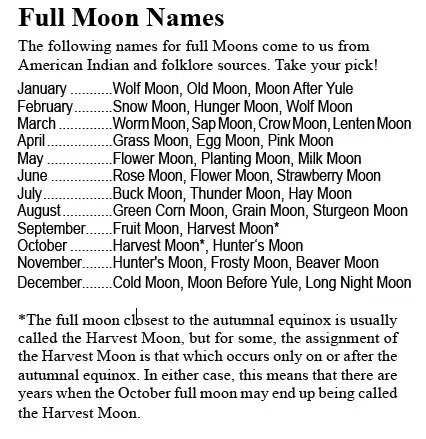
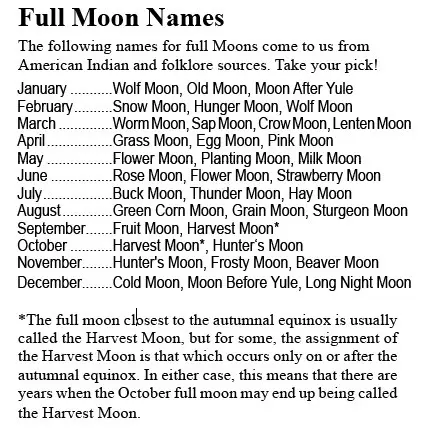
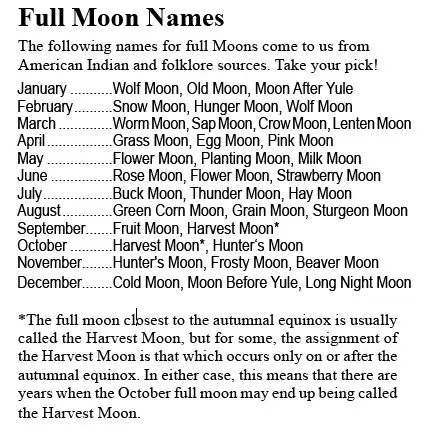
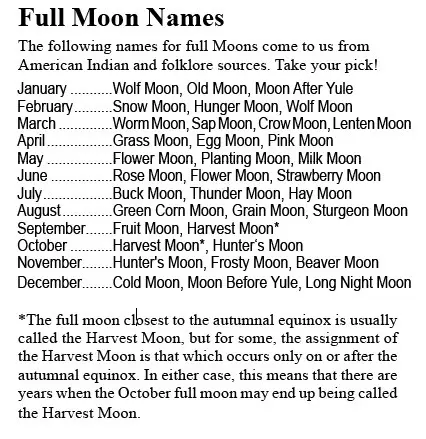
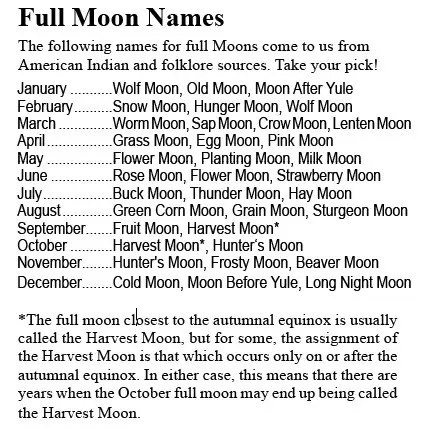
The traditional names assigned to the full moons form an annual narrative of survival, adaptation, and abundance.

Winter Moons: Survival and Endurance
- January – The Wolf Moon: Often attributed to the haunting sound of hungry wolf packs echoing through deep winter nights, this name carries both Celtic and Old English roots brought over by settlers. Simultaneously, many Native American tribes utilized terms like the Severe Moon or Center Moon, capturing the brutal reality of midwinter.
- February – The Snow Moon / Hunger Moon: February represents winter at its peak intensity. While some tribes designated it the Hunger Moon due to depleted food stores, others called it the Bear Moon, marking the birth of bear cubs. The Ojibwe traditionally named this moon after the sucker fish, which served as a critical resource for winter survival.
Spring Moons: Renewal and Growth
- March – The Worm Moon: As winter loosens its grip, the ground softens, earthworm casts reappear, and migratory birds return. Northern tribes frequently knew this as the Full Crow Moon, signaling the end of winter via the cawing of returning crows. Other regional names included the Snow Crust Moon and the Sap and Sugar Moon, marking the start of maple syrup collection.
- April – The Pink Moon: Named after the vibrant pink phlox wildflowers that carpet parts of North America in early spring. The Ojibwe often tracked this period as the maple sap boiling moon. Other nations referenced the dramatic shift in the landscape with names like the Breaking Ice Moon and The Moon of the Red Grass Appearing.
Summer Moons: Abundance and Activity
- May – The Flower Moon: Representing spring in full bloom, May’s moon names celebrate burgeoning plant life and the critical window for planting corn.
- June – The Strawberry Moon: Signaling the ripening of wild strawberries, this moon was recognized by the Ojibwe and numerous other tribes with the same unifying name. Coastal communities frequently referred to it as the Fish Moon, noting the annual upstream migration of shad.
- July – The Buck Moon / Thunder Moon: Male deer grow their antlers at maximum speed during this month, inspiring the Buck Moon designation. Frequent summer storms also earned it the title Thunder Moon.
- August – The Sturgeon Moon: Centered around the peak catch of sturgeon, particularly for communities surrounding the Great Lakes and Lake Champlain. For the Anishinaabe, this period was sacredly known as Manoomini-giizis—the wild rice harvesting moon, an activity holding immense cultural and nutritional weight.
Autumn Moons: Harvest and Preparation
- September – The Harvest Moon: The full moon closest to the autumnal equinox, signaling that foundational staples like corn, pumpkins, squash, beans, and wild rice are finally ready for gathering.
- October – The Hunter’s Moon: With crops harvested and forest canopies thinning, game animals fattened from the summer months were more easily tracked, making this the optimal hunting season.
- November – The Beaver Moon: Signaled the traditional window for setting beaver traps before swamps froze solid, ensuring communities secured warm pelts for the coming freeze. It also honored the intense structural preparations undertaken by beavers ahead of winter.
- December – The Cold Moon: Marked by heavy snows, plummeting temperatures, and the longest nights of the year, rendering hunting perilous and locking the northern landscape in deep winter.
Official Perspectives and Cultural Stewardship
In recent decades, historians, indigenous leaders, and folklorists have increasingly emphasized the importance of recognizing the complex origins of these lunar names. Organizations such as The Old Farmer’s Almanac—which has published these traditional names since the late 18th century—helped preserve them for the general public, but modern cultural stewards stress that these monikers are far more than poetic, decorative labels.
Linguists and anthropologists point out that with over 576 federally recognized Native American tribes in the United States alone—alongside numerous First Nations in Canada—the diversity of lunar observation is staggering. Each community maintained a specialized lexicon dictated by its environment.
Furthermore, contemporary Anishinaabe communities continue to utilize traditional lunar calendars, such as Gookomisinaan dibik-giiziso-mazina’igan, maintaining an unbroken, living link to ancestral knowledge. This active preservation stands in stark contrast to the rigid, standardized timekeeping of the modern industrial world.
Implications: Climate Change and Modern Relevance
The revival of interest in traditional moon names carries profound implications for contemporary environmental science and cultural awareness.
Adapting to a Changing Climate
Indigenous communities note that traditional ecological knowledge (TEK) is inherently dynamic. As global climate shifts alter seasonal markers—such as maple sap running earlier in the year or wild rice yields fluctuating due to changing weather patterns—tribal communities are observing how these shifts impact traditional lunar calendars. This adaptability underscores that Indigenous timekeeping systems were never static; they were designed to respond dynamically to environmental feedback loops.
Reconnecting with Nature
For modern nature enthusiasts and stargazers, adopting a mindful approach to the lunar cycle offers tangible benefits:
- Ecological Observation: Tracking the moon alongside local flora and fauna encourages a deeper, place-based awareness of seasonal transitions.
- Cultural Respect: Using traditional names carries a responsibility to acknowledge their Indigenous origins and support the sovereignty and wisdom of local tribal nations.
- Decelerating Time: Moving away from hyper-scheduled digital calendars toward natural cyclical markers provides a grounding psychological connection to the cosmos.
As humanity navigates an era of rapid environmental change, looking up at Nookomis Dibik-Giizis offers a timeless reminder: we are part of a larger, interconnected ecological web whose rhythms have been observed, respected, and recorded for thousands of years.