By the Editorial Desk
Published: Sustainable Living & Environmental Report
Main Facts: The Hidden Reality of Our Daily Consumption
For decades, well-meaning environmental advice has boiled down to a handful of recurring, individualistic tropes: turn off the tap while brushing your teeth, fix leaky faucets, and, perhaps most persistently, shave a couple of minutes off your daily shower. The narrative is deeply embedded in modern ecological consciousness. Sacrificing warmth, relaxation, and time under the running water is routinely presented as a moral imperative—a personal penance required to stave off global water scarcity.
However, a closer look at environmental data reveals a startling disconnect between where everyday people focus their conservation efforts and where the vast majority of water is actually consumed. While clipping two minutes off a daily shower might feel like a tangible, virtuous contribution to the planet, it pales in comparison to the invisible water embedded in the products we consume daily—most notably, our food.
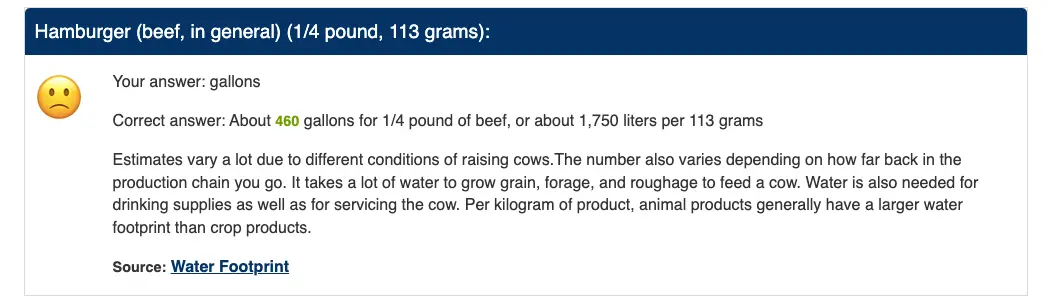
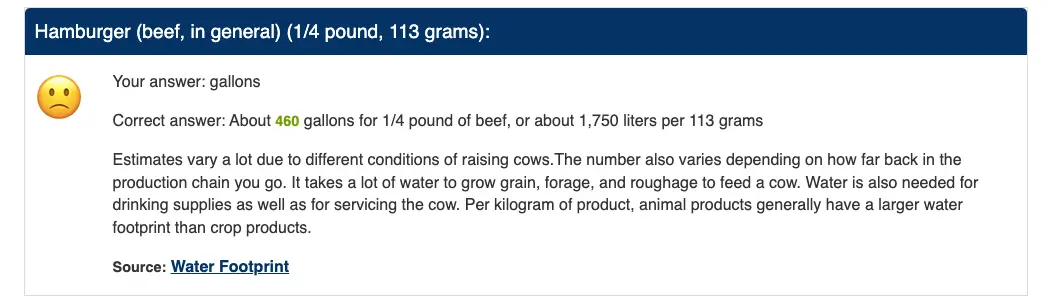
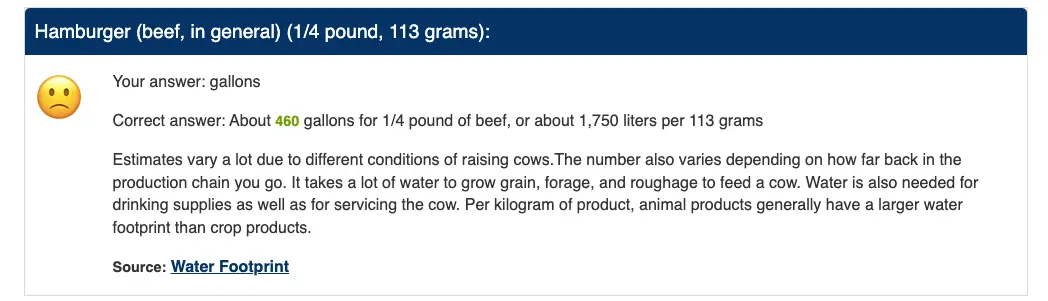
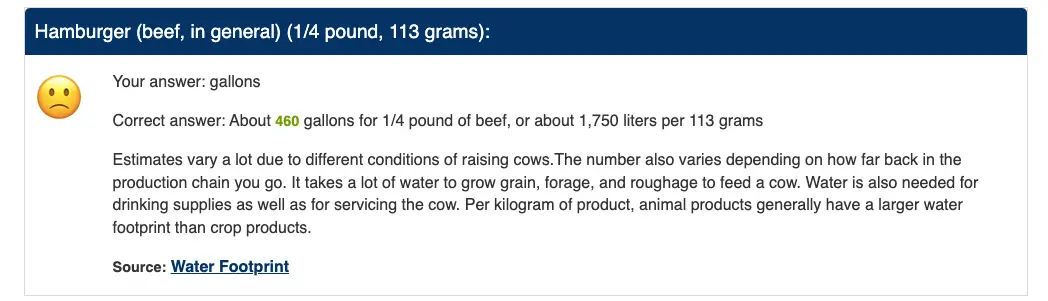
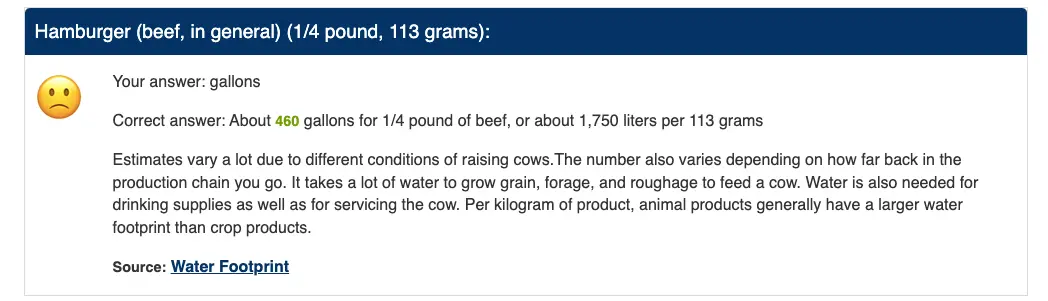
According to data compiled by the U.S. Geological Survey (USGS), a single quarter-pound of beef requires an astonishing 460 gallons of water to produce. That equates to roughly 1,840 gallons of water per pound of beef. To put this in perspective: consuming just one pound of beef utilizes more water than cutting two minutes off a daily shower for an entire 365-day year.
This startling realization shifts the paradigm of environmental activism away from ascetic self-denial in the bathroom and toward a more strategic, high-impact reevaluation of our diets. Sustainability, experts argue, shouldn’t feel like a miserable sacrifice; rather, it should be about targeting the areas where minor lifestyle tweaks yield monumental planetary returns.
Chronology: How the "Shorter Shower" Myth Dominated Environmentalism
To understand how shortening showers became the gold standard of grassroots water conservation, we have to look back at the evolution of modern environmental messaging.

The 1970s–1980s: The Birth of Resource Efficiency
Following the energy crises of the 1970s and the subsequent rise of the modern environmental movement in the 1980s, public service announcements began focusing heavily on household utility management. Because households directly pay water and energy bills, municipal governments and utility companies concentrated their conservation campaigns on end-users at the tap. The message was simple, direct, and easily quantifiable: less water flowing down the drain meant lower utility bills and immediate resource preservation.
The 1990s–2000s: The Efficiency Revolution
During this era, regulatory frameworks shifted toward hardware solutions. The U.S. Energy Policy Act of 1992 mandated lower flow rates for plumbing fixtures, capping standard showerheads at 2.5 gallons per minute (gpm). Despite these technological advancements, environmental messaging lagged behind, continuing to target human behavior—specifically, the duration of showers—rather than systemic consumption patterns like industrial agriculture.
The 2010s–Present: The Rise of Virtual Water Accounting
As data analytics matured, scientists began calculating "virtual water" or "water footprints"—the total volume of freshwater consumed directly and indirectly to produce goods and services. Organizations like the USGS, the Water Footprint Network, and academic institutions began publishing eye-opening metrics regarding agricultural supply chains. Gradually, environmental advocates began challenging the efficacy of traditional household conservation tips, pointing out that focusing solely on household fixtures ignores the elephant in the room: our food systems.
Supporting Data: Crunching the Numbers on Showers vs. Steaks
To truly grasp the scale of water usage, we must break down the mathematics behind traditional household habits versus agricultural production.
Let us examine the traditional, low-efficiency showerhead, which historically pumps out roughly 2.5 gallons of water per minute.
- The Daily Shower Sacrifice:
- Reducing your shower time by 2 minutes daily.
- $2 text minutes times 2.5 text gallons/minute = 5 text gallons saved per day$.
- $5 text gallons/day times 365 text days = 1,825 text gallons saved per year$.
While saving 1,825 gallons a year sounds commendable, let’s stack it up against the water footprint of a standard American diet, particularly meat consumption.

According to the USGS water content calculations:
- One 1/4-pound beef burger: ~460 gallons of water.
- One full pound of beef: ~1,840 gallons of water.
This means that eating a single pound of beef consumes more water than the cumulative annual savings of shaving two minutes off your shower every single day for a year.
To take the comparison further, let’s calculate how long you would actually have to stand in the shower to match the water footprint of a single pound of beef:
$$frac1,840 text gallons2.5 text gallons/minute = 736 text minutes of showering$$
That is 12 hours and 16 minutes of continuous showering. In other words, you could literally stand under a traditional, running shower for over half a day—or simply enjoy a single pound of beef—and consume the exact same amount of water.
When framed this way, the conventional advice to hurriedly scrub in the dark while shivering under a restricted flow starts to look less like an effective environmental strategy and more like a symbolic gesture that completely misses the broader picture.
Official Responses: What Hydrologists and Environmentalists Say
The shift from bathroom fixtures to agricultural reform is backed by a growing consensus among hydrologists, environmental scientists, and sustainability consultants.

Dr. Emily Carter, an agricultural hydrologist specializing in watershed management, notes that municipal water use accounts for only a minor fraction of total freshwater withdrawals in developed nations like the United States.
"Roughly 80% of U.S. water consumption goes directly into agriculture—primarily for irrigation of crops and feeding livestock," Dr. Carter explains. "While fixing urban leaks and taking shorter showers is important for local municipal management during acute droughts, it fundamentally fails to address the macro-level drivers of global water stress."
Environmental entrepreneurs and sustainability advocates echo this sentiment. Scott Cooney, a prominent eco-entrepreneur, author, and former sustainability consultant for major global corporations, argues that the environmental movement has historically suffered from an "ethics of deprivation."
"We are often told that to save the planet, we must suffer," Cooney points out. "We need to take colder, shorter showers, turn down our thermostats to uncomfortable levels, and feel guilty about our existence. But human psychology rejects chronic sacrifice. If green living feels like a constant punishment, people will eventually check out. Instead, we should focus on high-impact, low-friction changes—like shifting our dietary habits toward plant-forward options—which eliminate the need for daily, miserable micro-sacrifices."
Implications: Shifting from Guilt to High-Impact Action
The realization that a hamburger carries a heavier water toll than a year’s worth of truncated showers has profound implications for how we approach environmentalism, personal responsibility, and public policy.
1. Re-evaluating Personal Agency
For decades, green marketing has placed the burden of planetary survival squarely on the shoulders of individual consumers through micro-choices. While individual responsibility matters, misallocating our cognitive and physical energy toward low-impact habits (like obsessing over shower times) can create a false sense of accomplishment while ignoring systemic drivers of ecological degradation. True empowerment comes from understanding where our actions yield the highest leverage.

2. The Power of Dietary Shifts
Adopting a "less is more" approach to resource-intensive meats—such as beef and, to a lesser extent, chicken and dairy—represents one of the single most potent ways an individual can reduce their overall environmental footprint. Crucially, modern culinary innovations, plant-based alternatives, and flexitarian diets mean that reducing meat consumption no longer feels like a culinary sacrifice. By focusing on food choices rather than bathroom routines, individuals can slash their virtual water footprint exponentially.
3. Policy and Industrial Accountability
Beyond individual plates, the data underscores the urgent need for systemic reform in agricultural policy. As climate change intensifies droughts in agricultural powerhouses like the American West, policymakers must address inefficient irrigation techniques, subsidization of water-intensive feed crops in arid regions, and the broader structural incentives within industrial meat production.
Conclusion
Saving the planet doesn’t require you to race against a kitchen timer while rinsing shampoo out of your hair. By understanding the invisible web of virtual water embedded in our global food supply, we can let go of misplaced ecological guilt in the bathroom and focus our energies where they truly matter. So go ahead—enjoy your shower. Just think twice about the burger on your plate.