As the fleeting warmth of summer gracefully yields to the crisp, amber embrace of autumn, our bodies and minds undergo a profound transition. The shift in seasons invites us to pivot from outward-focused energy to an internal rhythm centered on reflection, fortification, and restorative slow living. For centuries, traditional herbalists and wellness practitioners have looked to nature’s autumn bounty to prepare the body for the colder months ahead.
Transitioning into autumn is not merely a change in wardrobe; it is an invitation to realign our daily routines with the natural world. By integrating DIY herbal preparations, swapping cooling summer foods for warming nourishment, and consciously creating space in our calendars, we can fortify our immune systems and nurture our mental well-being from the inside out.
Here are nine comprehensive, expert-backed ways to practice autumn self-care through the lens of modern herbalism.

1. Reflect on Your Growth and Lessons Learned
Main Facts and Seasonal Intentions
The turning of the autumn equinox serves as a natural psychological checkpoint. Earlier in the year, wellness advocates encouraged a "spring life reset," urging individuals to journal their health goals and set fresh intentions for personal growth. Autumn brings the crucial counterpart to this practice: reflective evaluation.
Chronology and Implementation
As daylight hours wane and the pace of life naturally decelerates, take time to look back at the seeds you planted in the spring. Did your wellness goals flourish, or did they face unexpected droughts? Journaling during this seasonal shift allows you to process lessons learned, celebrate personal milestones, and release habits that no longer serve you, clearing mental space for the winter months ahead.
2. Moisturize Your Skin and Hair with Botanical Oils
Main Facts and Environmental Impact
As ambient temperatures drop and relative humidity plummets, our skin and hair face severe environmental stressors. Indoor heating systems combined with biting outdoor winds strip away natural moisture barriers, frequently leading to flaking, irritation, and brittleness.

Supporting Data and Botanical Remedies
Commercial lotions often rely on synthetic fillers, but botanical oils offer a biocompatible alternative that locks in moisture and restores lipid balance. By pairing nutrient-dense carrier oils with powerful herbal extracts, you can create targeted treatments:
- Jojoba, Argan, and Sweet Almond Oils: Mimic the skin’s natural sebum, making them ideal for deep hydration without clogging pores.
- DIY Herbal Hair Serum: Infusing lightweight oils with nourishing herbs can rescue summer-damaged locks, restoring a silky, soft texture.
- Calendula and Rosehip Oil: A time-tested combination for facial care, helping to soothe redness and repair micro-tears caused by chilly weather.
3. Replace Summer Salads with Nourishing Broths and Root Vegetables
Main Facts: The Shift in Nutritional Needs
While crisp, refreshing raw salads and cooling fruit-infused waters are culinary staples of the scorching summer months, they can cool the body down too much as ambient temperatures drop. Traditional nutrition and herbalism advocate for "warming" foods that require less digestive energy and help maintain internal core temperature.
Culinary Solutions for the Colder Months
Transitioning your pantry to feature hearty root vegetables, medicinal mushrooms, and long-simmered broths provides deep cellular nourishment. Consider incorporating these foundational recipes into your weekly rotation:

- Simple Ginger Decoction: A warming sip that stimulates circulation and aids digestion.
- Astragalus Chai with Bone Broth: Combines the immune-modulating properties of astragalus root with traditional warming spices and collagen-rich broth.
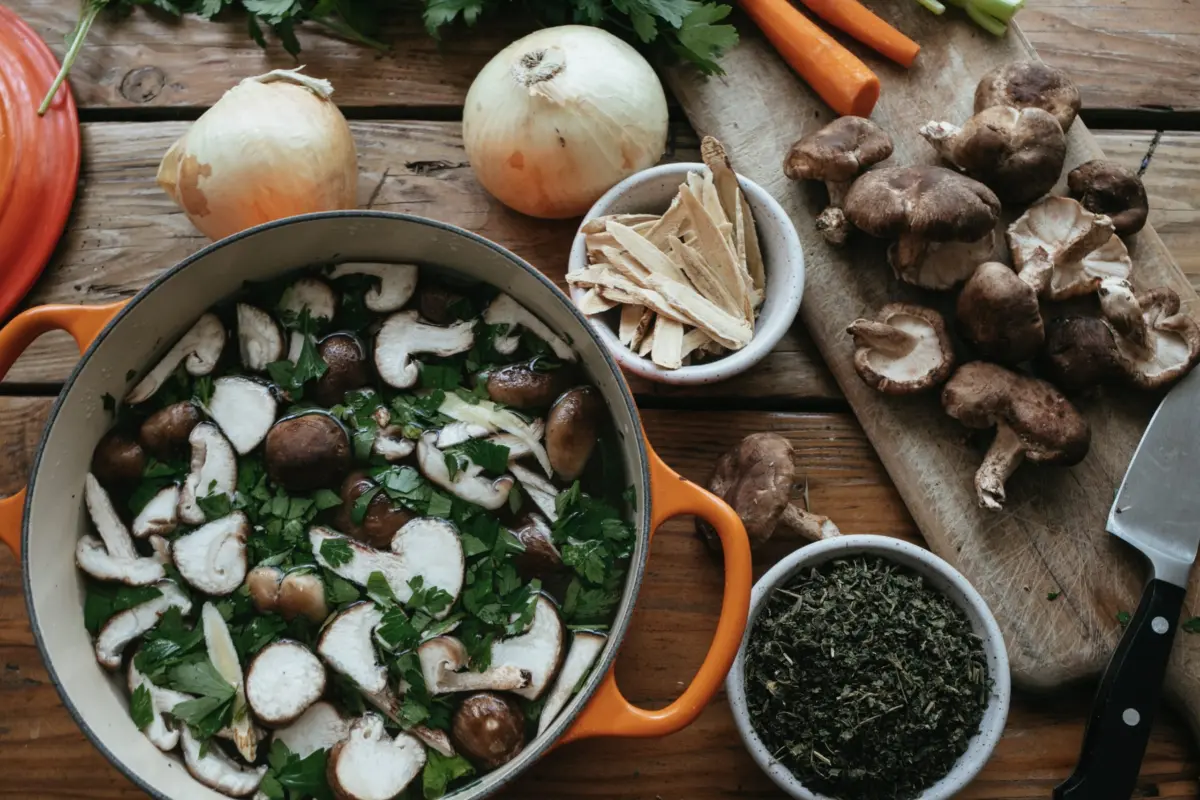
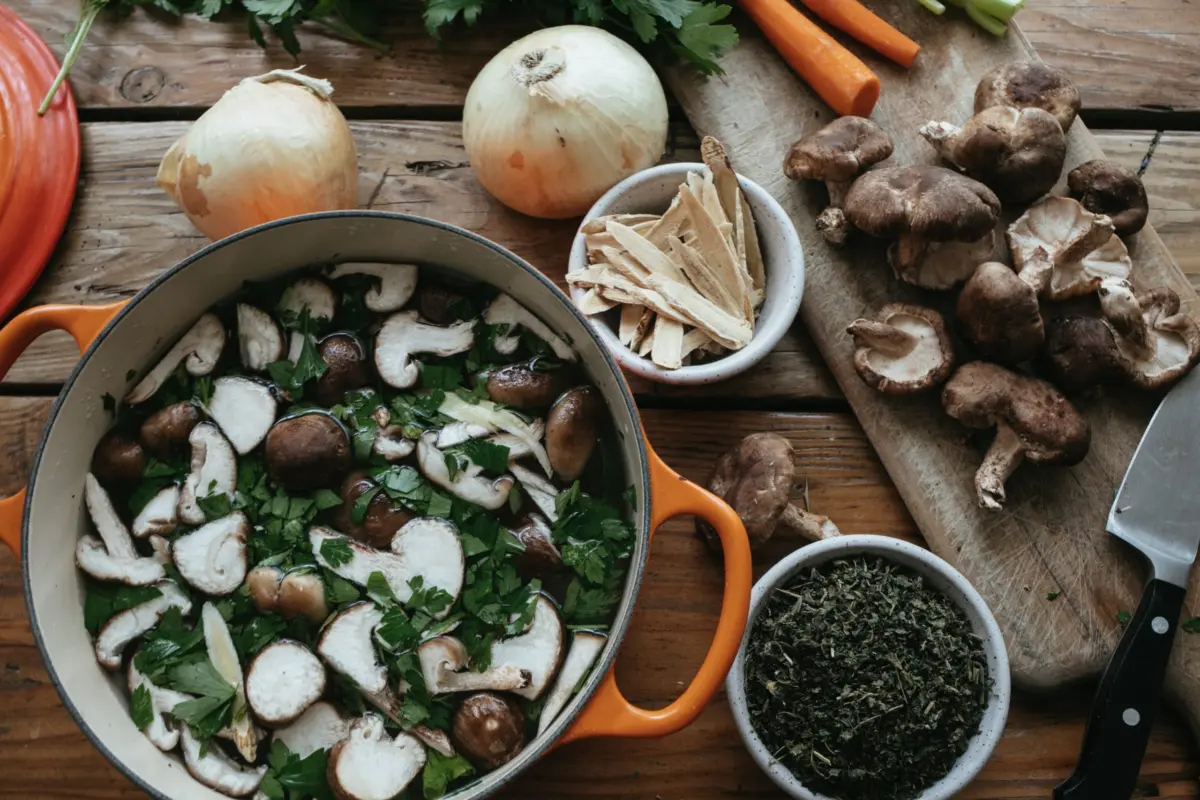
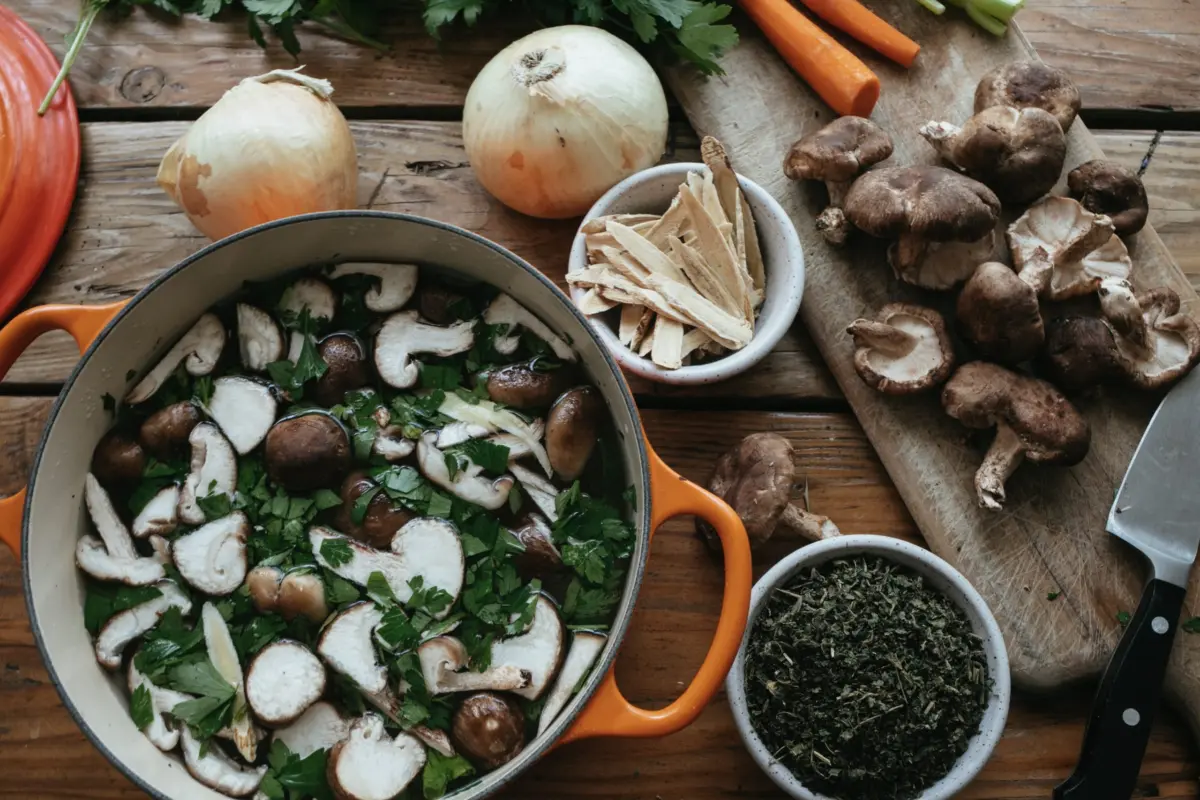
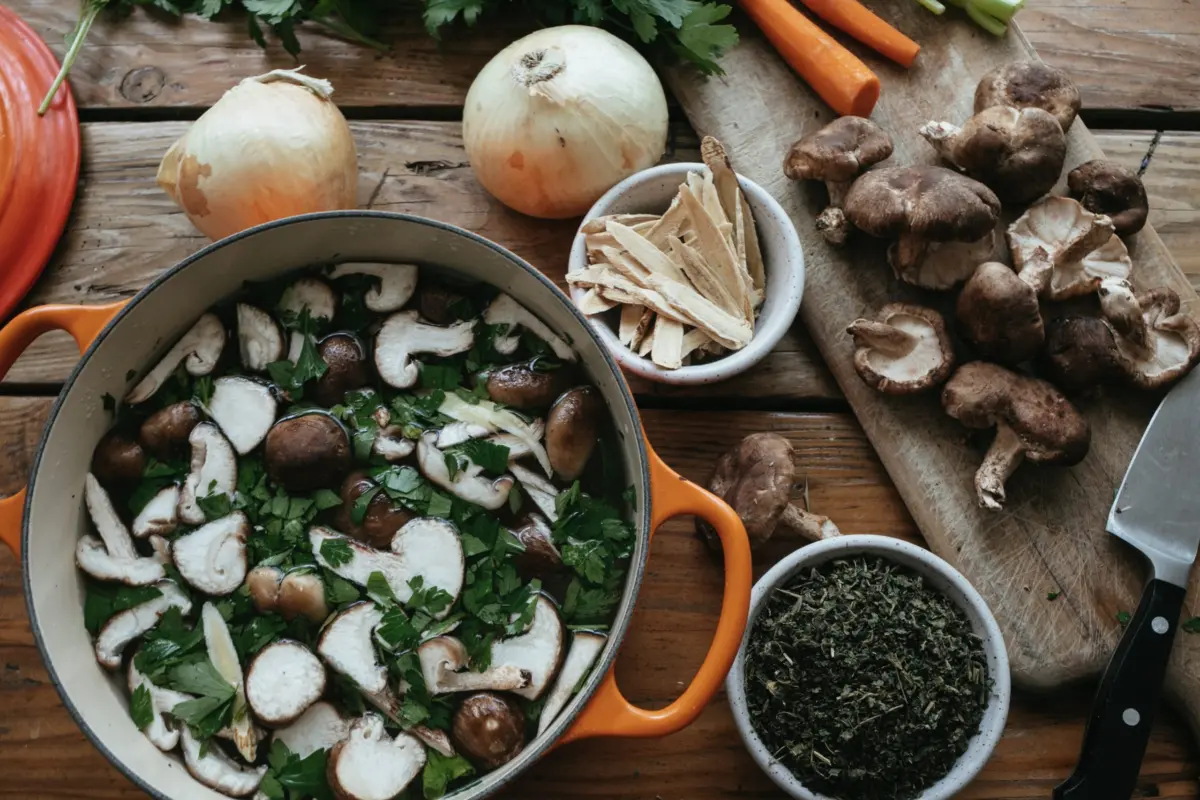
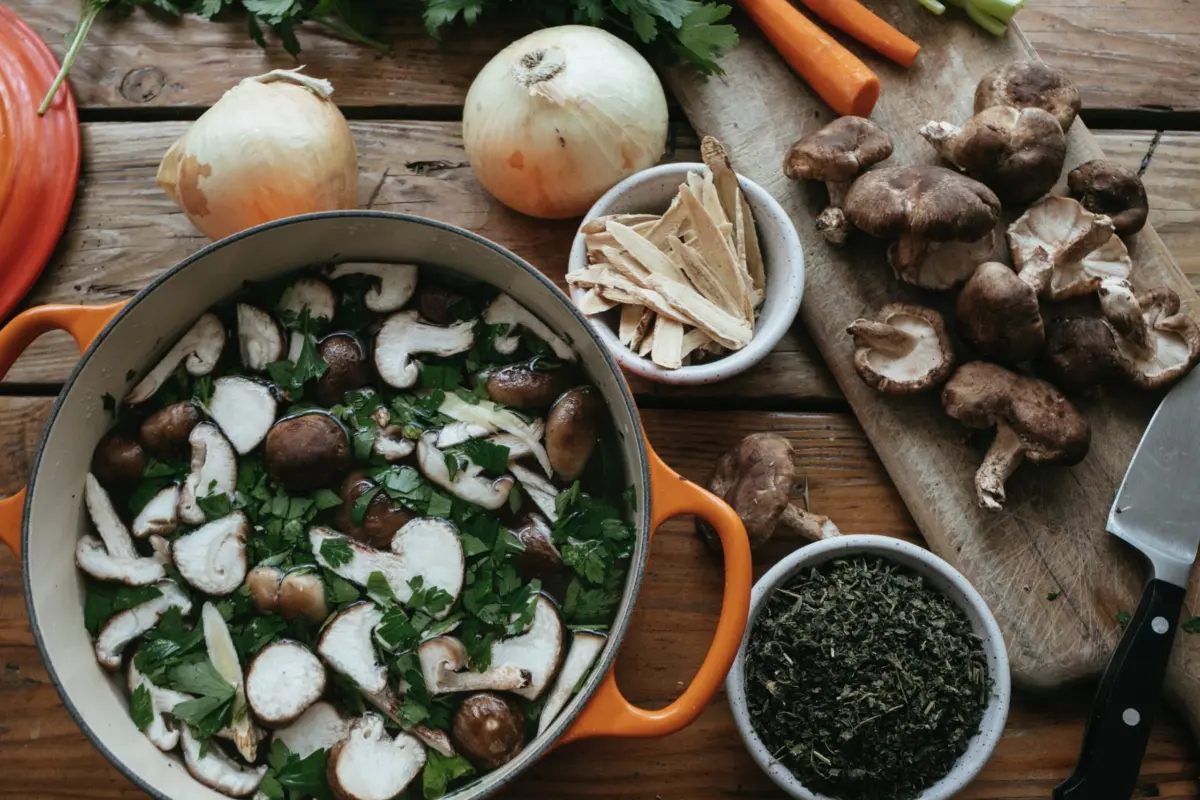
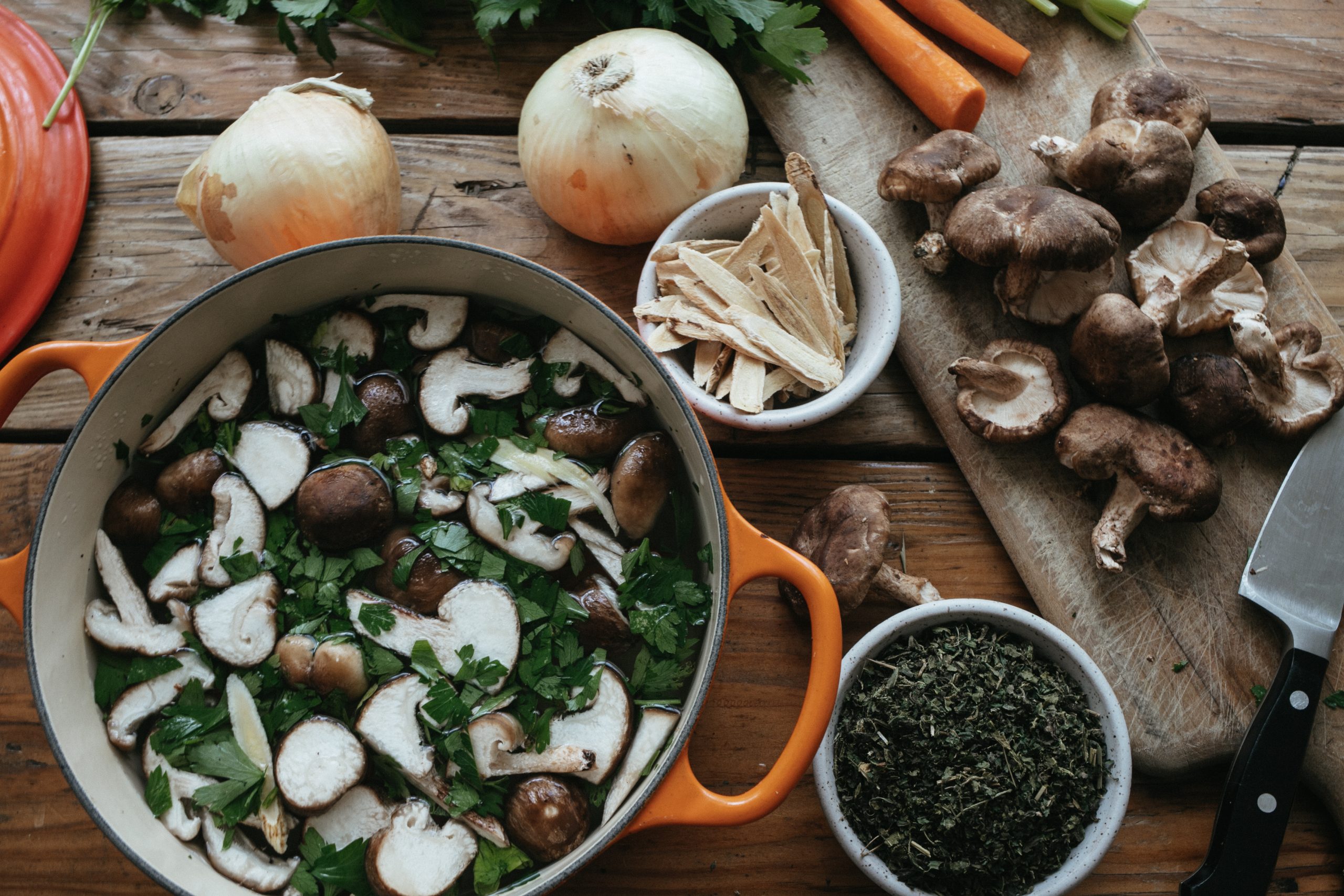
- Mushroom Immunity Broth with Astragalus and Calendula: A powerhouse preparation designed to fortify the respiratory and immune systems ahead of cold and flu season.
4. Consume More Healthy Oils for Internal Hydration
Main Facts and Physiological Implications
While moisturizing topically is essential, true dermal resilience begins internally. Consuming adequate amounts of healthy fats during the autumn and winter months supports cardiovascular function, optimizes immune response, and keeps the skin hydrated from the inside out.
Practical Applications
Incorporate high-quality fats into your daily meals to support cellular integrity:
- Olive Oil: Excellent for drizzling over warm dishes or utilizing in creative recipes like High-Protein Pea & Mint Crostini.
- Coconut Oil: Ideal for baking nutrient-dense granola, such as Puffed Amaranth & Cacao Granola.
- Avocado and Ghee: Stable fats that are wonderful for sautéing root vegetables and warming spices safely at medium-to-high heats.
5. Revise and Restock Your Pantry with Heavier Grains
Main Facts and Metabolic Demands
Cold winter months demand a higher caloric and energetic output from the human body simply to maintain core temperature. To meet this physiological requirement without relying on processed foods, herbalists recommend stocking the pantry with nutrient-dense, complex whole grains.
Hearty Grains to Utilize
Often described as foods that "stick to your ribs," complex whole grains provide sustained energy and warmth:
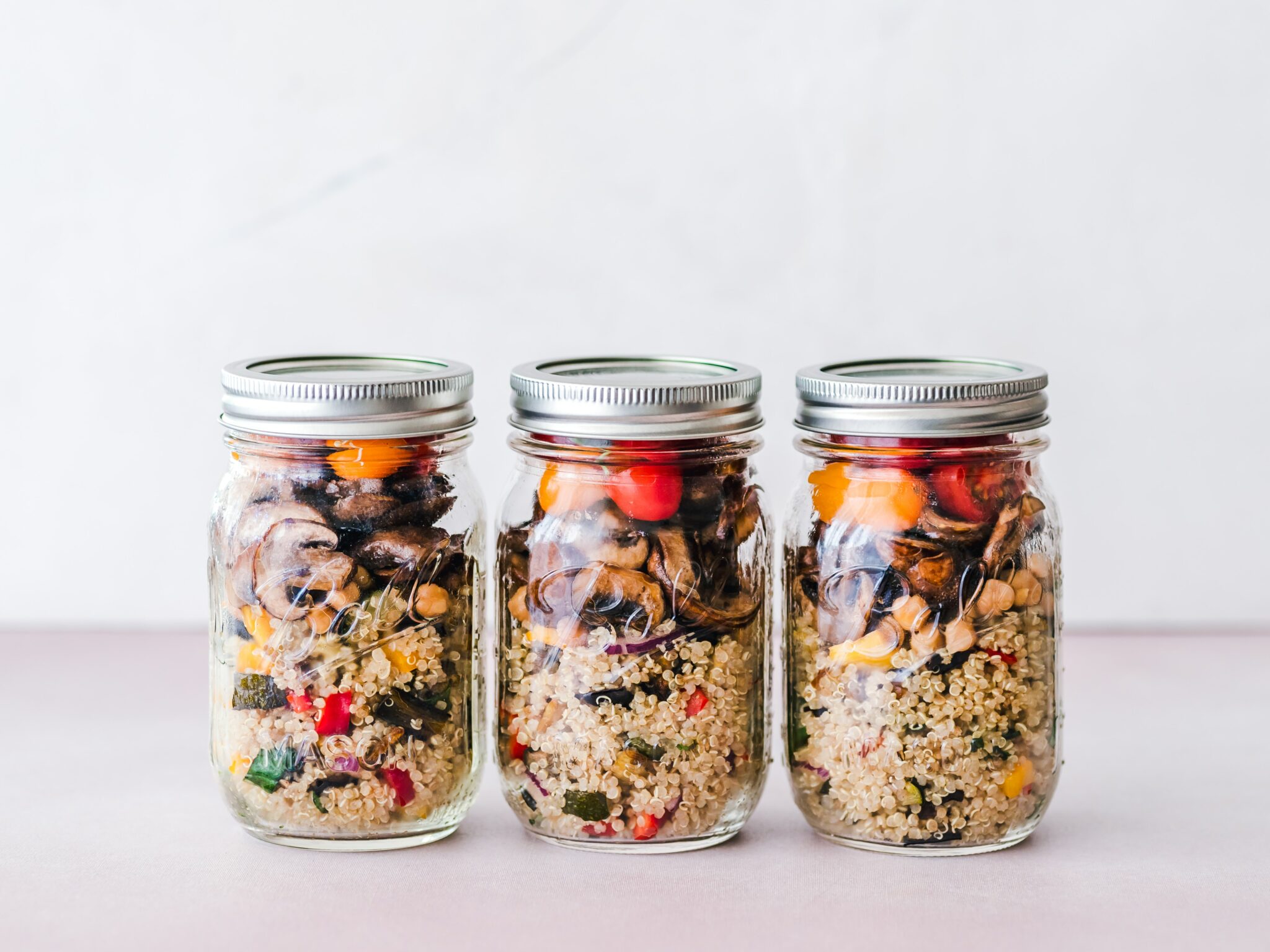
- Quinoa and Buckwheat: Versatile, complete proteins that form the base of hearty winter stews and gluten-free baked goods.
- Amaranth and Barley: Excellent additions to thickening broths, morning porridges, and rustic winter grain bowls.
- Recommended Recipes: Try incorporating Buckwheat Pasta with Spinach Pesto, Winter Morning Buckwheat and Bran Muffins, or a Hearty Lentil and Quinoa Stew into your meal planning.
6. Stock Up on Syrups, Elixirs, and Fire Cider
Main Facts: Immune Defense
Autumn marks the unofficial beginning of cold and flu season. Rather than reacting to illness after it strikes, proactive herbalism emphasizes building resilience. Stocking your apothecary with immune-supporting syrups, elixirs, and fire cider provides a robust line of defense against seasonal pathogens (viruses, bacteria, and fungi).
Official Herbalist Recommendations
- Fire Cider: A potent, spicy, and raw apple cider vinegar infusion loaded with unexpected herbs, garlic, onions, and horseradish to stimulate circulation and clear the sinuses.
- Elderberry and Calendula Elixir: Harnesses the antiviral properties of elderberries alongside the lymphatic-draining qualities of calendula flowers.
- Herbal Fever Ease Syrup: A gentle, comforting formulation designed to support the body during mild febrile responses.
7. Swap Fruit-Infused Waters for Herbal Teas and Decoctions
Main Facts: The Art of Extraction
Hydration habits must evolve alongside the weather. While iced, fruit-infused waters cool the system in July, autumn calls for thermal and medicinal hydration via teas and decoctions. Understanding the distinction between these two preparations is foundational to herbalism:
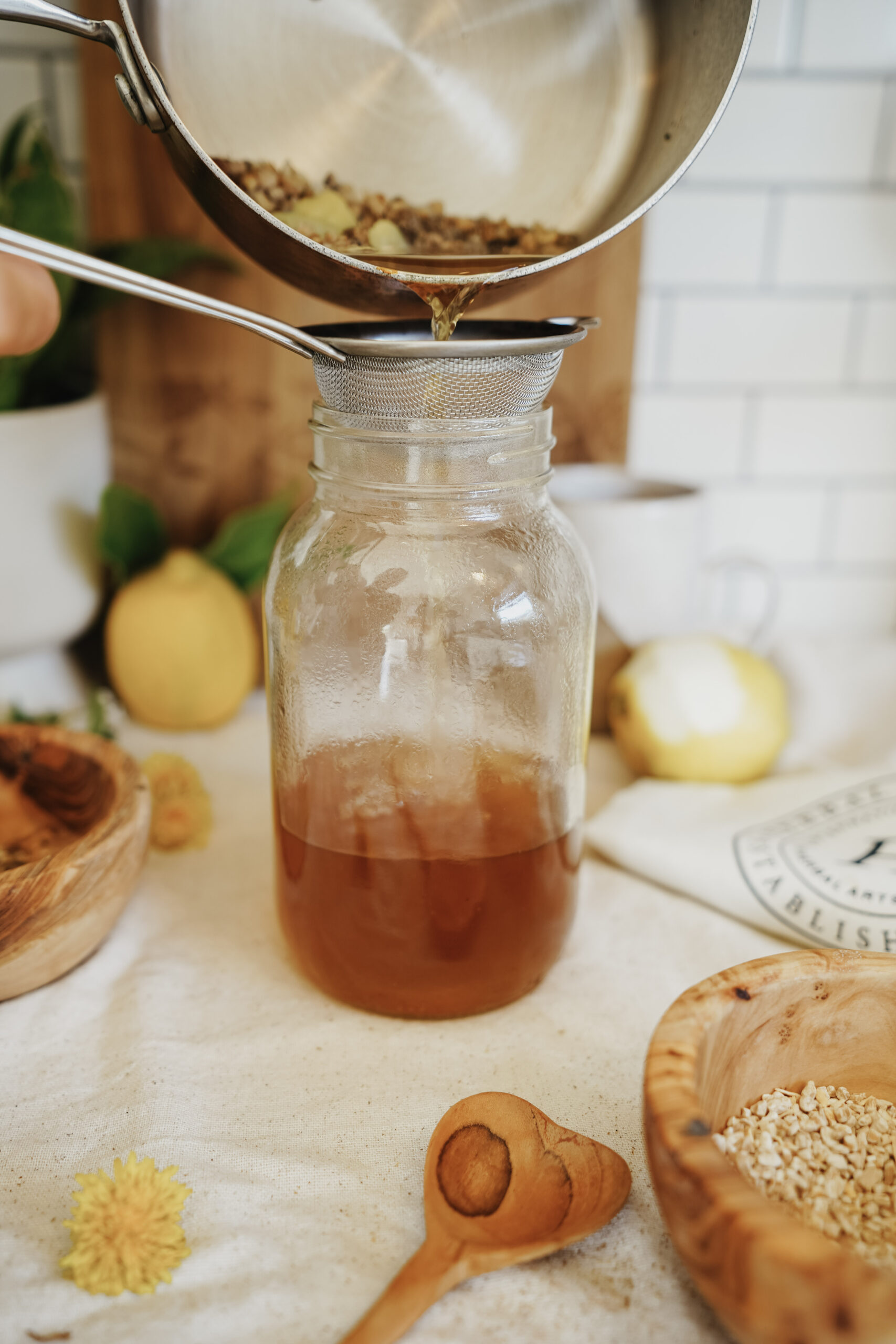
- Infusions (Teas): Gentle steeping processes utilized for delicate plant parts such as leaves, blossoms, and aerial parts.
- Decoctions: A method of gently simmering tougher, woody plant parts—such as roots, bark, and dried seeds—to extract their dense minerals and polysaccharides.
Seasonal Sipping Options
Incorporate remedies like the Autumn Root Tea Tonic (utilizing freshly harvested dandelion or burdock roots), French Apple Cinnamon Tea, or a mineral-rich Herbal Hot Cocoa infused with bitter and adaptogenic herbs.
8. Leave Blank Spaces on the Calendar
Main Facts: Psychological and Nervous System Implications
Nature’s cue in autumn is unequivocal: the days grow shorter, the trees shed their leaves, and the earth rests. Modern human culture, however, frequently pushes against this biological imperative, demanding relentless productivity year-round. Over-scheduling during the transition to winter can severely tax the nervous system, leaving individuals vulnerable to seasonal fatigue and burnout.
Implementing Slow Living
Intentionally leaving blank spaces on your calendar is a radical act of self-care. By carving out unstructured time, you create space for quiet contemplation, deep rest, and mental rejuvenation. Pairing these rest days with nervous-system-nourishing nervine herbs (such as skullcap, lemon balm, or milky oats) can profoundly restore your energy reserves for the future.
9. Add Warming Spices to Your Recipes
Main Facts and Culinary Energetics
In herbalism and traditional dietary frameworks, foods and spices are categorized by their energetic properties—cooling, neutral, or warming. Warming spices stimulate peripheral circulation, improve digestive fire (agni), and mentally evoke the comforting ambiance of the season.
Essential Spices to Master
- Cinnamon, Ginger, and Turmeric: Powerhouse spices that reduce systemic inflammation, support digestion, and add depth to both sweet and savory dishes.
- Culinary Inspiration: Explore recipes such as Apple Compote with a warming digestive spice blend, or indulge in artisanal Spiced Caramel recipes. For those looking to expand their kitchen apothecary, studying "5 Autumn Spices for the Herbalist’s Kitchen" offers a wonderful educational pathway.
Implications and Continuing Education
True self-care extends far beyond a temporary spa day or a fleeting wellness trend; it is rooted in building a lifelong, foundational understanding of human physiological systems and how plant allies can support them through every seasonal shift.
As the calendar turns toward the introspective months of late autumn and winter, the learning process never truly stops. For those inspired to deepen their knowledge, this seasonal transition presents an ideal opportunity to enroll in specialized educational programs. Courses such as the Botanical Skin Care Course, The Mushroom Course, or the Making Herbal Preparations 101 Mini Course provide the practical skills needed to successfully harvest, process, and preserve the botanical treasures grown or foraged throughout the year, ensuring your wellness journey remains vibrant all year long.