By Global Environmental Desk
Published: February 2026
Main Facts
Water conservation advice has historically centered on domestic habits: turning off the faucet while brushing teeth, fixing leaky pipes, and, most notably, shortening daily showers. Environmental campaigns for decades have implored citizens to trim two minutes off their showers to preserve municipal water supplies and reduce energy consumption.
However, recent analytical insights from environmental scientists and data from the U.S. Geological Survey (USGS) reveal a striking disconnect between daily household habits and our hidden "water footprints." While cutting shower time yields modest savings—saving roughly 1,825 gallons per year for an average household—it represents a mere drop in the bucket compared to the massive water demands embedded in global food production.
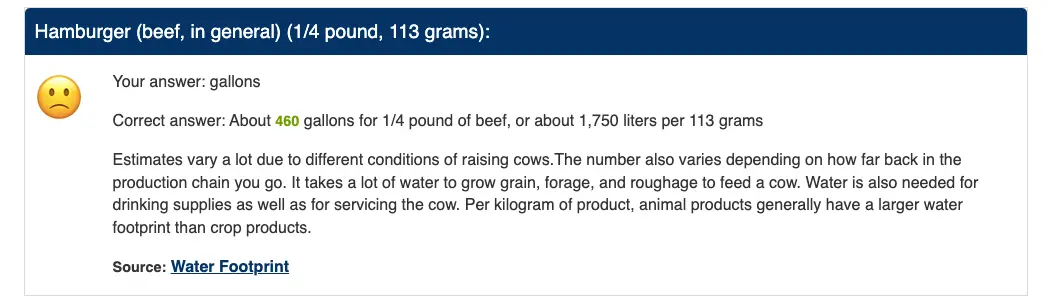
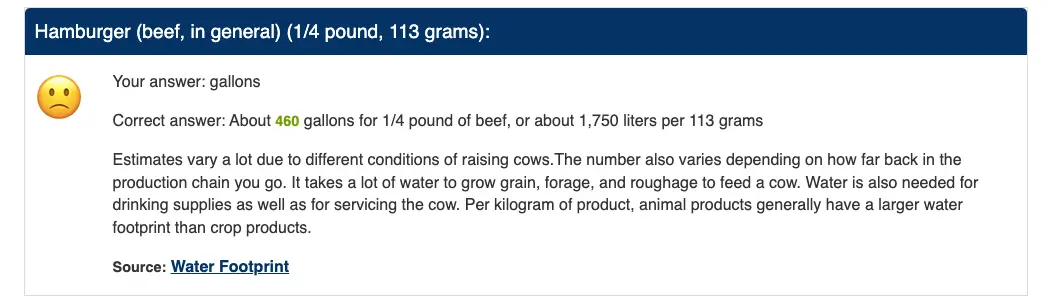
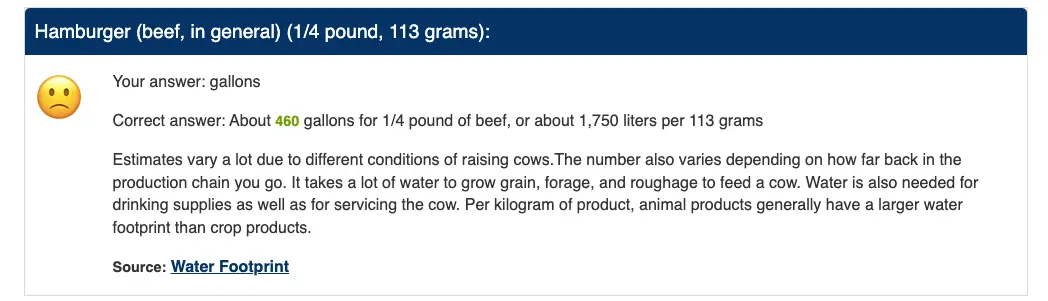
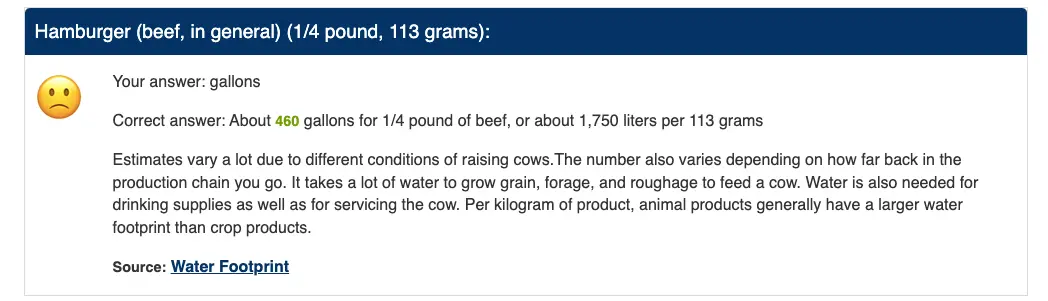
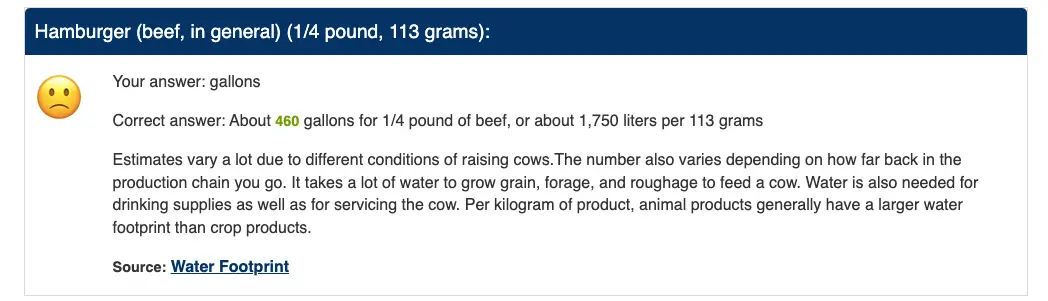
Most notably, livestock agriculture, particularly beef production, requires exponential amounts of water. Data indicates that producing a single pound of beef consumes approximately 1,840 gallons of water. Consequently, eating a single quarter-pound burger utilizes more water than an individual would save by cutting two minutes off their daily shower for an entire year. This stark reality challenges traditional messaging around sustainability, shifting the focus from bathroom habits to dietary choices as the primary frontier for individual water conservation.

Chronology
To understand how modern conservation messaging evolved—and why it has historically focused on micro-habits rather than systemic consumption—it is helpful to look back at the timeline of environmental advocacy and resource management:
- The 1970s–1980s (The Birth of Domestic Conservation): Following early energy crises and growing awareness of municipal water strains, local governments and grassroots environmental groups launched the first mainstream water-saving initiatives. Public service announcements popularized turning off taps, installing low-flow displacement devices in toilet tanks, and taking shorter showers. These steps were chosen because they were immediately actionable by individual homeowners.
- The 1990s–2000s (Rise of the "Virtual Water" Concept): British academic Tony Allan introduced the concept of "virtual water" (later termed the "water footprint") in the early 1990s. This metric calculated the total water used throughout the entire lifecycle of a product, particularly agricultural goods. For the first time, scientists could quantify how much water was embedded in items exported and imported globally.
- The 2010s (Integration of Data Calculators): Institutional bodies, including the U.S. Geological Survey (USGS) and international water institutes, began developing interactive digital tools. The USGS launched its food-impacts water calculator, allowing consumers to input dietary habits and visualize the hidden liquid volumes required to produce everyday groceries.
- The 2020s (Re-evaluating the "Sacrifice" Narrative): Sustainability experts began pushing back against the traditional "sacrifice" model of environmentalism. Rather than asking citizens to make uncomfortable daily lifestyle adjustments—such as enduring freezing, rushed showers—advocates started emphasizing high-impact, low-friction lifestyle tweaks, such as moderating meat consumption, which offer exponentially greater ecological relief without feeling punitive.
Supporting Data
The mathematics behind water footprints reveal a staggering imbalance between direct domestic use (turning on the tap) and indirect consumption (what we consume, wear, and buy).
The Shower Math
Consider a standard, traditional showerhead operating at a low-efficiency flow rate of 2.5 gallons per minute.
- Shaving 2 minutes off a daily shower saves 5 gallons of water per day.
- Over the course of 365 days, this habit accumulates to a savings of 1,825 gallons annually.
The Agricultural Reality
By contrast, agricultural production accounts for roughly 70% of global freshwater withdrawals. According to USGS metrics:

- A single quarter-pound of beef requires approximately 460 gallons of water to produce, factoring in irrigation for feed crops (such as alfalfa and grain), drinking water for livestock, and processing overhead.
- Scaling this up, one full pound of beef demands an estimated 1,840 gallons of water.
The Equivalence Paradox
When these figures are juxtaposed, the traditional narrative of the 2-minute shower begins to unravel. To match the water footprint of a single pound of beef using a traditional 2.5-gallons-per-minute showerhead, an individual would need to take a shower lasting 736 continuous minutes.
In practical terms, a person could stand under a running shower for more than 12 hours—or consume a single pound of beef—and expend the exact same volume of water. This dramatic disparity highlights why modern sustainability strategies are increasingly urging consumers to look critically at their plates rather than just their bathroom timers.
Official Responses and Expert Insights
Environmental strategists and sustainability advocates have increasingly spoken out regarding the psychological and practical limitations of traditional conservation campaigns.
Scott Cooney, a noted eco-entrepreneur, author, and former sustainability consultant who has advised major global corporations, argues that the environmental movement has long suffered from positioning sustainability as an act of continuous self-deprivation.

"You hear it often enough—want to save the planet? Try shaving 2 minutes off your shower every day," Cooney notes. "And yes, you could, of course, do that. But doesn’t that feel like a sacrifice? We’re all about saving the planet, but doing so without it ever feeling like a sacrifice."
According to behavioral scientists and industry experts, campaigns centered on sacrifice often backfire. When consumers feel that eco-friendly behaviors require daily friction—such as cutting short a relaxing shower—adherence rates drop significantly over time. Conversely, targeting high-impact areas that require minimal daily emotional effort, such as reducing beef consumption a few days a week, yields massive resource savings with significantly less psychological resistance.
Furthermore, water resource managers note that while domestic conservation remains crucial during regional droughts, municipal use accounts for a small fraction of total water consumption compared to industrial and agricultural sectors. Directing public awareness toward food systems bridges the gap between individual actions and macro-level environmental impact.
Implications
The shift in perspective from bathroom habits to agricultural footprints carries profound implications for policy, consumer education, and global resource management.

1. Reframing Individual Action
For decades, consumers have felt personally guilty for long showers or washing dishes by hand, while remaining entirely unaware that their dietary choices dwarf those impacts. Re-educating the public via interactive tools—like the USGS water footprint calculator—democratizes complex environmental data, allowing individuals to make high-impact choices with minimal personal disruption.
2. Shifting Corporate and Agricultural Policies
While individual dietary choices matter, the heavy water footprint of livestock agriculture underscores the need for systemic changes in farming practices. Innovations in regenerative agriculture, more efficient crop irrigation techniques, plant-based alternatives, and lab-grown proteins represent critical pathways to reducing the agricultural sector’s massive draw on freshwater aquifers.
3. Addressing Global Water Scarcity
As climate change accelerates, droughts become more frequent, and aquifers deplete across major agricultural regions (such as the American West, parts of India, and the Middle East), managing virtual water embedded in food exports and imports will become a central geopolitical challenge. Nations will increasingly need to evaluate food security through the lens of hydrological sustainability.
Ultimately, while there is no harm in taking shorter showers, recognizing the true scale of our water footprint allows us to focus our conservation efforts where they matter most—proving that saving the planet doesn’t have to mean living a life of constant sacrifice.