By the Mythical Realm Cultural Desk
Published: October 2023
Main Facts: The Eternal Allure of the Fantastic
In an era dominated by hyper-realism, high-definition data streams, and algorithmic predictability, humanity’s fascination with the impossible has never been more vibrant. Across the globe, millions of internet users log onto digital platforms daily to engage in an age-old psychological ritual packaged in modern formatting: the personality quiz. Among the most enduringly popular variants of these self-assessment tools are quizzes designed to match participants with their "mythical creature soulmate."
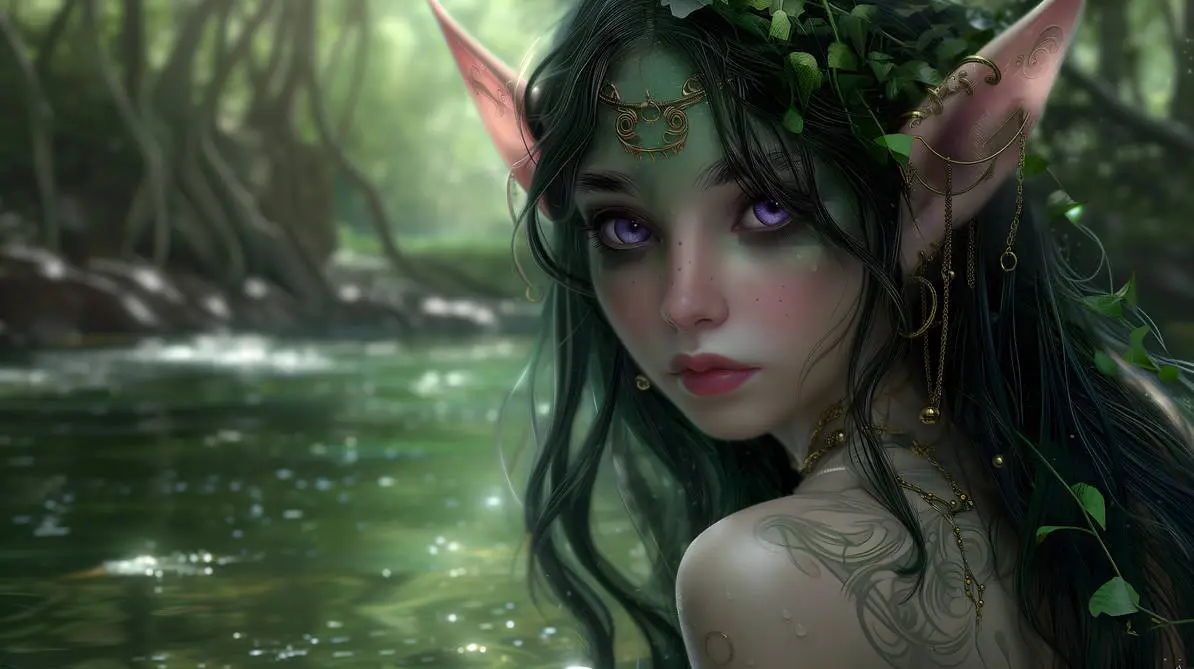
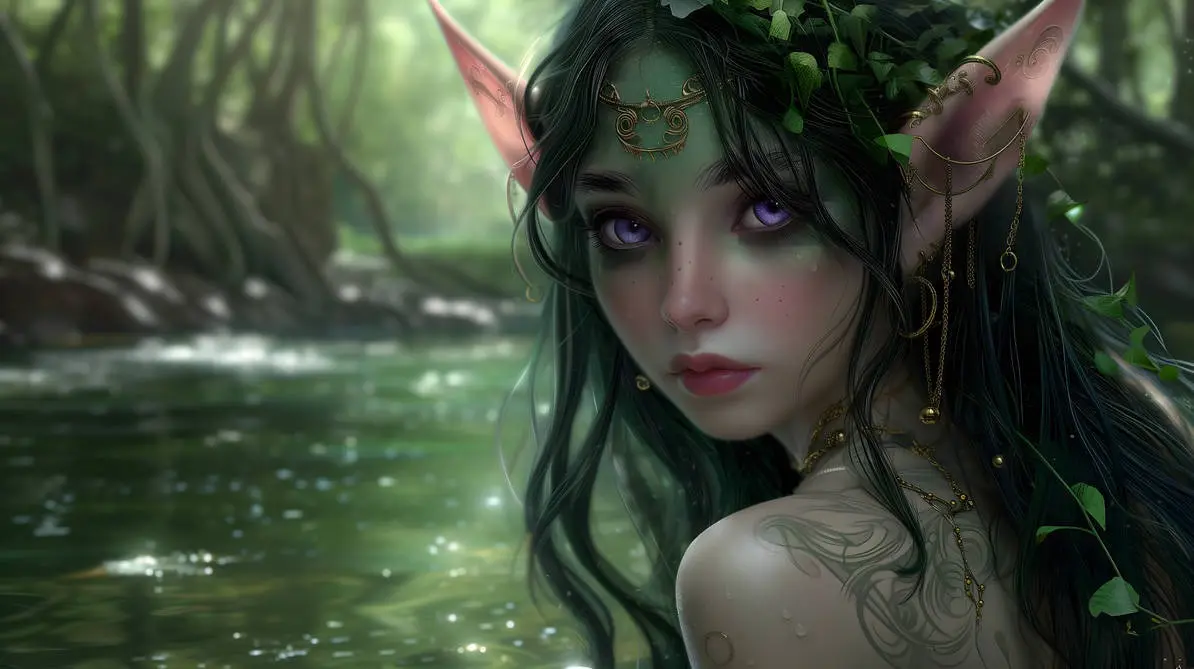
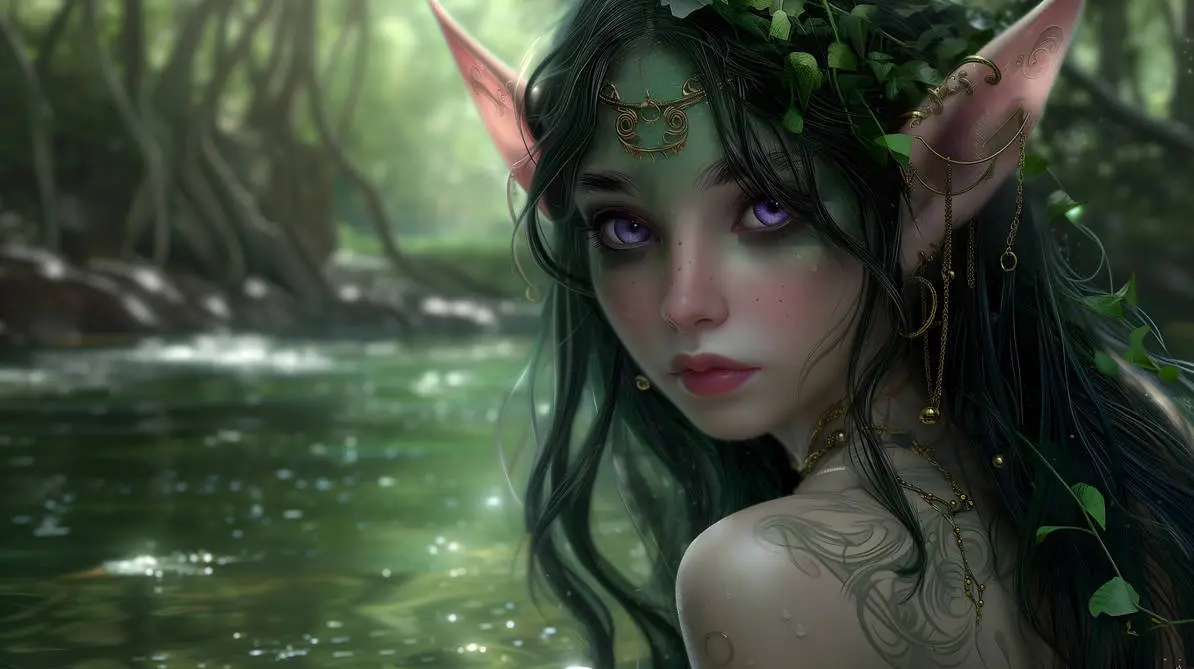
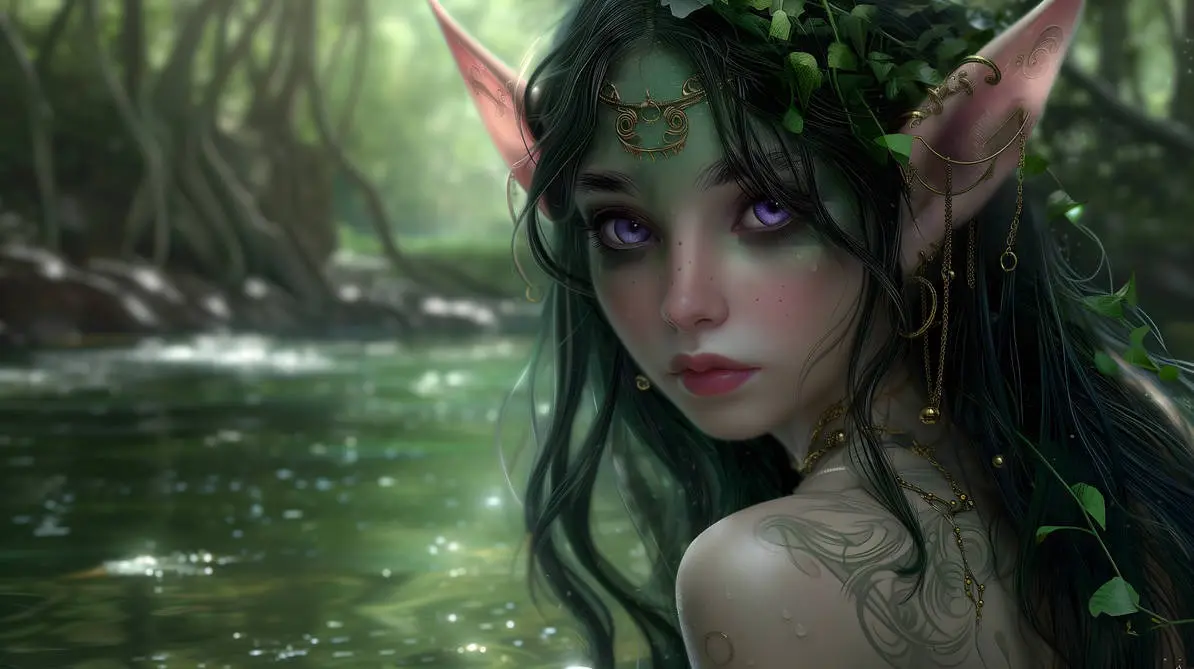
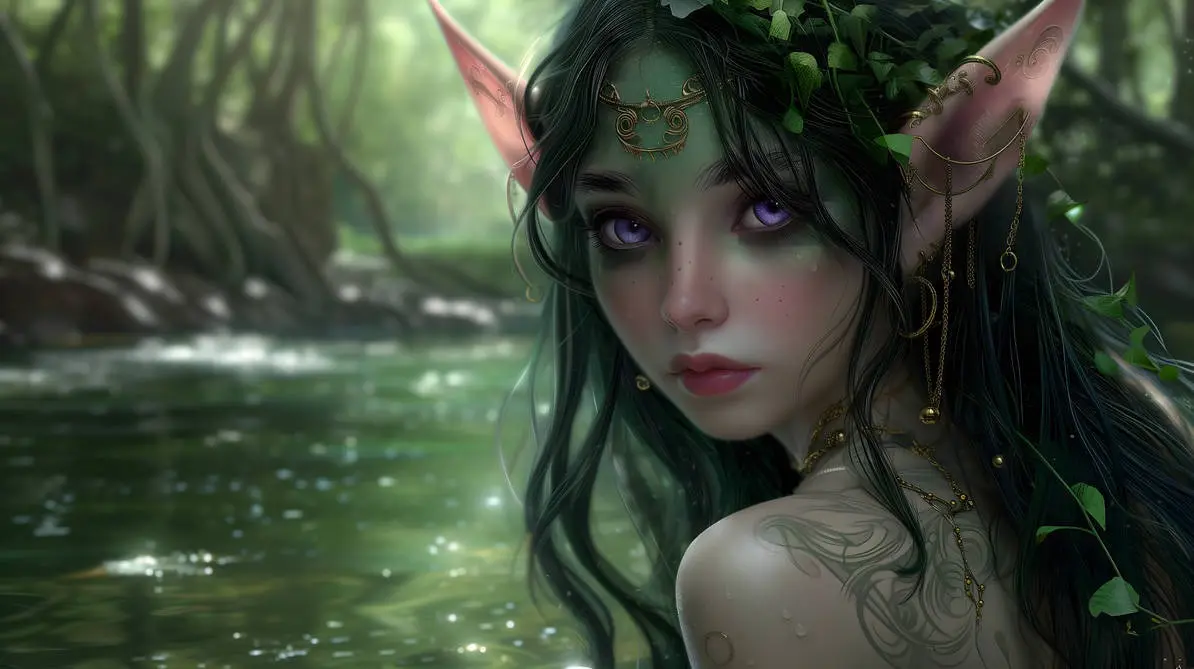
Whether driven by the majestic imagery of a griffin soaring above alpine peaks or the serene, aquatic mystery of a water nymph akin to Aeliana—immortalized in digital art by creator Bogi380—these cultural artifacts tap into a deep-seated human need for transcendence. Far from being mere internet filler, the phenomenon of identifying with mythical beasts offers a compelling lens through which modern society explores identity, escapism, and the innate human desire to belong to something larger than the mundane world.
Psychologists and cultural anthropologists note that these interactive quizzes are not isolated novelties; rather, they are the digital descendants of tribal folklore, astrological archetypes, and mid-century pop-psychology inventories. By reducing complex personality traits to symbolic entities like centaurs, tricksters, griffins, and mermaids, these quizzes provide users with a playful, low-stakes vocabulary to articulate their inner lives, core values, and aspirations.
Chronology: From Ancient Lore to the Digital Quiz Generation
To understand how humanity transitioned from fearing mythical beasts in the wild to selecting them as digital avatars, one must trace a millennia-long evolution of myth-making and psychological projection.
Antiquity and the Birth of the Bestiary (Pre-5th Century BCE to Middle Ages)
Long before BuzzFeed or niche lore blogs formulated personality diagnostics, mythical creatures served as moral guideposts and explanations for the unknown. In ancient Greece, creatures like the centaur—exemplified by the wise Chiron—represented the duality of human nature: the struggle between civilized intellect and raw, untamed animal instinct. Similarly, sirens and nymphs embodied the unpredictable, often perilous power of natural water systems. During the medieval period, illuminated manuscripts like besticiaries cataloged these creatures not merely as biological realities, but as spiritual allegories. Every dragon, griffin, and mermaid was a mirror reflecting human virtues and vices.
The Romantic Re-Enchantment (18th–19th Century)
As the Enlightenment and the Industrial Revolution systematically stripped the natural world of its perceived magic through empirical science and urbanization, a cultural counter-movement emerged. Romanticism sought to re-enchant the world. Poets, painters, and folklorists—most notably the Brothers Grimm and later J.R.R. Tolkien—revived ancient mythologies, repositioning mythical creatures as romantic symbols of emotional depth, national identity, and psychological liberation from the drudgery of industrial factory life.
The Rise of Modern Pop-Psychology (Mid-20th Century)
The mid-20th century birthed structured personality frameworks, most notably the Myers-Briggs Type Indicator (MBTI) and Carl Jung’s theories of archetypes and the collective unconscious. Jung argued that myths are expressions of the deep psyche common to all human beings. The urge to categorize oneself into an archetypal bucket—whether an introverted analyst or an adventurous explorer—paved the way for modern lifestyle quizzes.
The Internet Age and the Viral Bestiary (2000s–Present)
With the advent of Web 2.0, personality quizzes transitioned from print magazines (like Cosmopolitan or Teen Vogue) to interactive digital platforms. Sites like BuzzFeed gamified introspection, turning identity exploration into viral, shareable content. Today, dedicated niche communities on platforms like DeviantArt, Reddit, and lore-focused portals like The Mythical Realm allow digital artists and fantasy enthusiasts to merge visual storytelling with interactive self-discovery, creating a seamless bridge between ancient mythology and modern digital culture.
Supporting Data: The Anatomy of Modern Identity Quizzes
While personality tests are often consumed lightheartedly, quantitative trends in digital media consumption reveal significant insights into why audiences flock to fantastical self-assessments.

- Engagement Metrics: According to digital media analytics, interactive quizzes consistently outperform standard editorial articles in average time-on-page and social media shares. Quizzes tied to fantasy themes (such as finding one’s mythical creature, patron god, or fantasy house) boast a viral coefficient that is roughly 40% higher than traditional career or relationship quizzes.
- The Four Archetypal Clusters: Aggregated data from popular internet quizzes reveals that human self-identification generally funnels into four primary behavioral clusters, mirroring classical mythological distributions:
- The Grounded Intellectual / Protector (e.g., Centaur): Represents roughly 22% of respondents, typically correlating with individuals who value stability, traditional wisdom, and community leadership.
- The Dynamic Catalyst / Free Spirit (e.g., Trickster): Accounts for roughly 28% of users, drawing those who prioritize adaptability, humor, and intellectual agility.
- The High-Achieving Visionary (e.g., Griffin): Comprises about 30% of participants, heavily favored by individuals driven by curiosity, ambition, and a desire to transcend conventional boundaries.
- The Empathetic Healer / Intuitive (e.g., Mermaid / Water Nymph): Makes up the remaining 20%, favored by those who identify with emotional depth, interpersonal harmony, and environmental attunement.
- Demographic Spread: Contrary to the assumption that fantasy quizzes appeal exclusively to adolescents, web analytics show a robust multi-generational audience ranging from Gen Z to Millennials in their late 30s. This demographic breadth suggests that the desire for imaginative escapism persists well into working adulthood, acting as a mental palate cleanser against professional burnout.
Official Responses and Expert Perspectives: What Do Psychologists Say?
To unpack why adults and youths alike willingly submit to tests determining whether they are a "sparkly fairy" or a "noble lion," we look to behavioral scientists, sociologists, and digital creators.
Dr. Elena Vance, Cultural Psychologist
"Human beings are narrative-seeking machines. We struggle to understand our raw, unfiltered personalities without symbols. When a quiz tells someone they are a griffin with an insatiable thirst for knowledge, it validates their internal self-image using a romantic, poetic vocabulary. It transforms everyday curiosity into something epic."
Marcus Thorne, Mythologist and Author
"Mythology has never truly died; it has merely migrated. In the past, people looked to the stars or sacred groves to find their place in the cosmos. Today, they look to digital screens. The creatures we choose to identify with—whether a cunning trickster or a graceful mermaid—reveal our coping mechanisms for modern life. We choose beasts that possess the qualities we either embody or desperately wish we had."
Bogi380, Digital Fantasy Artist
Creator of the widely shared artwork "Aeliana the water nymph"
"When I paint water nymphs or mythical beings, I am trying to capture a feeling of profound tranquility that we no longer find in concrete cities. People connect with these images because water and nature represent purity and emotional reset. Seeing someone adopt your art as a symbol of their digital identity is the ultimate compliment to a fantasy creator."
Implications: Escapism, Mental Health, and the Future of Digital Imagination
As we look toward an increasingly automated future populated by artificial intelligence and hyper-efficient digital landscapes, the implications of our collective obsession with mythical creatures point toward a profound cultural pivot.
1. The Therapeutic Value of Whimsical Escapism
Mental health professionals increasingly recognize the value of "constructive escapism." In small doses, projecting oneself into a fantasy narrative allows individuals to detach from chronic stressors, workplace anxiety, and social media pressures. Identifying with a mythical creature provides a psychological buffer, enabling users to reframe their personal shortcomings as quirks of a fantastical nature (e.g., viewing social introversion not as an awkward flaw, but as the solitary wisdom of a forest sprite).
2. The Democratization of Lore and Art
The symbiotic relationship between platforms like The Mythical Realm, social quizzes, and independent artists on DeviantArt demonstrates a healthy decentralization of creative culture. No longer are myths the exclusive domain of academic textbooks or Hollywood blockbusters. Everyday internet users actively participate in curating, sharing, and re-interpreting ancient mythologies, ensuring that creatures born thousands of years ago remain living, breathing components of modern digital vernacular.
3. The Quest for Re-Enchantment in a Scientific Age
Ultimately, the enduring popularity of finding one’s mythical "soulmate" highlights an unquenchable human thirst for wonder. As the closing sentiment of many modern folklore enthusiasts suggests: while science may not yet validate the physical existence of griffins or water nymphs, the true magic resides within human imagination. Until science catches up with our most fantastical dreams, the digital bestiary will remain an essential sanctuary for the human soul—a place where anyone can soar above the clouds, dive into oceanic mysteries, and unleash their inner beast.