As the vibrant, fast-paced energy of summer yields to the crisp, reflective rhythm of autumn, nature issues a quiet invitation: it is time to slow down, turn inward, and align our daily habits with the changing seasons. The transition from long, sun-drenched days to cool, brisk evenings requires more than just a wardrobe change; it calls for a holistic shift in how we nourish our minds, bodies, and spirits.
According to holistic health practitioners and botanical educators, autumn is the optimal window for preventive self-care. By fortifying our immune systems, adjusting our nutrition, and embracing a slower pace of life, we can navigate the colder months with resilience and ease. Here is an in-depth look at nine intentional ways to practice autumn self-care, bridging ancient botanical traditions with modern wellness practices.
1. Reflect on Personal Growth and Intentions
The turning of the season serves as a natural psychological checkpoint. Earlier in the year, wellness advocates encouraged individuals to perform a "spring life reset"—setting fresh goals, planting metaphorical seeds, and outlining intentions for personal health.

As the leaves change color, autumn brings the crucial phase of harvest and reflection. Journaling about the milestones achieved over the spring and summer allows individuals to process lessons learned, celebrate personal growth, and gracefully release what no longer serves them. Taking stock of these experiences creates mental clarity, preparing the psyche for the quiet introspection that winter demands.
2. Nurture Skin and Hair with Botanical Oils
The drop in outdoor temperatures inevitably brings a corresponding drop in ambient humidity. Combined with indoor heating systems and the whipping winds of late autumn, this seasonal shift can strip the skin and hair of their natural moisture barrier.
To combat seasonal dryness, experts recommend moving away from lightweight summer lotions and incorporating nutrient-dense botanical oils. Ingredients like jojoba, argan, sweet almond, avocado, and olive oil mimic the skin’s natural sebum, locking in hydration.

- For the Hair: Incorporating a targeted herbal hair serum infused with botanical extracts can restore softness and shine to strands battered by temperature fluctuations.
- For the Face: Lightweight yet deeply penetrating formulations, such as calendula-infused rosehip oil, offer exceptional nourishment and soothing properties for delicate facial skin.
3. Transition from Summer Salads to Warming Broths and Root Vegetables
Dietary habits that serve us well in July—such as raw, refreshing summer salads composed of delicate greens—often fail to provide the caloric density and internal warmth required as the weather cools.
Autumn culinary traditions naturally shift toward grounding foods. Root vegetables, which spend months drawing nutrients from the deep earth, offer dense, sustained energy. Paired with slow-simmered herbal and bone broths, these ingredients support digestive fire and provide deep comfort. Recommended seasonal staples include:
- Simple Ginger Decoctions: To stimulate circulation and digestion.
- Astragalus Chai with Bone Broth: Combining adaptogenic roots with warming spices for foundational immune support.
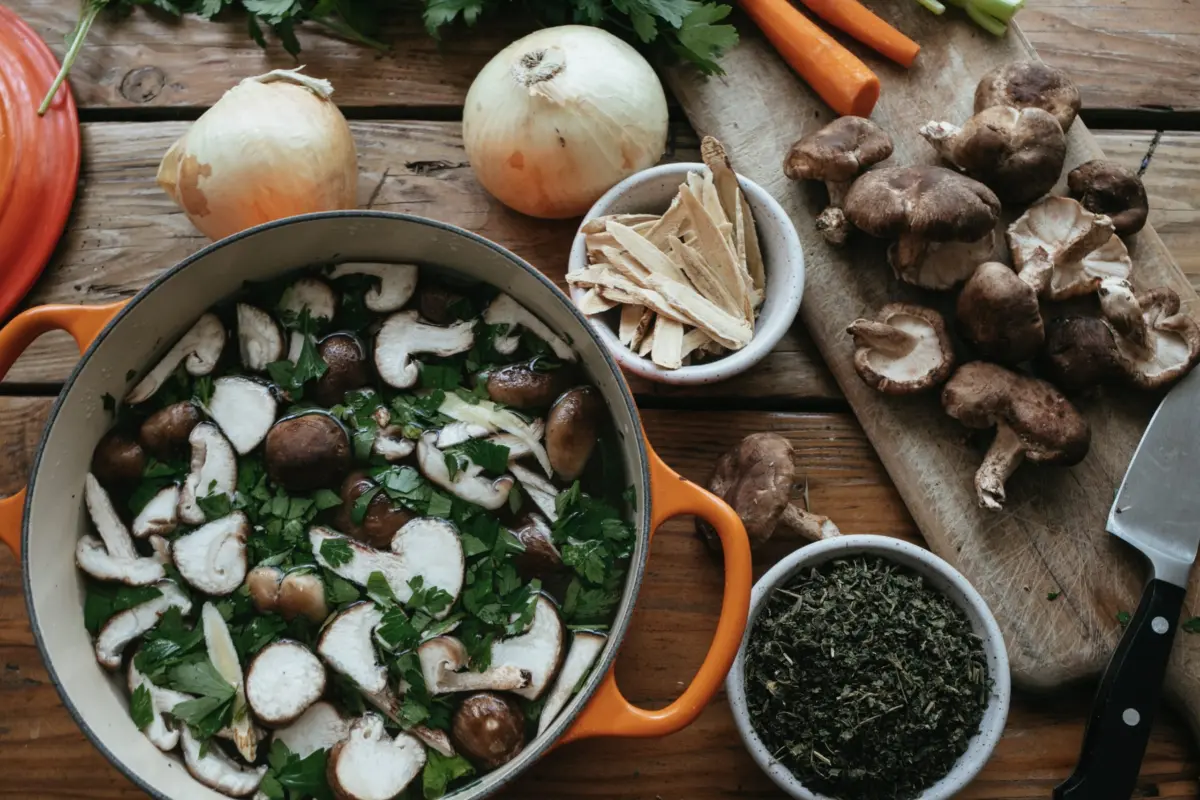
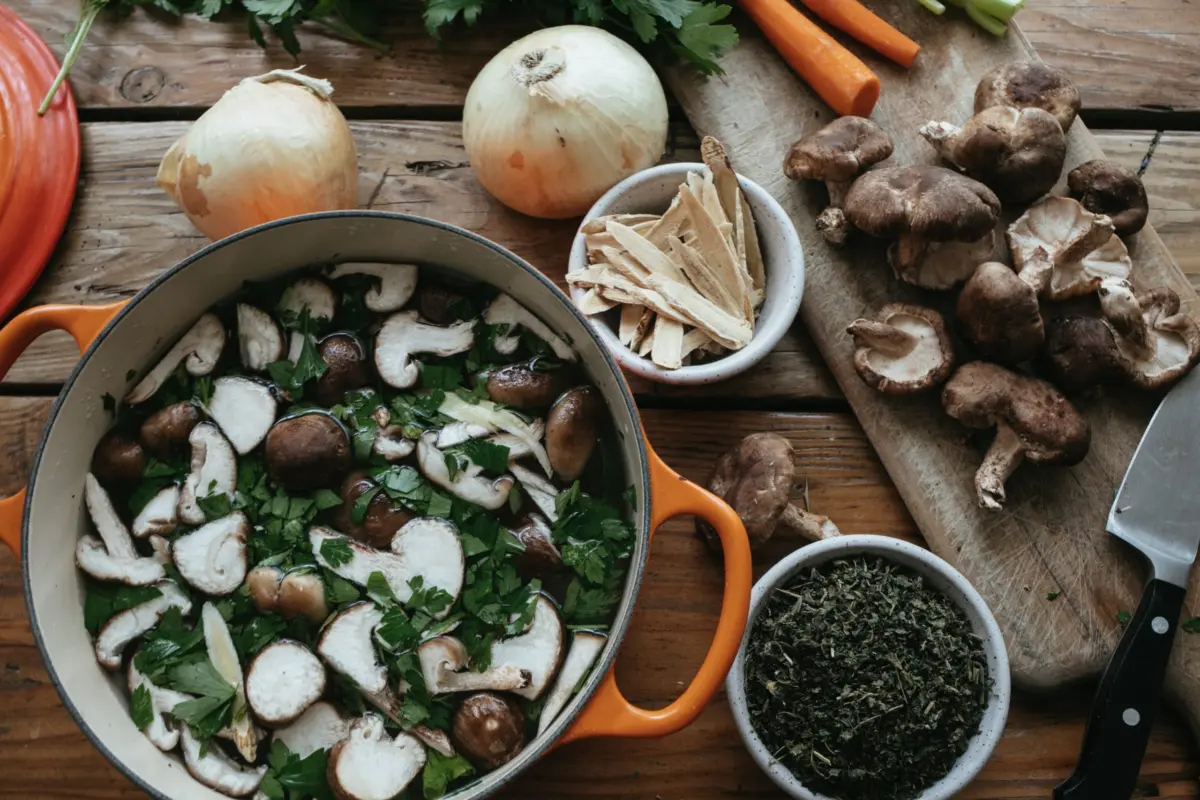
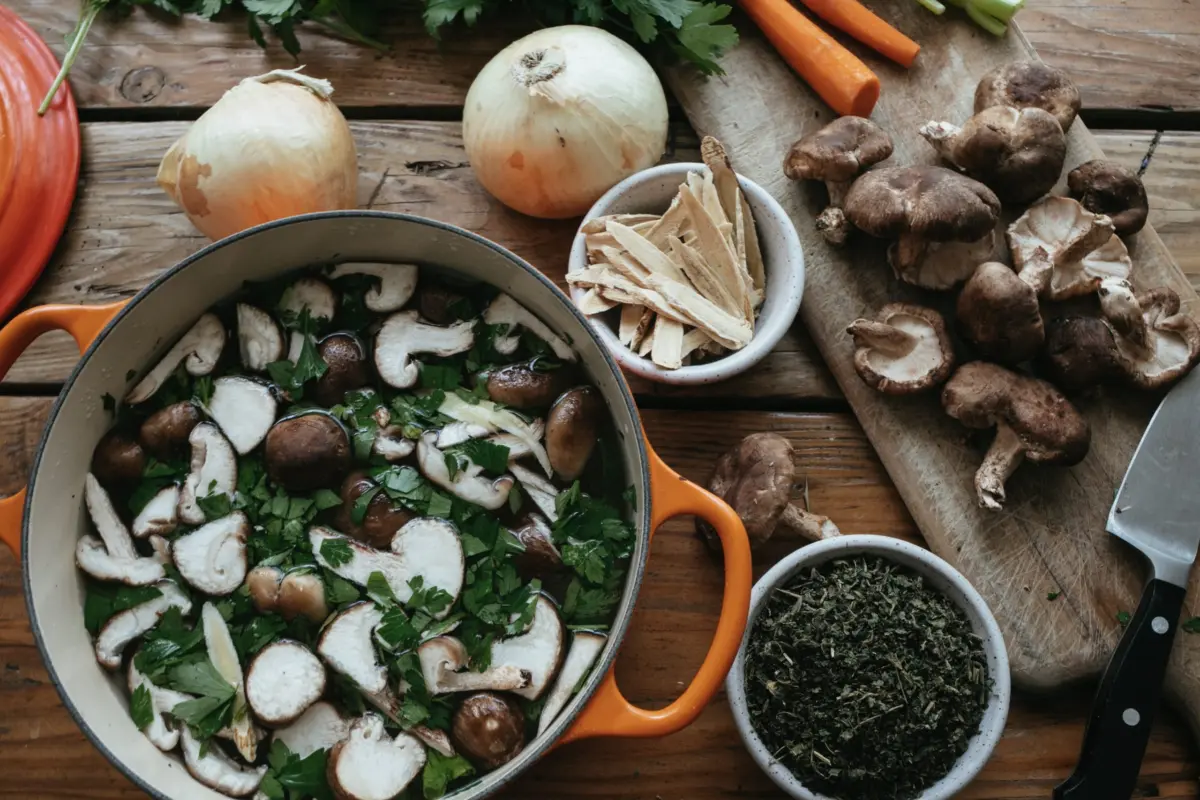
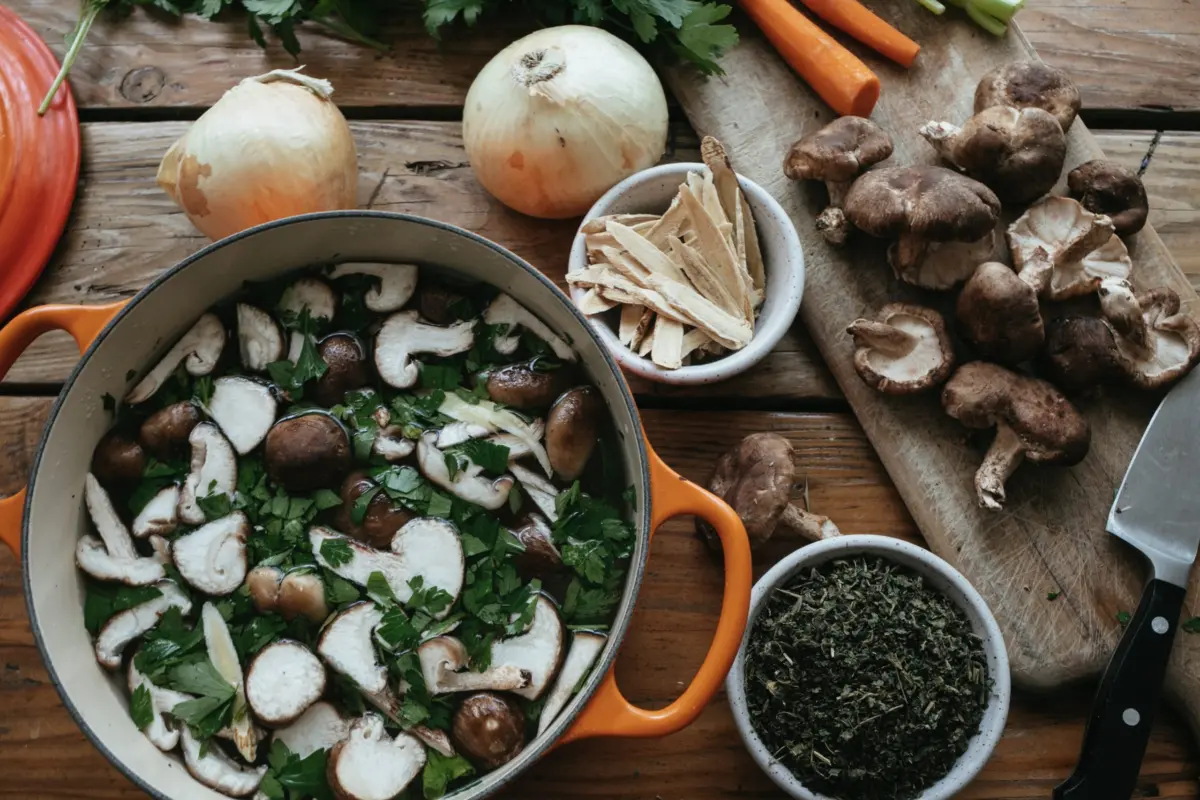
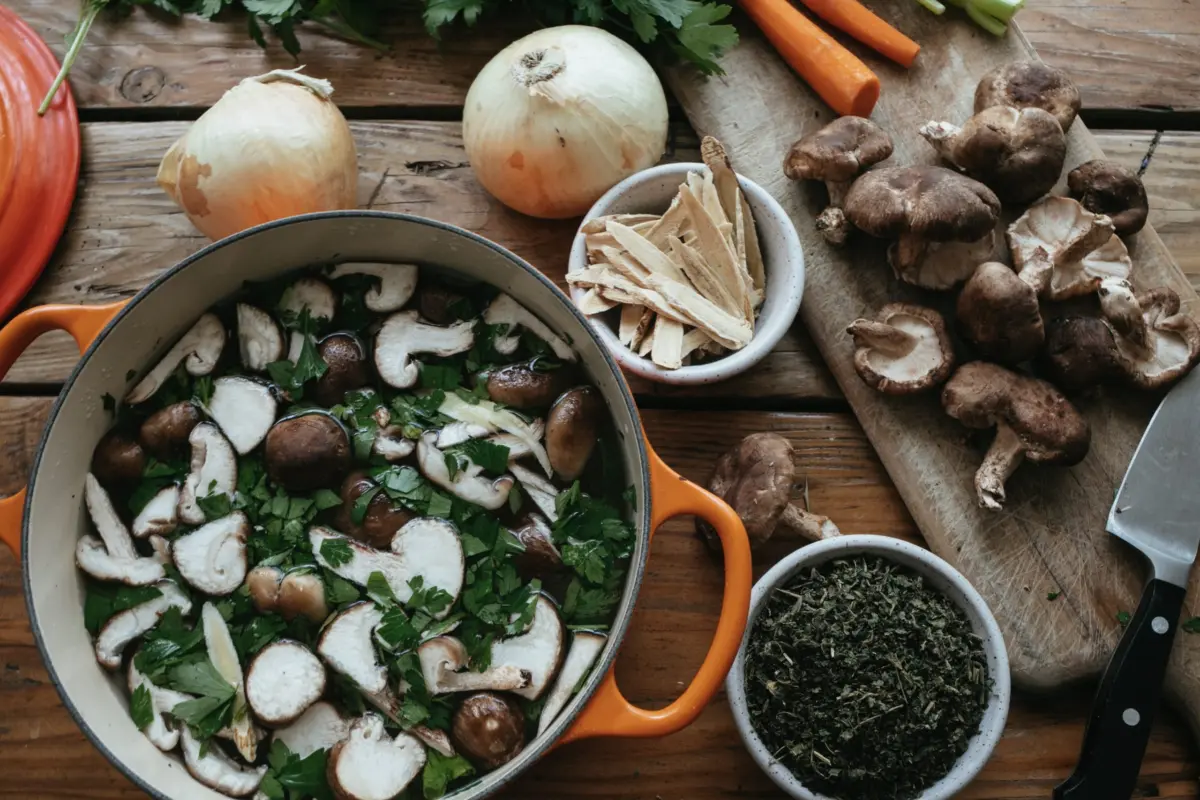
- Mushroom Immunity Broths: Utilizing medicinal mushrooms enriched with astragalus and calendula to prime the body for cold and flu season.
4. Increase the Intake of Healthy Fats
While cardiovascular health and immunity require support year-round, the colder months place unique demands on the body’s internal thermostat. Consuming adequate amounts of healthy fats helps sustain body temperature, supports neurological function, and keeps the skin hydrated from the inside out.

Nutritionists advise incorporating high-quality fats such as extra virgin olive oil, cold-pressed avocado oil, unrefined coconut oil, and traditional ghee into daily meals. Simple culinary adjustments—such as utilizing olive oil in high-protein pea and mint crostini, baking granola with coconut oil, or utilizing avocado oil for sautéing—ensure the body receives the robust fuel it needs to thrive through the frost.
5. Revise and Restock the Pantry with Nutrient-Dense Grains
Lower temperatures demand more metabolic energy from the human body simply to maintain its core temperature. To meet this energetic requirement without relying on processed foods, experts suggest restocking the pantry with heavier, whole grains that "stick to the ribs."
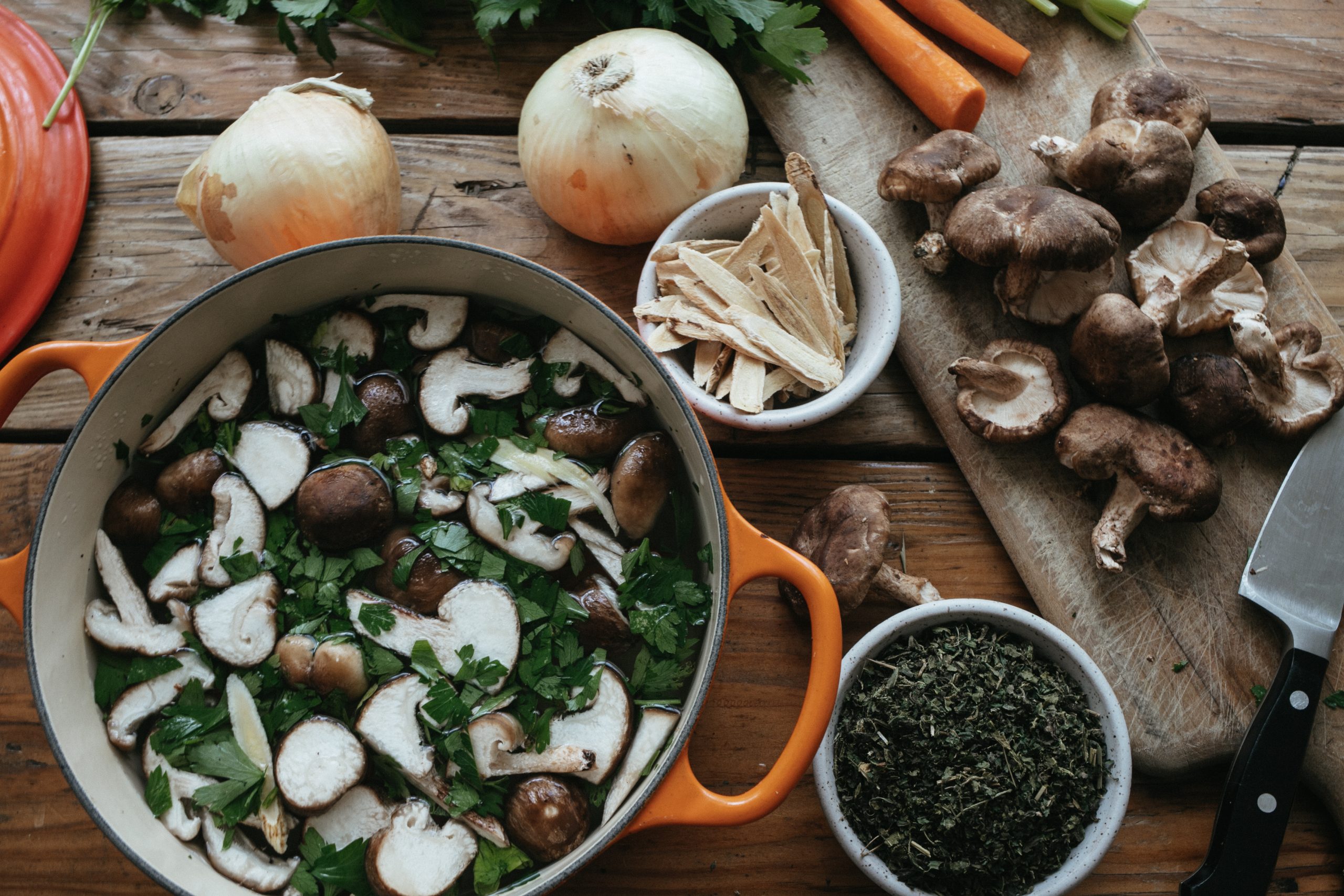
Grains such as organic quinoa, mineral-rich buckwheat, high-protein amaranth, and fibrous barley offer slow-release carbohydrates that sustain energy levels throughout the day. Hearty winter dishes—including buckwheat pasta with spinach pesto, bran and buckwheat breakfast muffins, and robust lentil-and-quinoa stews—form the cornerstone of a nourishing cold-weather diet.
6. Stock Up on Protective Syrups, Elixirs, and Fire Cider
Autumn is universally recognized as the prime preparation period for cold and flu season. Rather than reacting to illness after it strikes, proactive herbalism emphasizes fortifying the body’s resistance against viral, bacterial, and fungal pathogens well in advance.
Pantry shelves should be stocked with traditional herbal preparations crafted during the late summer harvest. Essential remedies include:
- Fire Cider: A potent, vinegar-based oxymel infused with pungent roots, garlic, and unexpected warming herbs to stimulate circulation and immune defense.
- Elderberry and Calendula Elixirs: Concentrated extracts designed to modulate the immune response.
- Herbal Fever Ease Syrups: Formulated to support the body naturally when minor seasonal bugs strike.
7. Swap Fruit-Infused Waters for Herbal Teas and Decoctions
Hydration remains just as critical in autumn as it is in summer, yet iced fruit waters lose their appeal as the ambient temperature drops. Transitioning to hot beverages not only maintains fluid intake but also delivers therapeutic plant constituents directly to the body.
Herbalists distinguish between two primary preparation methods based on plant structure:
- Infusions (Teas): Gentle steeps utilizing delicate plant parts such as leaves and flower petals (e.g., French apple cinnamon tea or herbal hot cocoa).
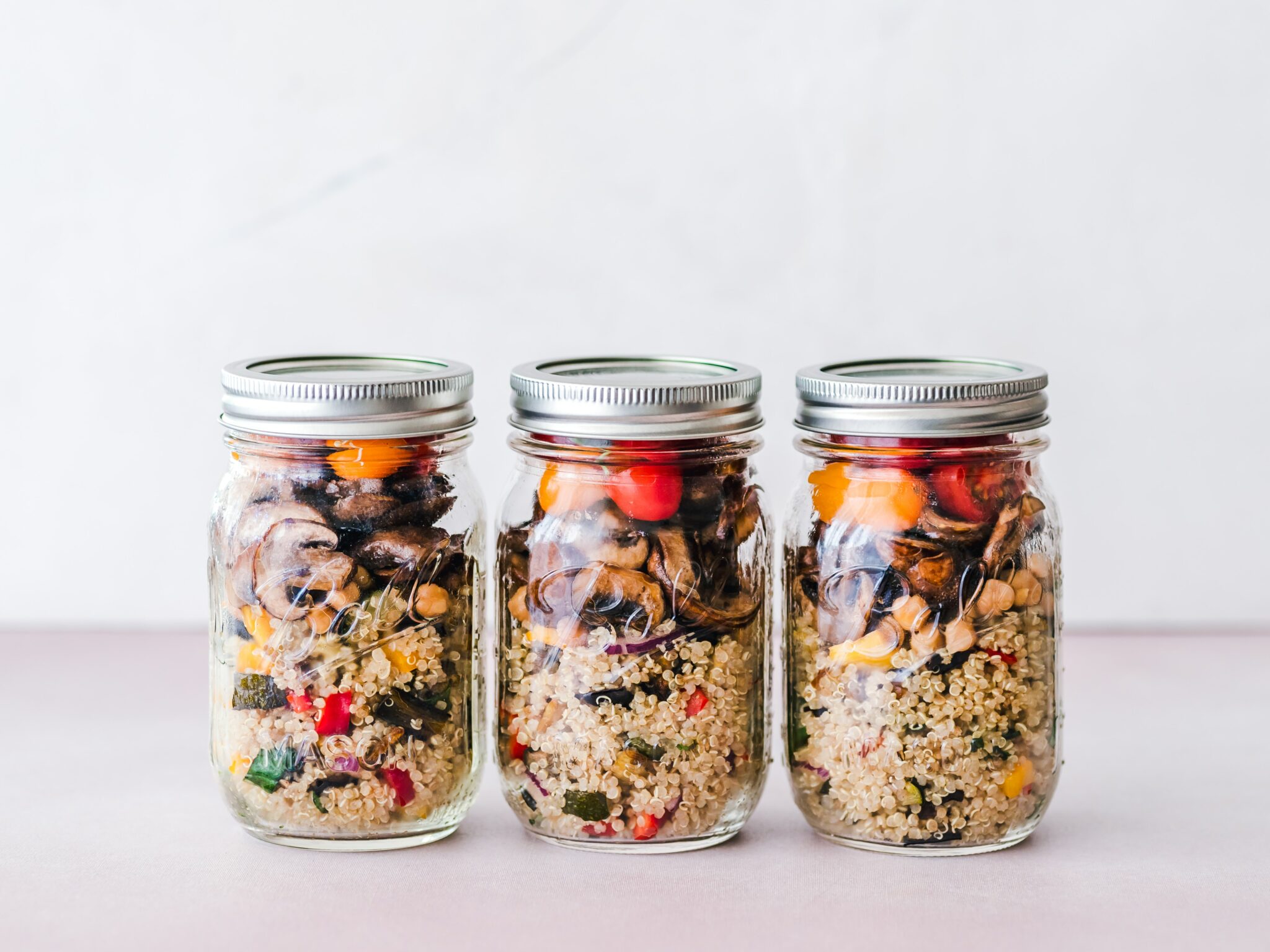
- Decoctions: Gently simmering tougher, woody plant parts—such as roots, bark, and seeds—to extract their dense, earthy compounds, as seen in traditional autumn dandelion root tonics.
8. Leave Intentional Blank Spaces on the Calendar
In modern society, burnout is frequently treated as a badge of honor, yet nature consistently models the necessity of dormancy. As daylight shortens and nights grow longer, the external world slows down, prompting humanity to follow suit.
One of the most radical forms of self-care during this transition is the intentional clearing of social and professional obligations. By leaving blank spaces on the calendar, individuals create physical and mental room for genuine rest. Pairing these quiet moments with nervine herbs—plants specifically known to soothe the nervous system and rejuvenate depleted energy reserves—allows the mind to reset for the cycle ahead.
9. Incorporate Warming Spices into Daily Recipes
Culinary anthropology demonstrates that seasonal shifts in diet are historically tied to the availability of warming spices. Ingredients such as true cinnamon, turmeric, ginger, and cardamom do more than enhance flavor; they stimulate thermogenesis, support digestive enzymes, and offer potent anti-inflammatory benefits.
Integrating these botanicals into everyday meals—such as adding a digestive spice blend to morning apple compotes, crafting handcrafted spiced caramels, or exploring specialized spice profiles designed for the herbalist’s kitchen—keeps the internal fire burning brightly as the landscape cools.
Implications and Further Exploration
Ultimately, true self-care extends far beyond superficial spa treatments; it is rooted in a deep, foundational understanding of human physiology and our interconnectedness with the natural world. Engaging with herbalism transforms wellness from a passive consumer hobby into an active, empowering lifestyle.
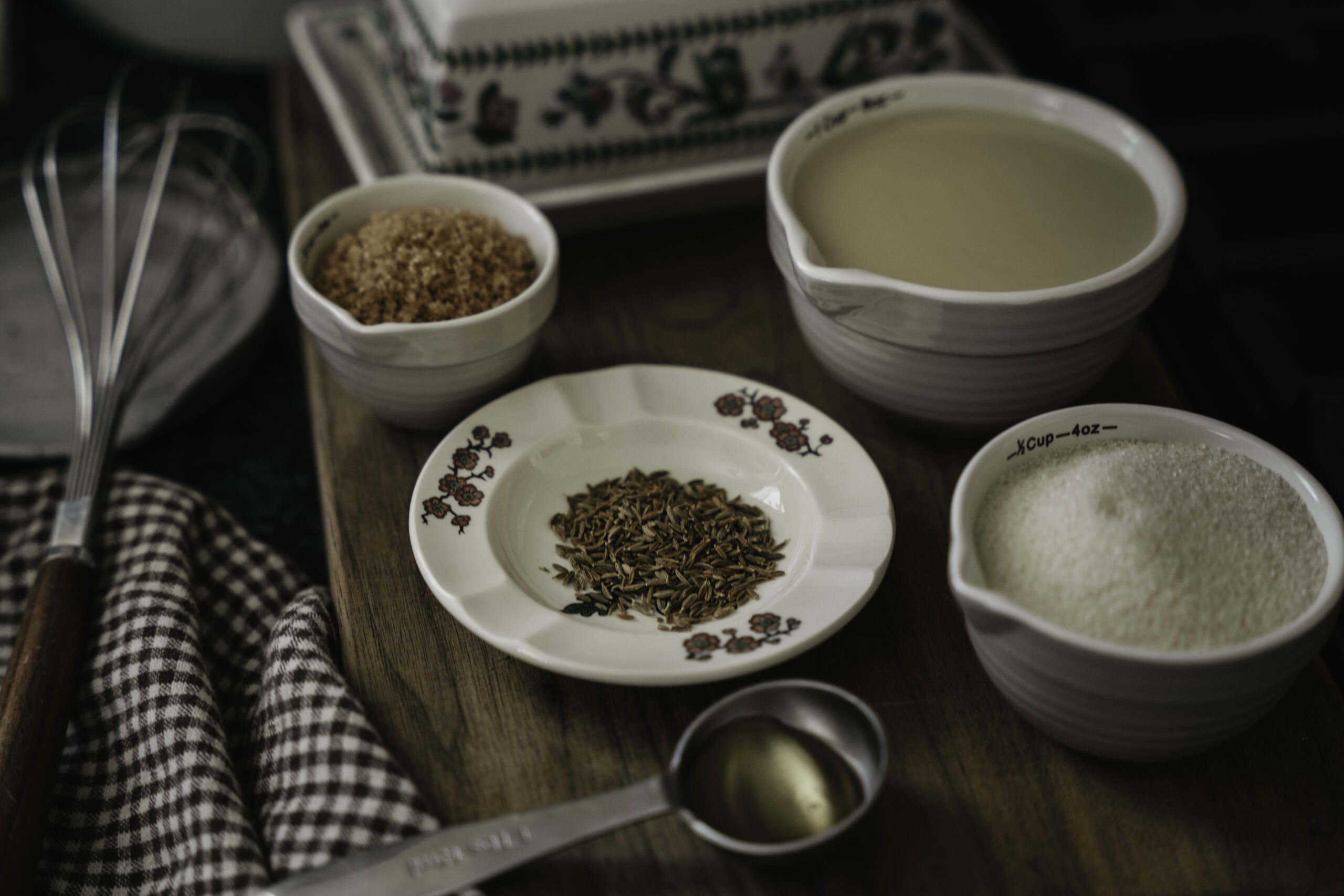
For those inspired to deepen their botanical knowledge during this transitional season, educational institutions like the Herbal Academy offer specialized curricula designed to bridge theory and practice. Comprehensive programs—such as the Botanical Skin Care Course, The Mushroom Course, and the Making Herbal Preparations 101 Mini Course—equip enthusiasts with the skills needed to sustainably harvest, process, and preserve the plant allies that sustain us through every turn of the wheel of the year.