Main Facts
In the contemporary landscape of design, mass production has long been the default engine of commerce. Yet, a quiet counter-movement is unfolding within the design capitals and artisan workshops of the world, championing slowness, intentionality, and narrative-driven objects. Enter Regen Studio, a burgeoning design practice and furniture brand based in Türkiye that challenges the transient nature of modern consumer culture.
Founded by a visionary architect, Regen Studio operates at the intersection of architectural discipline and bespoke furniture craftsmanship. The brand is defined by several core pillars:
- Made-to-Order Exclusivity: Nothing is produced at scale; every piece is custom-crafted upon request to eliminate waste and ensure uncompromising quality.
- Artisanal Collaboration: The studio partners directly with skilled local artisans in Türkiye, keeping traditional craftsmanship alive while infusing it with a contemporary sensibility.
- Architectural DNA: Furniture is approached not as a standalone commodity, but as a spatial extension—an object designed to hold, shape, and modulate the atmosphere of a room.
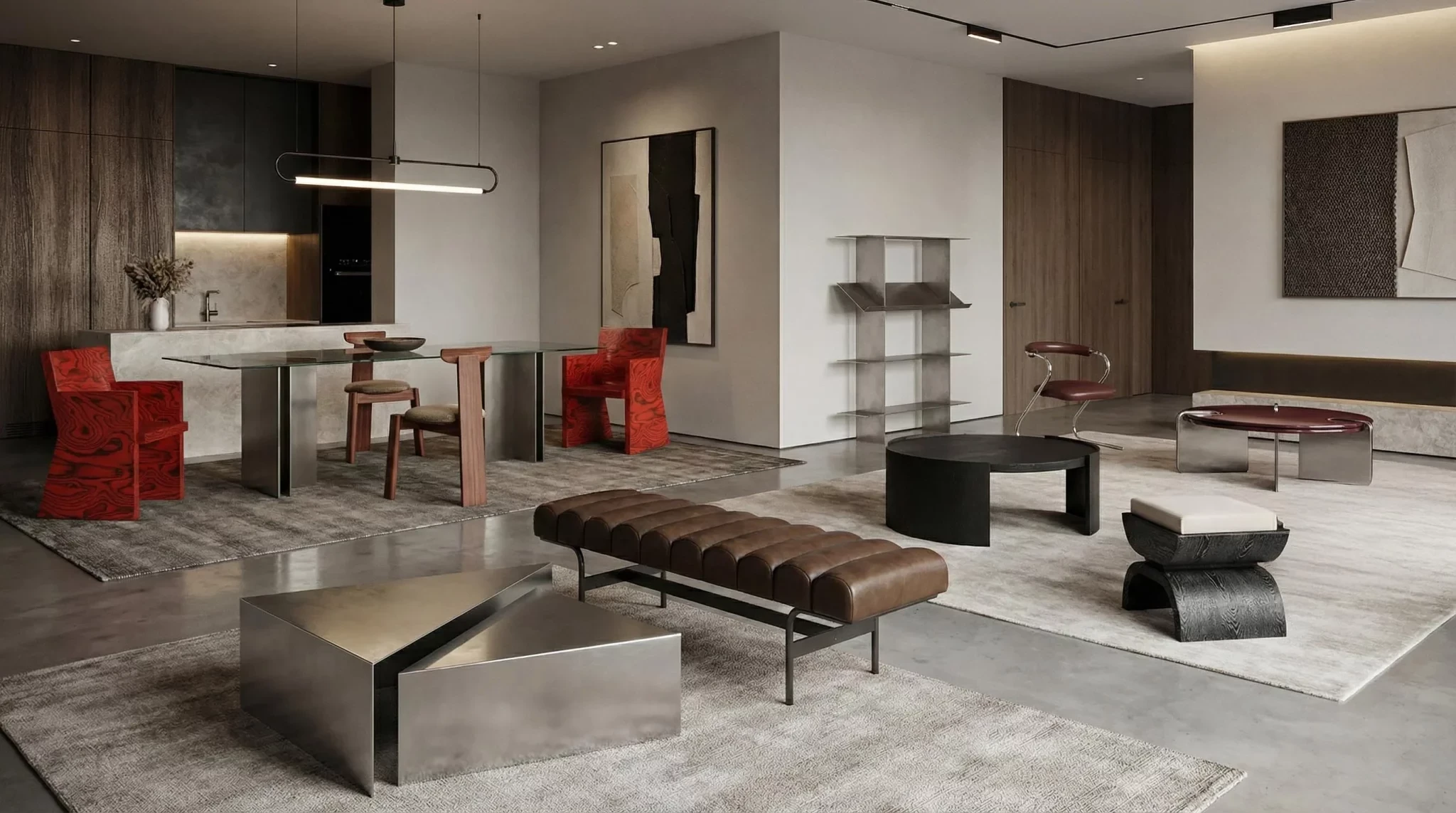
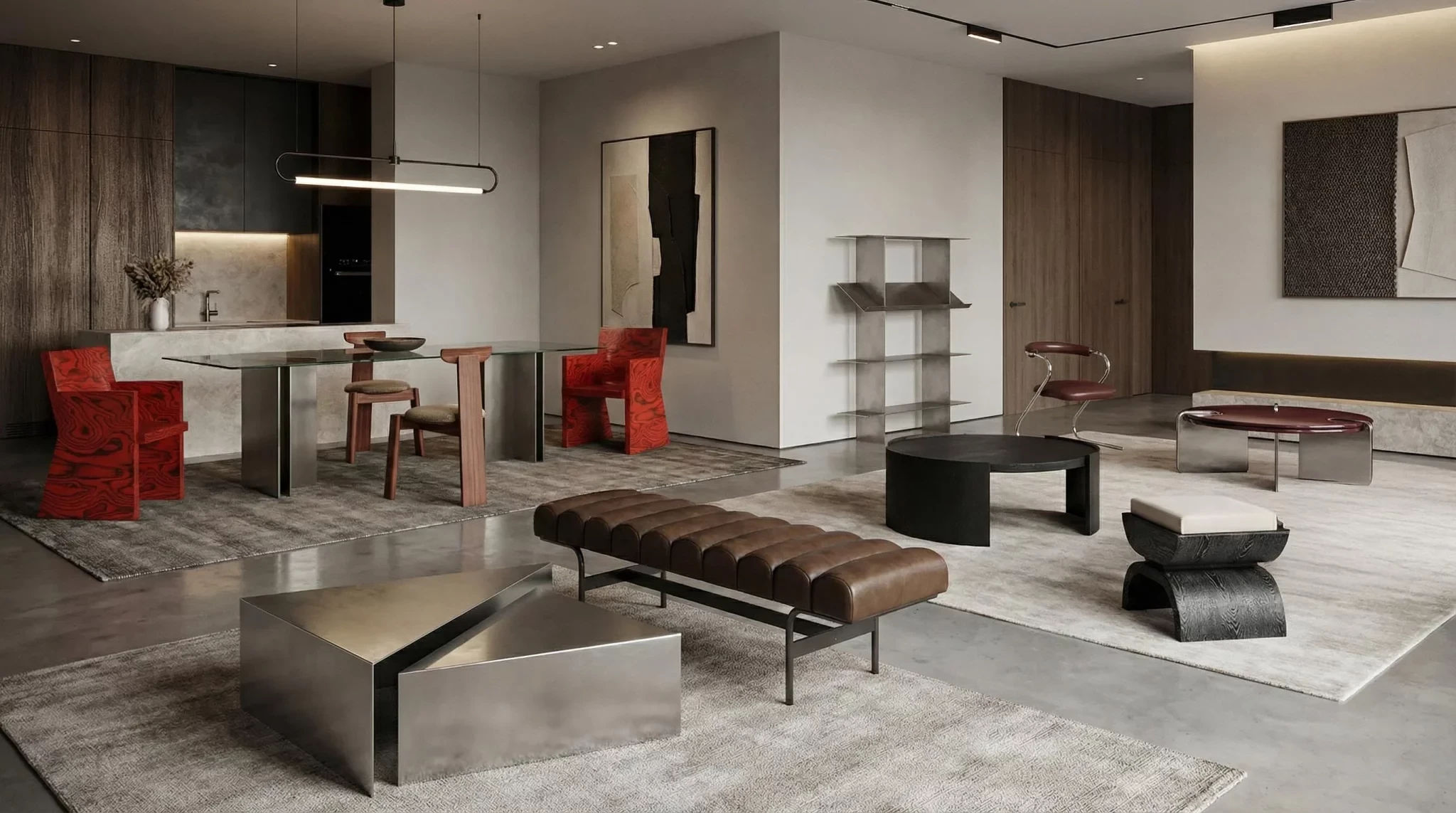
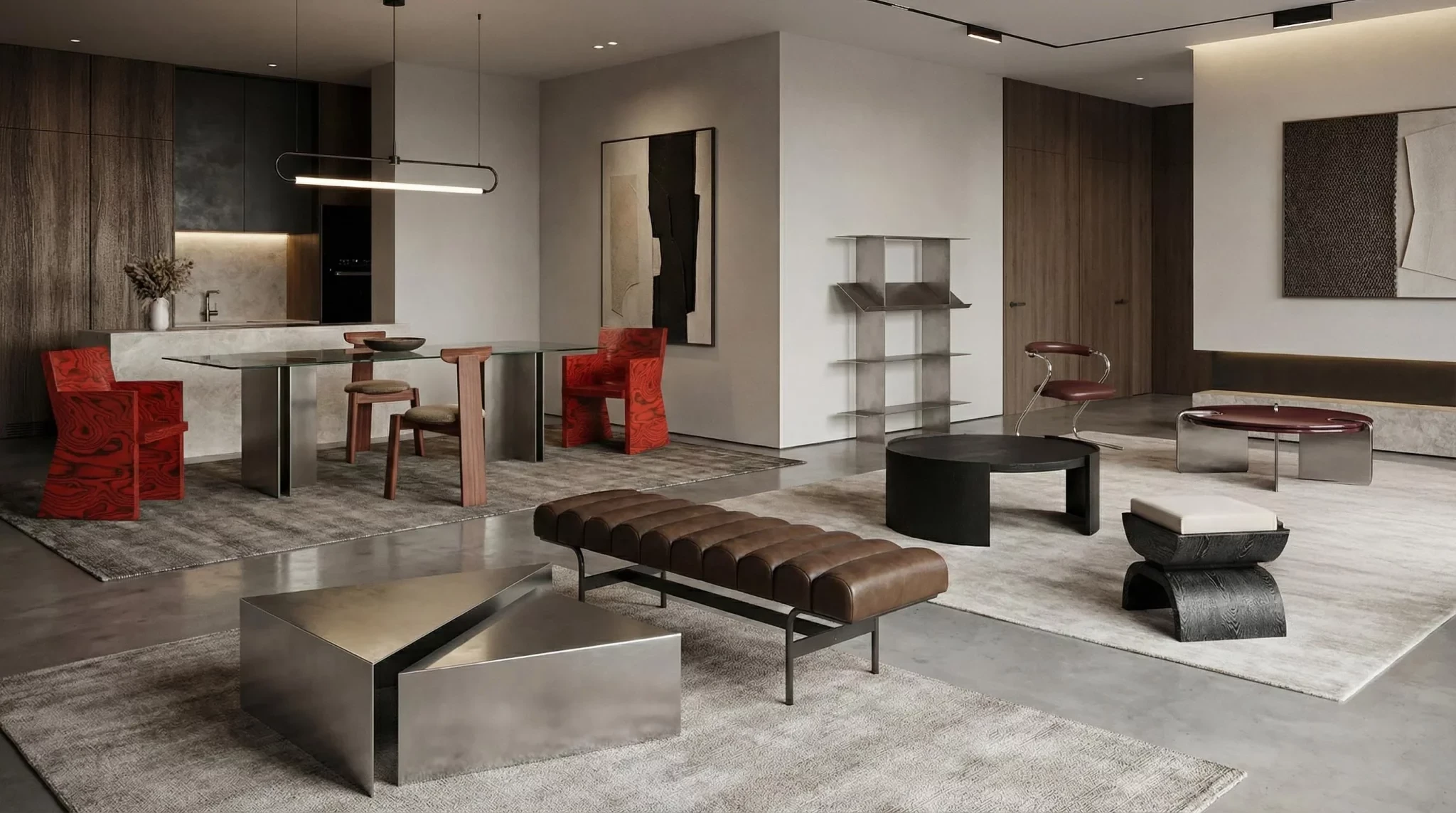
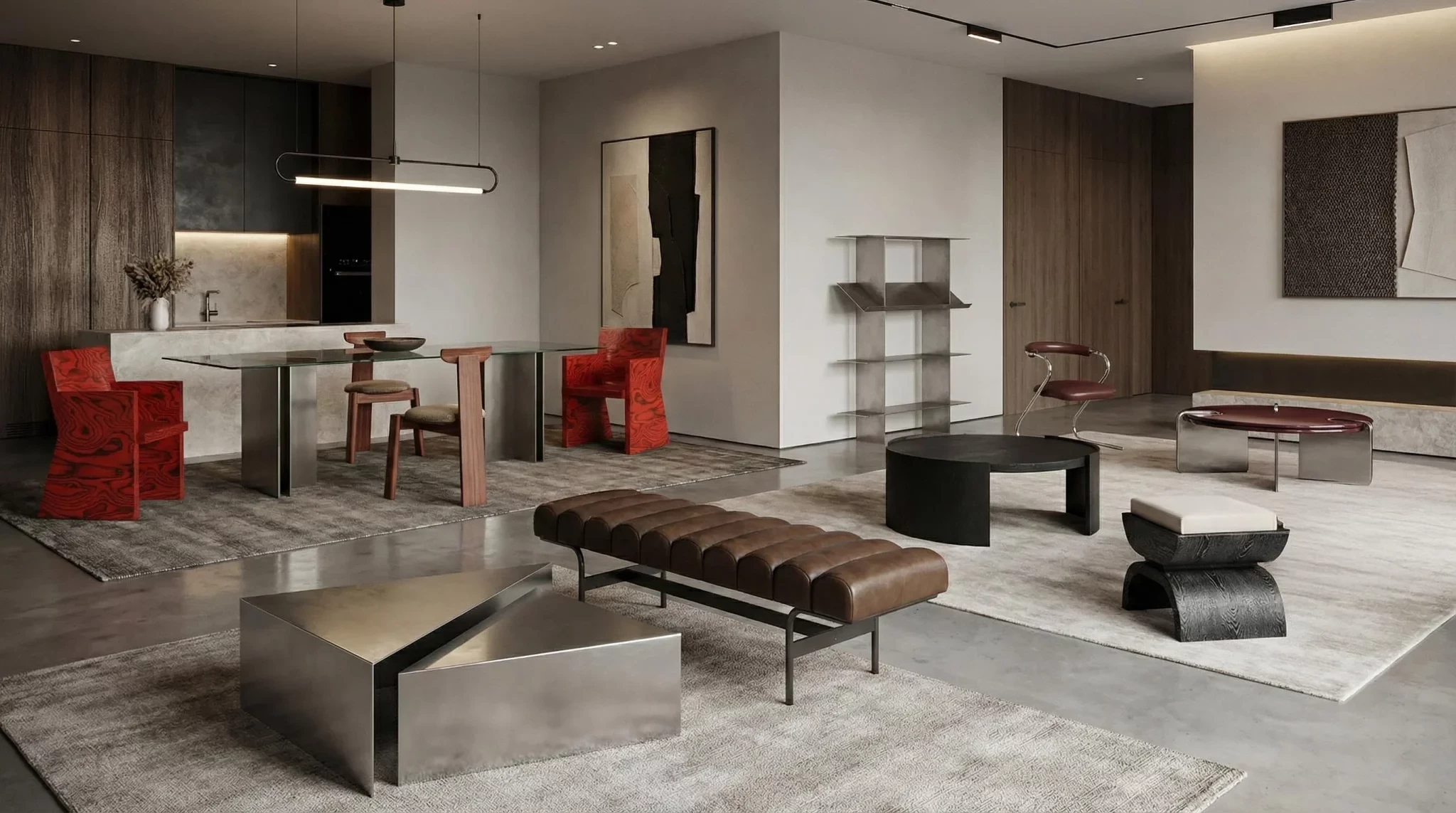
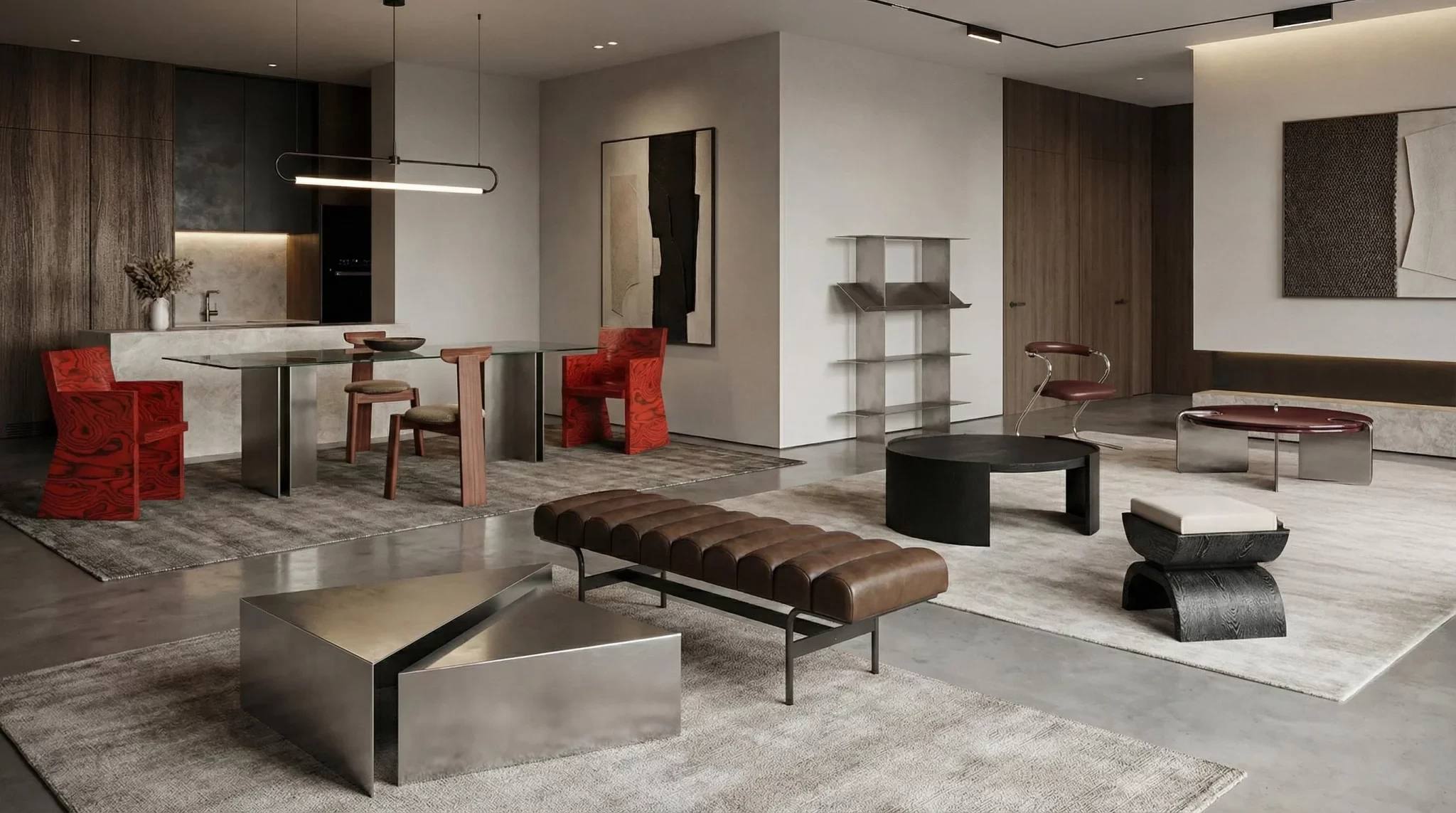
- The Flagship Piece: The studio’s philosophy is crystallized in the Kira Chair, a striking expression of root veneer, bold red polish, and uncompromising sculptural restraint.
Regen Studio’s work sits firmly in the realm of collectible design—objects made once, made well, and built to outlive fleeting interior trends.
Chronology: The Evolution of Regen Studio
1. The Pre-Launch Era: Solutions Born from Space
Regen Studio did not begin with a traditional corporate launch, a business plan, or a market-entry strategy. Instead, it was born organically out of architectural necessity. For years, the studio’s founder worked as a practicing architect. Within the confines of complex spatial projects, she routinely encountered unique design problems that off-the-shelf furniture simply could not solve.
To bridge these gaps, she began designing custom furniture and interior elements tailored specifically to individual rooms and clients. These initial pieces were functional answers to spatial equations—crafted to solve immediate design dilemmas.
2. The Realization of a Shared Language
Over time, as the architect completed more projects, a distinct pattern emerged. Across disparate client briefs and floor plans, a unified design language kept reappearing. There was a consistent logic in the way proportions were handled, a recurring instinct regarding material warmth, and a shared perspective on how an object should command a room.

This underlying continuity became too prominent to ignore. The realization struck that these custom interventions were no longer mere problem-solving add-ons; they formed a cohesive, independent body of work with its own distinct pulse.
3. The Birth of an Independent Practice
The decision to formalize this continuity marked the true genesis of Regen Studio. The founder chose to spin the furniture design arm out of her traditional architectural practice, liberating the work from individual client constraints. This independence allowed the studio to pursue its own material logic, explore uncompromised forms, and develop a dedicated vocabulary that could exist anywhere, unmoored from a single building’s blueprint.
4. Refining the Craft and the Iconic Kira Chair
With the studio formally established, the focus shifted toward refining the production ecosystem. Collaborating closely with generational local artisans in Türkiye, the studio began to test the limits of wood veneer, metalwork, and specialized finishes. This iterative period of drawing, making, and failing forward culminated in the creation of signature works, chief among them the Kira Chair—a definitive statement piece that catapulted the studio onto the international collectible design radar.
Supporting Data & Design Philosophy
The Architectural Foundation
To understand Regen Studio is to understand that architecture and furniture are not separate disciplines; they are scales of the same thought process. The studio’s founder applies macro-level architectural principles—such as mass, void, structural rhythm, and human scale—to micro-level objects.
When a chair or a credenza is designed, the questions being asked are fundamentally architectural:
- How does the object alter the negative space around it?
- How does it capture or reflect light?
- How does it manage the emotional temperature of an interior?
Mid-Century Modernism Meets Forgotten Techniques
The studio’s aesthetic draws heavy inspiration from the mid-century modern movement, specifically its reverence for organic forms, functional clarity, and honest material expression. However, Regen refuses to fall into the trap of nostalgic replication.

Instead, the studio actively hunts for forgotten techniques—craft traditions, joinery methods, and material treatments that were once standard but have been discarded by modern industrial manufacturing. By reinterpreting these historical methods through a contemporary lens, Regen creates a living dialogue between the past and the present.
The Power of Constraints
In commercial design, constraints are viewed as obstacles to be engineered away. Regen Studio embraces constraints as vital creative partners. Many of the studio’s most innovative pieces originated under strict real-world pressures: tight timelines, spatial limitations, or specific material scarcities encountered on architectural sites. Rather than diluting the design, these limitations forced a level of precision and resourcefulness that elevated the final objects, proving that restriction is often the mother of true elegance.
Official Insights & The Creative Process
Behind the Workshop Doors
The creation of a Regen Studio piece is a deeply collaborative, iterative journey that begins long before any material is cut.
"Craftsmanship is not a finishing step applied at the end of a production line," notes the studio. "It is an active voice that shapes the final character of each piece from the very first sketch."
The process moves fluidly between the drawing board and the workshop floor. The designer and the artisan work in tandem, testing how wood grain reacts to tension, how a specific lacquer behaves under hand-applied polish, and how a silhouette can carry both visual presence and subtle grace simultaneously.
Anatomy of a Masterpiece: The Kira Chair
No object represents this philosophy more clearly than the Kira Chair.

- Dimensions: 88 × 56 × 63 cm
- Materials: Root veneer surface, wood veneer construction
- Aesthetics: Finished with a bold, hand-applied red polish, the Kira Chair is unapologetically confident.
Described by the studio as an object that "confidently expresses its own style," the Kira Chair avoids the trap of screaming for attention. Instead, it possesses a quiet, sculptural authority that refuses to be ignored. Designed with the precise proportions of architectural scale, it is a piece built for a room, not a mass-market catalogue. Fully customizable in various polish colors and made entirely to order by Turkish artisans, the Kira Chair is envisioned not just as seating, but as a mirror reflecting the personality of the inhabitant.
Implications: The Future of Collectible Design
The rise of Regen Studio signals a broader, much-needed shift within the global design industry. As consumers grow fatigued by fast furniture, disposable flat-pack culture, and homogenized interiors, practices like Regen offer a compelling alternative rooted in authenticity and provenance.
1. Redefining Sustainability Through Longevity
True sustainability in design is not merely about using recycled plastics; it is about creating objects that are cherished and kept for generations. By employing made-to-order models and durable, traditional materials like root veneer and solid wood, Regen Studio actively combats the throwaway culture of modern interior design.
2. Preserving Heritage Craftsmanship
In an era where localized handcraft is dying out due to cheap industrial outsourcing, studios that bridge contemporary aesthetics with local artisanal networks provide a vital economic and cultural lifeline. By keeping traditional Turkish woodworking and finishing skills alive, Regen ensures that generational knowledge is passed down and valued in the global marketplace.
3. The Shift Toward Emotional Resonance
Interiors are increasingly viewed as sanctuaries for mental well-being. Objects that carry the human touch—imperfections in wood grain, the depth of a hand-rubbed polish, the narrative of local making—inject soul into physical spaces. Regen Studio’s success proves that modern buyers are hungering for objects with a heartbeat: pieces that do not just fill a room, but shape its spirit.
As Regen Studio continues to craft its narrative from Türkiye to the world, it stands as a testament to the fact that when design is driven by architectural rigor and executed with human hands, furniture transcends utility to become true, collectible art.