In the modern fitness landscape, our mental real estate is almost exclusively dominated by aesthetic and performance-driven muscle groups. We obsess over the hypertrophy of our biceps, track the definition of our quads, carve out dedicated training blocks for our glutes, and count every single macro to protect our abs. We ice sore hamstrings, meticulously foam roll tight IT bands, and spend entire training sessions prioritizing shoulder mobility.
Yet, tucked away inside our shoes are 29 intricate muscles, 26 bones, and a complex network of tendons and ligaments that we almost entirely ignore. Most of us never ponder the health of our flexor digitorum brevis, our quadratus plantae, or our plantar interossei. We subject these small, hardworking structures to hours of confinement in narrow-toed, heavily cushioned footwear, treating our feet as passive pillars rather than dynamic, intelligent drivers of human movement.
For many fitness enthusiasts, this chronic neglect represents a glaring blind spot in an otherwise comprehensive wellness routine. As the conversation around healthspan, functional fitness, and longevity evolves, experts are urging a paradigm shift: true physical independence and athletic optimization begin from the ground up.
Main Facts: The Anatomy of Ground-Level Mechanics
Your feet are the primary interface between your body and the physical world. Every single step you take initiates an instantaneous, continuous neurological and muscular feedback loop. The soles of your feet house thousands of mechanoreceptors that constantly communicate with your central nervous system. This delicate dialogue processes your spatial orientation, calculates how to distribute physical loads, and orchestrates the micro-adjustments required to keep you upright.
When this foundational system operates efficiently, it happens quietly in the background. However, when dysfunction takes root in the foot, the consequences rarely stay isolated.
Biomechanically, a structural breakdown in the foot triggers a cascade of compensatory patterns that travel relentlessly upward. A tight, underused arch or restricted big-toe mobility can alter the mechanics of the ankle, destabilize the knee, compromise hip rotation, and ultimately manifest as chronic lower back tightness or spinal misalignment. What begins as a localized stiffness from poorly chosen footwear quietly transforms into systemic kinetic dysfunction.

Supporting Data & Expert Insights: The Longevity Connection
This biomechanical chain reaction is not merely a short-term orthopedic nuisance; it is a critical factor in long-term human healthspan.
Dr. Courtney Conley, a prominent chiropractic physician and a leading authority in foot and gait mechanics, emphasizes that declining foot strength directly correlates with reduced gait speed, heightened fall risk, and a progressive loss of physical independence as we age. These outcomes are not distant theoretical worries for the elderly; they are the cumulative result of decades of footwear choices and lifestyle habits that diminish intrinsic foot strength.
"Foot function is a profound predictor of how well we move through life over time," notes Dr. Conley. When shoes dampen sensory input from the ground—a hallmark of ultra-cushioned modern running shoes—the brain receives degraded proprioceptive data. Under heavy loads, such as a barbell squat, a dynamic lunge, or a lateral cut on a tennis court, this clarity deficit creates micro-instabilities. Over years of training and daily movement, these unaddressed micro-instabilities compound into chronic joint wear and tear.
Recognizing these risks, a growing number of fitness practitioners, physical therapists, and biohackers are moving away from passive support and toward active foot conditioning.
Chronology of an Experiment: Reclaiming Foot Health
To understand how small interventions might alter daily performance and physical awareness, one wellness writer recently documented a 30-day self-experiment. Rather than adopting an intensely rigid rehabilitation protocol, the month-long journey focused on integrating mindful foot awareness into daily habits.
Phase One: Introducing Toe Spacers and Nightly Recovery
The experiment began with the introduction of silicone toe spacers, worn primarily during evening relaxation. Initially, the sensation was foreign and mildly uncomfortable—a testament to years of confinement inside tapered athletic shoes. Inspired by alarming visual evidence of elite athletes’ feet compressed by decades of restrictive footwear, the participant committed to using the spacers consistently, particularly after high-lateral-movement activities like pickleball. Within two weeks, what initially felt awkward transformed into a welcome ritual of decompression.
Phase Two: Targeted Foot Strength and Isolation Work
Next came the inclusion of foot-specific strength training. This did not require specialized gym equipment; rather, it involved eccentric calf raises (focusing on the lowering phase, which demands maximum ankle and arch stability), short-foot exercises to engage intrinsic muscles, barefoot balance drills, and humbling attempts at independent toe isolation. Performed while working at a standing desk, these exercises exposed severe neurological gaps in muscles that had never been intentionally trained.
Phase Three: Stripping Away the Slippers and Embracing the Floor
In the interest of increasing sensory exposure, the participant sacrificed comfort by ditching plush indoor house slippers. Living in an urban environment severely limited outdoor barefoot time, so maximizing barefoot hours indoors became a priority. Training sessions at the gym were increasingly performed in socks, particularly during single-leg stability work and lower-body strength training.
Phase Four: A Comprehensive Footwear Audit
The final step involved an honest assessment of daily footwear. The participant evaluated walking shoes, gym trainers, and casual sneakers, focusing on toe-box width, midsole cushioning, and overall structural rigidity. Modern footwear, while optimized for immediate comfort, was found to systematically erode foot functionality.
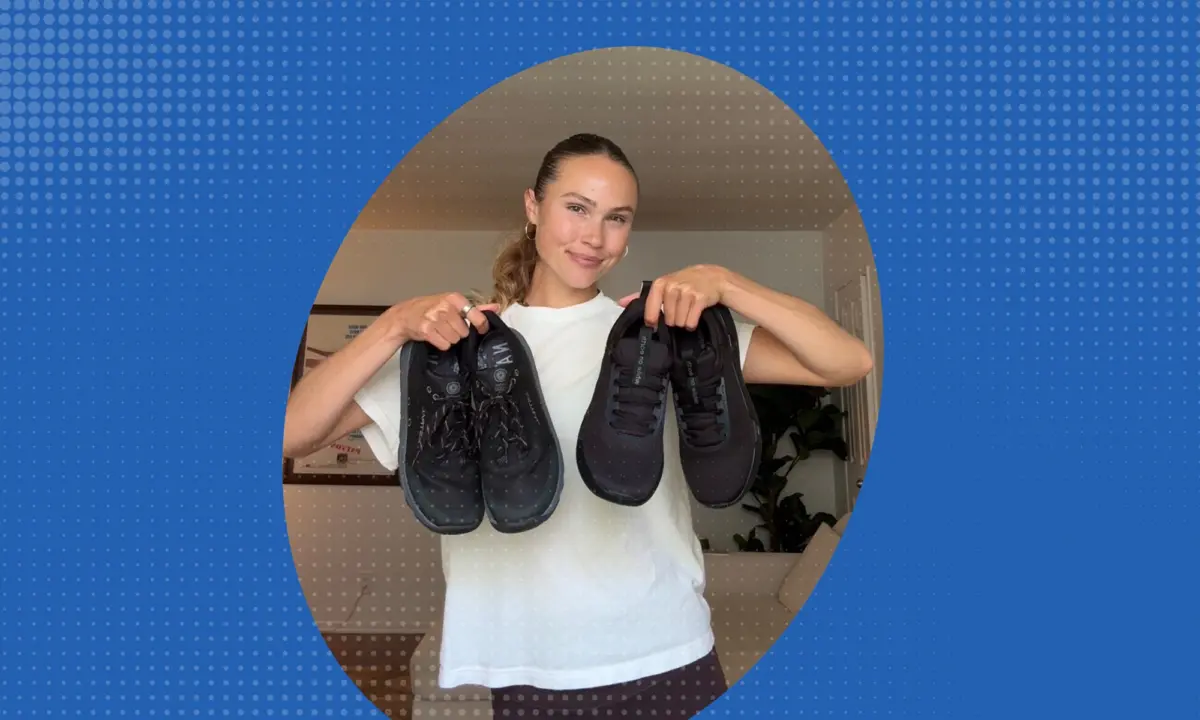
To transition away from restrictive shoes, the participant tested two minimalist options:
- Astral TR1 Sensi HT: Featuring a wide toe box, zero-drop platform, and natural fibers, these shoes maximized ground feel without sacrificing basic protection. Transitioning required a gradual, week-by-week approach to allow the lower leg tissues to adapt safely.
- While on Earth’s Move Trainer: Utilized for higher-intensity workouts and longer walks, this shoe offered a generous toe box paired with a modest 6-millimeter heel-to-toe drop, providing a touch of cushion for high-impact days without compromising foot splay.
Official Responses and Industry Trends
The shift toward foot health is quickly transitioning from a fringe biohacking trend into a mainstream athletic movement. The footwear industry has responded aggressively to the demand for functional, foot-shaped designs.
Data from the athletic gear sector highlights an unprecedented surge in the popularity of zero-drop, wide-toe-box, and weightlifting-specific footwear. Consumers are increasingly rejecting ultra-plush, highly supportive shoes in favor of gear that allows the foot to function as an independent, articulate unit. Physical therapy clinics are similarly updating their intake evaluations, placing a greater emphasis on intrinsic foot muscle testing and gait analysis long before patients present with overt plantar fasciitis or Achilles tendinitis.

Implications: The Foundation Is Underfoot
After a single month of deliberate foot care, the observed changes were subtle yet profound. The participant reported enhanced stability during single-leg exercises like split squats and Romanian deadlifts, a noticeable reduction in foot fatigue following long walks or athletic matches, and a deeper sense of connection and power during heavy barbell lifts.
More than physical metrics, the primary takeaway was an elevated state of somatic awareness. The individual became acutely conscious of weight distribution, posture, and environmental interaction.
Ultimately, human ambition in fitness often targets the visible—the mirror muscles, aesthetic benchmarks, and numbers chalked onto weight plates. While these goals are valuable, they rest entirely upon an intricate biological foundation of 29 small muscles, 26 bones, and a finely tuned neurological feedback loop.
Whether your long-term vision involves conquering mountain trails, maintaining athletic longevity into your later decades, or simply moving through daily life with grace and autonomy, the principle remains absolute: every physical aspiration starts from the ground up, because the foundation is, quite literally, underfoot.