Main Facts
In an era dominated by automated mass production and rapid global logistics, Türkiye-based Regen Studio represents a deliberate and meditative counter-movement. Founded by an architect whose early career centered on bespoke spatial commissions, the studio operates as both an architectural design practice and an exclusive, made-to-order furniture brand. Regen Studio does not manufacture at scale; instead, every piece is brought to life by skilled local artisans who utilize traditional techniques combined with contemporary design philosophy.
At the core of the brand’s identity is the belief that furniture is not merely decorative objects placed inside a building, but rather an organic extension of architecture itself. By exploring the complex interplay of proportion, volume, material texture, and spatial atmosphere, Regen Studio crafts collectible design pieces that transcend fleeting trends.
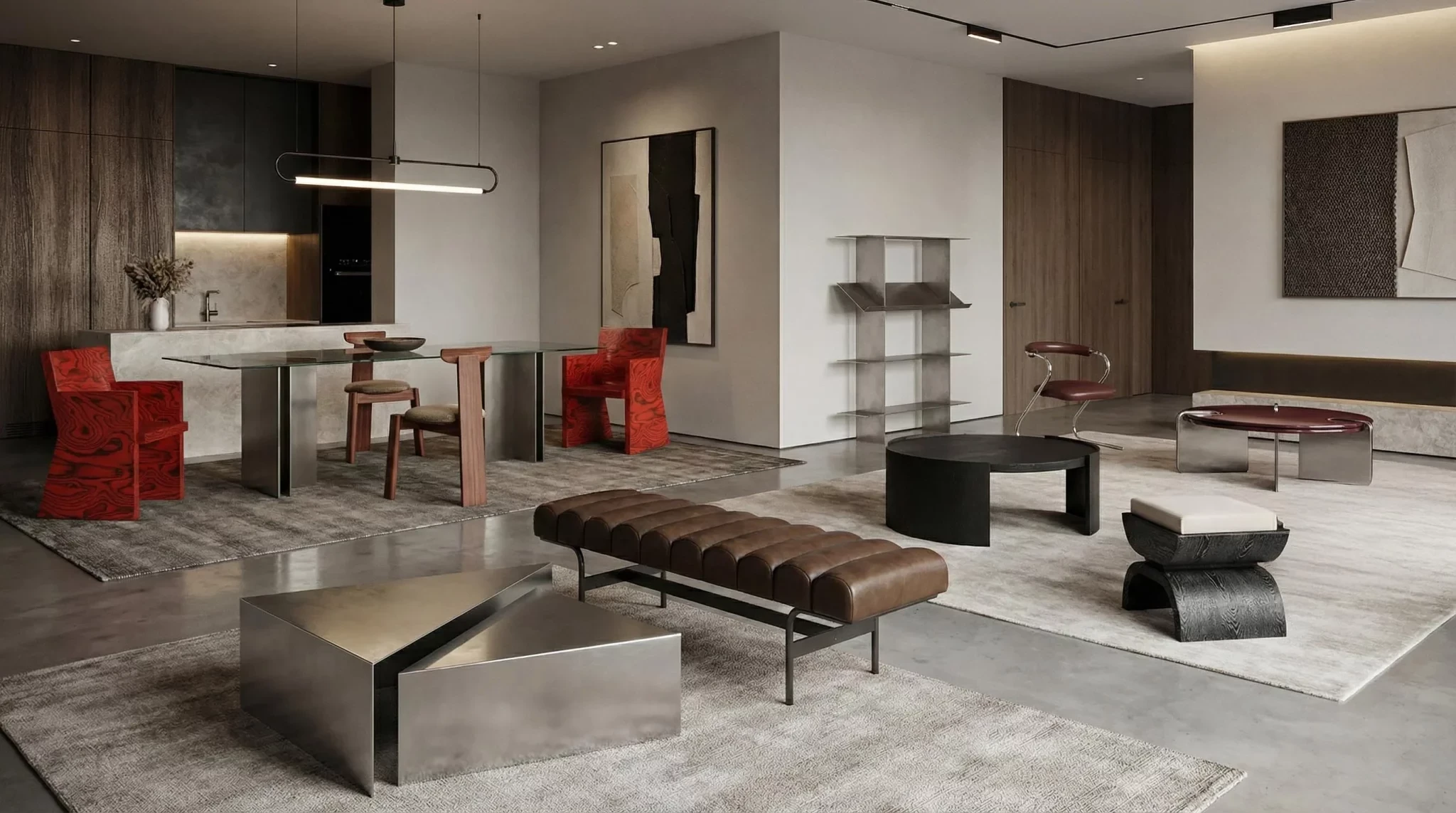
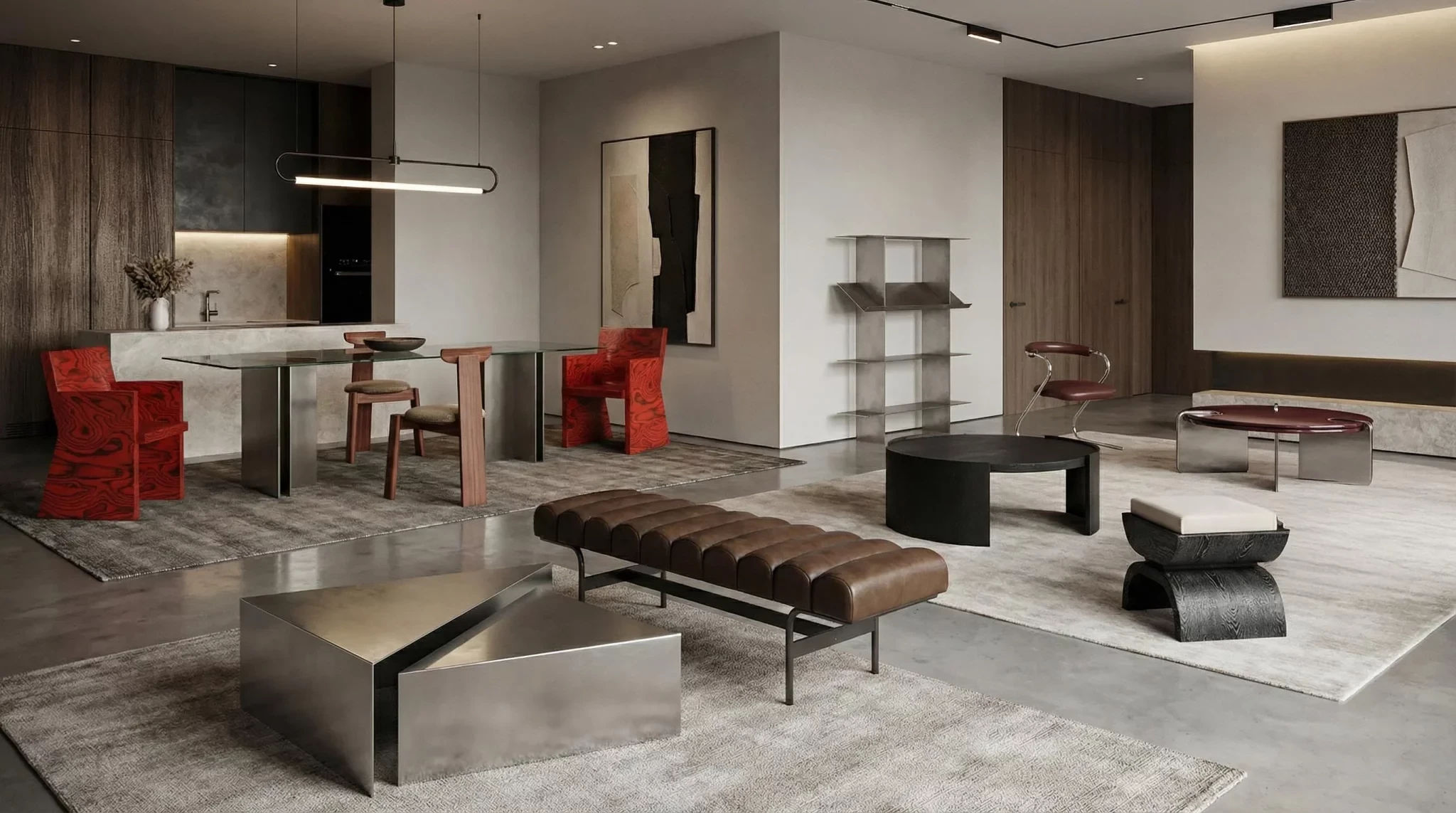
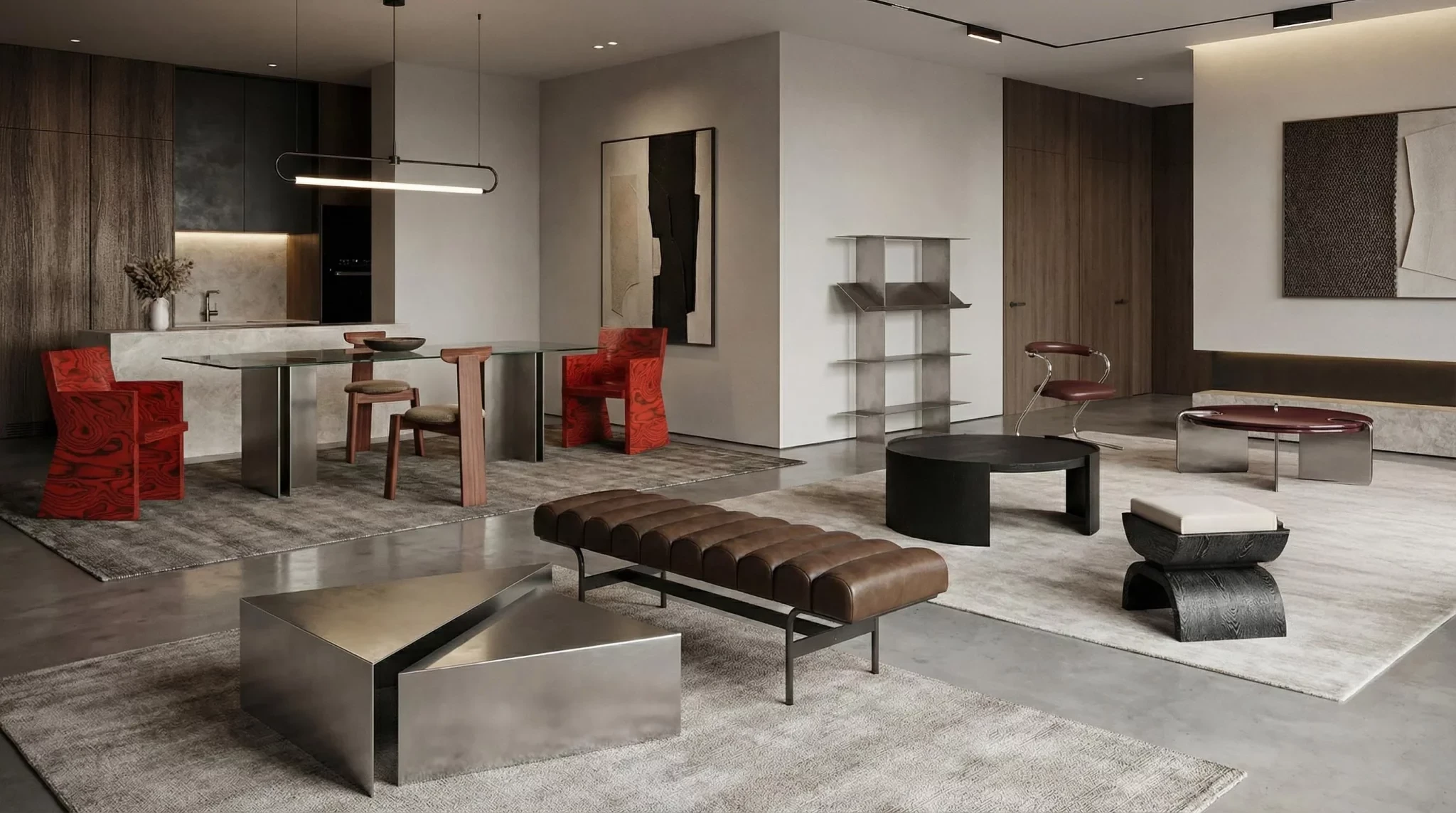
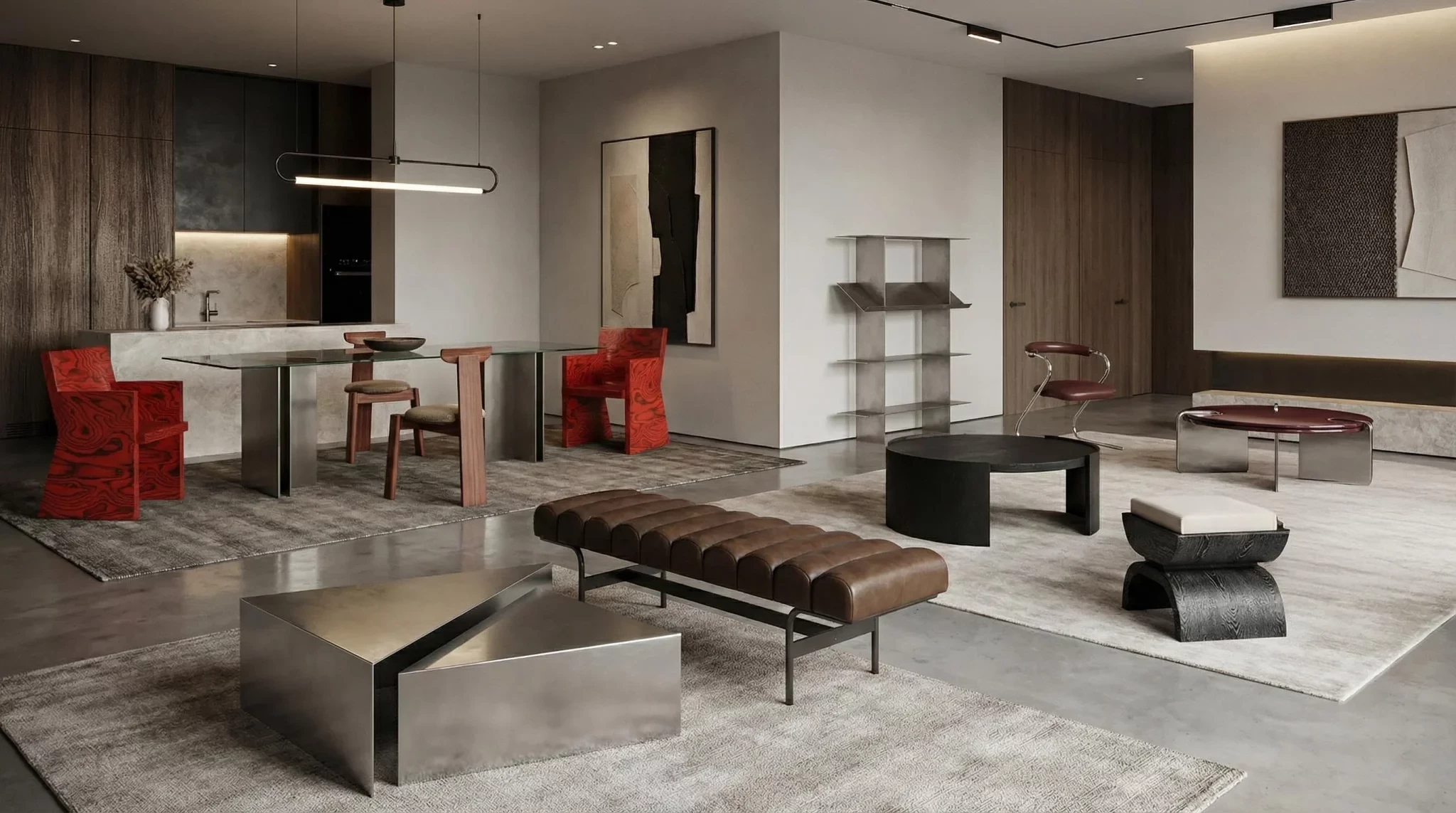
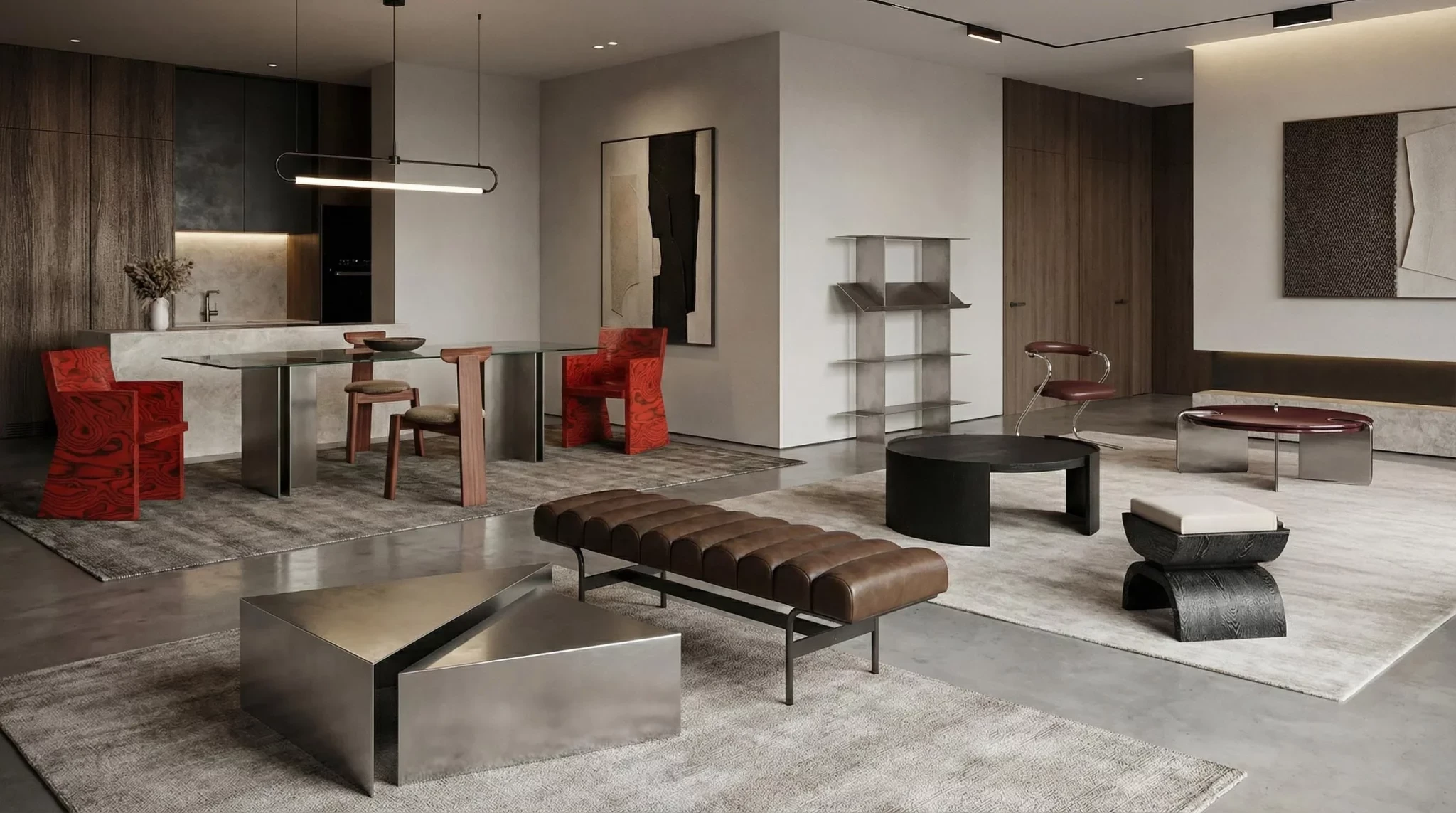
Among its signature offerings is the striking Kira chair—a masterclass in restraint and presence, constructed from rich root veneer and finished in a bold, customizable red polish. Measuring 88 × 56 × 63 cm, the chair epitomizes the brand’s dedication to architectural scale and emotional resonance. Operating entirely on a made-to-order model with a standard delivery window of two to four weeks, Regen Studio champions a slower, more intentional approach to modern interior design, bridging the gap between historical craft heritage and cutting-edge contemporary expression.
Chronology: The Evolution of Regen Studio
The Genesis: From Architectural Constraints to Unified Vision
Regen Studio did not begin with a corporate launch, a venture capital pitch, or a standardized product catalog. Its origin lies in a recurring pattern observed across various architectural projects designed by its founder. While tackling complex spatial challenges for specific clients, the architect continually found herself designing custom furniture pieces to solve unique programmatic needs.
Over time, an undeniable continuity emerged. Across disparate spaces, a shared design logic began to take shape—an unmistakable consistency in how proportion, material, and spatial atmosphere were approached. The realization that these bespoke elements shared a unified soul prompted the creation of an independent framework. Regen Studio was born from the decision to give this evolving continuity a dedicated name and an autonomous structure, setting it free from individual client briefs to explore its own visual vocabulary.

The Evolution of the Maker: Merging Architecture with Craft
The founder’s rigorous training as an architect fundamentally shapes every operational and creative facet of Regen Studio. In this practice, furniture design is never treated as a discipline isolated from the built environment. Instead, a chair or a table is viewed as an architectural entity scaled down to human touch. Questions of structural balance, spatial tension, and how an object holds or releases the atmosphere of a room are answered through tangible media: wood, metal, color, and tactile finishes.
Drawing deep inspiration from the mid-century modern movement, the studio honors the era’s signature balance of organic form, functional clarity, and honest material use. However, Regen’s vision looks further backward to unearth forgotten techniques and sidelined materials. Rather than indulging in nostalgia, the studio reinterprets these historical methods through a contemporary lens, establishing a vibrant dialogue between past and present.
The Milestone: The Introduction of the Kira Chair
A pivotal moment in the studio’s public trajectory has been the introduction and reception of the Kira chair. Serving as a physical manifesto for the brand’s design ethos, the Kira chair encapsulates everything Regen Studio stands for. Crafted from root veneer with a captivating, bold red polish, the chair commands attention without demanding it—possessing a quiet confidence that refuses to be ignored. Its realization marked the transition of Regen Studio from a hidden architectural resource into a recognized force in contemporary collectible design.
Supporting Data & Operational Framework
Production Metrics and Methodology
- Production Model: 100% made-to-order, eliminating deadstock and overproduction.
- Geographic Base: Türkiye, leveraging a rich, historical ecosystem of local master artisans.
- Lead Time: 2 to 4 weeks from order confirmation to final delivery.
- Signature Dimensions (Kira Chair): 88 cm (height) × 56 cm (width) × 63 cm (depth).
- Material Palette: Root veneer, select wood veneers, bespoke metalwork, and customized high-gloss or matte color polishes.
The Design and Iterative Process
The creation of any Regen Studio object follows a rigorous, deeply analytical workflow that begins long before a saw touches wood or a polish is mixed.
- Contextual Analysis: Every piece begins by evaluating the environment it will inhabit. The studio assesses how the object will anchor a room, what emotional atmosphere it must support, and how it will interact with natural light and surrounding architecture.
- Architectural Grounding: Before focusing on aesthetics, foundational principles of proportion, structural integrity, and ergonomic function are established.
- Material Exploration: The studio experiments extensively with textures, finishes, and hybrid material combinations. The objective is to design pieces that possess both striking visual presence and subtle emotional depth.
- Iterative Workshop Collaboration: Design is treated as an ongoing dialogue between drawing board and workshop bench. Working side-by-side with local craftspeople, the studio refines each prototype through cycles of sketching, making, and critical evaluation until the object achieves absolute visual and emotional equilibrium.
- Embracing Constraints: Rather than viewing limitations—such as tight project timelines, spatial restrictions, or raw material availability—as obstacles, Regen Studio treats constraints as essential catalysts for creativity. These pressures force a level of precision and thoughtfulness that ultimately defines the studio’s signature exactitude.
Official Perspectives and Studio Philosophy
While Regen Studio’s physical creations speak volumes, the philosophy articulated by its founder provides essential insight into the brand’s enduring appeal in the global design market.

"Furniture should never be an afterthought in a space," the studio notes when discussing its architectural roots. "It holds the energetic weight of a room. When an object is designed with the same structural intelligence and spatial awareness as the walls that surround it, the entire interior achieves a state of harmony."
Addressing the decision to remain small-scale and strictly hand-crafted, the founder emphasizes the psychological connection between user and object: "In a world that rushes to produce everything instantly and uniformly, handcraft introduces a human pulse. Every piece of wood grain is unique, every polish coat tells the story of the artisan’s hand. Our work is collectible not because it is rare in an artificial marketing sense, but because it is made once, made exceptionally well, and designed to become a mirror of the person who lives with it."
On the subject of the Kira chair—its standout piece—the studio describes its design intent succinctly: "Kira confidently expresses its own style, but it does so without shouting. It is an architectural element scaled for human intimacy, designed to quietly shape the atmosphere of any room it occupies."
Broader Implications for the Design Industry
The emergence and quiet success of Regen Studio point toward significant shifts within the contemporary interior architecture and design landscape.
1. The Fatigue of Mass Consumerism
As digital marketplaces become saturated with algorithmic trends and fast-furniture turnover, consumers and designers alike are experiencing aesthetic fatigue. Regen Studio’s commitment to slow, deliberate production highlights a growing market demand for authenticity, provenance, and emotional durability. Collectible design that honors traditional craftsmanship is no longer viewed as an antiquated niche, but as a modern luxury.

2. The Resurgence of Regional Craft Ecosystems
By anchoring its production entirely in Türkiye and relying on local artisanal networks, Regen Studio demonstrates a sustainable economic model that preserves vanishing regional craft traditions. This localized approach stands in stark contrast to complex, environmentally taxing global supply chains, offering a blueprint for how boutique studios can maintain high ethical standards while supporting local creative economies.
3. Blurring the Lines Between Art, Architecture, and Furniture
Regen Studio’s philosophy reinforces the dissolving boundaries between architectural space and interior furnishings. By treating a chair or a table as a micro-architecture, the studio encourages interior designers and homeowners to view furniture as foundational structural art rather than superficial decoration. This holistic approach signals a sophisticated evolution in modern spatial design, where every individual object contributes to a unified, immersive psychological environment.