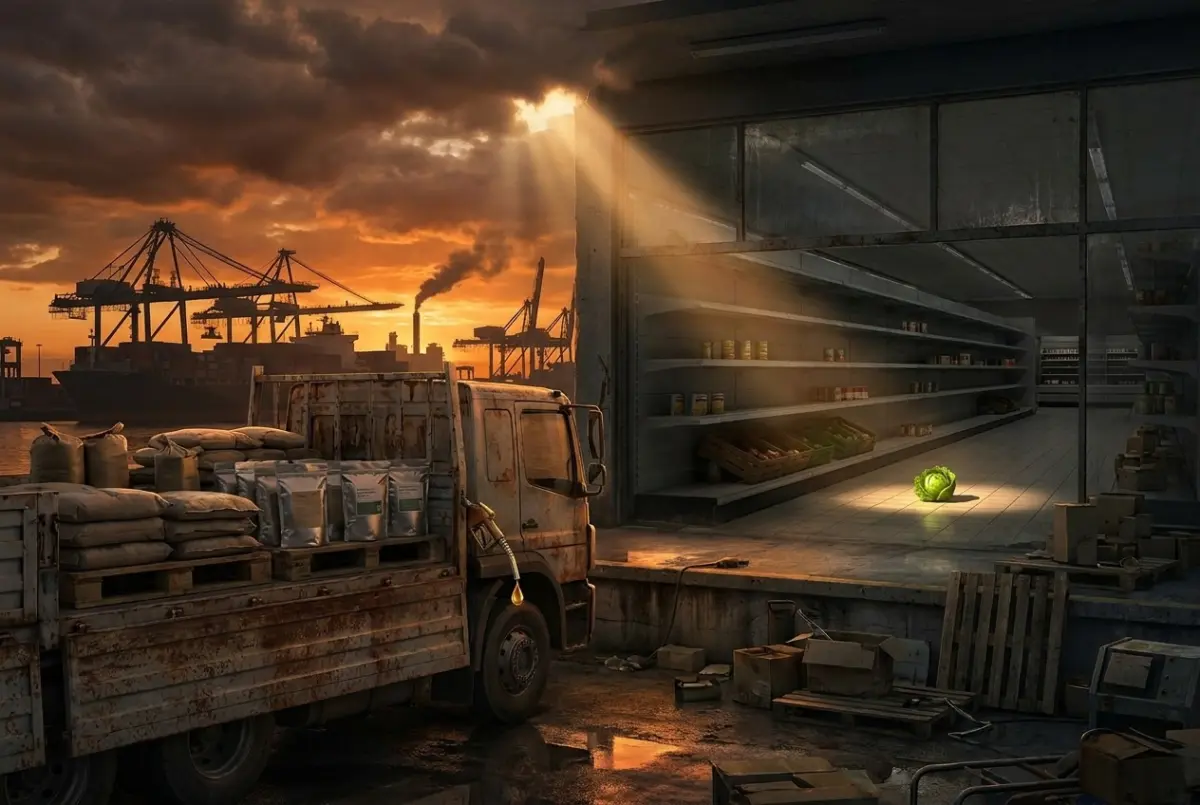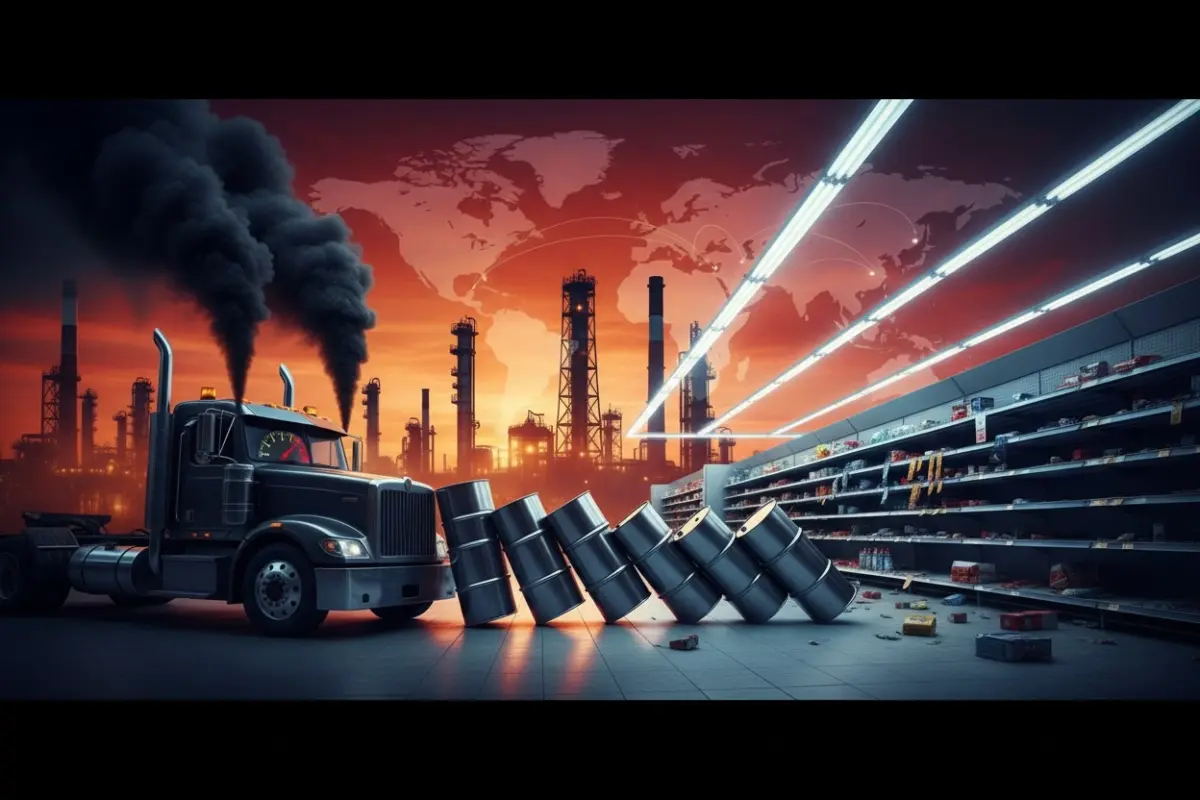
Introduction: The Fragile Bloodstream of the Supply Chain
For years, logistics experts and independent market analysts have warned that the modern American food supply chain operates on perilously thin margins of time, fuel, and inventory. At the center of this intricate web lies diesel fuel—the absolute bloodstream of agricultural transport, interstate commerce, and last-mile delivery. Today, that vital bloodstream is hemorrhaging.
With sixteen commercial trucking companies filing for bankruptcy within a single recent month, and hundreds more teetering on the edge of insolvency, the cracks in the nation’s infrastructure are widening into chasms. The implications extend far beyond the logistics sector; they signal an imminent, systemic threat to national food security.
While corporate media outlets and federal agencies often downplay structural supply vulnerabilities, the economic realities facing independent motor carriers and independent owner-operators cannot be ignored. When freight fails to move, grocery shelves empty rapidly, transforming a localized energy crunch into a widespread domestic and international food crisis.
Main Facts: The Anatomy of the Freight and Fuel Crisis
To understand how a localized fuel squeeze translates into empty supermarket shelves, one must examine the fundamental mechanics of modern logistics.
The Scale of Consumption
Commercial trucks, agricultural machinery, and freight distribution vehicles consume roughly 36.5 billion gallons of diesel fuel annually in the United States alone. This heavy machinery moves perishable goods, grains, livestock, and dry goods from rural farms and primary processing plants to urban distribution hubs and retail grocery stores.
The Trucking Squeeze
Trucking is not merely one industry among many; it is the physical connective tissue of consumer society. However, independent motor carriers—who operate the vast majority of over-the-road freight rigs—survive on razor-thin operating margins. When input costs spike unpredictably, these operators absorb the immediate blow.
Recent market data indicates that commercial load refusal rates have doubled from historical norms of 5% to 7%, climbing steadily to between 13% and 14%. This metric serves as a flashing red indicator for the entire economy. When truckers refuse loads, they are not acting out of convenience; they are making a cold, rational calculation. If the cost of diesel required to haul a trailer exceeds the revenue generated by the freight contract, every mile driven pushes the carrier deeper into bankruptcy.
Chronology: How the Diesel Shortage Unfolded
The current crisis did not emerge overnight; it is the culmination of years of structural regulatory shifts, geopolitical conflicts, and refining capacity constraints.
- Early-to-Mid Phase (The Post-Pandemic Volatility): Following global economic reopenings, demand for distillate fuels surged faster than refinery outputs could recover. Structural underinvestment in traditional refining infrastructure began to manifest as chronic regional shortages.
- Geopolitical Shocks and Export Bans: The conflict in Eastern Europe and subsequent Western sanctions on Russian energy exports removed millions of barrels of distillate capacity from the global market. Major fuel producers, including Russia and later China, enacted strict diesel export bans to secure domestic reserves, triggering severe price spikes across Europe and North America.
- Targeted Infrastructure Disruption: Ongoing geopolitical tensions in the Middle East, alongside localized disruptions to refining facilities from overseas conflicts, further constrained international distillate supplies. The Strait of Hormuz—a crucial artery for global petroleum transport—faced persistent security threats, driving up crude and refined product costs.
- The Recent Bankruptcy Wave: By late 2024 into 2026, compounding fuel price volatility reached a tipping point. Within a single 30-day window, sixteen mid-sized and regional trucking companies filed for Chapter 11 bankruptcy or closed their doors permanently, overwhelmed by fluctuating fuel surcharges and stagnant shipping rates.
Supporting Data: The Economics of the Crack Spread
A critical misunderstanding among the general public and mainstream commentators is the assumption that crude oil and diesel fuel are interchangeable economic commodities. They are not.
Crude vs. Distillates
Crude oil is a raw resource pumped from the earth; diesel is a heavily refined distillate that must be manufactured through complex chemical processing in specialized refineries. Releasing crude oil from the Strategic Petroleum Reserve (SPR) does little to immediately alleviate diesel shortages if domestic refining capacity is bottlenecked or fully committed.
The Exploding Crack Spread
The "crack spread"—the market premium refiners earn for transforming raw crude oil into refined distillate products—has experienced historic expansion. Historically hovering around $15 per barrel, the diesel crack spread surged to approximately $115 per barrel during periods of acute tightness. This extraordinary pricing signal demonstrates a catastrophic global shortage of finished diesel fuel.

Export Pressures and Price Disparities
Refining corporations operate to maximize profitability. Faced with high global demand and lucrative overseas markets, many refiners export significant volumes of American-refined diesel to international buyers willing to pay premium prices. This dynamic drains domestic inventories. According to energy market documentation, diesel prices have surged by upwards of 42.8% year-over-year during peak periods, drastically outpacing the price growth of standard automotive gasoline.
Official Responses and Market Realities
Federal regulators and administration officials have consistently attempted to soothe public anxiety by pointing to crude oil inventory releases and temporary downward adjustments at retail gasoline pumps. However, these policy measures fail to address the structural realities of the distillate market.
The Limits of SPR Releases
Releasing crude oil from government stockpiles addresses headline gasoline prices for passenger vehicles, but it does not magically create diesel fuel. Without adequate, uninterrupted refining capacity and protected domestic supply chains, crude reserves remain underutilized relative to heavy transport needs.
Industry Forecasts vs. Official Optimism
While government briefings often project rapid market normalization, energy executives and logistics analysts paint a far more sober picture. Industry consensus suggests that normal diesel flow and balanced refining margins are unlikely to return before 2028 under optimistic scenarios. A more realistic baseline anticipates at least 18 to 24 months of persistent distillate tightness, volatile pricing, and constrained freight capacity.
Implications: The Looming Threat to Food Security
The convergence of trucking bankruptcies, soaring diesel prices, and widespread load refusals carries profound implications for everyday consumers.
The Logistics Breakdown
When refrigerated trucks (reefers) and dry vans sit parked because carriers cannot afford fuel, agricultural products face severe bottlenecks. Fresh produce, dairy, and frozen meats sitting in distribution centers or awaiting transit cannot reach grocery stores. If a load of perishable food cannot find a willing carrier at an economically viable rate, it does not get shipped—it spoils.
Grocery Store Scarcity and Price Inflation
Food shortages rarely arrive with sirens or dramatic announcements; they manifest quietly through rising price tags, persistent out-of-stock labels, and empty aisles. As independent trucking firms liquidate their fleets, remaining carriers wield immense pricing power, driving up shipping costs that are inevitably passed down to retail consumers.
Global Repercussions and Agricultural Disruption
On a global scale, the diesel shortage threatens agricultural productivity far beyond transport. Tractors, irrigation pumps, and farm machinery require diesel fuel to plant, maintain, and harvest crops. Furthermore, natural gas and diesel constraints directly impact the production of nitrogen-based fertilizers. Without affordable fuel and fertilizer, crop yields decline worldwide, raising the specter of severe food insecurity in developing nations heavily reliant on imported energy and grains.
Conclusion: Navigating the Long Diesel Winter
The "Diesel Domino Effect" is no longer a theoretical risk; it is an active economic reality reshaping the American landscape. With structural refining constraints, soaring crack spreads, and a cascading wave of trucking bankruptcies weakening the nation’s supply chain, relying entirely on centralized institutional assurances is increasingly viewed as an unacceptable risk by self-reliant households and communities.
Mitigating the impacts of this extended logistical winter requires proactive awareness, community-level resilience, and an honest appraisal of the physical constraints governing modern food and fuel markets. As the freight industry continues to navigate this high-cost environment, the resilience of local supply networks and independent preparation will define how communities weather the challenges ahead.