By Scott Cooney
Published by Green Living Ideas
Main Facts: The Intersection of Diet, Economy, and Ecology
For decades, modern consumers have labored under a pervasive misconception: that eating a healthy, sustainable diet requires a significant financial sacrifice. Specialty items lining grocery store shelves—such as artisanal cashew cheeses, imported organic superfoods, and brand-name vegan butter substitutes—often carry hefty price tags that can deter budget-conscious shoppers. However, a closer examination of modern food economics reveals a counterintuitive truth: shifting toward a wholesome, plant-forward, and eco-friendly diet can actually yield substantial long-term savings.
At its core, sustainable eating is not about purchasing expensive eco-labeled novelties; it is about returning to the foundational staples of human nutrition. Whole grains, legumes, seasonal produce, and locally sourced ingredients consistently cost a fraction of the price of heavily processed convenience foods, pre-packaged meals, and industrially produced meats.
By restructuring how we plan, purchase, and consume our food, households can simultaneously lower their carbon footprints, improve their physiological health, and retain more money in their bank accounts. This comprehensive guide explores actionable strategies to align your nutritional habits with financial prudence and environmental stewardship.

Chronology: The Evolution of Sustainable Consumerism
Understanding how we arrived at our current food economy helps contextualize the financial and environmental benefits of sustainable eating.
The Mid-to-Late 20th Century: The Rise of Industrial Agriculture
Following the post-World War II industrial boom, global food systems shifted heavily toward centralization, mass production, and heavy chemical reliance. Convenience foods and industrialized meat production dominated the market, heavily subsidized by governments. While this system drove down the immediate, visible costs of specific calories, it masked the externalized costs—environmental degradation, rising healthcare expenditures due to diet-related illnesses, and resource depletion.
The Early 2000s: The Organic Niche Market
As ecological awareness grew, the early organic and sustainable food movement emerged largely as a niche market. Early adopters faced a "green tax," paying steep premiums for eco-friendly goods, fair-trade certifications, and plant-based alternatives. During this era, sustainable eating was frequently viewed as a luxury lifestyle choice accessible primarily to affluent demographics.
The 2010s to Present: Democratization and Return to Basics
In recent years, the sustainable food movement has undergone a democratization process. As climate science highlights the massive greenhouse gas contributions of conventional livestock and food waste, consumers and experts alike are pivoting away from expensive specialty products. The modern eco-conscious culinary approach emphasizes a "return to basics"—prioritizing unpackaged, whole, plant-based staples that are inherently cheaper than their processed counterparts.

Supporting Data: The Economics of Eco-Friendly Eating
To appreciate how sustainable eating slashes household budgets, one must analyze the cost differentials across various food categories.
1. The Protein Shift: Legumes vs. Conventional Meat
According to agricultural and nutritional data, animal-based proteins—particularly beef and lamb—represent the most resource-intensive and expensive components of the average grocery bill.
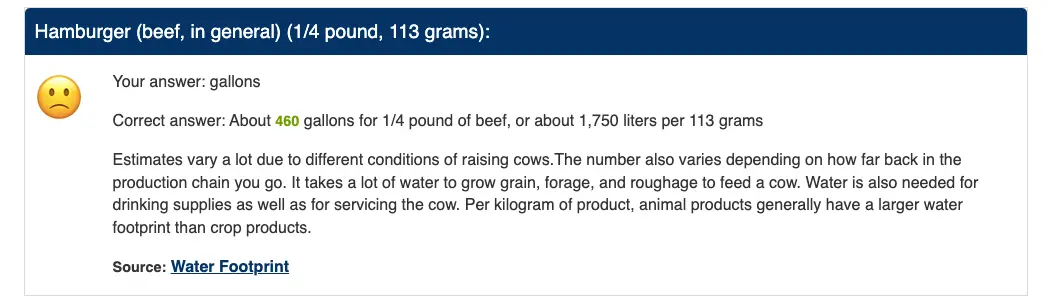
- Beef: Averaging $6 to $10+ per pound for standard cuts, conventional beef demands massive amounts of land, water, and feed.
- Legumes (Beans, Lentils, Chickpeas): Typically costing between $1.00 and $2.00 per pound (even less when purchased dried), legumes offer comparable or superior protein and fiber content at a fraction of the economic and environmental cost.
By simply substituting meat-based proteins for beans and lentils two to three times a week, a four-person household can save hundreds of dollars annually while drastically reducing its water and carbon footprint.
2. The Hidden Cost of Food Waste
Food waste is a staggering economic and ecological crisis. Globally, roughly one-third of all food produced for human consumption is lost or wasted. In the United States alone, the average family of four throws away approximately $1,500 worth of edible food annually.

- Environmental Impact: Rotting food in landfills is a major emitter of methane, a potent greenhouse gas.
- Financial Impact: Every discarded item represents literal money tossed into the garbage. Intentional meal planning and proper food storage directly preserve household capital.
3. Seasonal and Local Purchasing Power
Out-of-season produce shipped thousands of miles incurs high transportation costs, which are passed directly to the consumer. Conversely, purchasing seasonal, regionally grown fruits and vegetables eliminates long-distance supply chain markups, ensuring fresher produce, lower emissions, and maximized savings.
Strategic Framework: How to Eat Well, Sustainably, and Cheaply
Transitioning to a budget-conscious, eco-friendly lifestyle does not require an overnight overhaul of your entire pantry. Instead, implementing a series of deliberate, manageable strategies will yield sustainable results.
Embrace Whole, Unprocessed Foods
Skip the middle aisles of the supermarket, where heavily packaged, highly processed snacks and branded meat alternatives command high profit margins. Focus your shopping cart on the perimeter of the store—fresh produce, bulk grains, nuts, seeds, and legumes. Whole foods are universally cheaper per serving and eliminate the health risks associated with artificial additives and excess sodium.
Master the Art of Bulk Buying
Staples such as brown rice, oats, quinoa, dried beans, and lentils have an exceptionally long shelf life and are dramatically cheaper when purchased in bulk. Investing in reusable produce and bulk bags further reduces single-use plastic waste, aligning your shopping habits with true zero-waste principles.

Plan Meals Around What You Have
Before heading to the grocery store or ordering delivery, conduct an inventory of your refrigerator and pantry. Building meals around ingredients that are nearing their expiration date minimizes food waste and stretches your grocery budget further.
Rethink Dining Out and Zero-Waste Takeout
Eating out is notoriously expensive and often generates significant single-use packaging waste. When you do dine out or order takeout, support local establishments that prioritize sustainable sourcing, bring your own reusable containers for leftovers when possible, and opt for plant-based menu options, which are frequently more affordable than premium meat dishes.
Implications: Broad Impacts on Health, Community, and the Planet
The choice of what we put on our plates reverberates far beyond individual kitchens, carrying profound implications across multiple sectors of society.
Public Health Outcomes
Diets centered around whole, plant-forward, sustainable foods are consistently linked by medical professionals to lower rates of chronic conditions such as type 2 diabetes, cardiovascular disease, and obesity. By shifting away from processed foods and heavy meat consumption toward fiber-rich, nutrient-dense staples, society can alleviate immense pressures on healthcare systems while reducing personal medical expenditures.

Environmental Restoration
Our current industrial food apparatus accounts for roughly a quarter to a third of global greenhouse gas emissions. Transitioning consumer demand toward regenerative agriculture, local supply chains, and plant-based staples reduces deforestation, water depletion, and chemical runoff into waterways. Every household that adopts sustainable eating habits contributes to local ecosystem preservation and global climate stabilization.
Economic Resilience for Families
In times of economic uncertainty and inflation, grocery bills are often among the most stressful household expenses. By decoupling food security from expensive specialty products and industrial convenience items, families insulate themselves against price volatility. Eating sustainably through a whole-foods, budget-first lens empowers consumers to take control of their financial wellness while actively participating in the global transition toward a regenerative future.
Bon appétit!