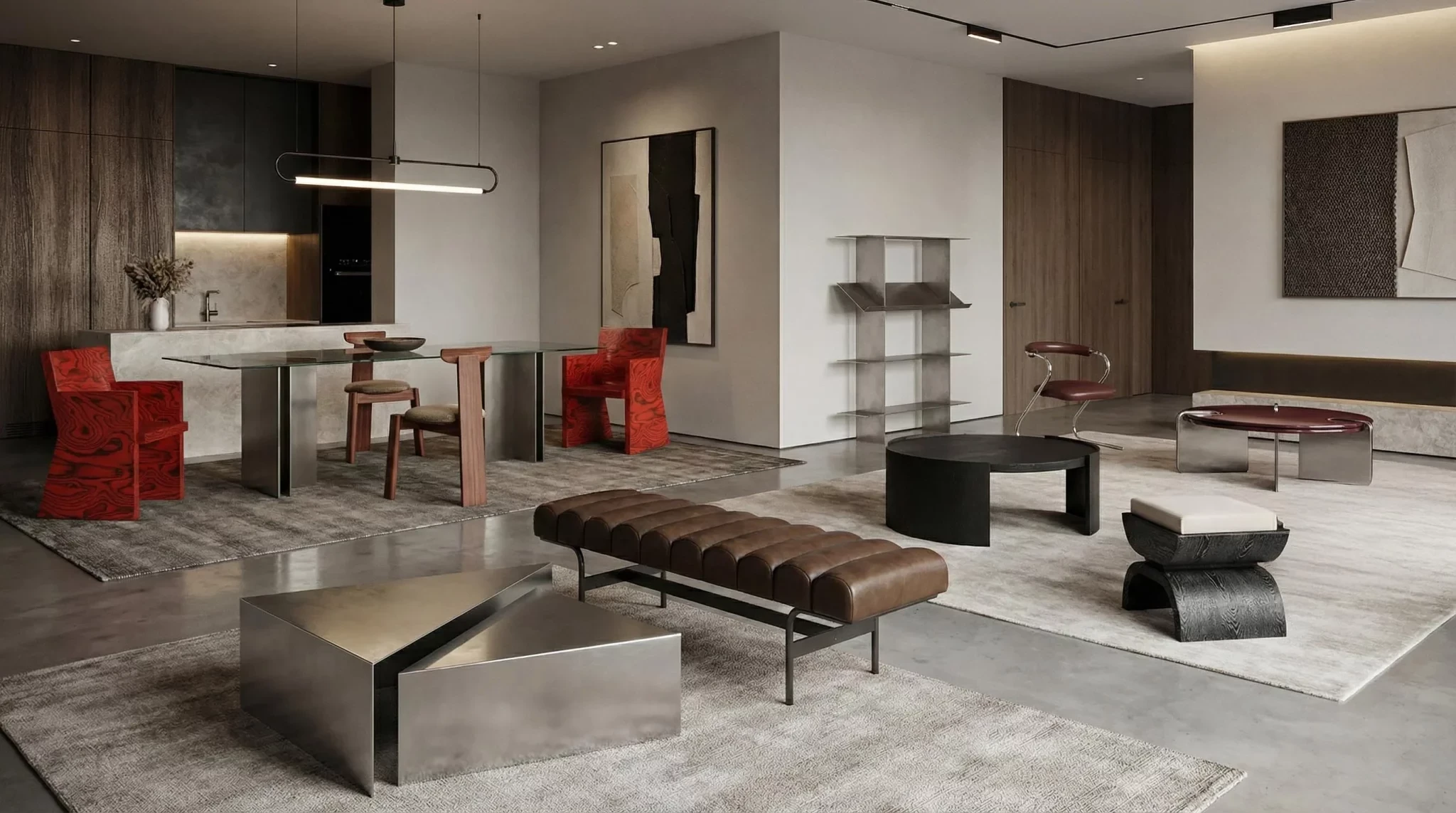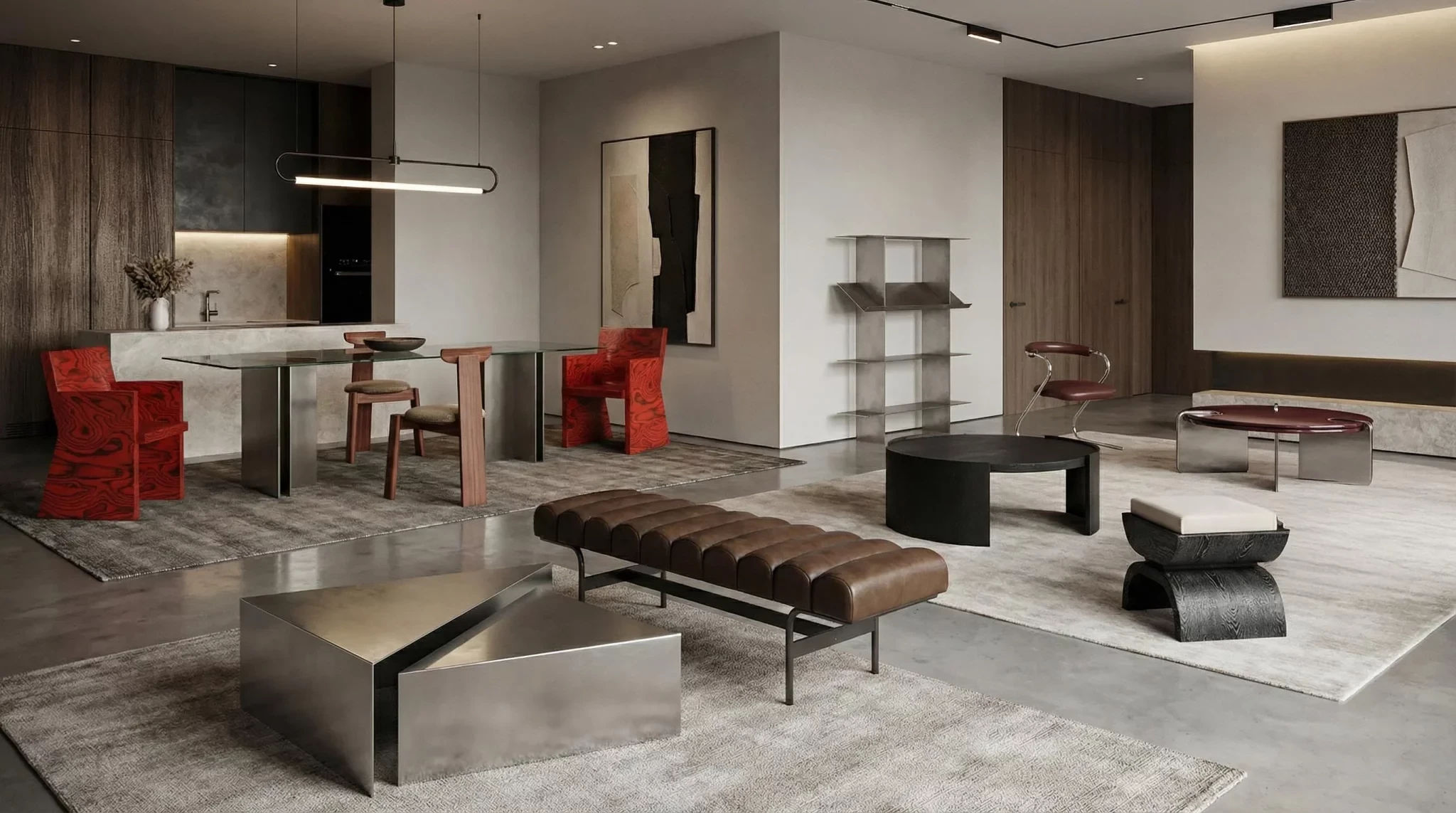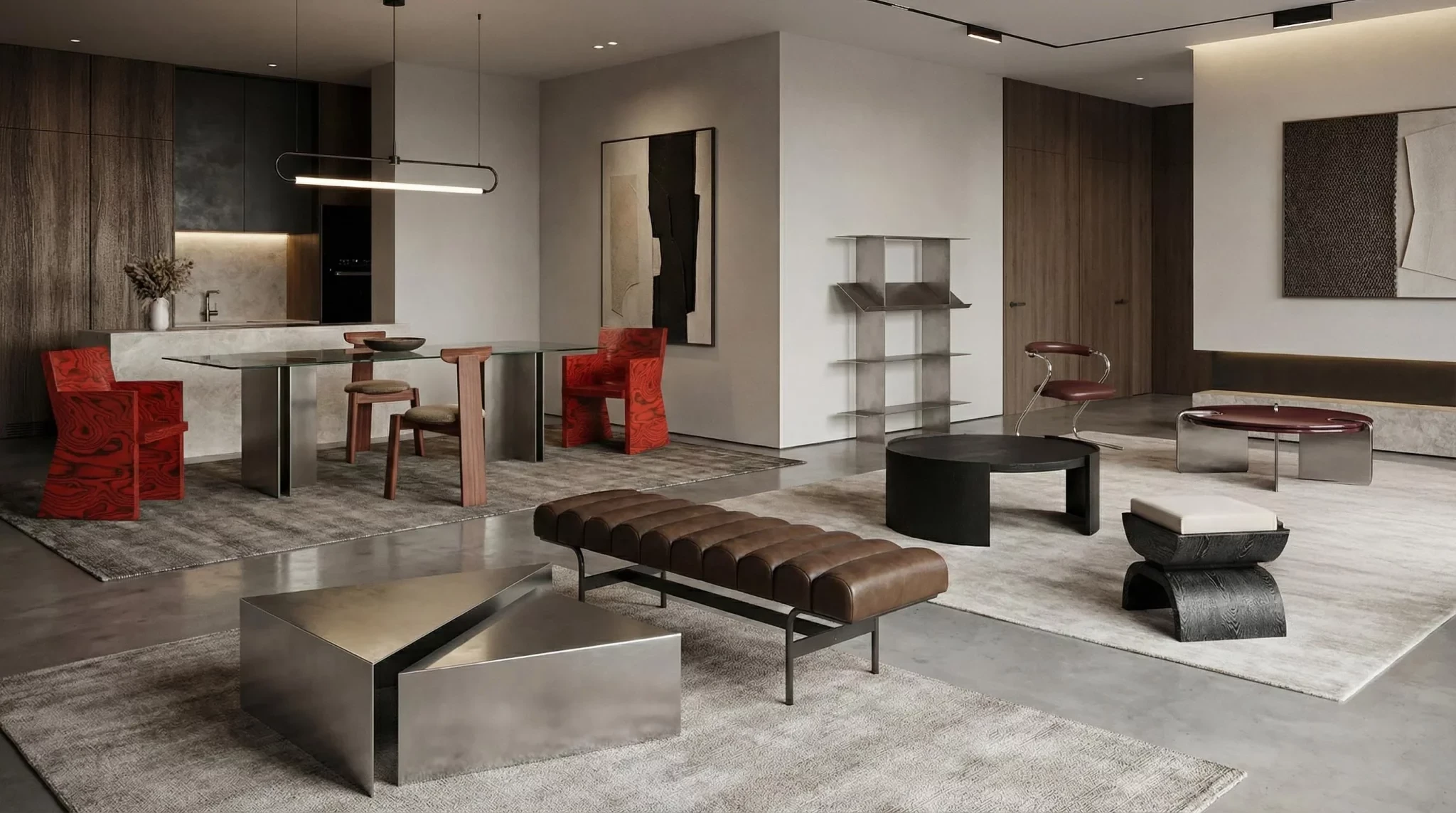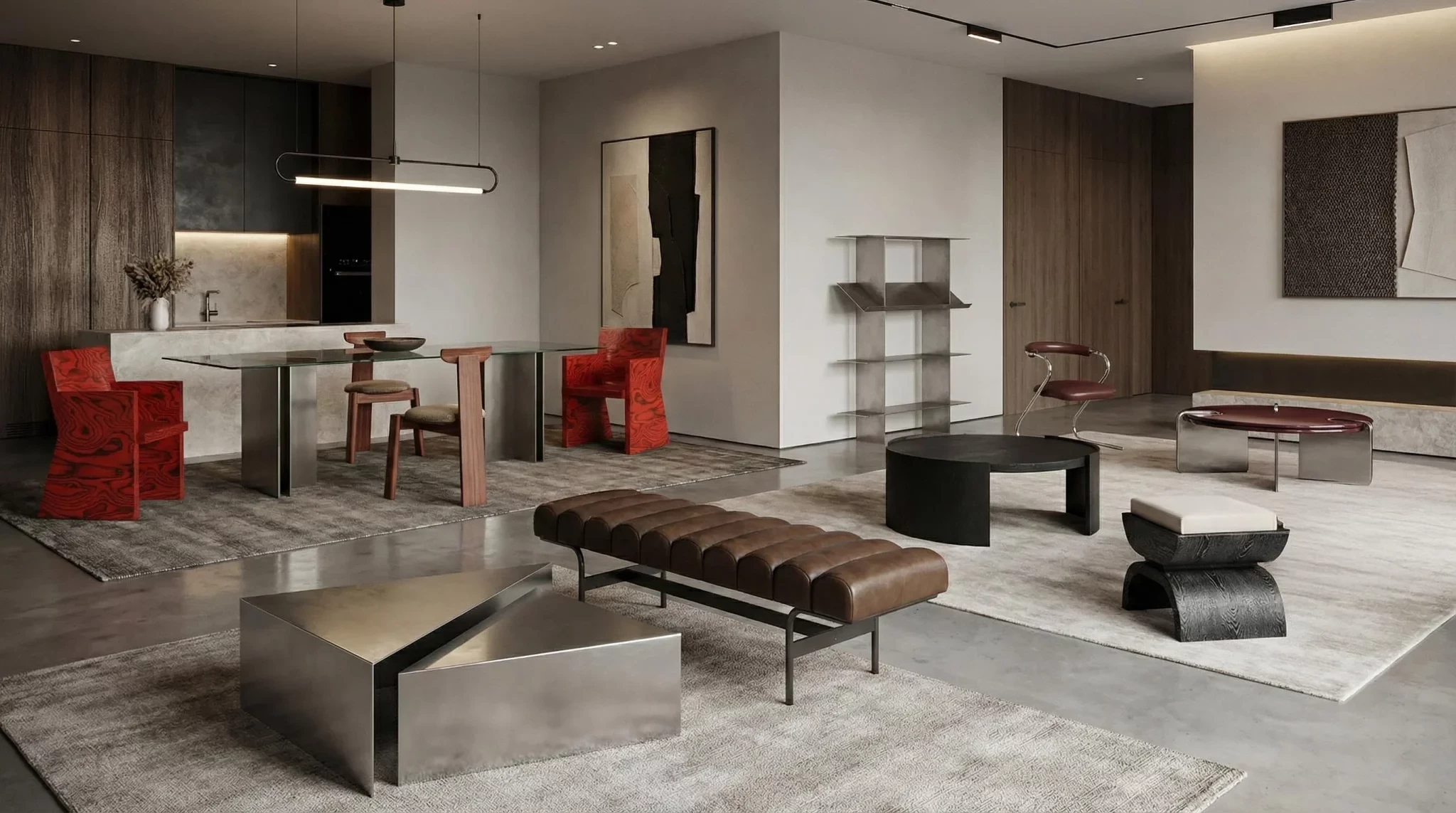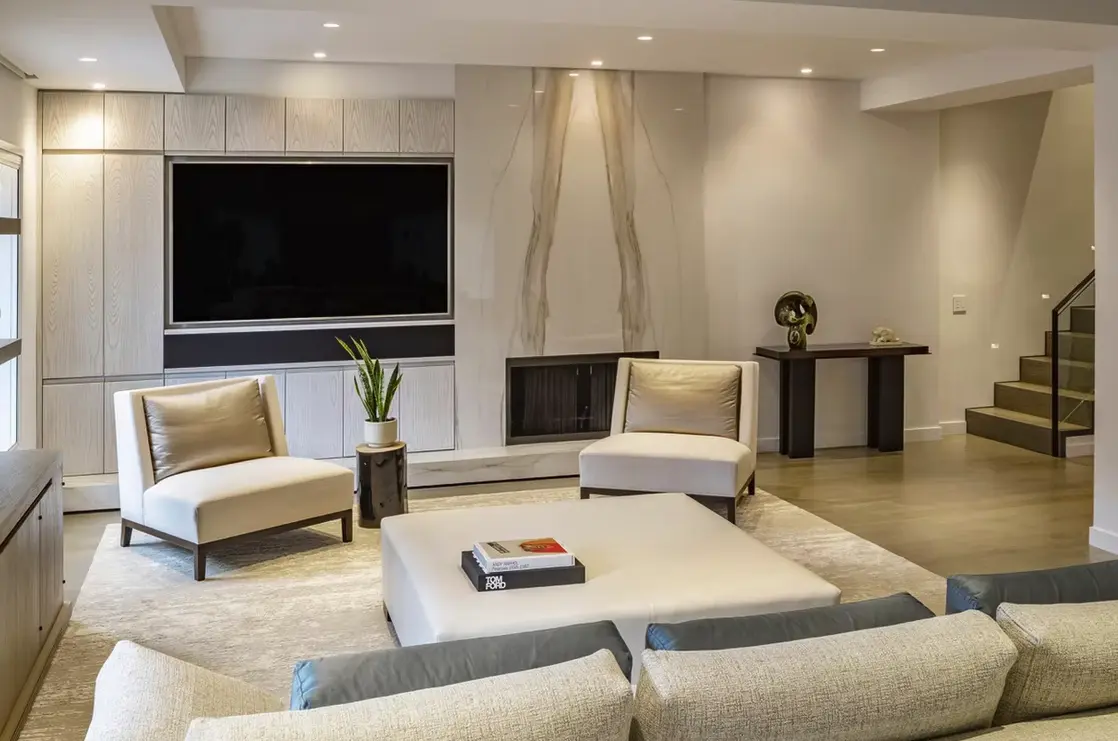
NEW YORK — In an era dominated by maximalist trends, algorithmic aesthetics, and fast-paced interior revamps, Manhattan-based designer Nitzan Tagansky offers a rare antidote: a masterclass in dramatically simple, warm-modern living. Far from the cold, austere minimalism that once defined the late 20th century, Tagansky’s interiors radiate a quiet confidence. His spaces do not shout for attention; rather, they settle comfortably around the people who inhabit them, balancing precision with an intrinsic sense of home.
As part of the Roomhints Designer Spotlight series, which highlights the visionaries shaping the rooms that matter most today, this feature explores Tagansky’s design philosophy, his global portfolio, and the foundational pillars that govern his creative output.
Main Facts: The Blueprint of Nitzan Design
Operating out of Manhattan, Tagansky has built a multifaceted career that spans high-end residential interiors and bespoke furniture design. Alongside his partner, Dale, he developed Nitzan Home, a curated furniture collection that has been specified for leading hotels and luxury residential developments across the globe.
His geographic footprint is as diverse as it is exclusive. Tagansky’s portfolio features sleek New York apartments, expansive lofts, and historic townhouses, alongside sun-drenched summer retreats in the Hamptons, a refined London pied-à-terre, and concept designs for a luxury hotel in Jerusalem. Despite the vast differences in location and architecture, a singular sensibility unites them all: an unwavering commitment to scale, proportion, timelessness, and uncompromising craftsmanship.
- Core Practice: High-end residential interior architecture and design.
- Product Line: Nitzan Home (furniture collection co-developed with Dale).
- Notable Locations: Manhattan, the Hamptons, London, and Jerusalem.
- Design Philosophy: Warm-modernism rooted in editorial restraint and client trust.
Chronology: A Journey from Vision to Global Recognition
While Tagansky’s current portfolio boasts multi-million-dollar spaces and international acclaim, his success is built on a steady trajectory of rigorous practice and spatial intuition.
- Early Foundations & Exploration: Developing a visual language influenced by daily encounters with art, fashion, architecture, and nature, Tagansky honed an eye for striking yet stripped-back execution.
- Establishment in Manhattan: Launching his design studio in New York City, Tagansky quickly gained a reputation for transforming complex urban spaces—such as cramped apartments and cavernous industrial lofts—into tranquil sanctuaries.
- Expansion into Product Design: Recognizing a gap in the market for furniture that aligned with his architectural vision, he partnered with Dale to launch Nitzan Home, bridging the gap between bespoke spatial design and accessible luxury goods.
- Global Project Portfolio: The practice expanded internationally, taking on prestigious international briefs ranging from European city apartments to Middle Eastern hospitality concepts.
- The Tribeca Milestone: A defining moment in the firm’s history involved designing a 5,000-square-foot Tribeca loft entirely sight-unseen for a family relocating from Australia—a high-stakes project that culminated in profound emotional resonance and enduring client relationships.
Supporting Data & Design Methodology
When asked about the foundational pillars of his work, Tagansky avoids lengthy design manifestos. Instead, he reduces exceptional interior architecture to four non-negotiable ingredients: scale, proportion, timelessness, and quality craftsmanship.
The Four Pillars of Tagansky’s Methodology
- Scale: Every element must respect the physical boundaries of the room. A piece of furniture should command its environment without suffocating it.
- Proportion: Objects must exist in harmonious relation to one another, creating a balanced visual rhythm across the floor plan.
- Timelessness: Good design resists the pull of temporary micro-trends, ensuring that an interior looks just as relevant and compelling twenty years down the line.
- Craftsmanship: Materials must possess integrity, built with a level of physical quality that justifies their presence in the home.
Beyond structural elements, Tagansky emphasizes the transformative power of small details. When asked what single product most radically shifts the atmosphere of a room, his answer is surprisingly modest: a good lamp.

Rejecting the reliance on flashy chandeliers or trendy statement pieces, Tagansky champions the quiet power of localized lighting. The right lamp, placed deliberately, alters the quality of shadow and light, shifts perceived scale, and introduces an organic warmth that overhead fixtures simply cannot replicate.
Official Insights & Perspectives: The Power of Creative Freedom
Perhaps Tagansky’s most strongly held conviction regarding his industry concerns the dynamic between designer and client. In an era where client-led digital mood boards often dictate every design decision, Tagansky champions a radically different approach.
"The more freedom you give the designer you hired to do their thing, the more successful the outcome of the project."
Drawing from years of practical experience, Tagansky notes that the most striking, harmonious spaces are born when clients step back and allow the professional vision to breathe. Constraint fosters caution and compromise; total creative trust fosters rooms that genuinely feel alive.
Inspiration in Simplicity
Addressing the modern challenge of visual saturation—where designers are constantly bombarded with digital imagery across architecture, fashion, and photography—Tagansky finds his clarity by stripping away the noise.
"Inspiration can really come from anywhere," Tagansky explains. "It’s when something is done in a particularly simple but clever or striking way that I find inspiration."
He is careful to distinguish between "simple" and "easy." True simplicity in design requires immense rigor—the merciless elimination of every unnecessary element until only what is essential and profoundly right remains.

Implications: The Tribeca Project and the Human Core of Design
Ultimately, Tagansky’s work demonstrates that interior design is not merely about arranging furniture or selecting color palettes; it is about human emotion and life transitions.
No project captures this ethos better than the Manhattan loft designed for a couple with three young children moving across the globe from Australia. Entrusted with a 5,000-square-foot Tribeca canvas, Tagansky and his team worked for six months without ever meeting the clients in person.
When the family finally arrived at their new American home, the emotional impact was profound. The wife, overwhelmed by the beauty and thoughtfulness of the execution, was moved to tears of joy. For Tagansky, moments like these transcend standard portfolio milestones. They represent the ultimate validation of the design process, forging friendships that outlast the physical completion of the project.
Looking Forward
As the design world continues to grapple with shifting consumer habits and digital noise, Nitzan Tagansky’s body of work serves as a vital reminder of what matters: restraint, trust, craftsmanship, and spaces designed not just to be photographed, but to be deeply, memorably lived in.
To explore Nitzan Tagansky’s residential projects, visit nitzandesign.com, and to discover his bespoke furniture line, visit nitzanhome.com.