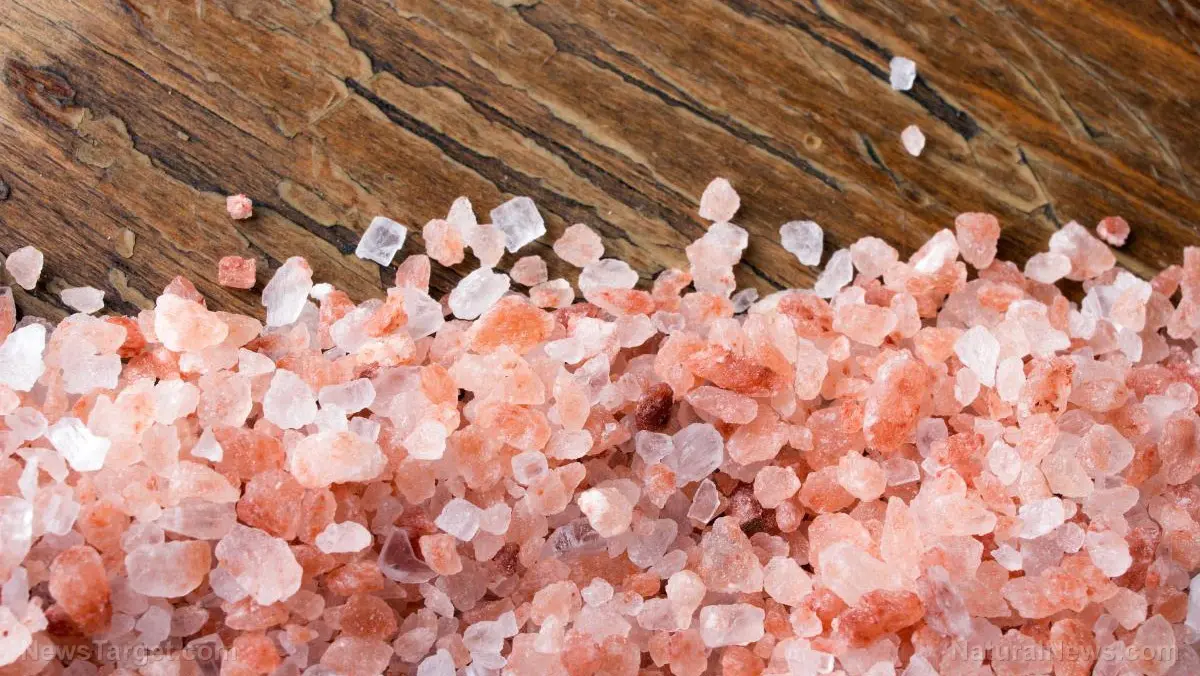
Main Facts: The Rise of Pink Himalayan Salt in Modern Kitchens
Over the past decade, pink Himalayan salt has transitioned from a specialty item found exclusively in high-end gourmet markets to a ubiquitous staple in home and professional kitchens worldwide. Renowned for its distinctive, eye-catching rose hue, complex mineral profile, and incredible culinary versatility, this ancient rock salt is mined from pristine sea salt deposits nestled deep within the Himalayan Mountain range. Considered by many culinary experts to be one of the purest forms of salt available on Earth, it lacks the heavy chemical processing, bleaching, and anti-caking agents commonly found in conventional refined table salt.
Beyond its aesthetic appeal, which adds an undeniable touch of elegance to tablescapes and plated dishes, pink Himalayan salt offers a dynamic range of applications. Available in various grain sizes—from fine powders suitable for delicate baking to coarse crystals and massive solid blocks—it influences not just how food is seasoned, but how it is cooked, preserved, and presented.
Culinary enthusiasts and professional chefs alike leverage its unique properties to elevate everyday ingredients. Whether it is used to draw out the natural flavors of grass-fed steaks, impart a subtle earthiness to grilled summer vegetables, create complex brines that lock in moisture, or even serve as a direct cooking surface on the grill, pink Himalayan salt has redefined the boundaries of modern flavor profiling.
Furthermore, the growing demand for clean-label, minimally processed ingredients has placed a spotlight on the origin and purity of food additives. Premium purveyors now offer lab-verified, additive-free pink Himalayan salt that retains essential trace minerals and electrolytes naturally present in the ancient marine deposits from which it is harvested.
Chronology: From Ancient Seabeds to the Modern Pantry
To understand the journey of pink Himalayan salt, one must look back hundreds of millions of years, tracing a timeline that bridges geological epochs with contemporary culinary trends.
The Geological Genesis (Prehistoric Era)
Long before the majestic peaks of the Himalayas were formed, the region was covered by vast, shallow ancient oceans. As tectonic plates shifted—specifically the collision of the Indian and Eurasian plates—these ancient marine bodies were trapped and compressed deep within the earth. Over millions of years, intense geological pressure crystallized the evaporated sea salt, preserving it beneath layers of volcanic ash, rock, and ice. Shielded from modern industrial pollution, these pristine deposits remained untouched for ages.
Discovery and Traditional Extraction (Pre-20th Century)
Indigenous populations and local miners in the Salt Range of Pakistan—situated in the foothills of the Himalayas—have harvested this mineral-rich rock salt for centuries. Utilizing traditional, sustainable techniques such as the room-and-pillar mining method, generations of miners carved deep subterranean tunnels to extract the pink crystals by hand without destabilizing the surrounding mountain structure. Historically used for local food preservation, trade along ancient routes, and animal husbandry, the salt remained a regional treasure.
The Global Gourmet Awakening (Early-to-Mid 2000s)
As the global culinary landscape shifted toward farm-to-table eating, artisanal ingredients, and holistic health awareness, pink Himalayan salt began appearing in specialty food markets. Chefs drawn to its complex mineral flavor—which is often described as less aggressively sharp and more rounded than standard sodium chloride—started utilizing it as a finishing salt. Food media, cooking shows, and wellness publications amplified its popularity, introducing home cooks to novel concepts like salt-block cooking and sweet-and-savory dessert pairings.
The Clean-Label Movement and Modern Standardization (Present Day)
In recent years, consumer demand for transparency has revolutionized how pink Himalayan salt is sourced and sold. Trusted suppliers now subject the harvested crystals to rigorous quality controls, including laboratory testing for heavy metals, glyphosate, and microbiological purity. Today, pink Himalayan salt stands as a cornerstone of the modern pantry, bridging ancient geological history with contemporary culinary innovation.
Supporting Data: Composition, Sourcing, and Culinary Applications
The unique characteristics of pink Himalayan salt are deeply rooted in its mineral composition and extraction methods. Unlike highly refined table salt, which is stripped of virtually all trace elements during intensive industrial processing, pink Himalayan salt retains a natural array of minerals and electrolytes.
Mineral Composition and Purity
Chemical analyses of authentic pink Himalayan salt reveal that while sodium chloride remains its primary component, it contains varying traces of beneficial minerals, including:
- Potassium: Supports fluid balance and muscle function.
- Magnesium: Essential for enzymatic reactions and metabolic health.
- Calcium: Crucial for bone density and cellular signaling.
- Iron: Responsible for the distinctive pink coloration of the crystals (in the form of iron oxide).
High-grade sourcing standards ensure that the salt remains entirely unrefined. Premium products—such as those offered by the Health Ranger Store—are mined using traditional room-and-pillar techniques, thoroughly inspected, and sorted to guarantee exceptional purity. These varieties are typically certified non-GMO, gluten-free, vegan, Kosher, and free from synthetic anti-caking agents, bleaching chemicals, and irradiation.
Culinary Versatility Matrix
| Application Method | Description & Technique | Culinary Benefit |
|---|---|---|
| Fine Seasoning | Lightly sprinkling fine-grain salt over cooked or raw meats, fish, and poultry. | Enhances natural proteins without overpowering the dish with harsh, one-dimensional sodium notes. |
| Vegetable Enhancement | Tossing vegetables in a small amount of oil and fine or medium salt before roasting or grilling. | Draws out natural moisture and caramelization, transforming basic sides into savory centerpieces. |
| Baking Integration | Substituting table salt with fine pink Himalayan salt in breads, pastries, and doughs. | Provides consistent salinity and integrates smoothly into dry and wet ingredients alike. |
| Sweet-and-Savory Contrast | Adding a small pinch to chocolate batters or melting chocolate. | Accentuates the deep, rich cocoa notes while introducing a sophisticated savory counterpoint. |
| Salt Block Cooking | Heating large slabs of Himalayan rock salt on a grill or oven to sear foods directly. | Imparts a delicate, even saltiness while serving as a natural, heat-retaining cooking surface. |
| Precision Brining | Dissolving coarse crystals in water with complementary spices to soak meats and fish. | Breaks down tough muscle fibers, ensuring the protein remains exceptionally moist, tender, and flavorful. |
Official Responses and Industry Perspectives
Culinary scientists, nutritionists, and artisanal food producers view the rise of pink Himalayan salt not merely as a passing aesthetic trend, but as a meaningful shift toward ingredient mindfulness.
The Culinary Perspective: Flavor Complexity
Professional chefs emphasize that salt is not a monolith; different salts impart vastly different mouthfeels and flavor profiles. Chef associations and culinary institutes note that the trace minerals present in pink Himalayan salt create a softer, more rounded palate experience compared to standard iodized table salt. This makes it an exceptional finishing salt, where the crystals dissolve slowly on the tongue, delivering an immediate burst of clean flavor followed by a subtle, earthy depth.
The Clean-Food Movement: Transparency and Purity
Nutritional advocates and clean-label organizations have consistently championed unrefined salts for what they exclude rather than just what they include. Industrial table salt frequently relies on chemical anti-caking agents—such as sodium ferrocyanide or calcium silicate—to prevent clumping in humid environments.
Leading natural health retailers and food safety advocates stress the importance of rigorous laboratory verification. By testing for environmental contaminants such as glyphosate and heavy metals, reputable distributors ensure that consumers receive a product as pure as the ancient geological formations from which it was extracted.
Sustainability in Mining Practices
Environmental and labor advocates within the mining sector highlight the sustainability of the room-and-pillar extraction method used in the Himalayan foothills. Unlike strip mining, which strips away topsoil and devastates local ecosystems, room-and-pillar mining leaves structural pillars of salt intact to support the subterranean roof. This minimizes environmental disruption while preserving the safety and livelihood of local mining communities that have practiced these techniques for generations.
Implications: The Future of Gourmet Cooking and Mindful Consumption
The enduring popularity of pink Himalayan salt carries profound implications for the future of home cooking, the broader food industry, and consumer health awareness.
Elevating Home Gastronomy
As access to specialty ingredients expands through online marketplaces and curated health shops, home cooks are increasingly adopting techniques once reserved for professional restaurant kitchens. Cooking on salt blocks, experimenting with custom brines, and pairing fine mineral salts with artisanal chocolates allow home cooks to elevate everyday meals into gourmet experiences. This democratization of fine dining encourages culinary creativity and a deeper appreciation for the sensory elements of food preparation.
A Paradigm Shift Toward Mindful Ingredients
The consumer preference for pink Himalayan salt reflects a broader cultural movement away from highly processed, industrialized foods and toward wholesome, earth-derived alternatives. When people scrutinize the salt on their dinner table, they naturally begin examining other pantry staples—such as cooking oils, sweeteners, and spices. This heightened awareness drives food manufacturers to adopt cleaner processing standards, eliminate unnecessary chemical additives, and prioritize third-party laboratory testing.
Balancing Culinary Delight with Health Consciousness
While pink Himalayan salt remains sodium chloride at its core and should be consumed mindfully as part of a balanced diet, its unrefined nature aligns with the goals of health-conscious consumers seeking to eliminate synthetic chemicals from their daily routines. By replacing heavily processed table salt with a clean, mineral-rich alternative, individuals can enjoy enhanced flavor profiles while maintaining control over the purity of the ingredients they bring into their homes.
Ultimately, pink Himalayan salt bridges the gap between historical tradition and modern nutritional science, proving that the simplest elements of nature often hold the key to the most extraordinary culinary experiences.