By the Roomhints Editorial Board
Part of the Roomhints Designer Spotlight Series
Main Facts: The Blueprint of a Design Powerhouse
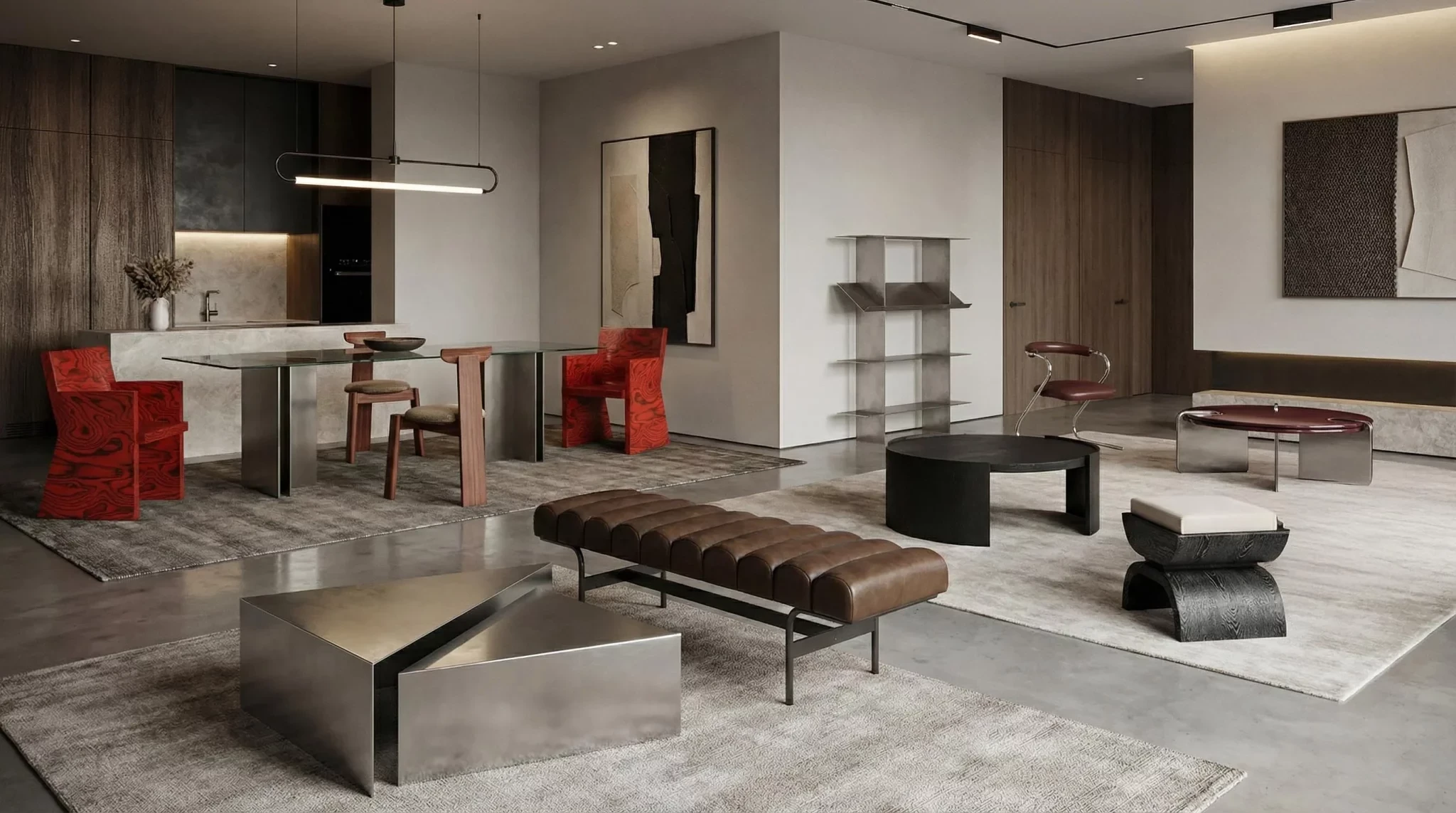
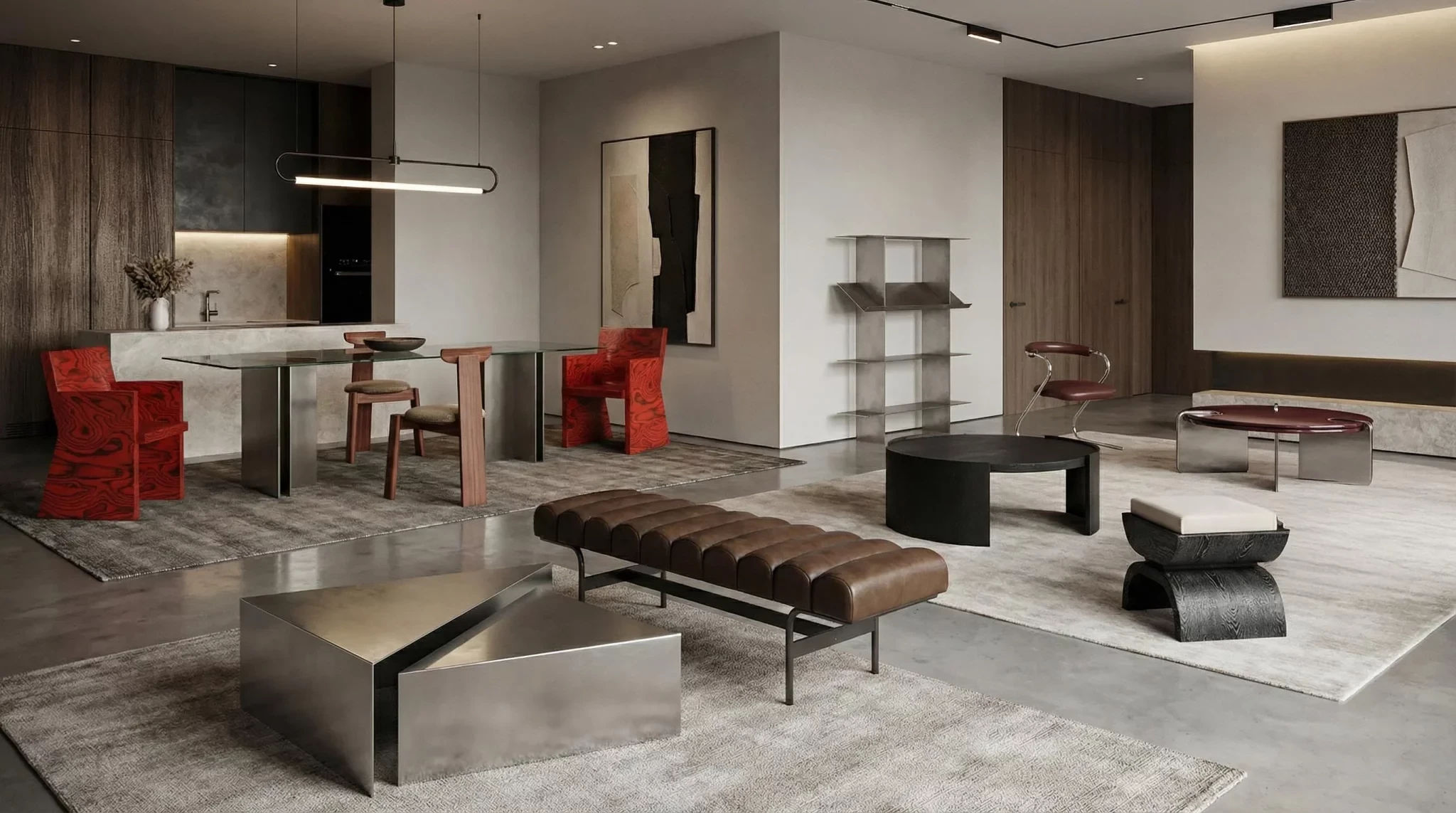
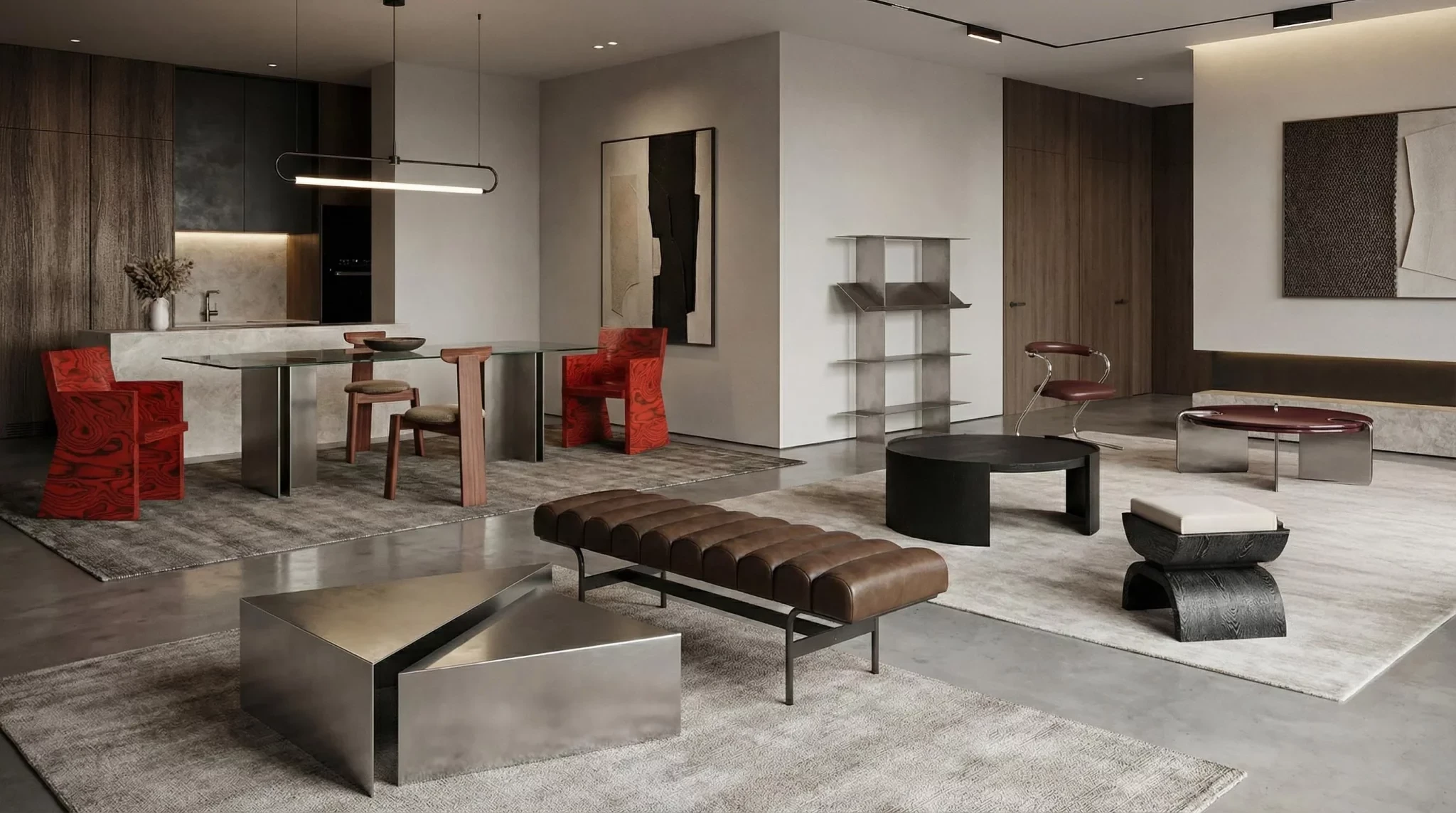
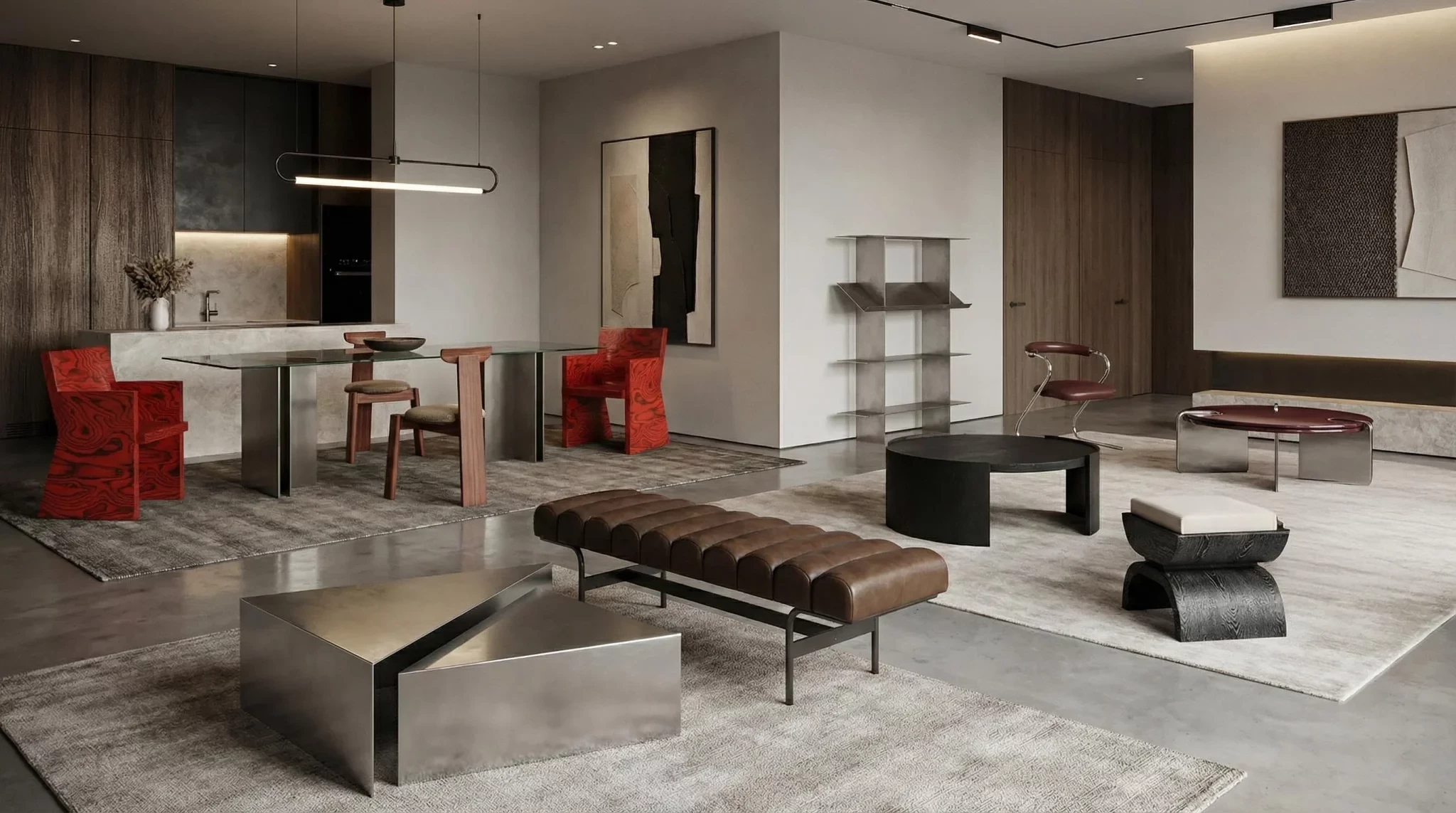
For over twenty years, interior designer Olga Adler has quietly redefined the intersection of luxury, comfort, and narrative-driven space. Founded in 2003, her eponymous studio operates with a singular, unyielding philosophy: spaces must be simultaneously aspirational and unique, luxurious yet deeply livable, and—above all—capable of sparking a conversation the moment a guest steps across the threshold.
Operating dual studios out of Westport, Connecticut, and Delray Beach, Florida, Adler has built a bicephalous practice that serves discerning clients across the United States and abroad. Her signature aesthetic—a sophisticated synthesis of European heritage, American functionality, and what she terms "Global Chic"—results in interiors that feel collected over lifetimes rather than assembled in a single fiscal quarter.
Adler’s portfolio has garnered critical acclaim across the architectural and design communities. She is a thirteen-time winner of the coveted Best of Houzz award, a recipient of the prestigious "40 Under 40" distinction, and has been featured across three distinct interior design volumes. Her residential work is a staple of shelter and luxury publications, including Palm Beach Illustrated, Luxe Interiors + Design, New England Home, and The Wall Street Journal.
Yet, beneath the glossy pages and accolades lies a deeply pragmatic creative engine. Adler approaches room design not merely as an exercise in material selection, but as a discipline rooted in scale, proportion, emotional resonance, and spatial storytelling.
Chronology: Two Decades of Refining the Craft
To understand Olga Adler’s design language is to trace a trajectory of deliberate, methodical growth across changing cultural landscapes and shifting architectural paradigms.
The Formative Years (Pre-2003)
Long before opening her studio, Adler cultivated an eye shaped by extensive international travel and a deep immersion in European heritage. Growing up with exposure to classical European architecture and decorative arts, she developed an early appreciation for craftsmanship, history, and the subtle interplay between architectural bones and interior layers. This global perspective would later serve as the bedrock of her design ethos.
Establishment and Early Recognition (2003–2010)
In 2003, Adler launched her studio with a clear mandate: to bridge the gap between high-end architectural grandeur and human-scale comfort. During this decade, the American housing market experienced significant volatility, yet Adler’s studio thrived by focusing on timelessness over fleeting trends. Her ability to blend high and low elements—pairing heirloom antiques with accessible modern pieces—struck a chord with clients seeking authenticity.
Expansion and Media Stardom (2011–2020)
As her portfolio expanded, so too did her geographic footprint. Adler established dual presences in the affluent coastal markets of Westport, Connecticut, and Delray Beach, Florida. This bi-coastal (or rather, Northeast-to-Southeast) positioning allowed her to master two entirely different vernaculars: the moody, layered warmth of New England estates and the sun-drenched, breezy sophistication of South Florida coastal properties. During this period, her work began appearing regularly in national publications, culminating in her inclusion in three design anthologies and the accumulation of her thirteen Best of Houzz awards.
The Contemporary Era (2021–Present)
Today, Adler’s studio handles complex, multi-year residential transformations, ranging from historic restorations to high-rise European penthouses. In an era dominated by algorithmic trends and fast-furniture aesthetics, Adler’s insistence on "collected" interiors has positioned her as a standard-bearer for enduring, thoughtful design.
Supporting Data: Accolades, Publications, and Footprint
To quantify a designer’s impact in the modern luxury market requires looking at both peer recognition and media validation. Adler’s metrics reflect a career built on consistency:

- Years in Operation: 21+ years (Founded 2003)
- Studio Locations: Westport, Connecticut & Delray Beach, Florida
- Design Accolades: 13-time Best of Houzz Award Winner; "40 Under 40" Industry Distinction
- Book Features: Featured in 3 interior design publications
- Media Footprint: Regularly featured in The Wall Street Journal, Luxe Interiors + Design, New England Home, and Palm Beach Illustrated
- Design Spectrum: Expertise spanning European heritage, American classicism, and Global Chic
Official Responses & Design Philosophy: In Her Own Words
To unpack how Adler achieves her signature look, one must examine her core tenets on design, process, and emotional resonance.
On the Art of the Mix
According to Adler, creating a space that feels both stylish and practical requires navigating dichotomies.
"Stylish and practical designs always combine old and new, high and low, classic and ‘now’ to create chic spaces full of personality."
While many designers attempt this balancing act, few execute it with the restraint required to avoid visual clutter. Adler notes that successful mixing is not about throwing disparate eras together, but about understanding which periods "speak" to one another. The goal is to create tension that resolves into harmony, a skill honed through two decades of hands-on practice.
On the Fashion-Architecture Parallel
When asked about her creative process, Adler draws a direct line between the couture runway and the residential floor plan.
"Creating a space is very much like creating an outfit—understanding scale and proportions, working with existing conditions, selecting base pieces plus layers of color, texture and pattern."
This analogy illuminates the mechanics of her interiors. A room, much like a well-tailored outfit, requires a strong foundation. Without foundational tailoring (scale, proportion, and structural harmony), superficial layers of color and pattern collapse. Conversely, too much structure leaves a space feeling cold and unlivable. Adler’s mastery lies in finding the exact inflection point where structure meets ornamentation.
On Global Influences
Travel remains the lifeblood of Adler’s creative evolution. Rather than adhering strictly to a single regional style, her interiors incorporate artifacts, textiles, and spatial ideas gathered from around the world.
"Being open to other people and cultures, and drawing from those influences is what makes design interesting and fresh."
This openness prevents her rooms from feeling tethered to a specific decade or geographic coordinate, granting them a timeless, cosmopolitan allure.
The Ultimate Test: Reconfiguring a European Duplex Penthouse
Every designer’s career features a crucible project—a commission where structural constraints, client ambitions, and aesthetic demands collide. For Adler, that project was a duplex penthouse condo situated in Europe.

The assignment involved a major architectural reconfiguration of an already architect-designed space. Projects of this nature are notoriously fraught: original architectural intent must be honored, yet the client’s modern lifestyle demands require radical spatial alterations. Structural limitations often work in direct opposition to aesthetic desires.
Adler recalls the delicate balancing act required to bring the vision to life:
"It took some fancy footwork to achieve what the client wanted while respecting the architectural integrity of the space—but when it was done, and all the pieces of the puzzle finally fell into place, it felt great."
True to her pragmatic nature, Adler describes the triumph not with hyperbolic fanfare, but with the quiet satisfaction of a puzzle solved. The resulting penthouse successfully marries the rigid geometry of its original architecture with fluid, human-centric living spaces, proving that structural constraints, when handled by an expert hand, can actually enhance the final design.
Implications: The Humanist Core of Modern Luxury
What does Olga Adler’s two-decade success story mean for the broader world of interior design?
In an age where digital mood boards and AI-generated renderings often prioritize photogenic perfection over human well-being, Adler’s work champions a vital counter-narrative: emotional resonance.
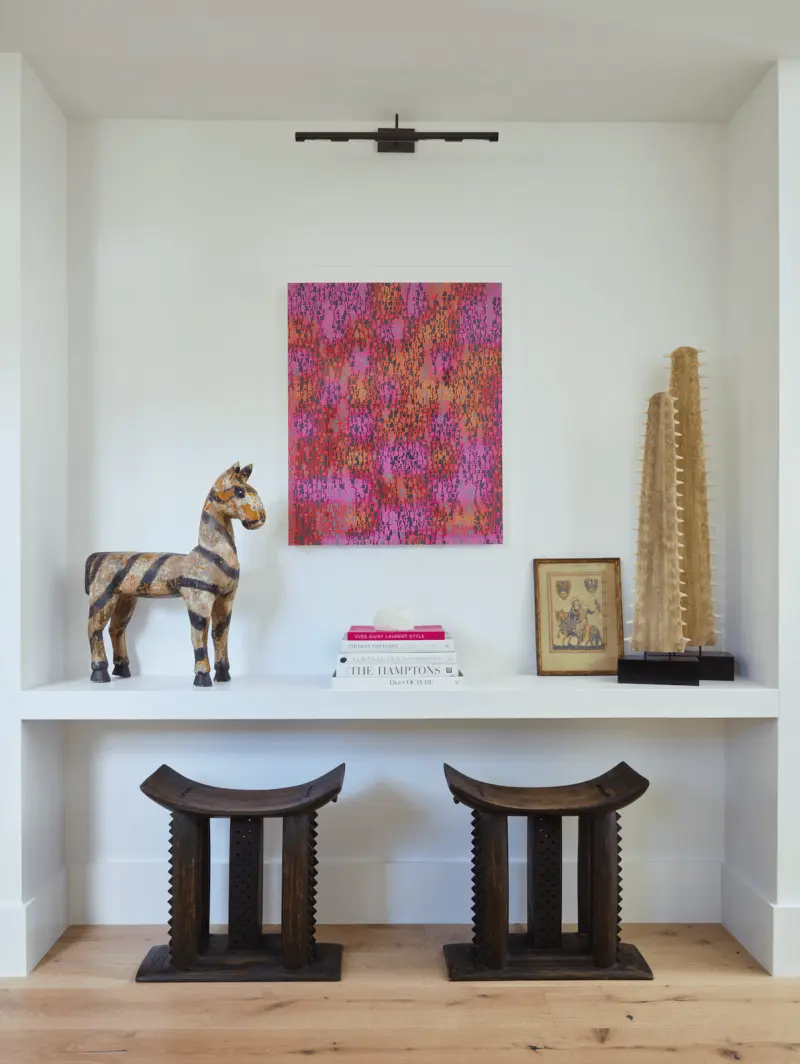
When asked what single element transforms a space, Adler bypasses high-end millwork, designer lighting, and rare antiques. Her answer is unequivocal: original artwork that makes you happy.
For Adler, art is neither an investment vehicle nor a status symbol; it is an emotional anchor. She designs spaces with the humanist understanding that even the most visually stunning room fails if the human inhabitant does not feel emotionally anchored within it. By prioritizing personal connection, historical depth, and lived-in comfort, Adler’s studios in Westport and Delray Beach continue to set a high watermark for what luxury residential design can—and should—achieve.
To explore Olga Adler’s portfolio and learn more about her Westport and Delray Beach studios, visit olgaadlerinteriors.com.