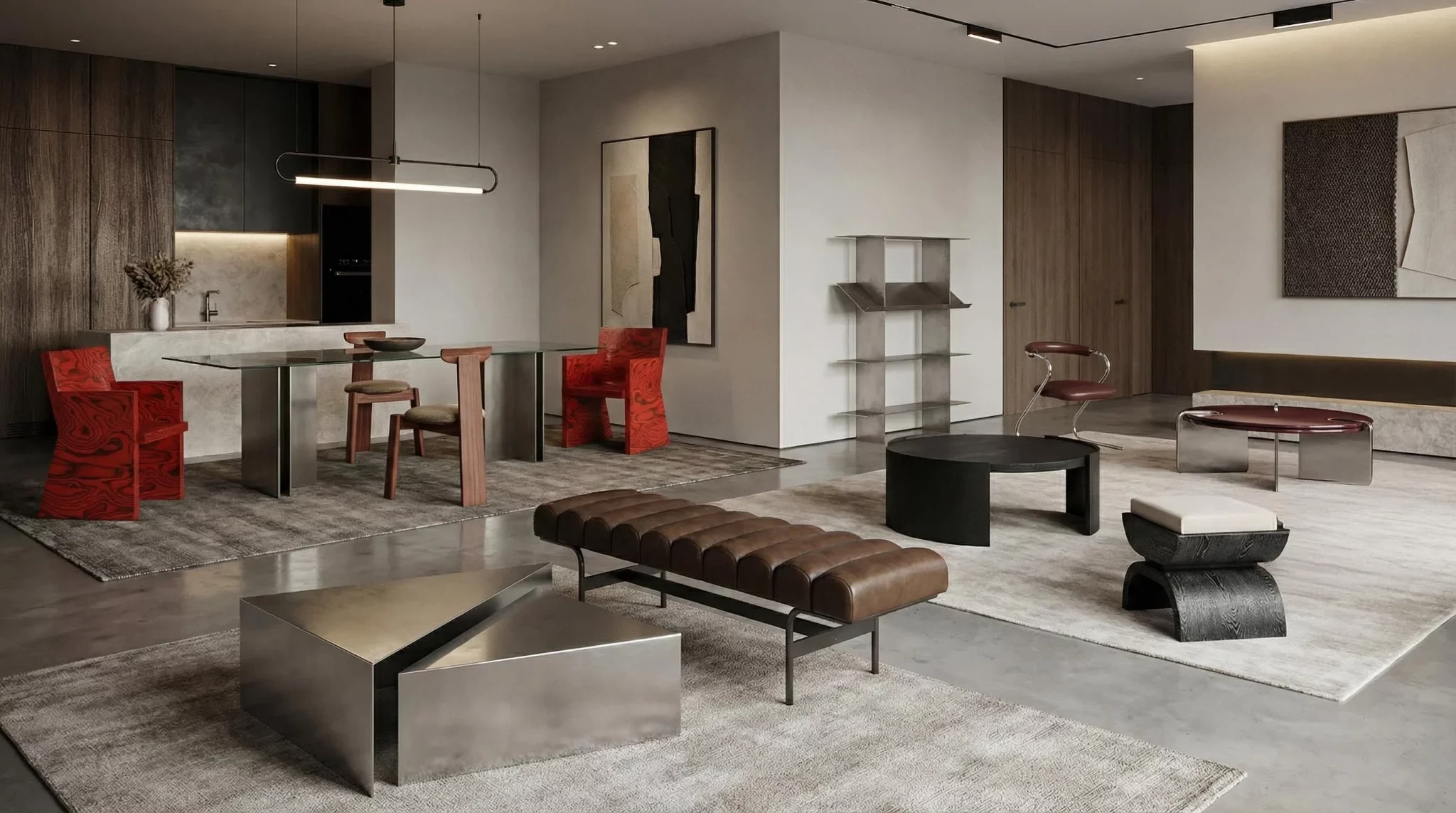
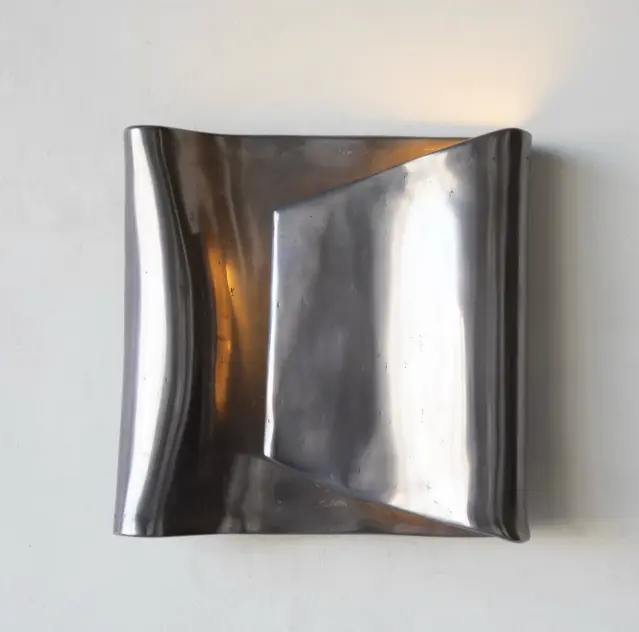
In the upper echelons of residential interior architecture, the intersection of minimalism and warmth is a territory fraught with risk. Too clean, and a space feels clinical; too heavily accessorized, and it loses its breath. Navigating this delicate equilibrium requires a rare kind of aesthetic discipline—one that Dutch-born, U.S.-based designer Martin Kobus has spent a lifetime refining.
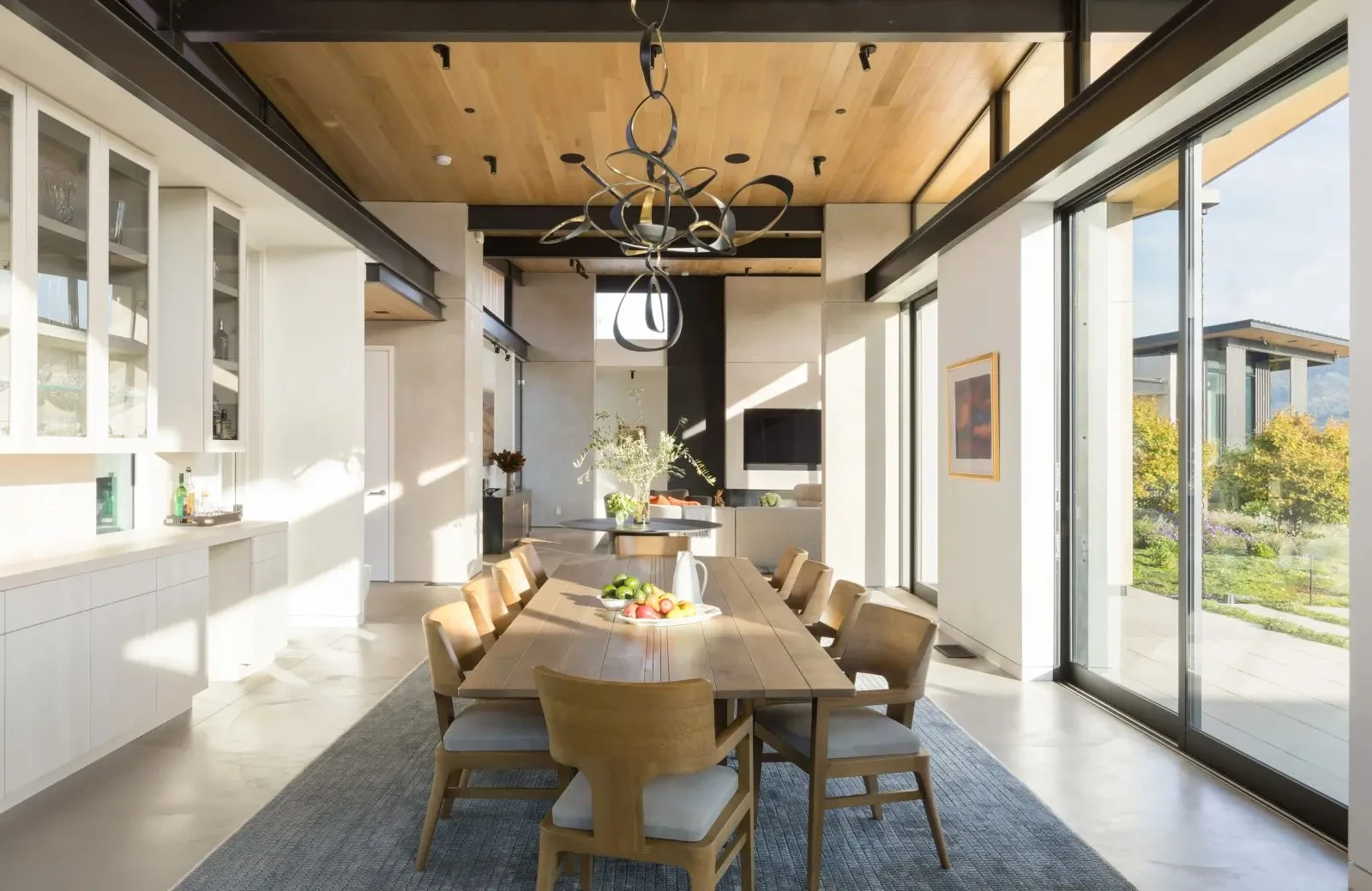
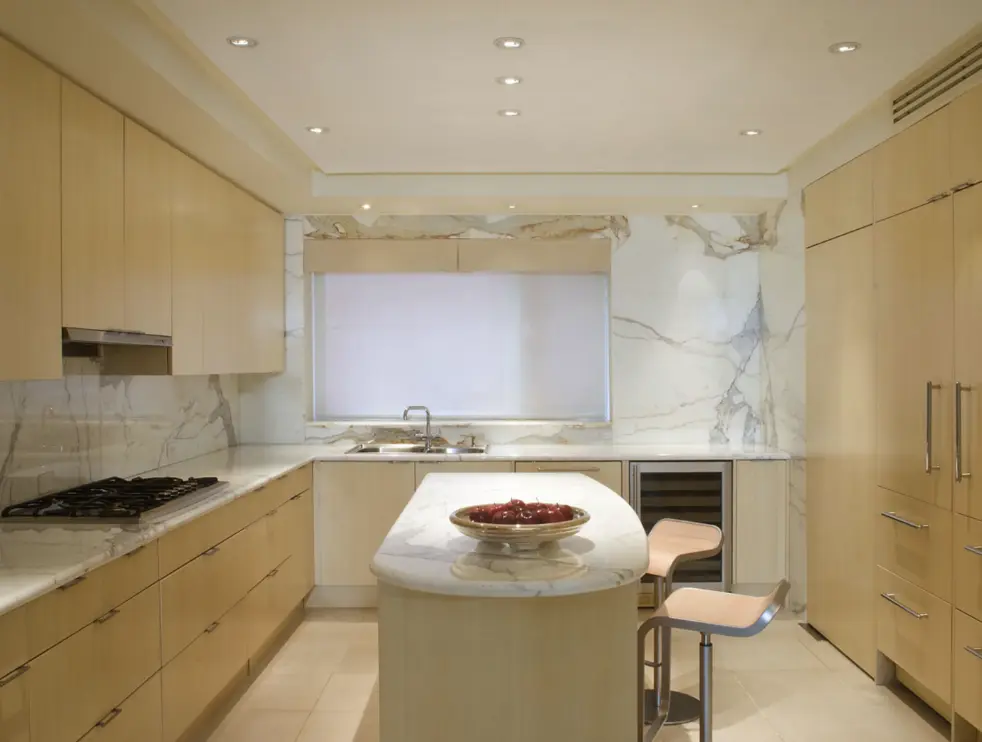
As the principal of the acclaimed firm Kobus Interiors, Kobus has carved out a distinct niche defined by three unwavering pillars: clean lines, subtle gestures, and uncompromised luxury. These are not merely design aspirations or seasonal trends for the firm; they are foundational operational rules. Brought up with an innate exposure to European precision and spatial proportions, Kobus approaches every commission with the eye of a classicist and the exploratory spirit of a modern minimalist.
The firm’s overarching philosophy rests on a compelling paradox: honor the client’s explicit desires, yet authoritatively steer the creative direction where the architecture demands it to go. This leadership model distinguishes true interior architects from mere interior decorators. For Kobus, a successful project is never just about filling a room with bespoke furniture or rare textiles; it is about orchestrating a delicate balance between psychology, spatial architecture, and sensory immersion.
Chronology: A Lifetime in Design and the Evolution of Kobus Interiors
To understand the precision that defines Martin Kobus’s work today, one must trace a trajectory that began long before the establishment of his eponymous firm.
Early Formative Years (The European Foundation): Growing up in the Netherlands, Kobus was immersed in a cultural landscape that values functionalism, light, and architectural integrity. This early immersion in European design sensibilities laid the groundwork for an instinctive understanding of scale, proportion, and materiality.
Immigration and Professional Immersion: Relocating to the United States, Kobus spent decades deeply engaged in every facet of the design industry. This comprehensive, grassroots-to-leadership experience allowed him to master the operational mechanics of building and remodeling, ensuring that his aesthetic visions are always backed by technical feasibility.
Establishment of Kobus Interiors: Founding his own firm allowed Kobus to crystallize his design philosophy. He moved away from fleeting trends, doubling down on the triad of clean, subtle, and luxurious elements that would become his hallmark.
The Rancho Mirage Breakthrough: A defining milestone in the firm’s timeline was the realization of a sprawling, master-planned desert estate in Rancho Mirage, California. This project served as a crucible, testing the limits of how refined, restrained interiors could interact with the harsh, dramatic light and rugged landscape of the desert. The success of the Rancho Mirage estate cemented Kobus’s reputation for executing high-stakes, large-scale luxury architecture.
Present Day: Today, Kobus continues to lead high-end residential projects across the United States, continually expanding his vocabulary through global travel, luxury hospitality studies, and ongoing consultations featured in premier design series like the Roomhints Designer Spotlight.
Supporting Data & Influences: The Architecture of Inspiration
When analyzing what fuels the creative engine of Kobus Interiors, one must look beyond standard mood boards and Pinterest catalogues. Kobus draws his primary inspiration from three distinct sources: high-end luxury resorts, the legendary design philosophy of Christian Liaigre, and continuous international travel.
The Christian Liaigre Legacy
Kobus’s philosophical touchstone is unmistakable: the late French interior architect Christian Liaigre. Known for redefining high-end residential design through radical simplicity, natural materials (such as dark wood, leather, and bronze), and a profound respect for local contexts, Liaigre proved that luxury does not need to shout. Kobus channels this same ethos, rejecting superficial embellishments in favor of tactile richness and spatial clarity.
The Hospitality Paradigm
Luxury resorts represent the ultimate crucible for spatial design. They face a unique architectural problem: how to create environments that feel simultaneously expansive and intimate, deeply considered yet instantly inhabitable by transient guests. Kobus studies these high-stakes hospitality spaces meticulously, translating their effortless flow, ambient lighting, and programmatic efficiency into private residential estates.
Travel as a Vocabulary Expander
For Kobus, travel is not merely recreational; it is research. Experiencing diverse architectural vernaculars, regional craft traditions, and changing qualities of natural light around the world expands the palette of solutions he brings to his clients.
Official Insights & Philosophy: The Psychology of Space
In his candid reflections on the design process, Martin Kobus emphasizes elements that rarely make it onto glossy magazine spreads. Chief among them is the human element.
The Client-Designer Tension
"We are a design firm that believes in giving the client what they want but to drive the project in our direction. Clean, subtle, luxurious interiors are our hallmark."
This quote encapsulates the creative tension at the heart of Kobus Interiors. Clients often come with fragmented ideas, emotional attachments to specific pieces, or aspirations born from media consumption. Kobus listens intently to decode these desires, but he exerts strict creative control to ensure the final environment maintains architectural integrity.
More Than Half is Psychology
According to Kobus, the technical specification of fabrics, stones, and lighting accounts for only a fraction of a successful project. More than fifty percent of the work is applied psychology.
Active Listening: Understanding how a client lives their daily life—their morning routines, entertaining habits, and private sanctuaries.
Unspoken Desires: Identifying the fears, lifestyle aspirations, and aesthetic preferences that clients cannot articulate themselves.
The Conversational Bridge: The physical room is merely the end product; the real skill lies in the psychological journey and dialogue that gets everyone there.
The Sensory Finale: Fragrance over Form
When asked about the single finishing touch that most profoundly transforms a room, Kobus bypasses the expected answers of fine art, statement lighting, or layered accessories. Instead, he points to fragrance.
This perspective reveals a deeply holistic understanding of space. Architecture is primarily visual, but a truly luxurious home engages all senses. The olfactory layer acts as an invisible signature, welcoming inhabitants and guests alike, turning a beautifully styled house into a deeply emotional home.
The Core Principle: Flexibility
When pressed for his single most critical design rule, Kobus offers a single word: flexibility.
In the reality of high-end construction and interior remodeling, blueprints rarely survive contact with reality untouched. Structural surprises, supply chain shifts, and evolving client needs are inevitable. The designer who clings too rigidly to an initial drawing will fail; the master designer adapts fluidly without ever sacrificing the overarching vision.
Implications: The Future of Residential Luxury
The design philosophy practiced by Martin Kobus holds significant implications for the broader world of high-end interior architecture. In an era often dominated by maximalist digital trends, fast-paced micro-influencer aesthetics, and superficial luxury, Kobus Interiors represents a return to enduring values.
The Shift Toward Quiet Luxury: As affluent homeowners increasingly seek sanctuaries away from the hyper-stimulated digital world, the demand for "clean, subtle, and luxurious" spaces is accelerating. Kobus’s work provides a masterclass in how to achieve serenity without sacrificing sophistication.
The Rise of the Holistic Designer: The industry is moving away from decorators who merely source objects toward architectural psychologists who curate complete lifestyles. Kobus’s emphasis on the psychological underpinnings of design and sensory touchpoints like fragrance points the way forward for the next generation of spatial designers.
Adaptability as a Benchmark of Excellence: In complex architectural undertakings—such as conquering the unforgiving desert light and dramatic topography of Rancho Mirage—rigidity is a liability. By placing flexibility at the core of his methodology, Kobus demonstrates that true creative strength lies in resilience and responsiveness.
As explored in the Roomhints Designer Spotlight series, Martin Kobus remains a vital voice in shaping the rooms that matter—spaces that do not just look exceptional on camera, but feel transcendent to inhabit.
Martin Kobus is based in the United States. His portfolio and project inquiries can be explored at martinkobushome.com.