







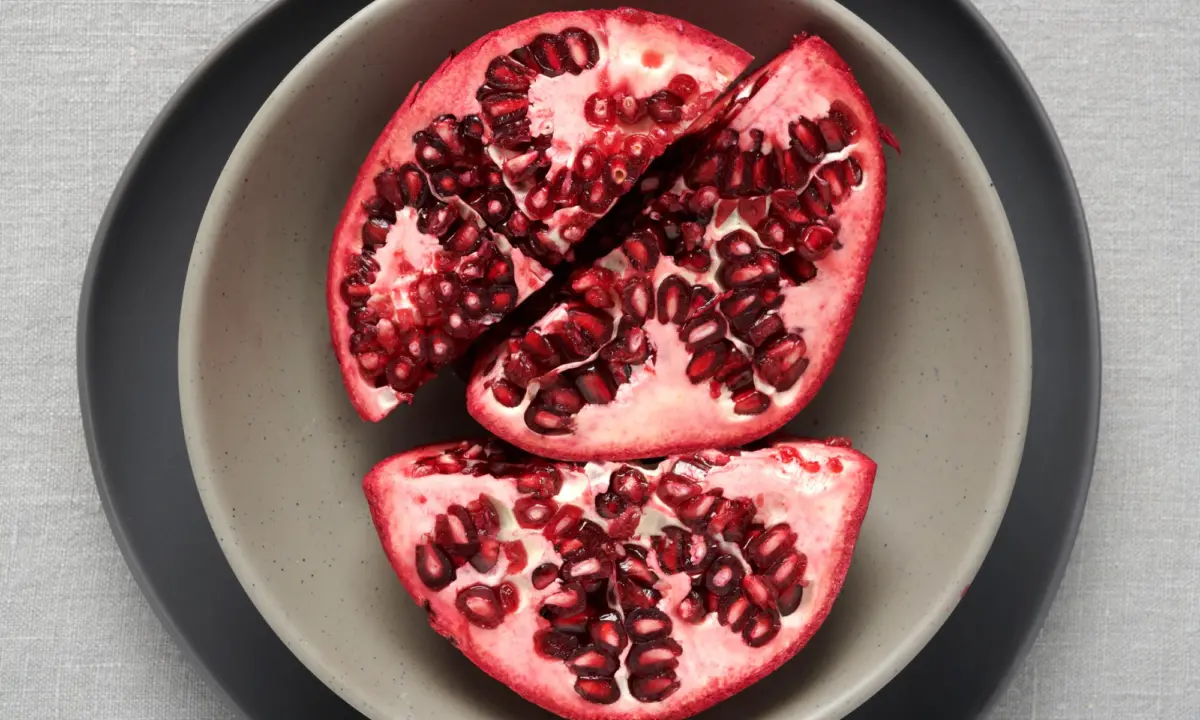
September 20, 2026 — For generations, nutritionists and medical professionals have hailed the pomegranate as a cornerstone of heart-healthy nutrition. Rich in vibrant color and deeply tart flavors, the fruit has long owed its sterling reputation to a dense concentration of plant compounds called polyphenols. However, groundbreaking new scientific research suggests that the true cardiovascular hero may not be the fruit itself, but rather the microscopic alchemy happening deep within our digestive tracts after we consume it.
A recent study published in the scientific journal MDPI has explored the profound impact of a specific gut-derived metabolite on arterial health in mice. The findings are challenging traditional paradigms of cardiology, shifting focus away from systemic cholesterol management toward the intricate, localized power of microbial metabolism, localized cellular protection, and the mitigation of chronic inflammation.
Main Facts: Unlocking the Gut-Heart Axis
At the center of this emerging nutritional narrative is a compound known as urolithin A. Pomegranates are exceptionally rich in complex polyphenols (specifically ellagitannins), but these molecules are far too large for the human digestive tract to absorb directly through the intestinal wall. Instead, they pass into the lower intestine, where specialized gut bacteria metabolize them into smaller, highly bioavailable molecules called urolithins.
Researchers at Cardiff University set out to determine which precise breakdown products are responsible for safeguarding vascular tissue. Through a series of rigorous laboratory experiments on human cells, the team tested the original pomegranate polyphenols alongside various downstream metabolites. They measured the compounds’ abilities to suppress cellular damage, mitigate inflammatory responses, and inhibit the pathological accumulation of oxidized cholesterol within cells.
Consistently, urolithin A emerged as the most potent protector across every clinical metric.
To observe these effects in a living biological system, researchers administered urolithin A to a cohort of mice genetically prone to atherosclerosis (arterial plaque buildup). These subjects were placed on a rigorous, high-fat diet for a period of 12 weeks to accelerate disease progression.
The results were striking:
- Reduced Plaque Burden: Mice treated with urolithin A developed significantly smaller, less obstructive atherosclerotic plaques compared to the control group.
- Inflammatory Suppression: Microscopic analysis of the arterial walls revealed a marked decrease in aggressive immune cells—specifically macrophages—that drive inflammation and destabilize plaques, making them prone to rupture.
- Structural Stabilization: The remaining plaques showed higher concentrations of stabilizing structural elements, such as smooth muscle cells and collagen, which reinforce arterial integrity.
- Cholesterol Independence: Crucially, these cardiovascular improvements occurred entirely independently of circulating blood lipids. Total cholesterol, LDL (low-density lipoprotein), HDL (high-density lipoprotein), and triglyceride levels remained entirely unchanged between the experimental and control groups.
Chronology: From Ancient Superfood to Molecular Discovery
The journey toward understanding the intersection of pomegranate consumption, microbiome mechanics, and cardiovascular integrity spans decades of nutritional science and microbiology.

Phase One: Establishing the Antioxidant Paradigm (Early 2000s)
For decades, researchers attributed the health benefits of pomegranates to their high antioxidant capacity. Laboratory assays demonstrated that pomegranate juice possessed greater free-radical scavenging capabilities than red wine or green tea. Epidemiological studies began linking regular consumption of polyphenol-rich foods to lower incidences of cardiovascular disease, though the exact physiological pathways remained speculative and overly generalized.
Phase Two: Discovering the Microbiome Connection (2010s)
As metagenomic sequencing advanced, nutritional scientists realized that many plant-based phytonutrients are biologically inert until transformed by the human microbiome. Researchers identified ellagitannins as the primary active constituents in pomegranates, walnuts, and berries, and traced their metabolic conversion pathway. This era established that humans can be categorized into distinct "metabotypes" based on whether their gut bacteria possess the enzymatic machinery to convert ellagitannins into urolithins.
Phase Three: Preclinical Validation and Cellular Mechanics (Present Day)
The recent Cardiff University study represents the latest evolution in this timeline. By isolating specific urolithins and testing them on human cellular models before progressing to murine trials, researchers moved correlation into causation. They successfully isolated the precise mechanism of action—targeting vascular inflammation and plaque stability rather than simply altering systemic lipid profiles.
Supporting Data and Mechanistic Insights
To appreciate the weight of these findings, one must examine the pathophysiology of atherosclerosis. Heart attacks and strokes rarely occur simply because an artery is narrowed by cholesterol; rather, they happen when an unstable atherosclerotic plaque ruptures, spilling thrombogenic material into the bloodstream and triggering an acute clot.
The Cardiff University study highlights urolithin A’s capacity to fortify the structural cap of these plaques while pacifying the inflammatory microenvironment.
Furthermore, clinical context regarding urolithin A dosing provides a bridge between animal models and human application. The dosage administered to the murine subjects translates roughly to 4 milligrams per kilogram of body weight per day in humans. Interestingly, this threshold aligns closely with dosages currently undergoing human clinical evaluation for entirely separate indications, such as skeletal muscle endurance, mitochondrial biogenesis, and healthy aging.
Previous human trials evaluating urolithin A safety and bioavailability have safely administered up to 1,000 milligrams per day for periods ranging from 28 days to four months. These trials have consistently demonstrated high bioavailability and an exceptional safety profile, proving that the human body can readily utilize the compound when delivered systematically.
Official Responses and Expert Perspectives
The medical and nutritional research communities have responded to the study with a mixture of enthusiasm and methodological caution.

Dr. Alistair Vance, a senior vascular biologist uninvolved in the study, noted the significance of the findings: "For years, preventative cardiology has been overwhelmingly myopic regarding cholesterol. While lowering LDL remains a cornerstone of therapy, this research provides robust mechanistic proof that targeting vascular inflammation and immune cell infiltration via dietary metabolites offers an entirely separate, highly complementary avenue for protection."
Immunologists have also praised the study’s focus on plaque stability. Dr. Elena Rostova, a clinical researcher specializing in chronic inflammatory pathways, emphasized: "It is not just about the size of the plaque, but the quality of the plaque. By reducing the presence of rogue immune cells that chew away at the arterial wall, urolithin A appears to change the natural history of atherosclerosis from vulnerable to stable."
However, translational experts urge consumers not to over-index on dietary trends prematurely. Epidemiologists point out that while the cellular pathways are compelling, direct randomized controlled trials (RCTs) examining human clinical endpoints—such as the regression of coronary artery plaque or the reduction of cardiovascular events—have yet to be completed specifically for urolithin A and arterial health.
Implications: The Microbiome Lottery and the Future of Preventative Health
The most profound implication of this research centers on personalized nutrition and the concept of the "microbiome lottery."
Because urolithin A is not inherently present in pomegranates, but is instead synthesized by proxy through microbial digestion, a person’s individual gut flora dictates whether they extract maximum cardiovascular value from the fruit. Individuals whose colonic microbiomes lack the requisite bacterial strains may consume copious amounts of pomegranate juice or extract and reap only a fraction of the vascular protective benefits compared to someone with an optimized microbial profile.
This variability helps explain why historical human studies investigating pomegranate consumption and heart health have occasionally yielded mixed or heterogeneous results.
What This Means for Consumers Today
- Embrace Dietary Diversity: Consuming polyphenol-rich foods like pomegranates, berries, and walnuts remains unequivocally beneficial. Even if urolithin conversion varies, these foods nourish a diverse microbial ecosystem, support gut barrier integrity, and provide systemic antioxidant support.
- Support Gut Health: Cultivating a resilient, diverse microbiome through high-fiber diets, fermented foods, and stress management may enhance the body’s natural capacity to synthesize beneficial postbiotics like urolithins.
- The Rise of Direct Postbiotics: For individuals who lack the specific microbial machinery, direct supplementation with purified urolithin A offers a promising bypass route. While currently validated primarily for muscle and cellular health in humans, these supplements may soon serve as targeted interventions for vascular maintenance pending further clinical trials.
Looking Ahead
As science marches forward, the boundary between diet and pharmacology continues to blur. The realization that our gut bacteria act as internal pharmacies—converting innocent holiday fruits into potent cardiovascular guardians—opens up thrilling new horizons for preventative medicine. While human trials specific to arterial plaque regression are still required to cement these findings in clinical guidelines, the pomegranate’s ancient reputation as a symbol of vitality has just been given a brilliant, molecular upgrade.