








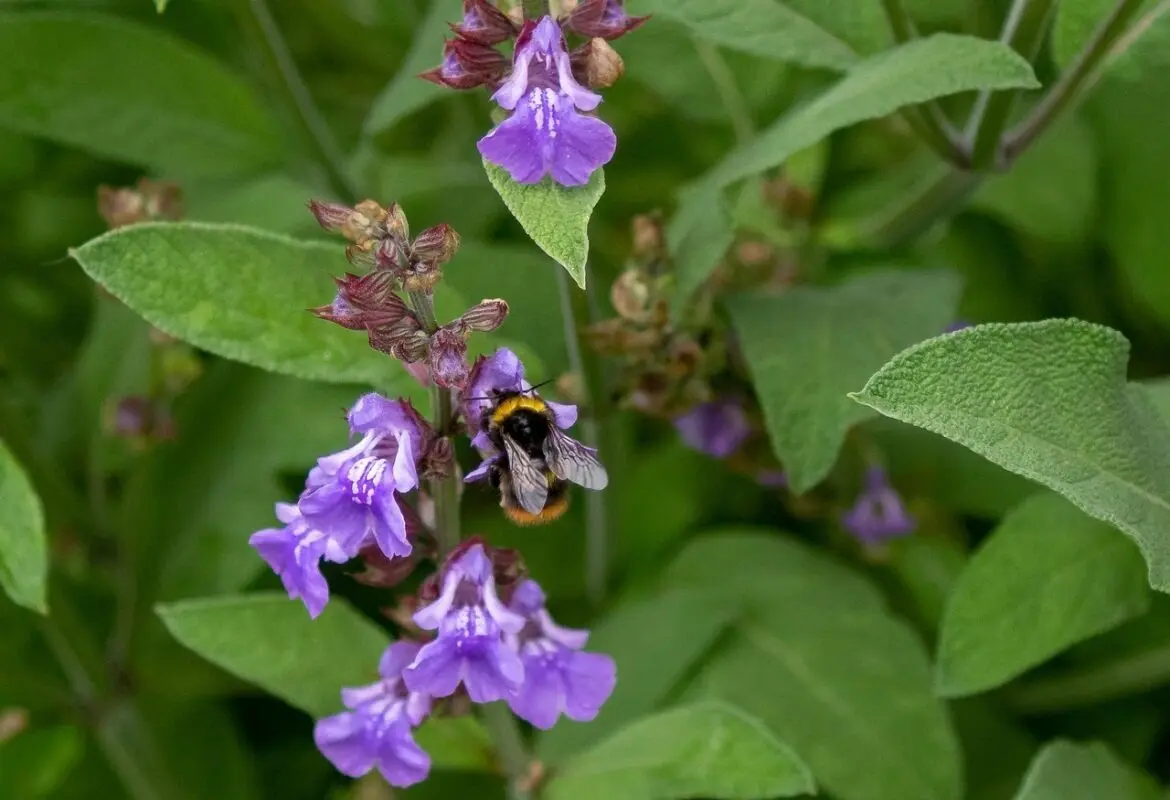
As the crisp autumn winds sweep away the lingering heat of summer, modern kitchens naturally pivot toward the comforting warmth of soup season. For many home cooks, this seasonal shift brings culinary sage (Salvia officinalis) back to the forefront of the spice rack. Typically relegated to Thanksgiving stuffings or roasted pork dishes, culinary sage is viewed today as a benign, domestic herb.
However, beneath its comfortable, everyday reputation lies a rich, sprawling tapestry of ancient medical practices, dark European folklore, and potent magical traditions. Stretching from the sun-drenched origins of the Ancient Mediterranean to the shadowy monastic physic gardens of medieval Europe, sage has long occupied a liminal space between healing and harm, life and death, domesticity and the supernatural.
Main Facts: The Botanical and Historical Profile of Salvia
To understand the cultural weight carried by sage, one must first look to its linguistic and botanical roots. The genus name Salvia derives directly from the Latin verb salvere, meaning "to heal" or "to save." This designation reflects the herb’s ancient reputation as a panacea—a universal cure-all capable of warding off a vast array of human ailments.
While classical civilizations frequently overestimated the herb’s pharmacological reach—seriously suggesting, for instance, that it could neutralize deadly snakebites—modern science has validated several traditional uses of the plant. Salvia officinalis is rich in antioxidants and exhibits strong antimicrobial properties, characteristics that partly explain its historical preservation roles and its status as a cornerstone of early European medicine.
By the medieval era, sage was an indispensable fixture of monastic physic gardens across the continent. Its specific epithet, officinalis, references the officina—the storeroom or dispensary where medieval monks and apothecaries kept their dried herbs, salves, and medicinal tonics.
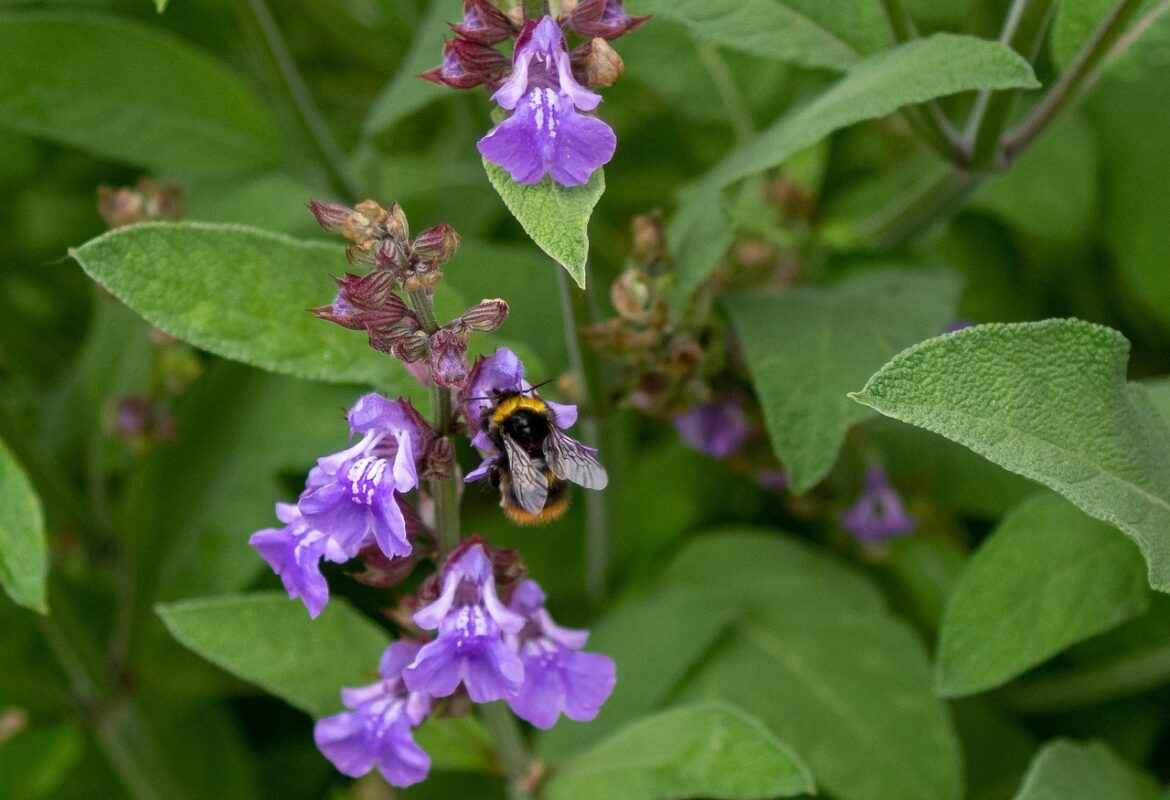
In these historical contexts, the boundary between medicine and magic was virtually nonexistent. The same strong, aromatic oils that made sage an effective antiseptic were also believed by folk practitioners to repel miasma (the foul air thought to cause disease) and protect the living from the malevolent gaze of the evil eye.
Chronology: Sage Through the Ages
The historical trajectory of sage tracks the evolution of European herbalism, shifting from classical antiquity through the superstitions of the Middle Ages and into Victorian folklore.
- Classical Antiquity (Greece and Rome): Physicians and natural philosophers document the healing properties of salvia, cementing its name as a life-saving herb. The ancient medical text Regimen Sanitatus Salernitanum famously poses the rhetorical and hyperbolic question: "Why should a man die in whose garden grows sage?"
- The Middle Ages: Sage becomes a staple of monastic gardens. It is integrated deeply into burial customs; Europeans tuck sage leaves into coffin linings, rest them beneath the heads of the deceased, and plant the herb over graves as a living monument of remembrance.
- The Early Modern Era (16th–18th Centuries): Folk beliefs surrounding domestic dominance and weather divination flourish. Sage plants thriving in a garden are interpreted across various English counties as a sign of either female household dominance or overall domestic prosperity. Concurrently, coercive love charms utilizing powdered sage leaves mixed with sacred names are practiced in rural communities.
- The 19th Century: Folklorists like Richard Folkard meticulously record elaborate group rituals, such as the midnight red-sage ceremonies used by young women to divine their future husbands.
Supporting Data: Folklore, Domestic Omens, and Amphibian Allies
The folklore surrounding sage is remarkably diverse, often intersecting with the traditions of other culinary staples like parsley and rosemary. Like parsley, sage served as an indicator of household dynamics and agricultural fertility in rural European superstition.
Domestic Power Dynamics and Omens
In many English traditions, a thriving, lush sage bush was viewed as clear evidence that the women of the household ruled the roost, asserting dominance over their husbands rather than yielding to patriarchal norms. Interestingly, counties like Wiltshire held a contradictory belief that a strong sage plant indicated the male head of the household was thriving financially and socially. Furthermore, while a flourishing bed of parsley signaled an impending pregnancy in the family, a healthy sage bush allegedly ensured that any children born to the household would unfailingly be girls.
Coercive Love Magic and Divination
Sage also found its way into love magic—a category that frequently blurred the line between romance and coercion. One historical charm involved writing sacred and paired names—Jesus and Mary, Adam and Eve, alongside the caster and the target—onto sage leaves. These leaves were then pulverized into a powder and secretly fed to the unsuspecting target. Folklorists note the deep syncretism of such spells, which blended folk Christianity with older, pre-Christian ritual practices, occasionally invoking holy figures in ways the institutional Church roundly condemned.

For single women less interested in forcing a specific partner’s hand, sage provided a window into the future. On the eves of significant calendar dates, such as Midsummer or Christmas, young women would perform intricate divination rites. In a ritual recorded by folklorist Richard Folkard in the 19th century, groups of three, five, or seven young women would gather sprigs of red sage at sunset. Placing the sprigs in a basin of rose-water in a silent room alongside their inverted smocks, they waited for midnight, when the ghosts or visions of their future husbands would supposedly appear to remove the sage and sprinkle the garments.
The Curious Case of the Toad
Perhaps the strangest strand of sage folklore involves its mythical relationship with toads. In medieval and early modern European belief, toads were frequently viewed as venomous creatures. Tradition held that toads were irresistibly drawn to sage plants, where they would rub their bodies against the leaves to coat themselves in the herb’s healing juices—or conversely, infect the plant with their own poison. While modern science confirms that toads do not use sage as a medicinal balm, this charmingly imaginative lore spawned local adages, such as the Piedmont belief that "in every Sage-leaf is concealed a little toad."
Official Responses and Modern Adaptations
While modern pagan and witchcraft communities continue to explore the magical properties of culinary sage, contemporary herbalists emphasize the importance of distinguishing culinary sage (Salvia officinalis) from white sage (Salvia apiana). In recent years, indigenous groups and environmental organizations have raised significant concerns regarding the overharvesting and cultural appropriation of white sage, which is native to southwestern North America and holds sacred status in Indigenous American religious ceremonies.
Ethical practitioners increasingly encourage the use of locally grown, sustainable culinary herbs like common garden sage for everyday domestic magic, cooking, and apotropaic workings. Culinary sage offers a culturally rich, ecologically sound alternative for modern practitioners looking to connect with historical European herb lore without depleting endangered indigenous resources.
Implications: Integrating Ancient Lore into the Modern Kitchen
As autumn deepens and the culinary focus turns toward hearty, warming meals, reconnecting with the historical and magical roots of everyday ingredients adds a layer of intentionality to domestic life. Whether viewed through the lens of historical anthropology, herbal medicine, or modern kitchen witchcraft, sage remains a powerhouse of flavor and meaning.

To celebrate soup season and honor the protective, life-affirming traditions of the past, home cooks can look beyond traditional stuffings and try a recipe designed to incorporate apotropaic, luck-bringing ingredients into a comforting seasonal dish.
White Bean Soup with Sage and Chorizo Crumb (Serves Four)
This substantial autumn soup combines white beans—long associated with ancestral feasts and sustenance—with roasted garlic, sweet root vegetables, and a protective, savory crown of crispy sage and chorizo.
Ingredients
For the Soup:
- 1 lb dried white beans (cannellini or great northern)
- 1 whole bulb of garlic
- 1 large yellow onion, diced
- 3 carrots, diced
- 3 stalks of celery, diced
- Olive oil for sautéing and roasting
- 6 cups high-quality vegetable stock
- 1 dried bay leaf
- Salt and freshly cracked black pepper to taste
For the Chorizo Crumb:
- 1 cup fresh breadcrumbs
- 1 large link of Spanish chorizo, finely diced
- A generous handful of fresh culinary sage leaves, roughly chopped
- Olive oil (as needed for crisping)
Instructions
- Soak the Beans: Soak the dried white beans overnight in the refrigerator in a large bowl of water, adding a pinch of salt to the soaking liquid.
- Roast the Garlic: Slice the very top off the garlic bulb to expose the cloves. Rub the bulb generously with olive oil, wrap it in foil, and roast in the oven at 170°C (340°F) for 25 minutes until soft and caramelized.
- Sauté the Base: While the garlic roasts, dice the onion, celery, and carrot. Sauté the vegetables in a large soup pot with olive oil and a generous sprinkling of salt and pepper until translucent and fragrant.
- Simmer: Once the garlic is finished roasting, squeeze the softened cloves out of their paper husks directly into the pot. Drain the soaked beans and add them to the pot along with the vegetable stock and the bay leaf. Bring the mixture to a robust boil, then reduce the heat to a gentle simmer, cover with a lid, and cook for 1 to 1.5 hours until the beans are completely tender.
- Blend: Remove the pot from the heat. Using an immersion blender, carefully purée the soup until smooth and creamy. Taste and adjust seasoning with salt and pepper as needed. Keep warm on low heat.
- Prepare the Crumb: In a separate skillet, finely dice the chorizo and fry it slowly over medium heat to render its rich, smoky fat. Remove the cooked chorizo with a slotted spoon and set aside. In the remaining chorizo fat, toss the roughly chopped sage leaves and fresh breadcrumbs. Toast them for about five minutes, stirring continuously until golden and crisp (add a splash of olive oil if the pan becomes too dry). Return the chorizo to the pan and toss to combine.
- Serve: Ladle the steaming white bean soup into bowls. Scatter the crispy sage and chorizo crumb over the top in a decorative spiral. Place any leftover crumb in a small communal dish on the table so diners can garnish to their heart’s content.