






WASHINGTON — In the rapidly expanding $40 billion global artisan craft market, artisanal soap makers are continuously seeking innovative ways to differentiate their handmade products from mass-produced commercial alternatives. While melt-and-pour soap crafting has long been praised for its accessibility and safety—allowing hobbyists to bypass the handling of caustic lye—it has historically suffered from a distinct creative limitation: a repetitive workflow that often yields uniform, predictable results.

Enter soap curls. By introducing thin slivers of soap that naturally twist into delicate, ribbon-like formations, crafters are injecting unprecedented visual dimension, textural complexity, and tactile engagement into their projects. Far from a mere cosmetic garnish, this technique has sparked a micro-trend within the DIY community, merging aesthetics with sensory engagement, including the burgeoning popularity of ASMR (Autonomous Sensory Meridian Response) crafting.

Main Facts: What Are Soap Curls and Why Are They Transforming Crafting?
Soap curls are delicate, flexible ribbons shaved, peeled, or sliced from a cured block of melt-and-pour or cold-process soap. When executed correctly, these shavings naturally coil into structural elements that can be utilized in several distinct ways:

- Surface Decoration: Adorning the tops of bars to create tactile, multi-dimensional designs.
- Structural Embeds: Integrating the curls inside loaf molds to produce intricate, professional-grade cross-sections when sliced.
- Gift Embellishments: Sculpting individual curls into intricate components like soap roses or gift-box bows.
- Sensory "Crunchy Soap": Allowing thin curls to air-dry over extended periods to develop a firm, satisfyingly textured scrub element.
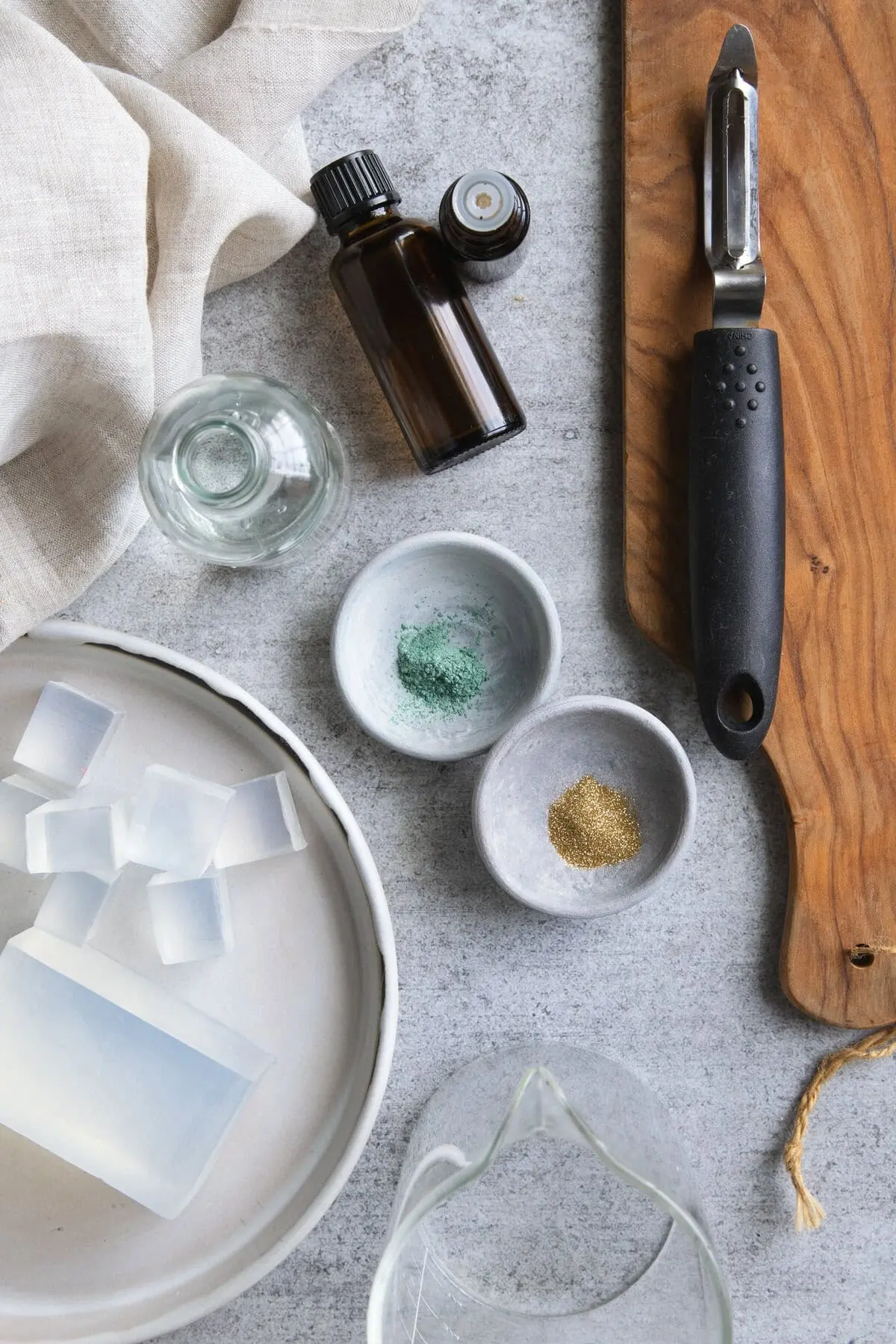
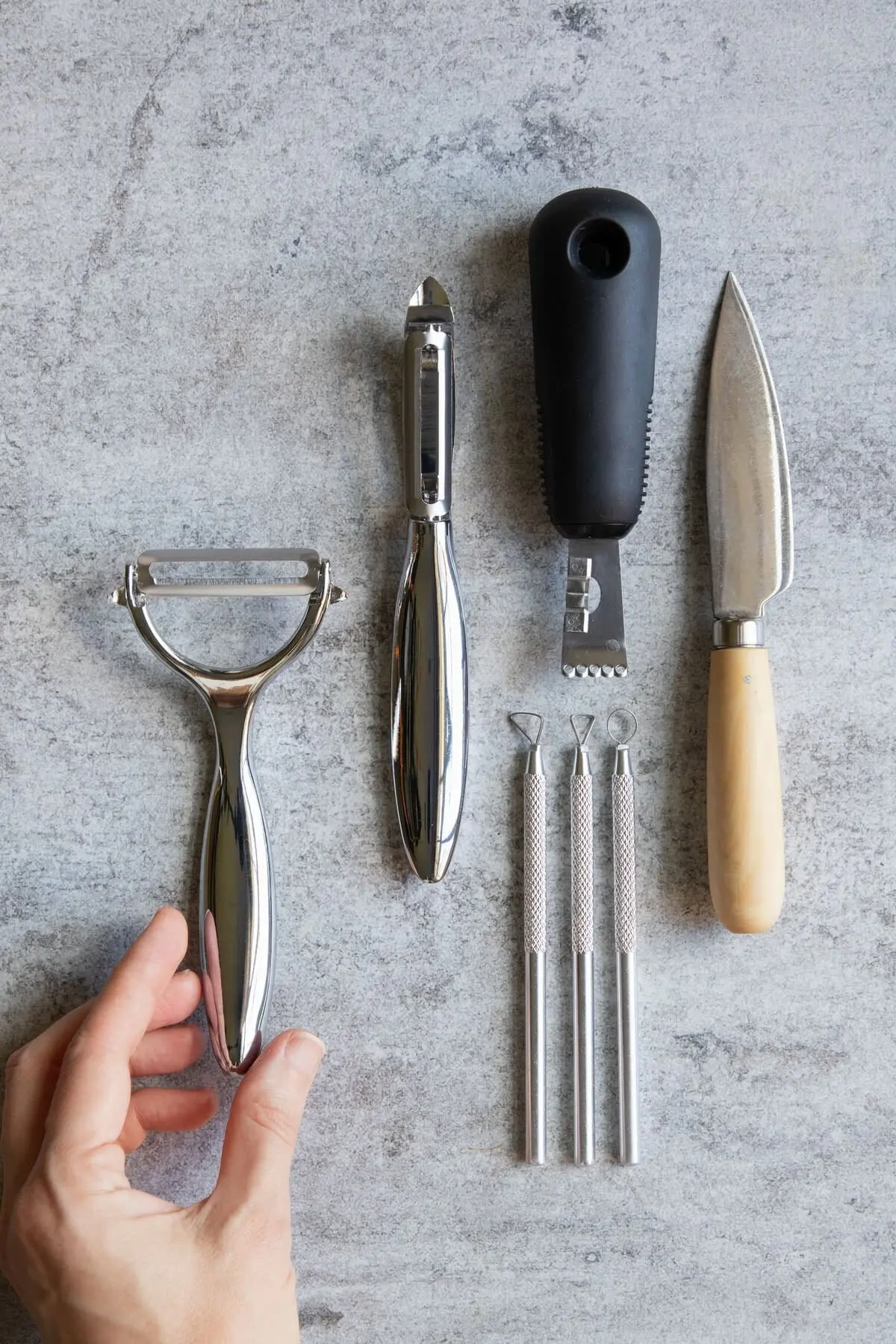
Industry experts note that this technique requires minimal financial investment in specialized tools—utilizing everyday kitchen implements like vegetable peelers and citrus zesters—yet yields results that rival high-end, commercially manufactured artisan soaps.

Chronology: The Evolution of the Soap Curl Technique
The integration of soap curls into modern melt-and-pour crafting did not happen overnight. It evolved through iterative experimentation within the online maker community:

- Phase 1: The Monotony of Standard Casting (Pre-2023): Melt-and-pour soap was largely confined to standard geometric block casting, layering flat colors, or using pre-made silicone embeds. While efficient, the results often lacked the organic movement found in traditional cold-process swirls.
- Phase 2: Discovery of the "Thin Pour" (2023–2024): Crafters experimenting with leftover soap bases began pouring ultra-thin sheets of liquid soap onto parchment or directly into molds. Observing that these sheets remained pliable shortly after cooling, makers began rolling them manually—much like pastry dough—to create internal embeds.
- Phase 3: Tool Adaptation and Toolkits (2025): The technique matured as makers systematically tested household items. Standard vegetable peelers, Y-shaped peelers, microplane zesters, and clay trimming tools were co-opted into soap-making toolkits, establishing standardized methodologies for varying curl thicknesses.
- Phase 4: The ASMR and Artisanal Boom (Present): Today, soap curls occupy a unique intersection of visual artistry and sensory crafting. The movement has expanded to include specialized curing timelines for "crunchy soap" and advanced floral styling, such as hand-rolled soap roses.
Supporting Data and Supplies: The Anatomy of a Successful Curl
Achieving professional results requires an understanding of both material science and mechanical execution. Not all soap bases react the same way to mechanical stress.

Essential Toolkits
Depending on the desired visual outcome, artisans rely on specific hardware:

- Vegetable Peelers: Ideal for long, smooth, flexible ribbons that can be fashioned into bows or draped over single-cavity bars.
- Citrus Zesters: Generates fine, confetti-like particles for subtle, multi-colored layering effects.
- Clay Trimming Tools: Offers an organic, imperfect edge favored by crafters seeking a rustic, hand-hewn aesthetic.
- Y-Shaped Peelers: Best utilized with custom 1-inch thick soap layers poured in loaf molds, producing robust strips ideal for hand-rolling.
- Cheese Planers: Yields thicker structural layers necessary for crafting sturdy 3D elements like soap roses.
Material Requirements
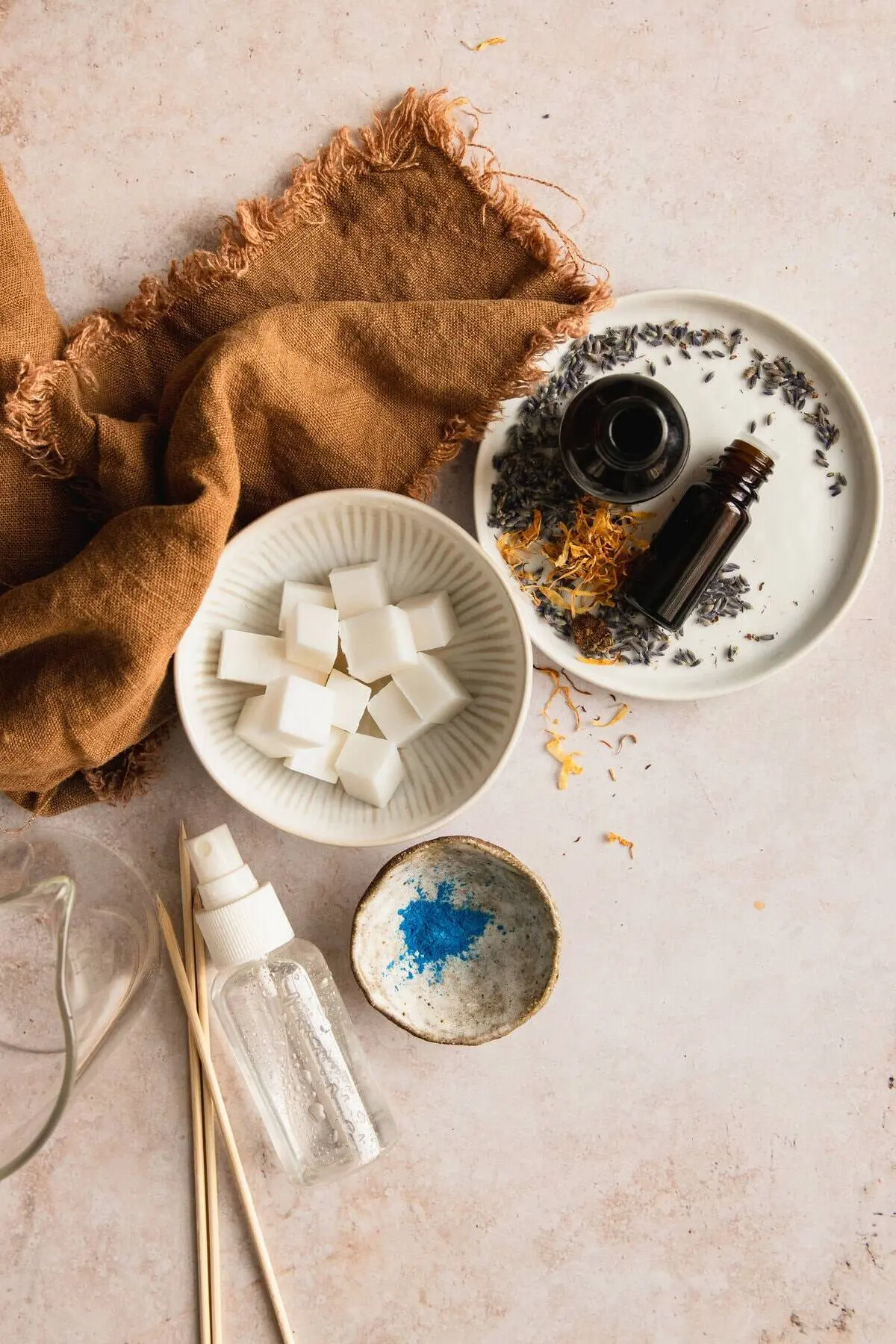
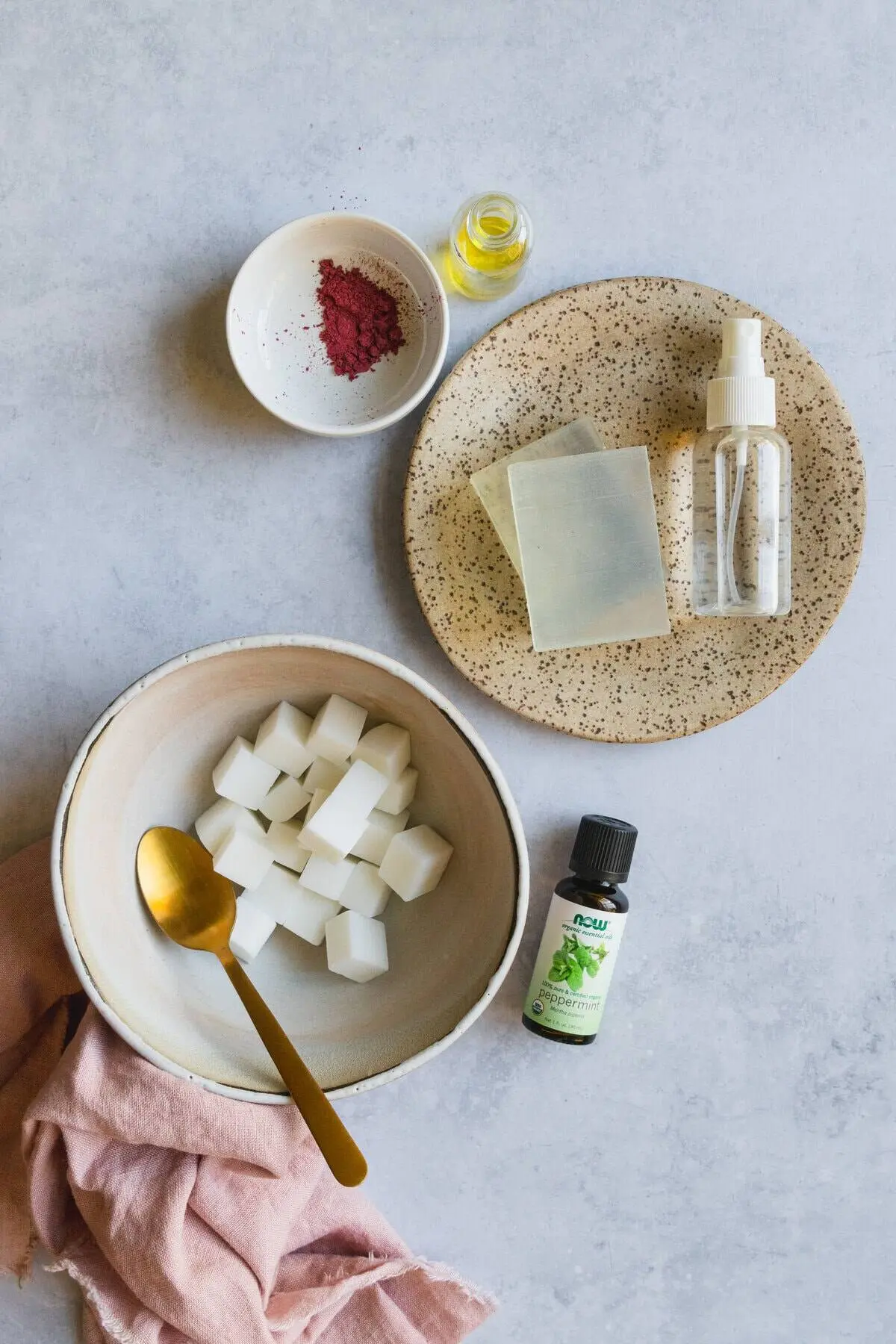
Standard melt-and-pour supplies apply—including your choice of transparent or opaque soap base, skin-safe colorants, and fragrance oils. However, advanced curl crafting introduces two critical adjunct ingredients:

- Liquid Glycerin: Added at a rate of 1 to 2 tablespoons per batch to enhance flexibility, preventing brittle bases from snapping during the peeling process.
- Rubbing Alcohol (Isopropyl): Used in a spray bottle to set delicate curls and prevent premature melting during secondary over-pours.
Official Recommendations: Step-by-Step Methodology
Mastering soap curls requires precision in preparation and execution. Industry artisans recommend following structured protocols based on the chosen technique.

Preparing the Foundation
Before any peeling or shaving can occur, the base soap must be cast and cooled correctly.

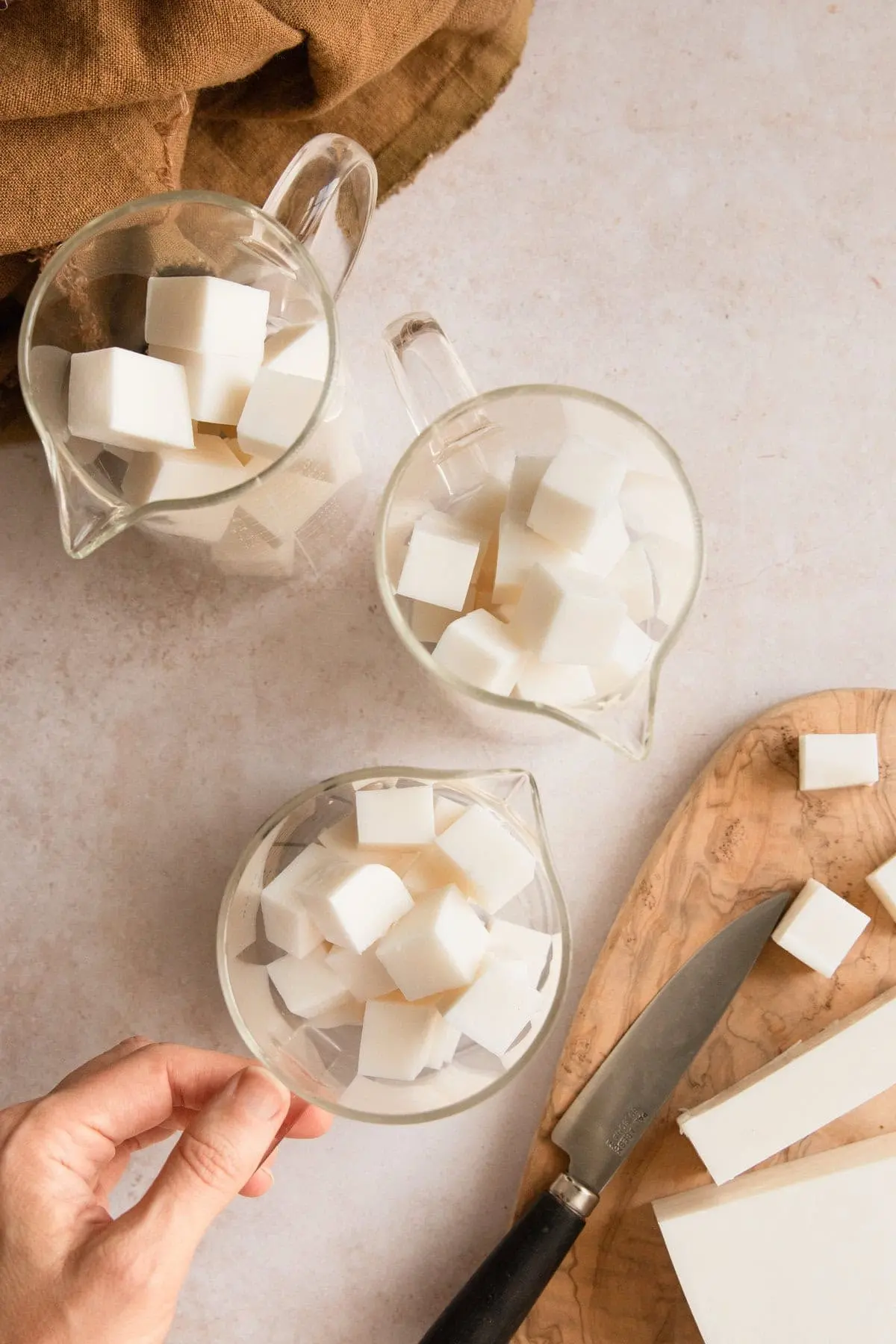
- Pour melted soap base into a single-cavity mold or a shallow loaf mold (ranging from 1 inch to an ultra-thin 1/16 of an inch, depending on the chosen method).
- Allow the soap to cool completely for block methods, or roughly 5 to 10 minutes for the "thin pour" method until the sheet is firm yet pliable.
- Unmold the soap carefully. If the high glycerin content makes the block slippery, use a paper towel to maintain a firm, safe grip.
Executing the Peel
- For Standard Curls: Firmly hold the soap block and draw your chosen peeler steadily along the flat, long side. Allow the curl to form naturally; if resistance occurs, gently guide the ribbon with your fingertips while the soap retains its initial flexibility.
- For the Thin-Pour Method: Extract the semi-set sheet from the loaf mold, cut it into 1-to-2-inch strips, and roll them manually. Allow these finished curls to rest and firm up before integrating them into final projects.
Troubleshooting Common Crafting Challenges
Even experienced makers encounter hurdles when transitioning into curl crafting. Industry troubleshooting guidelines address the most frequent issues:

- Problem: Cracked or Brittle Curls.
- Cause: The soap base lacks sufficient elasticity.
- Solution: Incorporate 1–2 tablespoons of liquid glycerin into your melted base prior to casting to increase flexibility.
- Problem: Trapped Air Bubbles in Loaf Embeds.
- Cause: Air pockets forming as liquid soap surrounds the dry curls.
- Solution: Embed your curls at a slight angle to allow air to escape. Always spritz the base and the curls with rubbing alcohol immediately before and after pouring the secondary layer.
- Problem: Curls Melting Upon Contact.
- Cause: The over-pour soap is applied at too high a temperature.
- Solution: Allow your melted soap to cool to approximately 140°F (60°C) or lower before pouring it over or around pre-made curls.
- Problem: Achieving the ASMR "Crunchy" Texture.
- Cause: High moisture content keeping the soap soft.
- Solution: For a satisfying, crisp tactile experience, use thin curls and allow them to cure in a well-ventilated space for approximately 5 weeks to ensure complete hardening.
Implications: The Future of Artisan Soap Design
The mainstream adoption of soap curls carries significant implications for the handmade bath and body industry. By lowering the barrier to entry for advanced decorative techniques, hobbyists can now produce luxury-tier aesthetic goods from home kitchens.

Furthermore, the intersection of soap crafting with sensory trends like ASMR highlights a broader consumer shift: buyers and makers alike are no longer looking merely at the functional utility of a product, but at the multi-sensory journey it provides—from the auditory feedback of peeling and the tactile satisfaction of the final wash, to the visual sophistication of embedded artisanal ribbons. As crafters continue to innovate with these techniques, the humble melt-and-pour block is proving to be a remarkably versatile medium for modern creative expression.