








GLOBAL / LIFESTYLE — In an era defined by hyper-connectivity and unprecedented interpersonal velocity, relationship experts, psychological researchers, and wellness advocates are noting a paradoxical trend: while humans are more digitally linked than ever before, the depth, intentionality, and reflective space within individual relationships are steadily eroding. Modern professional and personal demands often leave partners, close friends, and collaborators running on autopilot, reacting to immediate stressors rather than nurturing the foundational health of their bonds.
In response to this cultural shift, the wellness and introspection community has increasingly embraced structured, ritualistic practices designed to pause the momentum of daily life. Among these, intuitive frameworks—such as specialized tarot spreads—have emerged as popular tools for non-verbal communication and emotional alignment.
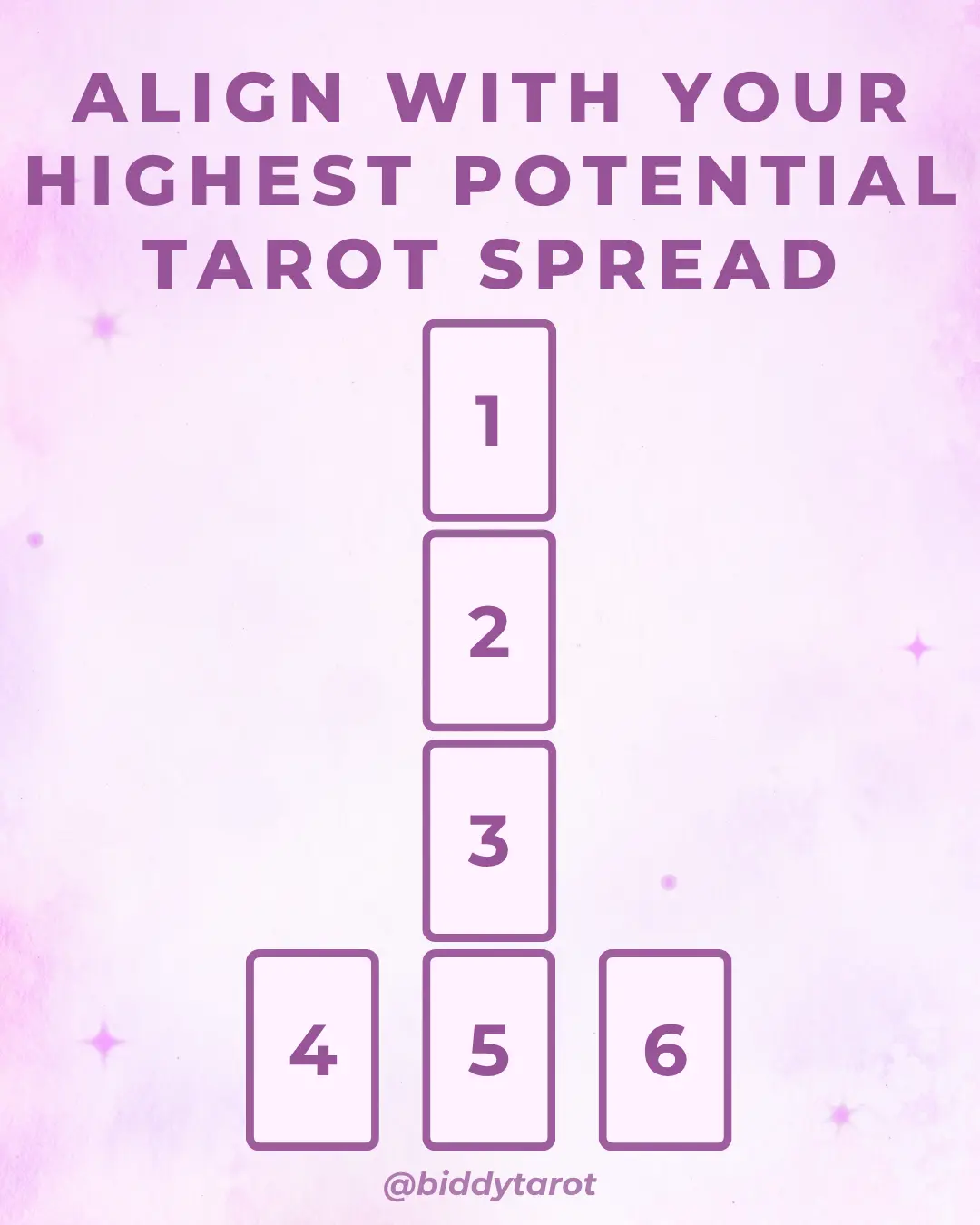
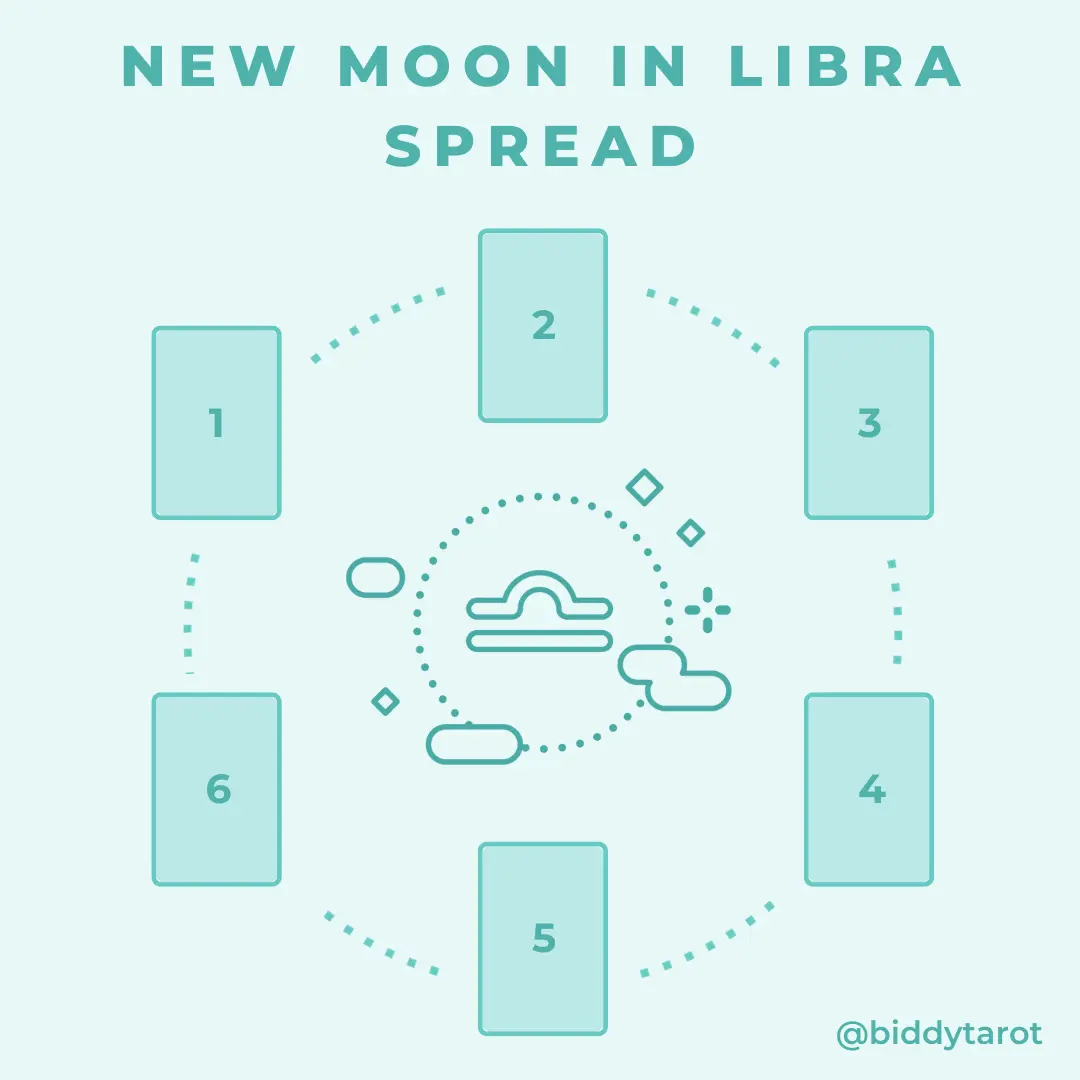
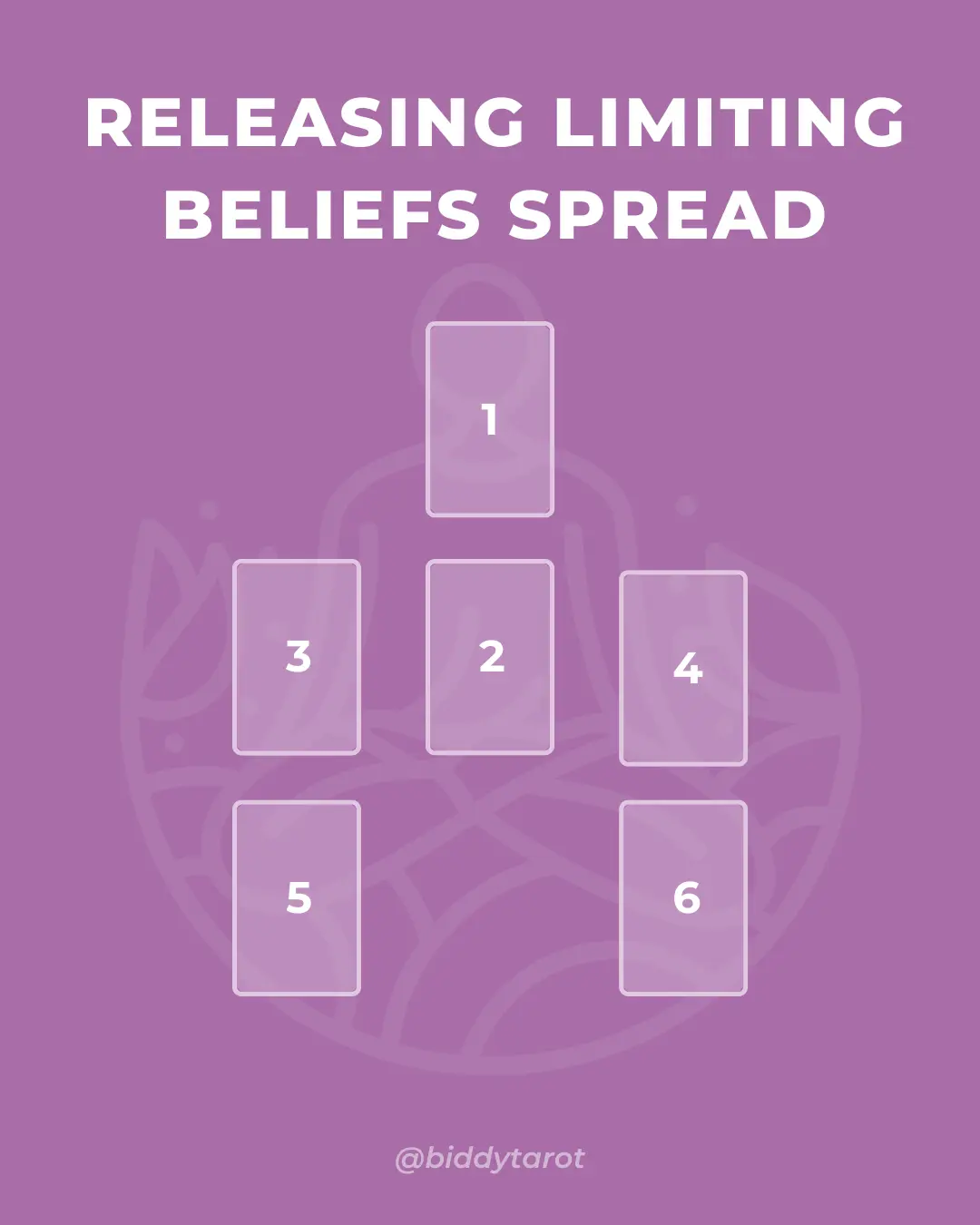
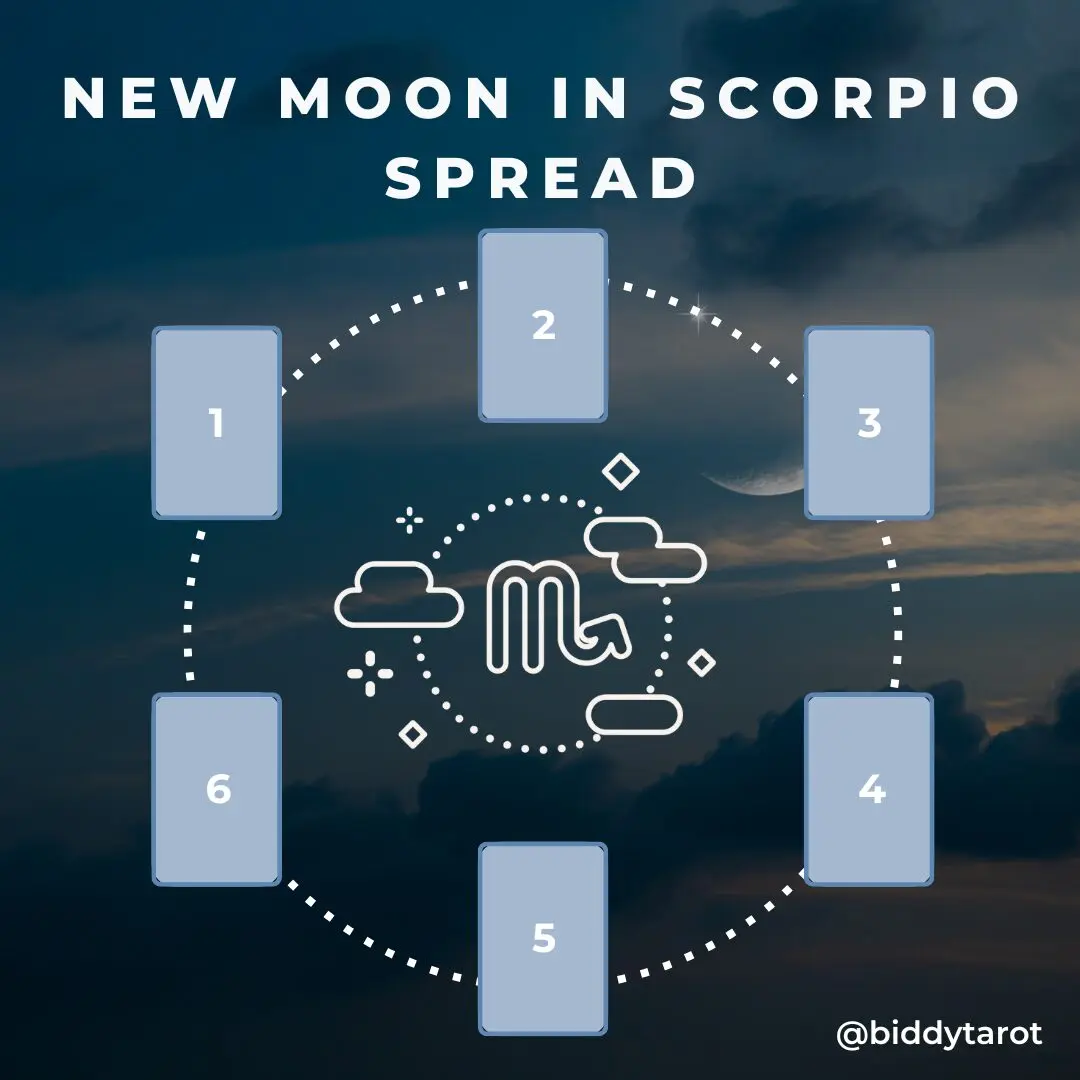
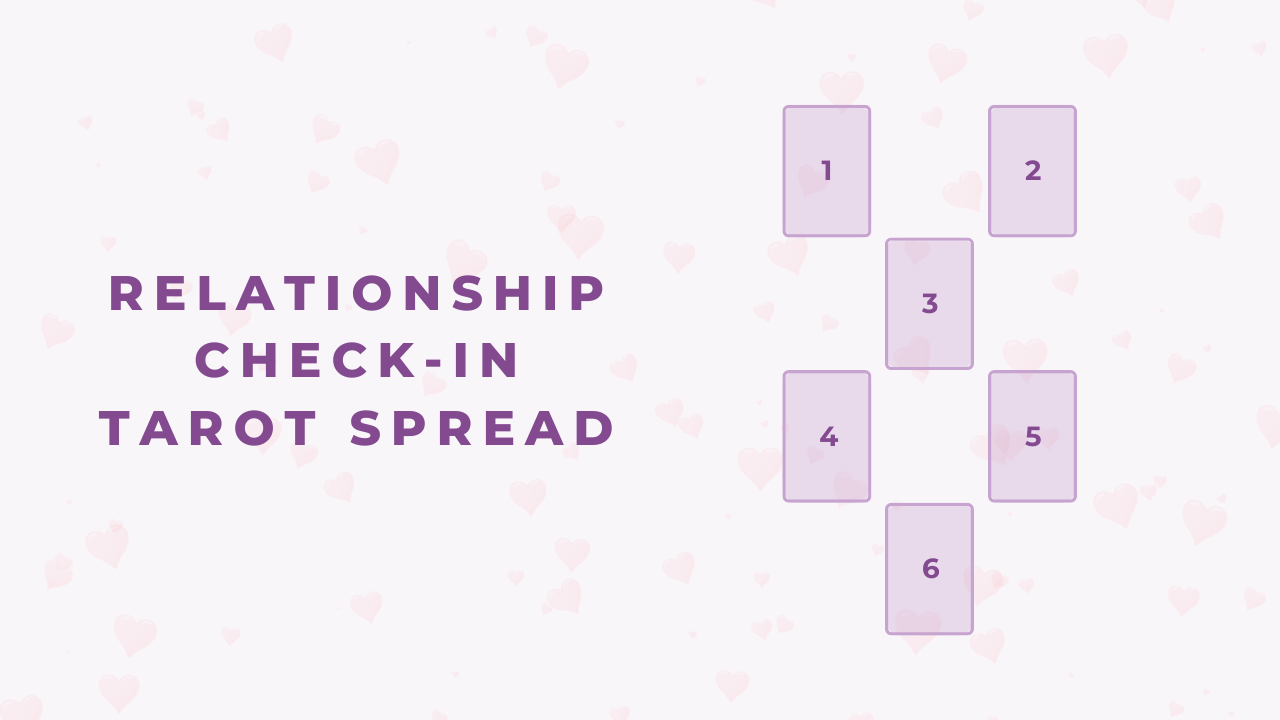
A prominent development in this space is the introduction of the Relationship Check-In Tarot Spread by the renowned educational platform Biddy Tarot. Designed to foster open dialogue, self-reflection, and mutual understanding, the spread offers a methodical approach to assessing the health of romantic partnerships, deep friendships, and vital professional or creative alliances.
Main Facts: Deconstructing the Relationship Check-In Spread
At its core, the Biddy Tarot Relationship Check-In spread is built on the premise that every healthy connection requires deliberate space to breathe, reflect, and consciously reconnect. Rather than functioning as a predictive oracle meant to divine fixed futures, the framework is framed by contemporary mindfulness practitioners as a mirror—a psychological and emotional prompt designed to unearth unspoken needs, evaluate current relational dynamics, and chart a collaborative path forward.
The primary structural components of the initiative include:
- Universal Application: The spread is intentionally calibrated not just for romantic partnerships, but for platonic friendships, family bonds, and close collaborative connections.
- Reflective Positioning: It replaces anxiety-driven inquiry with structured questions that help participants understand mutual positioning, individual requirements, and actionable strategies for alignment.
- Digital Integration: The launch incorporates a community-driven component, encouraging practitioners to share their intentions and spreads via social media platforms to foster a broader conversation on relational mindfulness.
Chronology of Relational Introspection: From Ancient Cards to Modern Wellness
To understand the cultural resonance of tools like the Relationship Check-In spread, it is essential to trace the evolution of introspective practices within contemporary society.
Phase One: The Shift Toward Proactive Wellness (2010–2018)
Throughout the early 2010s, the wellness industry expanded rapidly beyond physical fitness and nutrition, carving out substantial territory in mental health, emotional intelligence, and mindfulness. Practices once relegated to counter-culture or esoteric circles—such as meditation, journaling, and reflective card readings—began entering the mainstream. During this period, tarot transitioned from a purely predictive, fortune-telling novelty into a widely accepted psychological tool for shadow work, creative brainstorming, and emotional processing.
Phase Two: The Pandemic Pressure Test (2020–2022)
The global COVID-19 pandemic served as a massive stress test for interpersonal relationships. Lockdowns, economic uncertainty, and prolonged proximity forced couples, families, and roommates into intense, uninterrupted confinement. Concurrently, social distancing severely strained friendships. During these years, mental health professionals reported a dramatic spike in demand for relationship counseling, alongside a surge in personal development tools designed to help people navigate domestic friction and isolation. Introspective rituals became vital coping mechanisms for maintaining relational health under duress.
Phase Three: The Post-Pandemic Push for Intentionality (2023–Present)
As society transitioned into a post-pandemic normal marked by accelerated work schedules, hybrid lifestyles, and digital fatigue, the need for structured emotional check-ins became acute. People found themselves busier than ever, often neglecting their closest ties. In response, wellness brands, relationship coaches, and intuitive educators began developing micro-rituals—quick, accessible frameworks that allow individuals to assess their relationships without committing to intensive therapy sessions or lengthy retreats. The release of specialized spreads, such as Biddy Tarot’s check-in framework, represents the maturation of this trend, bridging the gap between ancient symbolic systems and modern self-care routines.
Supporting Data: The Psychology and Sociology of Relational Maintenance
While intuitive tools like tarot operate outside the realm of quantitative hard sciences, a robust body of psychological and sociological research supports the underlying mechanics of the Biddy Tarot spread: structured communication, emotional check-ins, and vulnerability.
The Gottman Institute and Relational Metrics
Decades of research by Dr. John and Julie Gottman at the Gottman Institute have demonstrated that the health of a long-term relationship is heavily dependent on "emotional bank accounts" and regular, low-stakes maintenance. Their studies show that couples who engage in routine check-ins—where they discuss stressors, express appreciation, and address minor grievances before they compound—exhibit significantly lower divorce rates and higher reported satisfaction. Frameworks that prompt partners to ask, "Where do we stand?" operationalize this research, providing a tangible format for conversations that might otherwise feel intimidating.
The Rise of Secular Mindfulness and Ritual
According to market research by the Global Wellness Institute, the mental wellness economy has expanded into a multi-billion-dollar sector, driven largely by consumers seeking secular rituals to anchor their daily lives. Practices that combine visual symbolism (such as tarot cards) with journaling and active listening tap into what psychologists call externalization. By projecting internal emotional states onto a neutral object—a card layout—individuals and couples can discuss sensitive topics with reduced defensiveness, viewing the challenge as something external to solve together rather than an attack by one partner on the other.
The Social Connectivity Paradox
Sociological data compiled over the past decade highlights a growing "loneliness epidemic," particularly among adults in industrialized nations. Despite being connected via smartphones and social media, individuals report feeling less known by their peers. Tools that encourage deep, offline contemplation and structured dialogue serve as a direct antidote to this trend, fostering the kind of vulnerable, face-to-face communication essential for deep relational bonds.
Official Perspectives and Expert Responses
The integration of intuitive tools into mainstream relationship advice has elicited commentary from psychologists, relationship coaches, and cultural commentators alike.
Dr. Elena Vance, a licensed marriage and family therapist based in Chicago, notes that the format of a tarot spread can be exceptionally useful for couples struggling to break out of communication ruts.
"Often, when couples come into therapy, they are trapped in circular arguments," Dr. Vance explains. "They have the same fight over and over because they are looking at the problem through the exact same lens. Introducing a structured framework—whether it’s a set of conversation cards, a therapeutic workbook, or a reflective tarot spread—forces the brain out of its habitual neural pathways. It introduces a third element into the conversation, making it safe for both parties to explore vulnerable truths they might otherwise keep hidden."
Bridget "Biddy" Bishop, founder of Biddy Tarot and a leading voice in modern intuitive education, emphasizes that the true value of these spreads lies not in mystical certainty, but in personal agency and intention-setting.
"Every relationship ebbs and flows," Bishop observes. "We get so caught up in the day-to-day mechanics of surviving, working, and managing responsibilities that we forget to pause and check in with the people who matter most. This spread isn’t about predicting doom or sealing a fate; it’s about creating a sacred container of time and space where two people can look each other in the eye, acknowledge their individual needs, and consciously decide to align their paths moving forward."
Cultural critics have also pointed out that the democratization of esoteric practices reflects a broader generational shift away from rigid institutional frameworks and toward personalized, self-directed wellness rituals. Younger generations—particularly Millennials and Gen Z—frequently blend psychology, mindfulness, astrology, and tarot into a holistic toolkit for personal growth, viewing these practices as complementary rather than contradictory.
Implications: What This Means for the Future of Human Connection
The growing popularity of structured relational check-ins carries significant implications for how individuals approach community, friendship, and romance in the coming years.
1. De-stigmatizing Proactive Emotional Maintenance
Historically, seeking guidance or structured evaluation for a relationship was often viewed as a sign of crisis or impending failure—something reserved for marriages on the brink of divorce. Tools that reframe relationship check-ins as a normal, healthy, and even enjoyable routine help dismantle this stigma. Just as a car requires regular oil changes and tune-ups regardless of whether it is currently breaking down, human relationships benefit enormously from routine care.
2. The Expansion of Inclusive Relationship Models
As society moves beyond traditional, nuclear definitions of partnership to embrace diverse relationship configurations—including polyamory, intentional platonic co-housing, creative partnerships, and deep chosen families—the need for adaptable communication frameworks has never been greater. A versatile check-in spread that applies equally to a romantic partner, a business collaborator, or a lifelong best friend provides a universal language for connection that transcends rigid social scripts.
3. Balancing Digital Connection with Analog Intimacy
Even as digital platforms are utilized to share these experiences—such as posting intentional spreads to Instagram Stories and tagging community hubs like @biddytarot—the core activity remains deeply analog. It requires two people to sit down, put away their screens, handle physical objects, and engage in vulnerable conversation. This synthesis of digital community building and offline intimacy points toward a healthier future for technology integration in personal lives.
Conclusion
In a world that constantly demands speed, productivity, and superficial engagement, taking the time to pause and evaluate the health of our most important connections is a radical act of care. Whether utilized through traditional therapeutic dialogue or intuitive frameworks like the Biddy Tarot Relationship Check-In spread, the underlying imperative remains clear: relationships do not sustain themselves automatically. They require space to breathe, the courage to reflect, and the intentionality to reconnect. By embracing structured check-ins as a regular part of personal and relational hygiene, individuals can build more resilient, empathetic, and deeply aligned bonds capable of weathering the complexities of modern life.