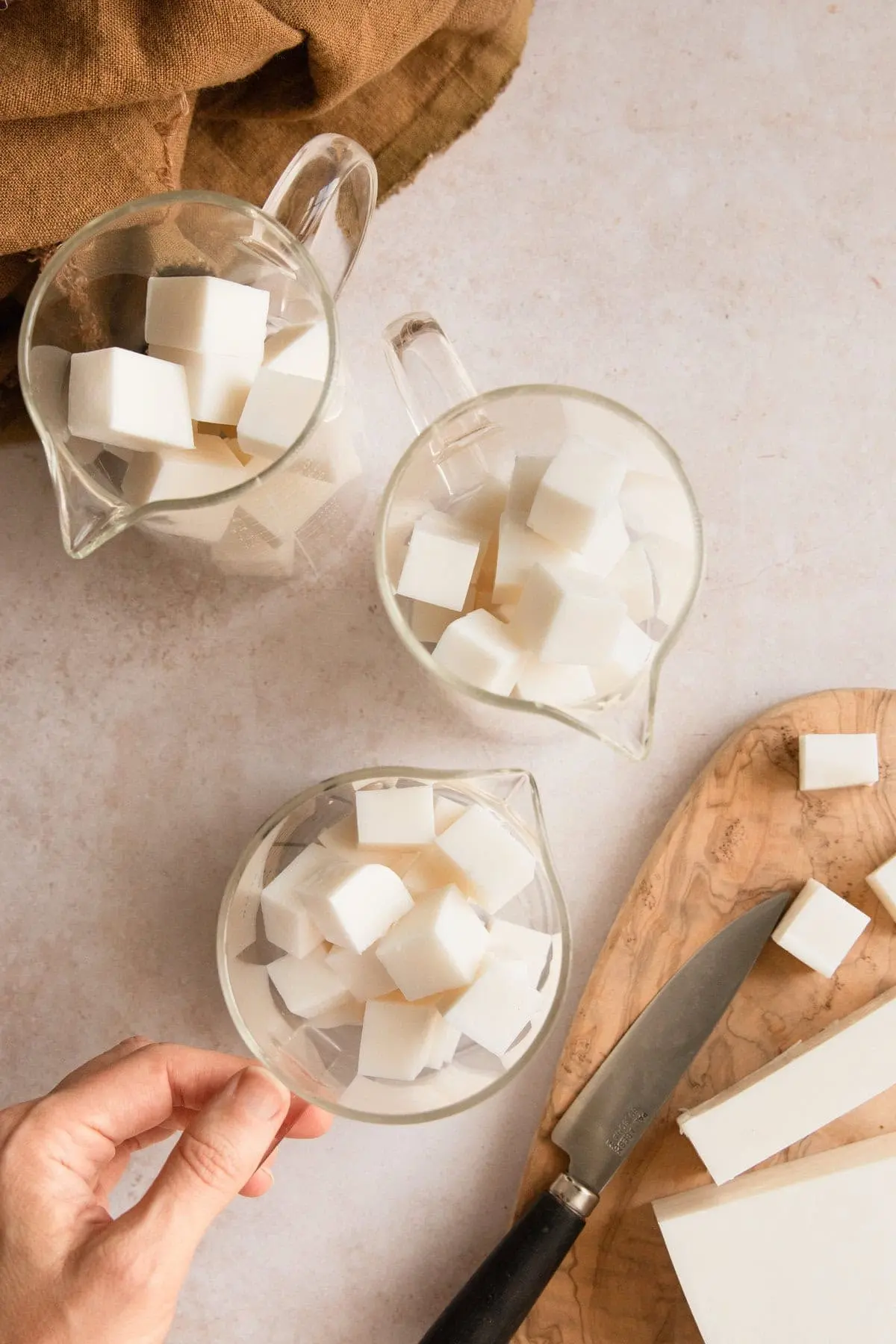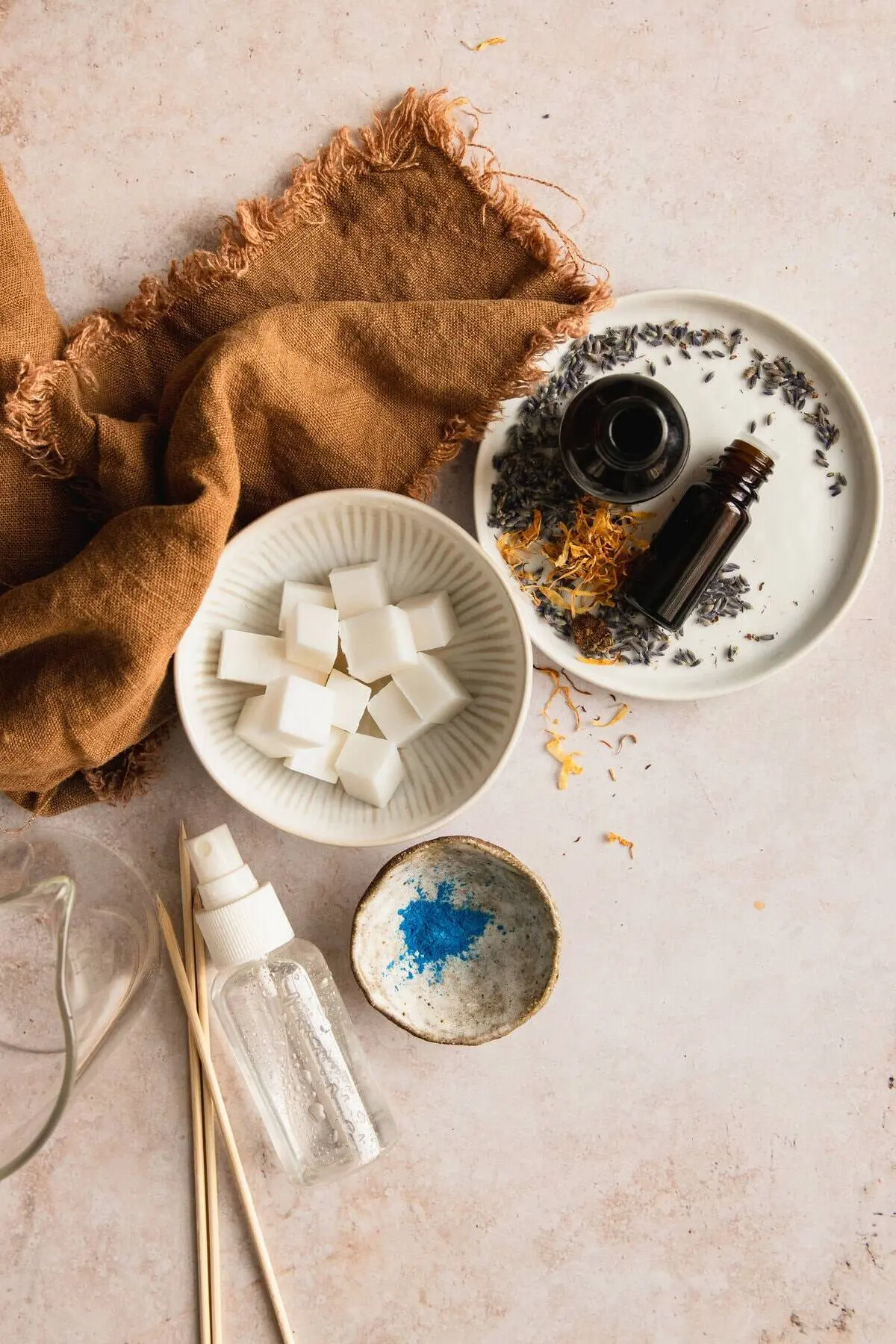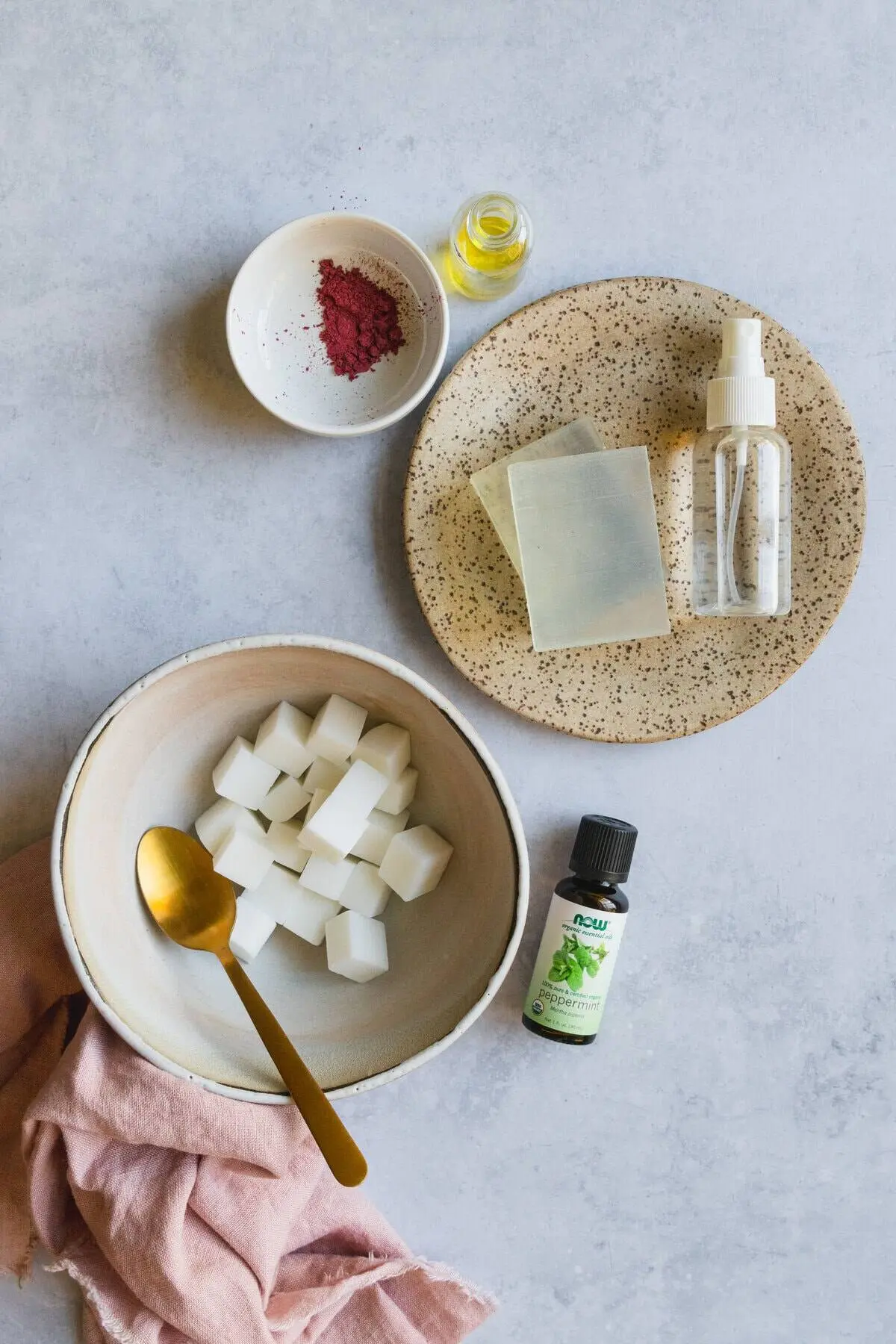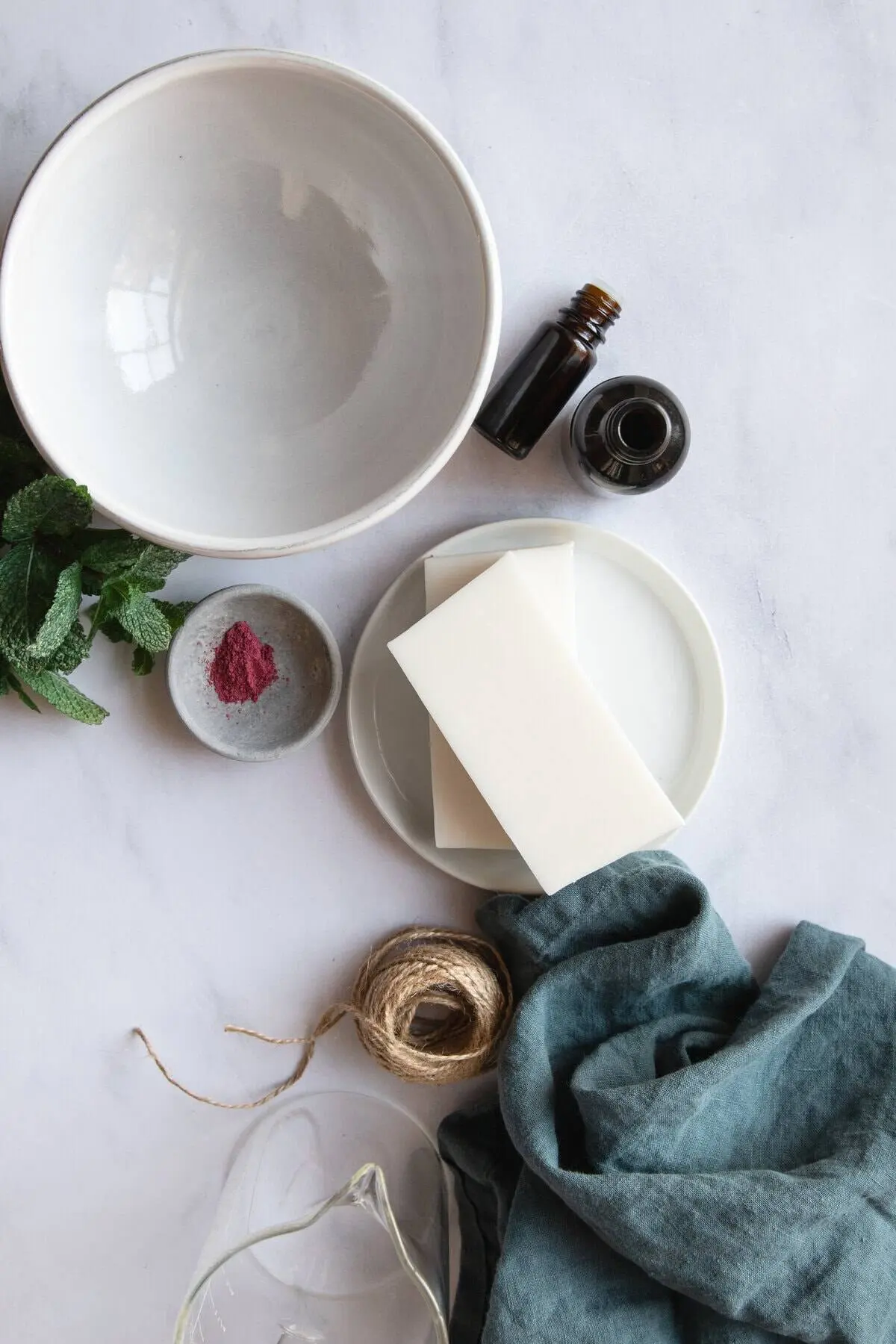









WASHINGTON — In the burgeoning artisanal bath and body market, the humble bar of soap has undergone a dramatic renaissance. What was once viewed as a simple household utility has transformed into a canvas for vibrant, multi-dimensional design. While traditional cold-process soap making has long dominated the craft community for its intricate swirl patterns, a quieter revolution is taking place in home and studio kitchens across the country: advanced melt-and-pour layering.
Industry data indicates a steady surge in DIY crafting, with melt-and-pour soap making emerging as one of the most accessible yet visually stunning mediums for creators. Eschewing the hazardous handling of raw lye required in traditional methods, makers are turning to pre-saponified bases to create geometric, diagonal, and multicolored striped bars. The primary driver of this trend is a technique that bridges the gap between amateur hobbyism and professional-grade aesthetics: precise thermal and chemical layer bonding.

Chronology of the Craft: From Basic Blocks to Structured Layers
The evolution of melt-and-pour soaping mirrors the broader shift in consumer goods toward aesthetic customization and experiential gifting.
- Phase One (The Foundation): For years, the standard entry point into melt-and-pour crafting involved melting a single block of clear or white soap base, adding a single colorant and fragrance, and pouring it into a cavity mold. While functional, these monolithic bars plateaued in visual appeal.
- Phase Two (The Introduction of Elements): Crafters began experimenting with botanicals, embedded objects, and basic color blocks. However, early attempts at pouring new layers directly onto cooled soap frequently resulted in structural failures—notably, layers sliding apart upon being cut.
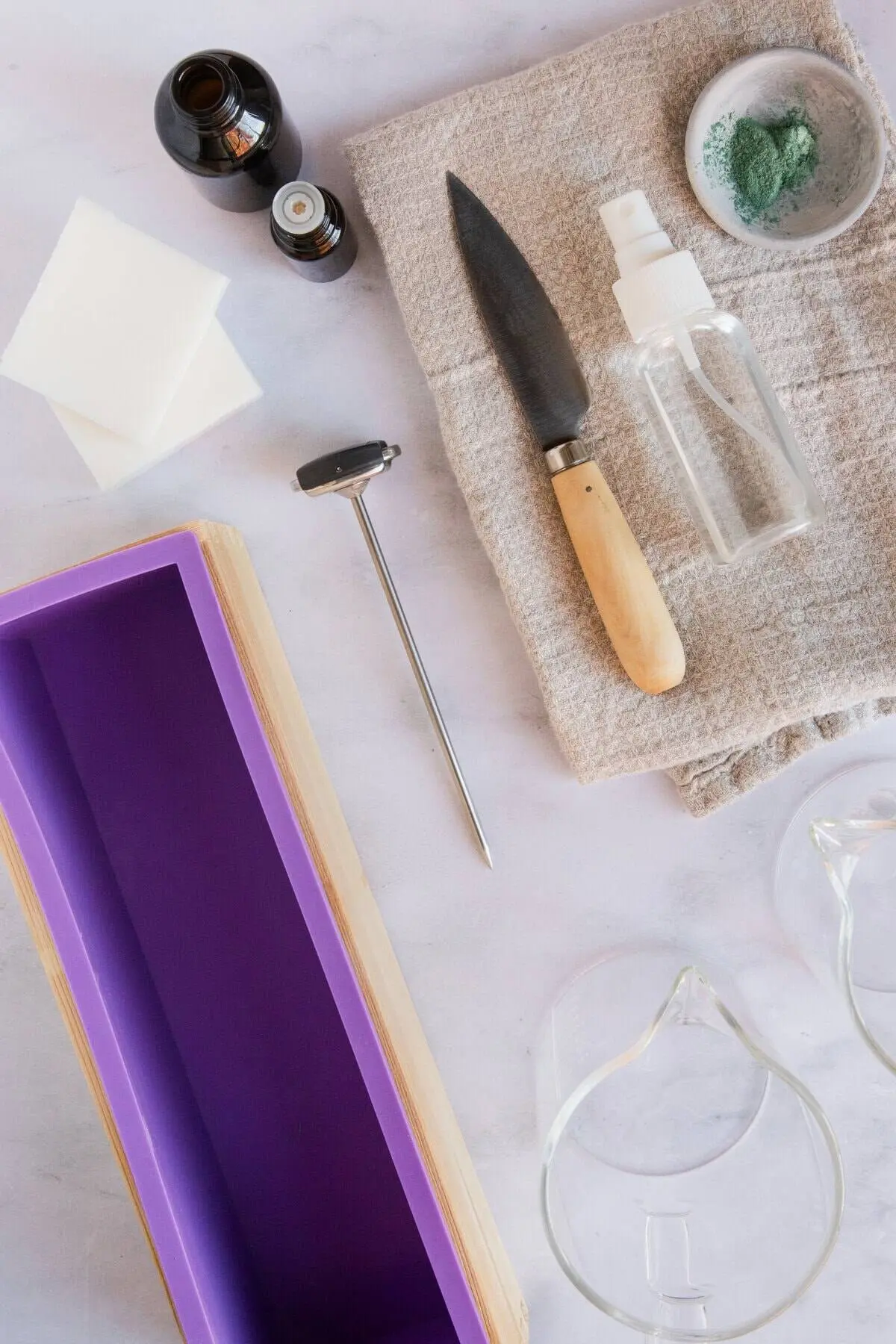
- Phase Three (The Modern Technical Standard): Today, contemporary soap artists have codified the process into a strict scientific discipline governed by temperature gauges, timed cooling intervals, and surface tension management via isopropyl alcohol. This current era has enabled complex designs, such as diagonal, slanted, and multi-tiered ombré bars, achieving commercial-grade results in domestic settings.
Supporting Data and Technical Parameters
Achieving professional results in layered melt-and-pour soap requires strict adherence to physical chemistry principles. According to experienced artisans and formulation guides, success hinges on four critical variables:

1. The Temperature Sweet Spot
Pouring melted soap too hot (above 150°F to 160°F) will re-melt the underlying layer, resulting in muddy, bleeding colors. Conversely, allowing the base to cool too much before pouring creates a weak physical bond, causing the bars to fracture along the seam when sliced.
- The Optimal Range: Artisans identify 140°F as the ideal pouring temperature. This slight thermal elevation is sufficient to create a micro-bond with the previous layer without compromising its structural integrity.
2. The Alcohol Bond
Isopropyl (rubbing) alcohol functions as the primary structural adhesive in layered melt-and-pour projects. A light misting of alcohol applied immediately before pouring the subsequent layer dissolves micro-crystallization on the surface, ensuring cohesive adhesion. A secondary spritz post-pour eliminates surface air bubbles, which are the primary culprit behind cloudy or fractured lines.

3. Sizing and Weight Metrics
To achieve mathematically even horizontal stripes, professional studios mandate pre-weighing the soap base. For a standard 40-ounce loaf mold partitioned into four distinct layers, precisely 10 ounces of base is melted, colored, and scented per tier.
Official Guidelines and Expert Insights
Industry educators and craft supplies manufacturers emphasize that while the process is forgiving, skipping foundational steps consistently leads to structural failure.

"Temperature control is the absolute baseline of success," notes a prominent formulation manual from leading crafting suppliers. "If you treat the process casually, you will encounter slipping layers and air pockets. If you treat it with the precision of baking, your finished loaves will rival boutique market products."
Master soap makers also stress the importance of workspace stability. A minor shift in the leveling of a mold during the 10-to-15-minute cooling window can result in distorted, wonky lines—particularly when utilizing diagonal propping methods like resting a mold on a ramekin to achieve slanted architectural stripes.

Implications for the Artisanal Economy
The refinement of melt-and-pour techniques carries significant implications for micro-entrepreneurs and the broader handmade gift economy.
- Lower Barriers to Entry: Because melt-and-pour bases arrive pre-saponified, makers bypass the weeks-long curing times and safety equipment overhead associated with cold-process soap. This allows small-batch producers to scale production rapidly to meet seasonal demands.
- Market Differentiation: In a saturated marketplace, visual differentiation is paramount. Layered and diagonal-striped bars command higher price points at craft fairs and online storefronts like Etsy, transforming a basic hygiene product into a luxury decor item.
- Sustainable and Safe Customization: With consumers increasingly scrutinizing commercial cosmetic ingredients, DIY layering empowers individuals to control exact inputs—opting for skin-safe natural colorants like beetroot and spirulina alongside hypoallergenic essential oils.
Ultimately, what began as a simple alternative to traditional soap making has matured into a sophisticated design discipline. By mastering the delicate balance of heat, timing, and chemical bonding, modern makers have permanently redefined what a bar of soap can be.