







Main Facts
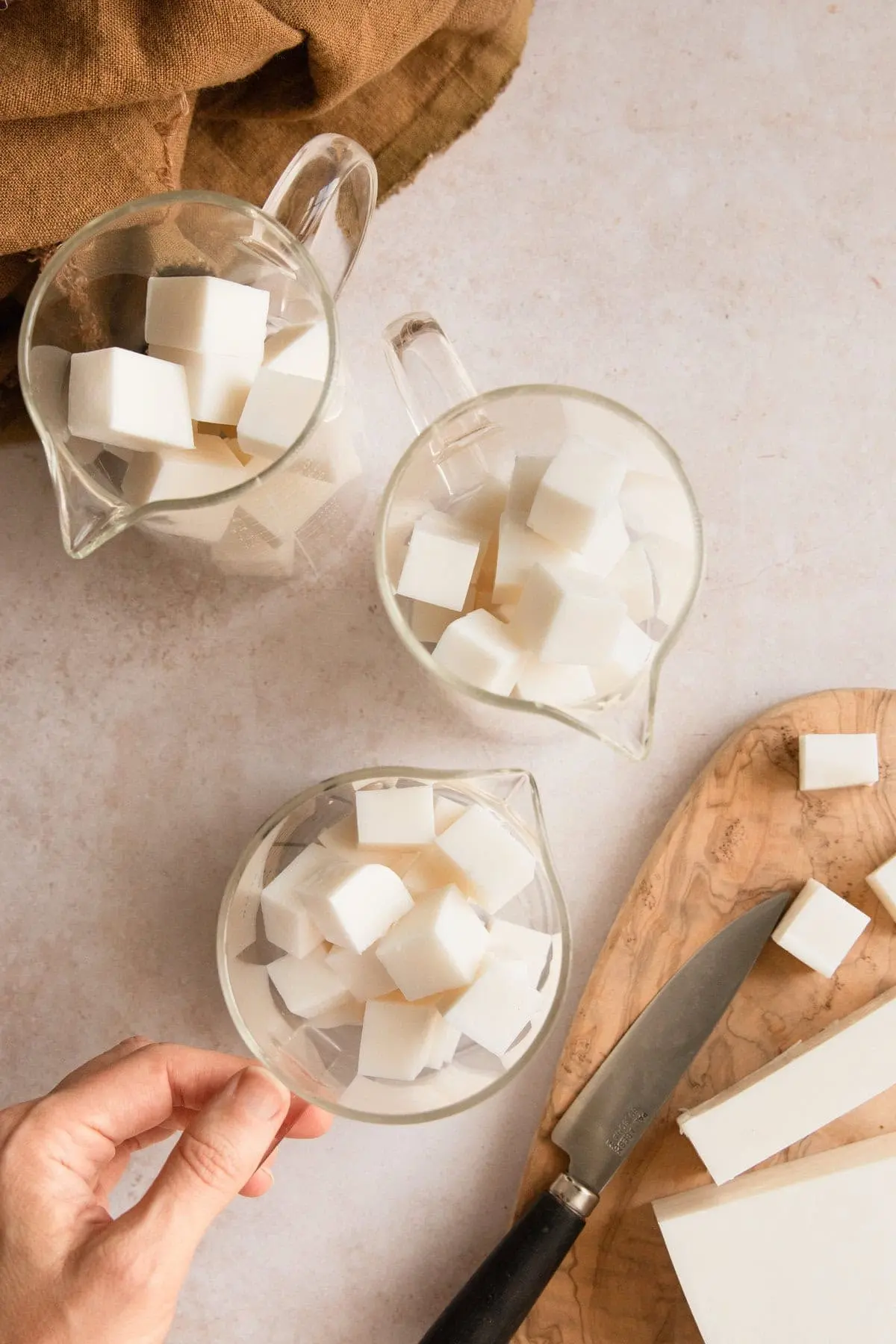
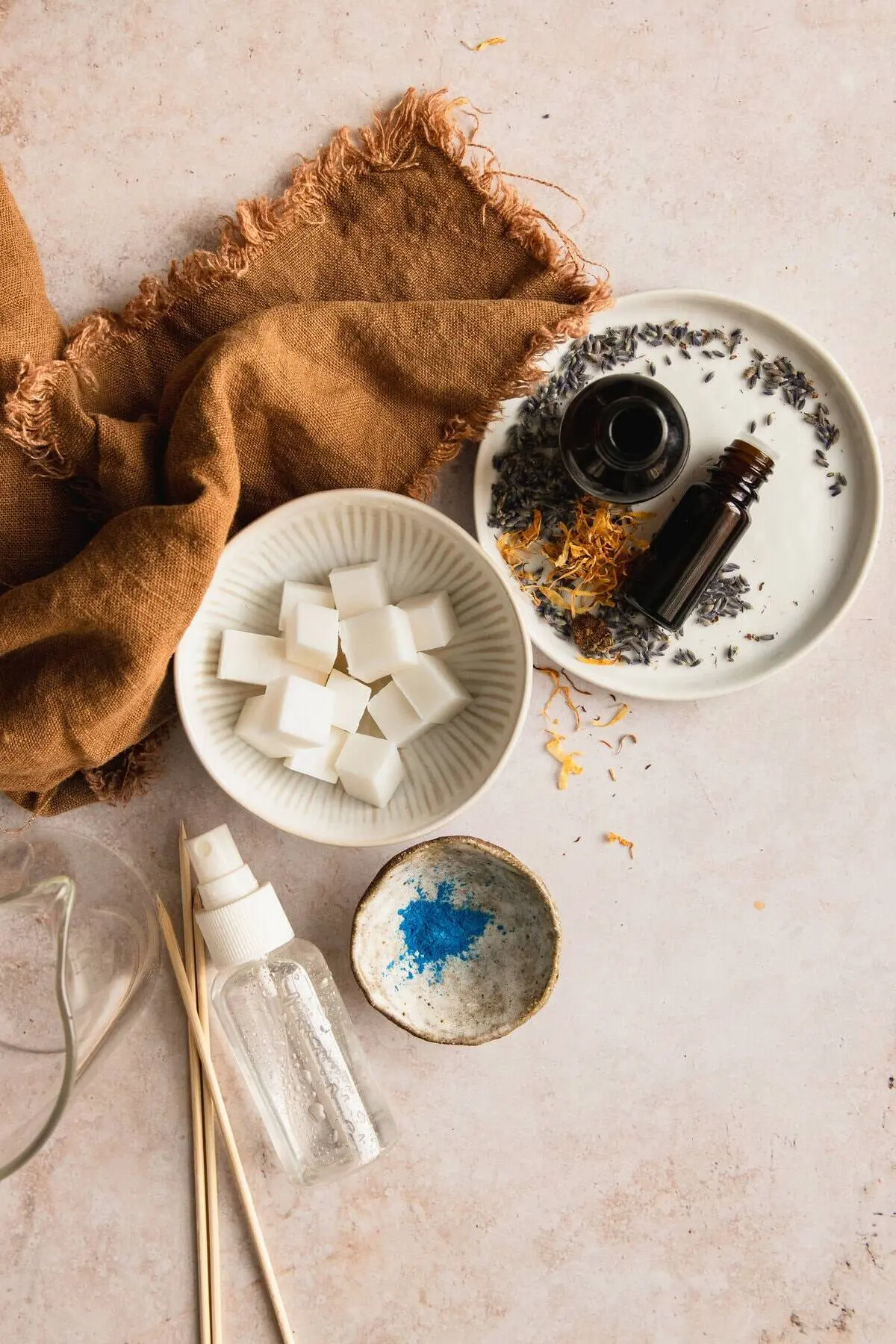
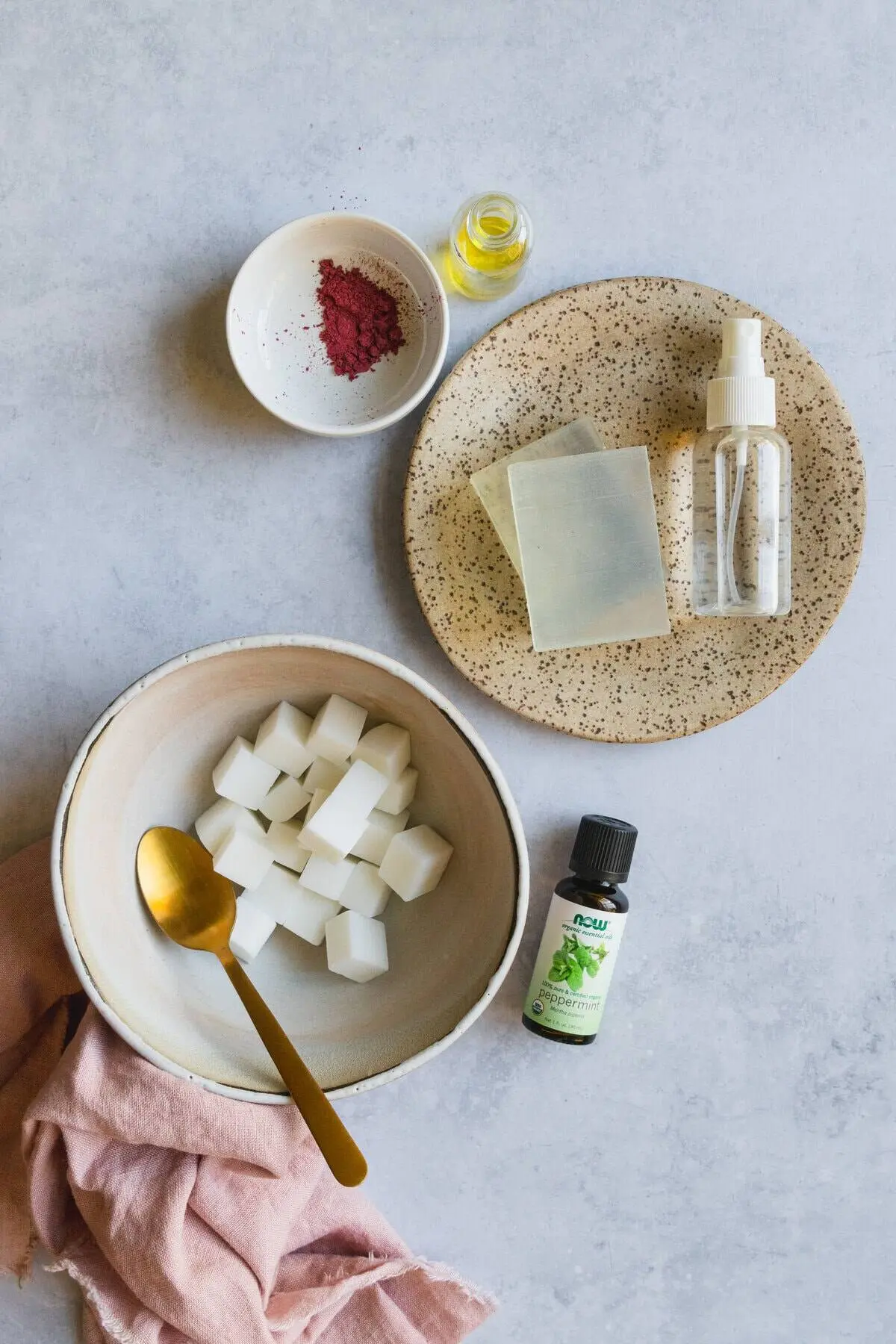
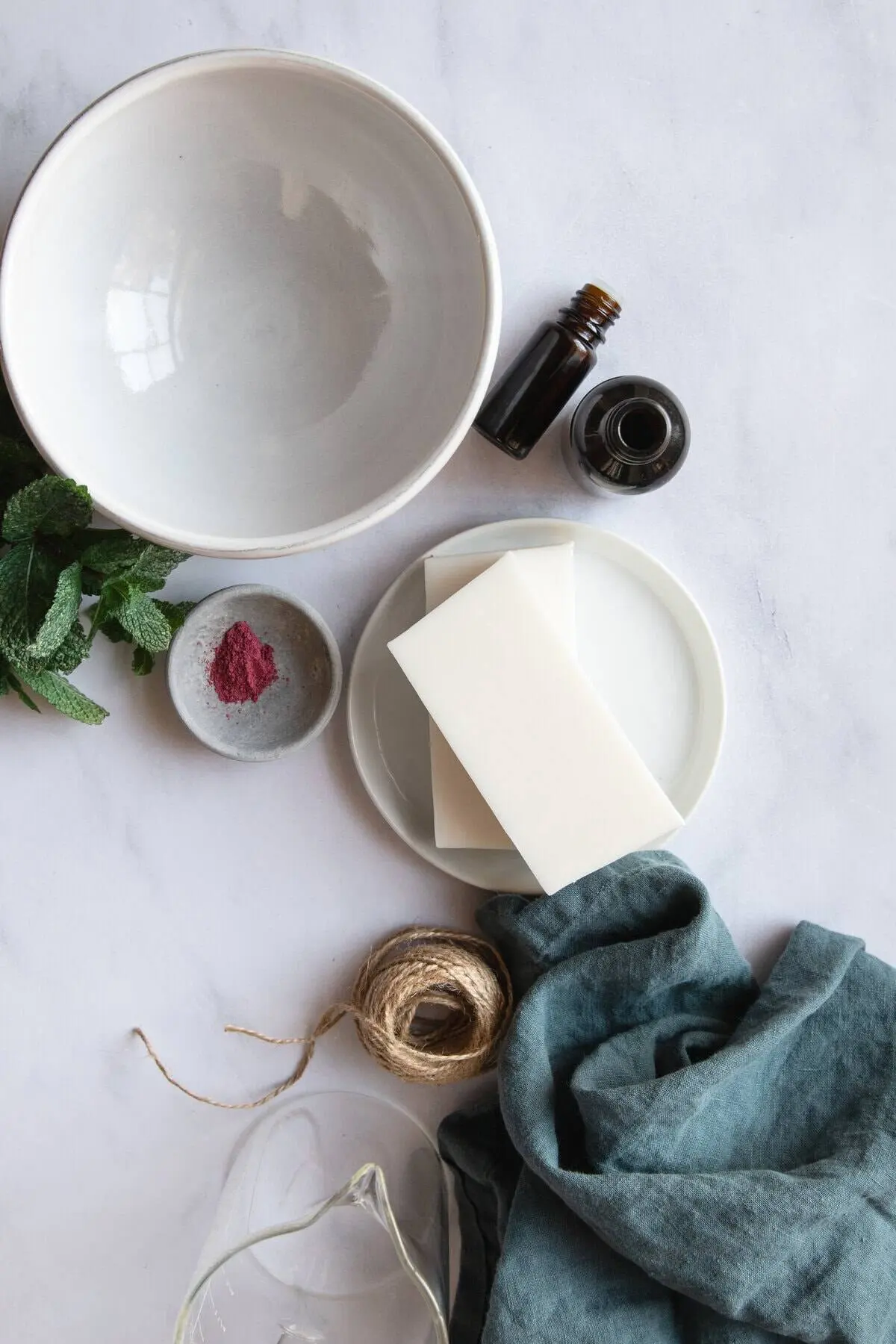
Melt-and-pour soap making has rapidly transitioned from a niche domestic hobby into a refined, artisanal craft. Unlike the complex chemical calculations and multi-week curing times associated with traditional cold-process soap making—which utilizes sodium hydroxide (lye)—melt-and-pour soaping relies on pre-saponified base blocks. These blocks can be safely liquefied in a microwave, customized with therapeutic essential oils, botanical colorants, and exfoliants, and poured into custom molds.

The introduction of embedded shapes—intricate 2D designs, geometric columns, or protruding 3D objects—has revolutionized this craft. By mastering specific temperature thresholds, timing, and structural layering, artisans can achieve high-end, professional results without the protracted learning curve of raw chemical soaping.

+-------------------------------------------------------------------------+
|                      Melt-and-Pour Soap Embedding                       |
+-------------------------------------------------------------------------+
                                     |
         +---------------------------+---------------------------+
         |                                                       |
         v                                                       v
+------------------+                                   +------------------+
| White Soap Base  |                                   | Clear Soap Base  |
| (Opaque & Soft)  |                                   |  (Glycerin-Rich) |
+------------------+                                   +------------------+
         |                                                       |
         v                                                       v
* Lower melting point                   * Higher melting point
* Nourishing ingredients                * Slower cooling time
* Ideal for outer layers                * Vibrant color retention
Chronology
The evolution of soap embedding techniques mirrors the demand for efficiency and aesthetic complexity in handmade cosmetics:

- Phase 1: The Foundation of Melt-and-Pour. Early adopters utilized basic block melting to bypass lye handling, focusing primarily on solid-color bars or simple additive blending (oatmeal, honey).
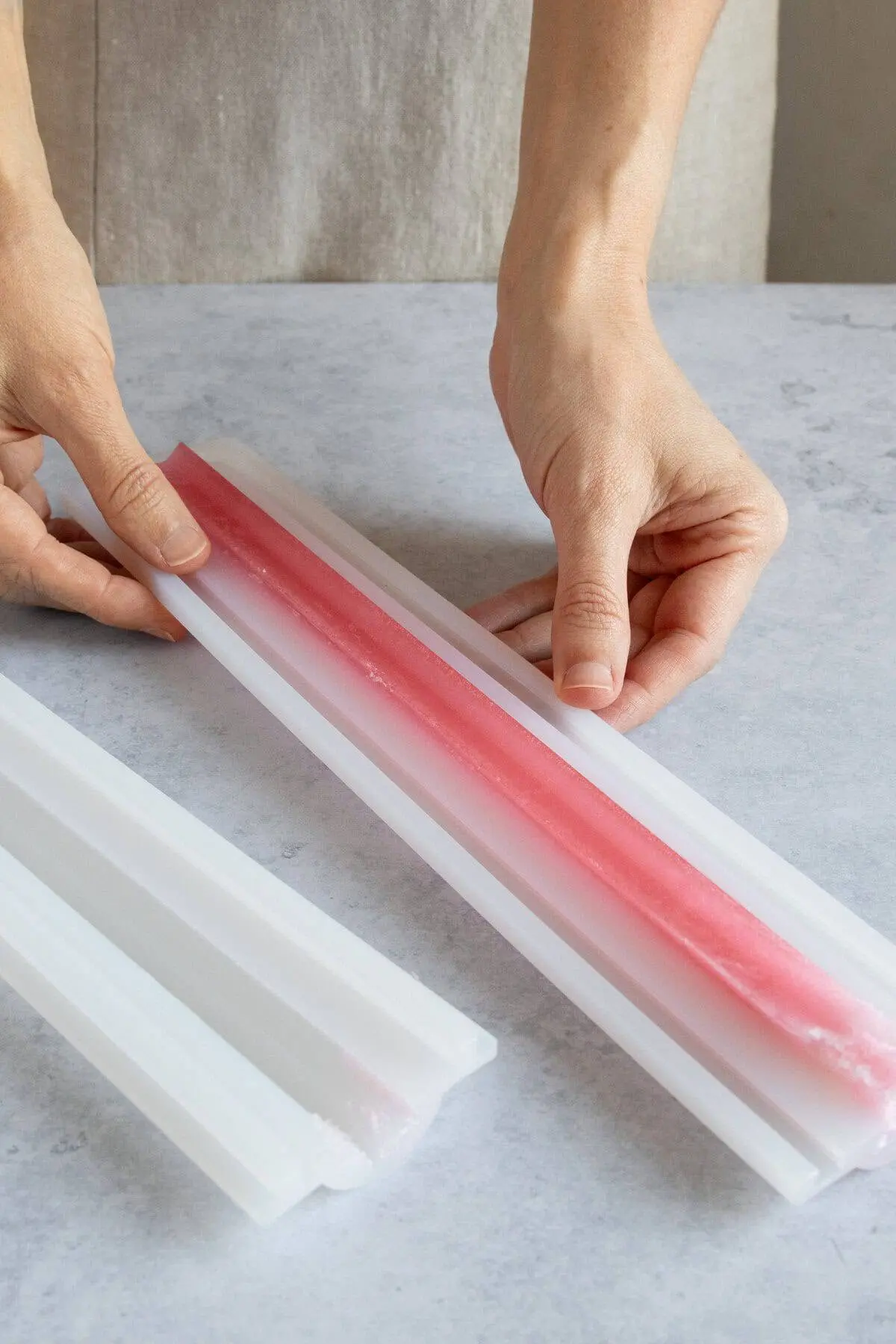
- Phase 2: Introduction of Column Molds. Crafters began experimenting with interlocking silicone columns, allowing a continuous cylindrical design to run down the longitudinal axis of a rectangular loaf mold, revealing repeating patterns upon slicing.
- Phase 3: Precision Layering and Single-Bar Cavities. The adaptation of silicone cake-decorating molds allowed for delicate 2D shapes (such as butterflies and stars) to be suspended mid-pour in single-bar cavities.
- Phase 4: Sculptural 3D Embedding. Modern techniques now incorporate high-relief 3D elements (such as soap roses) that intentionally break the surface tension of the base bar, merging utility with tactile art.
Supporting Data & Material Science
Success in soap embedding relies entirely on understanding material science—specifically, thermal dynamics and chemical compatibility between different soap bases.

Soap Base Selection
- White Soap Base (Goat Milk, Shea Butter, Oatmeal): Characterized by opacity and a softer physical consistency, these bases typically feature lower melting points and contain nourishing skin-softening additives. Due to their softness, they are preferentially deployed for external layers or primary shapes rather than fine structural embeds.
- Clear Soap Base (Glycerin): Boasting a higher concentration of plant- or animal-derived glycerin, this base retains heat longer, cools more gradually, and maintains structural integrity under pressure. Because light passes through it unobstructed, colorants—particularly cosmetic-grade micas—appear significantly more vibrant.
Essential Equipment & Hardware
- Column Molds: Flexible silicone channels with interlocking seals designed to cast continuous, elongated shapes.
- Silicone Cake Decorating Molds: Used for casting flat or semi-flat ornamental shapes (e.g., florals, insects, geometric patterns).
- Rectangular Loaf Molds: High-capacity block molds used in conjunction with column embeds for multi-bar batch production.
- Single-Bar Cavity Molds: Individual mold compartments designed for precise, layered, or 3D-projecting designs.
Official Guidelines & Best Practices
Artisans who have mastered the craft emphasize strict adherence to operational protocols to eliminate common defects such as premature melting, air entrapment, and layer delamination.

Temperature Control
The single most critical variable in embedding is thermal regulation. If the poured soap exceeds 140°F (60°C), it will instantly melt pre-cast embeds. Conversely, pouring below 130°F (54°C) risks premature solidification and poor inter-layer adhesion. A digital kitchen thermometer is mandatory.

Surface Preparation
Rubbing alcohol (isopropyl alcohol, 91% or higher) serves a dual purpose in melt-and-pour crafting:

- Bubble Elimination: A light mist across freshly poured liquid breaks surface tension, instantly dissipating unsightly foam and micro-bubbles.
- Layer Adhesion: Spraying intermediate layers prior to placing a subsequent pour ensures chemical bonding, preventing the finished bar from splitting along horizontal seams.
Implications for Artisans and Small Businesses
The commercial viability of melt-and-pour soap making with embedded elements has expanded significantly across direct-to-consumer digital marketplaces (such as Etsy and Shopify). Because the technique bridges the gap between industrial cosmetic manufacturing and bespoke crafting, small-scale entrepreneurs can produce visually striking inventory at scale without heavy industrial tooling.

Furthermore, consumer demand for transparent ingredient lists, cruelty-free production, and customizable aesthetics positions handmade embedded soaps as high-value gift items. As artisans continue to refine techniques like 3D projection and color blocking, the boundary between everyday cleansing products and functional bathroom decor continues to blur.