







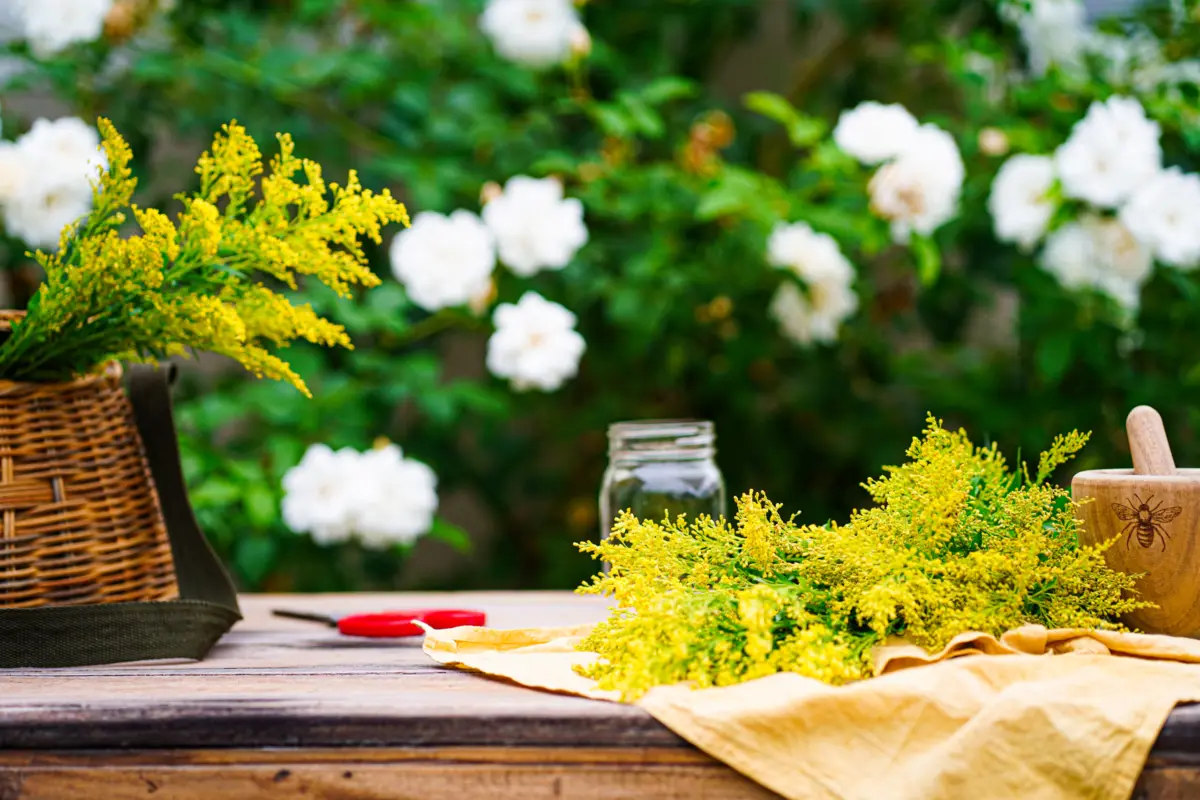
As the heavy heat of mid-July gives way to the crisp, descending temperatures of late summer and early autumn, the North American landscape undergoes a stunning botanical transformation. Vast meadows, abandoned fields, and rural roadside verges erupt into a brilliant sea of yellow. This is the realm of the goldenrod (Solidago spp.), a stately, resilient perennial that has long signaled the shifting of the seasons.
Yet, for generations, this magnificent plant has shouldered an unearned reputation. To many suffering from autumn sneezes, watery eyes, and itchy throats, goldenrod is viewed as the primary antagonist of seasonal allergies. However, modern botany and traditional herbalism tell a radically different story. Far from being a respiratory irritant, goldenrod stands ready as a potent natural remedy—specifically formulated by nature to soothe the very discomforts it is so frequently blamed for causing.
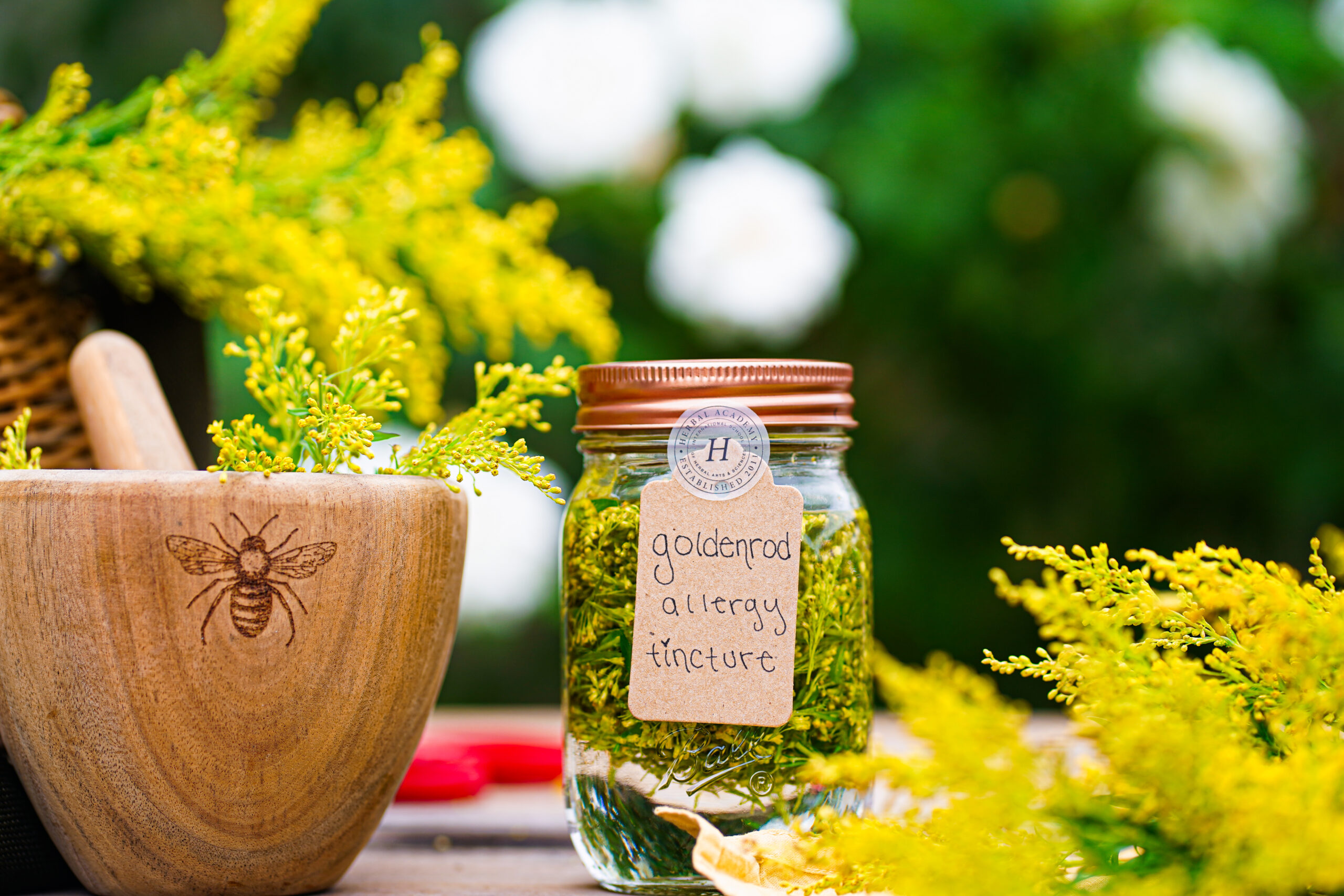
Drawing from extensive botanical databases, such as The Herbarium’s interactive plant monographs, herbalists and natural health practitioners are championing a revival of goldenrod. With just two simple ingredients and a few weeks of patience, this late-summer bounty can be transformed into a powerful, soothing allergy tincture.
Main Facts: Deconstructing the Goldenrod Allergy Myth
To understand the therapeutic value of goldenrod, one must first clear up the persistent botanical misconception that plagues it every autumn.
Goldenrod is routinely blamed for hay fever, primarily because its vibrant, heavy yellow blooms coincide perfectly with the peak of the fall allergy season. However, this is a classic case of guilt by association. Goldenrod pollen is entomophilous, meaning it is heavy, sticky, and evolutionary adapted to rely on insects—such as bees, butterflies, and wasps—for cross-pollination. Because the pollen grains are too large and heavy to be lofted into the atmosphere by air currents, they rarely make contact with human nasal passages.
The true culprit behind autumn sniffles is an entirely different plant: ragweed (Ambrosia spp.). Ragweed blooms at the exact same time as goldenrod, but its pollen is anemophilous (wind-pollinated). A single ragweed plant can release millions of microscopic, lightweight pollen grains into the air, where they travel for miles on the wind, wreaking havoc on sensitive immune systems.
Rather than exacerbating allergies, goldenrod acts as a powerful botanical ally. Herbalists prize Solidago species for their specific physiological actions:
- Astringency: Goldenrod possesses natural astringent properties that help tone and dry excessive mucosal secretions, providing relief from a runny nose and post-nasal drip.
- Anti-inflammatory Support: The plant contains active compounds that reduce localized inflammation in the upper respiratory tract.
- Eliminative Support: Goldenrod gently encourages the body’s natural elimination pathways, specifically supporting the urinary system and the skin, which helps the body process and clear out inflammatory allergens.
Chronology: From Field to Apothecary
Working with goldenrod requires an understanding of its physical characteristics, particularly its maturation process. As goldenrod flowers transition from peak bloom to dryness, they frequently transform into a soft, cottony fluff. While this fluff is a natural part of the plant’s seed-disperal mechanism, it makes harvesting and processing dried plant matter difficult and messy for herbal preparations like tinctures.
Because of this, experienced herbalists recommend a specific chronological approach to harvesting and utilizing Solidago:
Phase 1: Identification and Timing (Late Summer)
Keep a close eye on local meadows and fields. The ideal window for harvesting goldenrod is just as the bright yellow flowers reach peak bloom in late summer. Harvesting before the flowers begin to fade or turn to seed ensures maximum medicinal potency. While some herbalists attempt to dry the plant before the flowers fully open to prevent the formation of fluff, the most reliable method for making a tincture is to use the plant entirely fresh.
Phase 2: Harvesting Aerial Parts
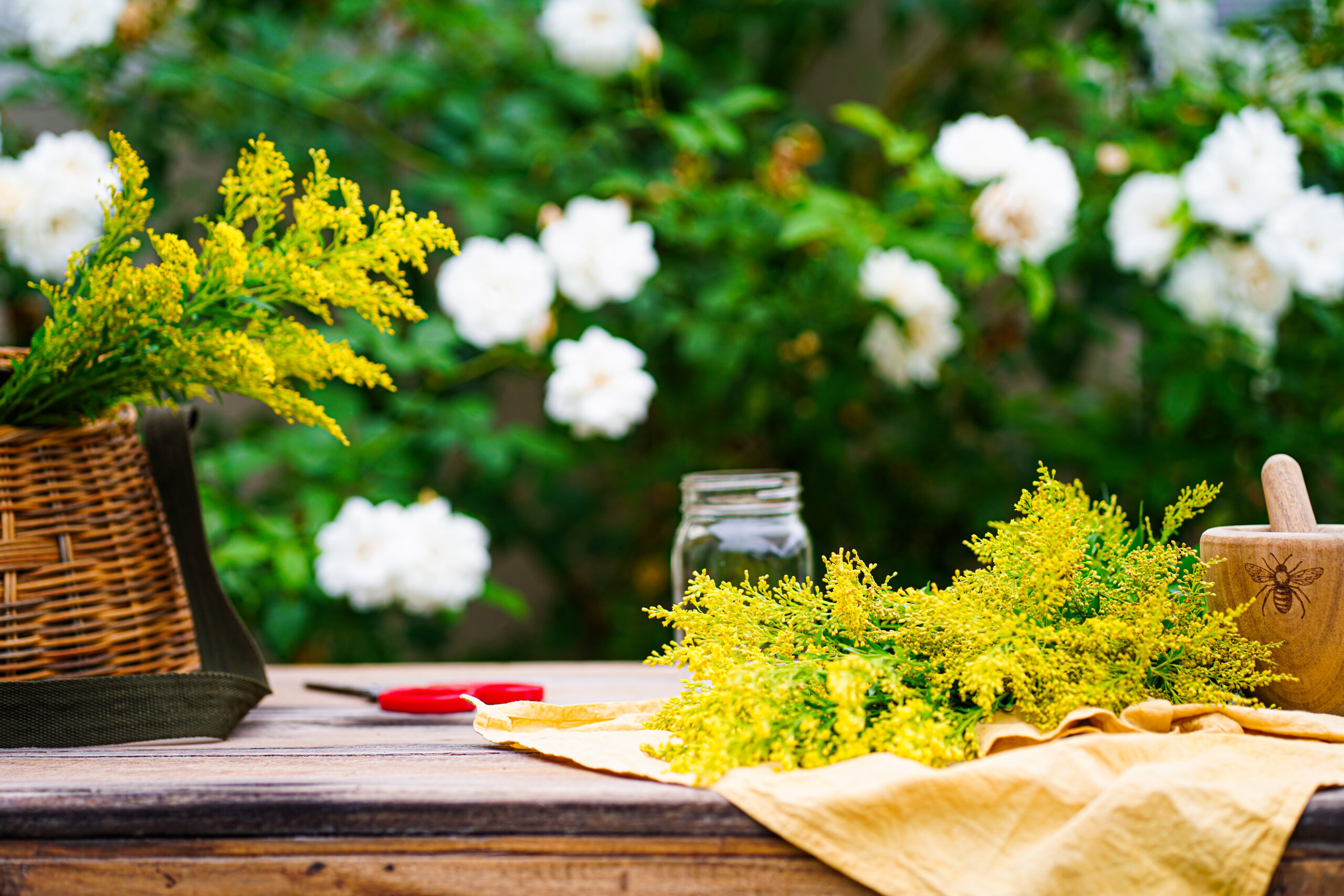
Using clean snips or shears, harvest the top third to half of the goldenrod plant (the aerial parts), focusing on the vibrant flower heads and upper leaves. Ensure you harvest from clean, unpolluted areas well away from heavily trafficked roadways, chemical agricultural fields, or industrial sites.
Phase 3: Jarring and Solvent Infusion (Week 1)
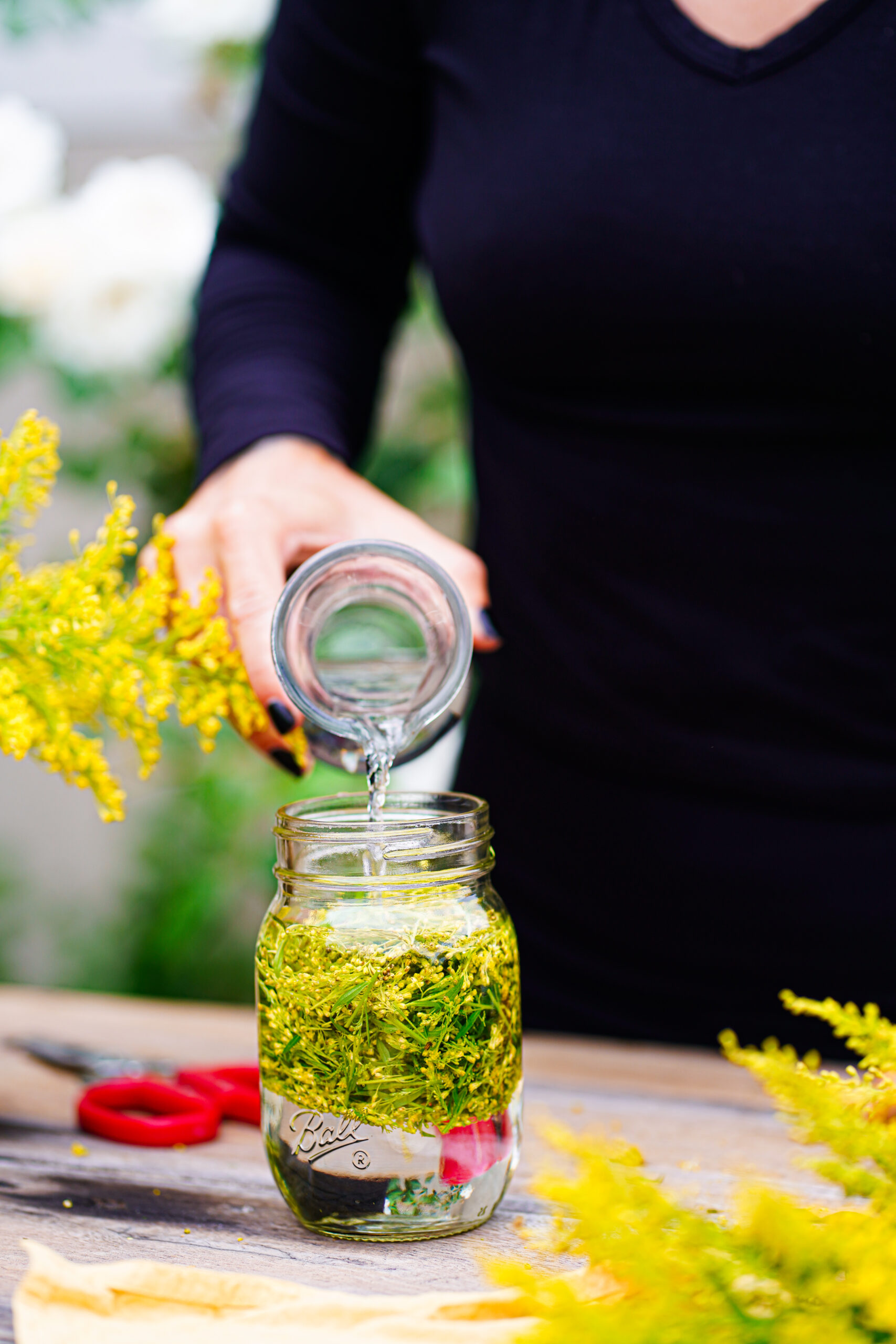
Chop the fresh goldenrod aerial parts coarsely and pack them loosely into a clean glass mason jar. Pour your chosen menstruum (solvent) over the plant material until it is completely submerged and the jar is filled to the brim.
Phase 4: The Maceration Period (Weeks 2–5)
Seal the jar tightly with a lid (using a piece of parchment paper under the metal lid if using alcohol to prevent corrosion). Store the jar in a cool, dark place, such as a pantry or cupboard. Shake the jar vigorously once a day to ensure the solvent continues to extract the active constituents from the plant material. This infusion process requires a minimum of four weeks to reach optimal potency.
Phase 5: Pressing and Bottling (Week 6 and Beyond)
After at least four weeks of maceration, strain the liquid through a fine-mesh sieve or unbleached cheesecloth, squeezing out every last drop of the precious herbal extract from the plant matter. Pour the finished goldenrod tincture into amber glass dropper bottles, label with the date and plant name, and store in a cool, dark location where it will remain potent for years.
Supporting Data: The Goldenrod Allergy Tincture Recipe
Making a traditional herbal tincture is a straightforward process requiring minimal equipment. Below is the standard formulation for creating a fresh goldenrod tincture to support the body through seasonal allergy flare-ups.

Goldenrod Allergy Tincture Recipe
- Prep time: 15 minutes
- Infusion time: 4–6 weeks
- Yield: Dependent on jar size
Ingredients:
- Freshly harvested goldenrod (Solidago spp.) aerial parts: Enough to loosely fill your chosen glass jar.
- Solvent of your choice: Options include high-proof alcohol (such as 80-to-100-proof vodka or brandy, which acts as an exceptional preservative and solvent), food-grade vegetable glycerin, or apple cider vinegar (for alcohol-free alternatives).
Directions:
- Prepare the Plant Material: Gently inspect your freshly harvested goldenrod to remove any insects or debris. Chop the flowering tops and upper leaves into manageable pieces.
- Pack the Jar: Fill a clean glass mason jar roughly three-quarters full with the chopped fresh plant material, lightly pressing it down without packing it too densely.
- Add the Solvent: Pour your solvent of choice over the goldenrod until the plant material is completely submerged and the liquid reaches the neck of the jar.
- Seal and Agitate: Cap the jar securely. Store it at room temperature out of direct sunlight. Shake the jar daily throughout the 4-to-6-week steeping period.
- Strain and Bottle: Once the steeping period is complete, strain the liquid through a cheesecloth into a glass measuring cup. Compost the spent plant material. Pour the finished tincture into amber dropper bottles for easy daily use.
Official Responses and Safety Considerations
While herbal remedies offer a natural, accessible way to support daily wellness, botanical safety is paramount. Professional herbalists and medical literature emphasize that self-treatment with herbs requires careful consideration of individual health profiles.
According to prominent medical herbalist David Hoffmann in his foundational text Medical herbalism (2003), the standard clinical dosage for a goldenrod tincture (1:5 strength in 40% alcohol) is 2 to 4 mL taken three times daily during periods of acute seasonal discomfort.
However, health practitioners advise taking specific precautions:
- Botanical Allergies: Individuals with known sensitivities or allergies to plants within the Asteraceae (daisy) family should exercise extreme caution or avoid goldenrod entirely, as cross-reactivity can occur.
- Professional Consultation: Consumers should always consult with a qualified physician, herbalist, or healthcare provider before introducing any new herbal supplement into their daily regimen. This is especially vital for individuals who are pregnant, nursing, managing chronic health conditions, or currently taking prescription medications that may interact with botanical extracts.
Implications: The Broader Herbal Renaissance
The resurgence of interest in goldenrod points to a broader cultural and ecological shift. As modern society becomes increasingly distanced from the natural world, traditional skills such as foraging, wildcrafting, and home apothecary creation are experiencing a remarkable renaissance.
Platforms like The Herbarium—an extensive, searchable digital plant database maintained by the Herbal Academy—have democratized access to botanical knowledge. By offering comprehensive plant monographs, safety guidelines, scientific research citations, and multimedia resources, these educational tools empower everyday individuals to reclaim agency over their personal health and wellness.
Ultimately, goldenrod serves as a brilliant metaphor for the changing seasons. As its golden panoply lights up the fading days of summer, it acts as a gentle reminder that nature frequently provides the exact antidote needed for the challenges it presents. By replacing old wives’ tales with botanical facts, we can look upon the golden fields of autumn not with dread, but with deep appreciation for one of our most generous herbal allies.
For those looking to deepen their botanical studies, comprehensive safety data, scientific citations, detailed morphological descriptions, and instructional video guides for goldenrod and hundreds of other healing plants can be explored through The Herbarium’s digital plant monographs.