








SAN FRANCISCO — In an era defined by hyper-connectivity, digital noise, and the relentless pace of modern life, maintaining deep, meaningful interpersonal bonds has become both increasingly precious and increasingly difficult. Whether navigating the complexities of romantic partnerships, the evolving dynamics of long-term marriages, or the delicate balance of close friendships, modern individuals are increasingly seeking out structured, mindful tools to foster communication and emotional alignment.
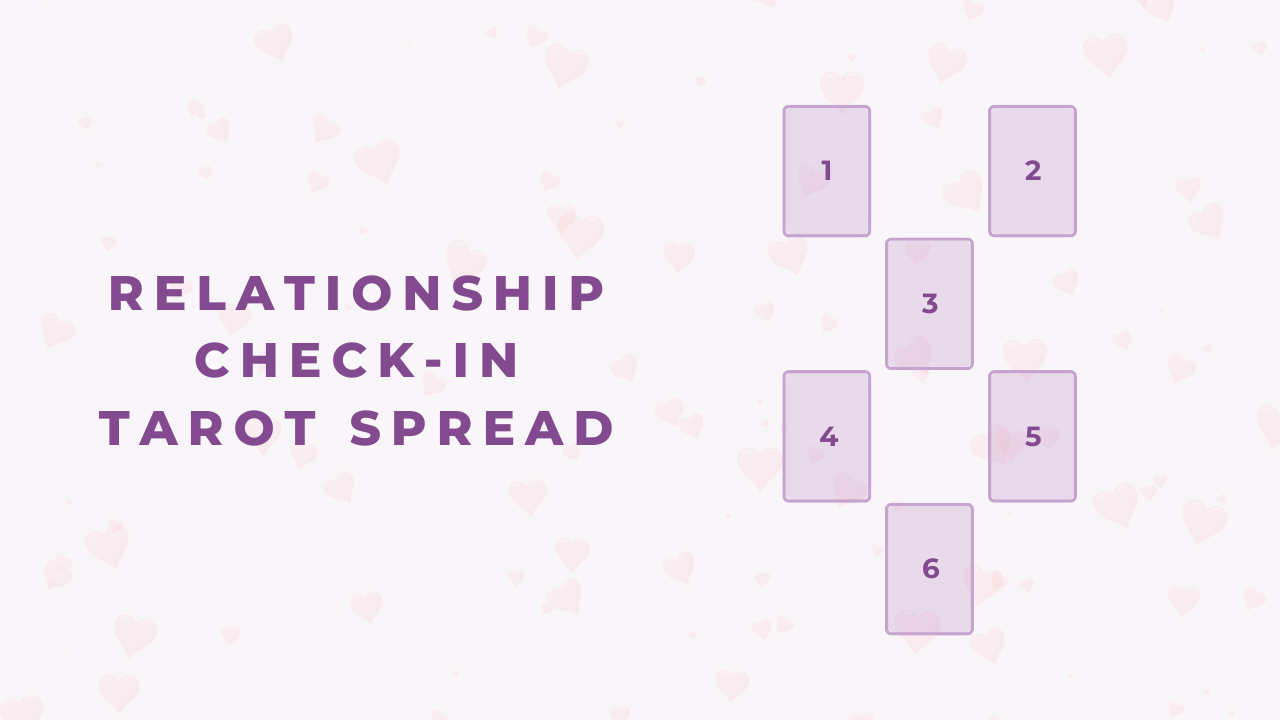
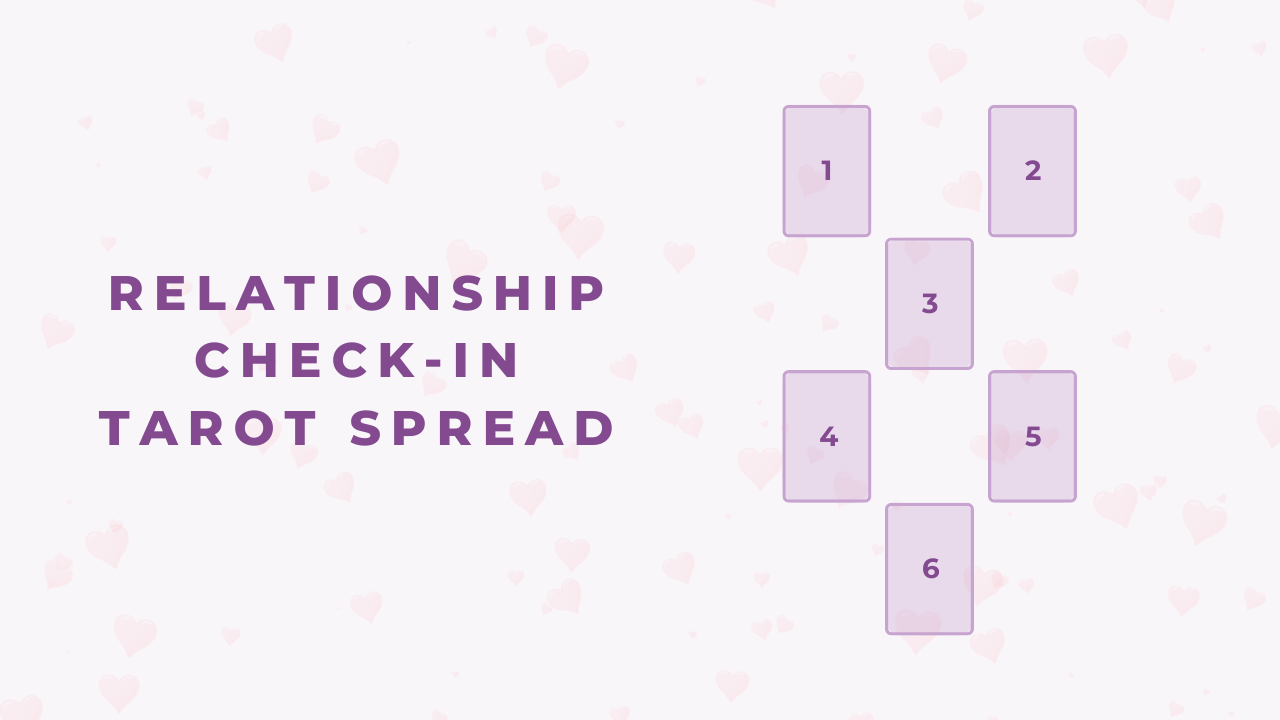
Enter the intentional relationship check-in: a practice blending introspective psychology, mindfulness, and esoteric self-reflection. Among these tools, the specialized relationship tarot spread has emerged as a popular, structured framework for couples and companions looking to pause, breathe, and genuinely assess the health of their connections.
Far from being dismissed merely as parlor divination, modern tarot practices—particularly those championed by prominent educational platforms like Biddy Tarot—are increasingly recognized as psychological mirrors. These frameworks provide a safe, non-confrontational vocabulary for addressing unspoken needs, navigating emotional distance, and charting a deliberate path forward.
Main Facts: The Anatomy of the Relationship Check-In Spread
At its core, the Relationship Check-In Tarot Spread is designed as a gentle diagnostic tool for any vital interpersonal connection. It is not intended to predict a rigid, unchangeable future, but rather to illuminate the present moment—offering a panoramic view of where two individuals stand, what each person requires to feel secure and valued, and how they can cultivate deeper alignment.
While traditional relationship readings often focus heavily on "Will they or won’t they?" or external obstacles, this modern check-in framework pivots inward. It emphasizes mutual accountability, emotional sovereignty, and collaborative growth.
Versatility Across Interpersonal Dynamics
Although frequently utilized by romantic partners, relationship experts and mindfulness practitioners note that the structural principles behind this spread are equally applicable to:
- Long-Term Marriages: Serving as a quarterly or annual emotional audit to prevent complacency.
- Close Friendships: Helping platonic companions navigate life transitions, geographic separation, or changing priorities.
- Creative and Business Partnerships: Offering a creative lens through which co-founders or collaborators can assess burnout, division of labor, and shared vision.
The primary objective remains consistent: to create a sacred, interruption-free space where both parties can reflect, listen, and reconnect without the defensive postures that often accompany verbal arguments or stressful life circumstances.
Chronology: The Evolution of Tarot from Fortune-Telling to Mindful Self-Reflection
To understand the contemporary popularity of relational tarot spreads, it is necessary to examine how the perception and utility of tarot have evolved over the past century.
Early Origins and Esoteric Roots
Historically, tarot cards originated in the mid-15th century in various parts of Europe as a simple card game known as Tarocchi. It was not until the late 18th and 19th centuries, through the work of occultists like Antoine Court de Gébelin and Jean-Baptiste Alliette (Etteilla), that the cards began to be systematically associated with esoteric philosophy, astrology, and divination.
Throughout the 20th century, particularly during the spiritual revivals of the 1960s and 1970s, tarot became widely commercialized. For decades, the public perception of the practice was largely bifurcated: either viewed with skepticism as superstitious fortune-telling or embraced strictly within closed esoteric circles.
The Psychological Pivot (Late 20th Century)
A monumental shift occurred when thinkers influenced by Swiss psychiatrist Carl Jung began examining tarot through a psychological lens. Jungian analysts recognized that the archetypal imagery found in decks like the Rider-Waite-Smith system served as a visual lexicon for the human subconscious.
By engaging with tarot cards, individuals could access repressed feelings, intuitive insights, and behavioral patterns that logic alone struggled to uncover. The cards transformed from instruments meant to predict an external future into mirrors designed to reflect internal truths.
The Digital Age and Modern Mindful Application
In the 21st century, the rise of wellness culture, digital mindfulness platforms, and self-care movements has accelerated this psychological shift. Educators and practitioners, such as Brigitte "Biddy" Bishop of Biddy Tarot, have popularized secular, empowering approaches to tarot reading.
Rather than telling users what will happen, contemporary practitioners teach individuals how to use spreads as journaling prompts, meditation anchors, and communication catalysts. The introduction of specific frameworks—such as the Relationship Check-In Spread—represents the culmination of this evolution, fusing ancient symbolic imagery with modern emotional intelligence practices.
Supporting Data: The Modern Need for Relationship Maintenance
The surge in popularity of structured relational check-ins does not occur in a vacuum. Contemporary sociological and psychological data highlight an urgent cultural need for intentional communication tools.
The Loneliness Epidemic and Relational Stress
According to ongoing research from major psychological institutions, including the American Psychological Association (APA), modern society is experiencing unprecedented levels of reported loneliness and relational friction. Key factors contributing to this trend include:
- The Digital Distraction Loop: Studies indicate that the average individual checks their smartphone dozens of times a day, frequently leading to "phubbing" (phone snubbing) and diminished face-to-face emotional attunement in partnerships.
- Economic and Workplace Pressures: Heightened financial stress and blurred boundaries between work and home life leave individuals with depleted emotional reserves, reducing the energy available for deep relational maintenance.
- The Shift in Relationship Expectations: Modern couples and friends expect deeper emotional intimacy, mutual fulfillment, and psychological safety than previous generations. However, many lack the practical communication toolkits required to sustain these high standards over decades.
Psychological Benefits of Structured Reflection
Clinical psychology strongly supports the use of structured frameworks—whether through art therapy, guided journaling, or symbolic tools like tarot—to facilitate difficult conversations.
- Externalization of Conflict: When two people look at a tarot spread together, the cards act as an objective third party. Instead of saying, "You never listen to me," one might point to a card representing stagnation and ask, "How can we both bring more energy back into our communication?" This subtle shift reduces defensiveness.
- Cognitive Reframing: Structured prompts encourage individuals to step outside their habitual thought loops, fostering empathy by prompting them to consider their partner’s perspective through a visual and symbolic medium.
- Pacing and Mindfulness: The deliberate act of drawing, laying out, and interpreting cards forces a physical slowdown, countering the reactive, knee-jerk communication styles exacerbated by fast-paced digital environments.
Official Perspectives: Insights from Relationship Experts and Tarot Educators
While tarot remains outside the realm of mainstream clinical psychology, licensed therapists, somatic practitioners, and prominent educational figures increasingly acknowledge the value of ritualized self-reflection in maintaining relational health.
The Perspective of Mindful Educators
Platforms like Biddy Tarot have long advocated for a shift away from fatalistic readings toward empowerment and self-agency. According to educational outlines provided by modern tarot leaders, the objective of any relationship check-in is empowerment:
"Every relationship needs space to breathe, reflect, and reconnect. A intentional spread offers a gentle check-in—helping you understand where you and your partner stand, what each of you needs, and how to move forward with more awareness and alignment."
Proponents emphasize that the cards do not dictate the terms of a relationship; rather, they serve as conversation starters. They provide a structured agenda for topics that might otherwise feel too intimidating or abstract to bring up during a casual conversation.
Clinical and Therapeutic Perspectives
Licensed marriage and family therapists (LMFTs) often incorporate ritual, metaphor, and symbolic projection into their practice. While therapists do not typically use tarot cards in a clinical setting unless specifically requested by a client well-versed in the practice, many endorse the underlying methodology:
- External Metaphors: "Any tool that helps individuals bypass their intellectual defenses and access emotional truth is valuable," notes Dr. Elena Vance, a practicing relationship counselor in Chicago. "Whether it is poetry, active listening exercises, or symbolic card spreads, the goal is to bypass the ego and invite vulnerability."
- Intentional Ritual: Modern life often lacks sacred pauses. Therapists frequently prescribe "date night check-ins" or structured question decks. A tarot spread functions similarly, creating a defined container—a ritualized space—where both participants agree to be honest, open, and receptive.
Implications: Integrating Mindfulness and Connection into Daily Life
The growing embrace of tools like the Relationship Check-In Tarot Spread points toward broader cultural implications regarding how individuals approach intimacy, vulnerability, and personal growth in the 21st century.
Moving from Reaction to Intention
For generations, relationships often drifted along paths of least resistance until a major crisis—such as infidelity, prolonged burnout, or irreconcilable drift—forced a reckoning. The modern wellness movement encourages a proactive, preventive approach.
By treating relationships like living gardens that require regular pruning, watering, and soil assessment, couples and friends are normalizing emotional maintenance. Using a tarot spread or a similar reflective exercise every few months signals a commitment to long-term sustainability over short-term comfort.
The Democratization of Self-Care and Intuition
The popularity of accessible tarot spreads also reflects a broader democratization of spiritual and psychological tools. Individuals no longer rely exclusively on institutional authorities or expensive retreats to gain insight into their emotional lives. Instead, modern practitioners curate their own wellness toolkits, blending mindfulness meditation, journaling, somatic movement, and symbolic reflection into personalized rituals.
Community and Digital Sharing
Interestingly, the solitary act of drawing cards has paradoxically fostered vibrant digital communities. As noted by educators inviting users to share their layouts:
"Let me know what intentions you’re setting! Share your spread with me over in your IG Stories and tag @biddytarot."
This digital cross-pollination allows individuals around the globe to compare insights, share interpretations, and realize that their personal relational struggles—navigating boundaries, seeking reassurance, balancing independence with togetherness—are universally shared human experiences.
Conclusion
In a world that constantly demands our attention, productivity, and speed, taking a moment to sit across from a partner, friend, or collaborator to breathe and reflect is a revolutionary act.
The Relationship Check-In Tarot Spread offers more than just a sequence of symbolic card positions; it provides a structured sanctuary for honesty, empathy, and mutual understanding. By moving away from reactive conflict and toward intentional, mindful dialogue, individuals can ensure that their most important connections not only survive the complexities of modern life, but genuinely thrive.