









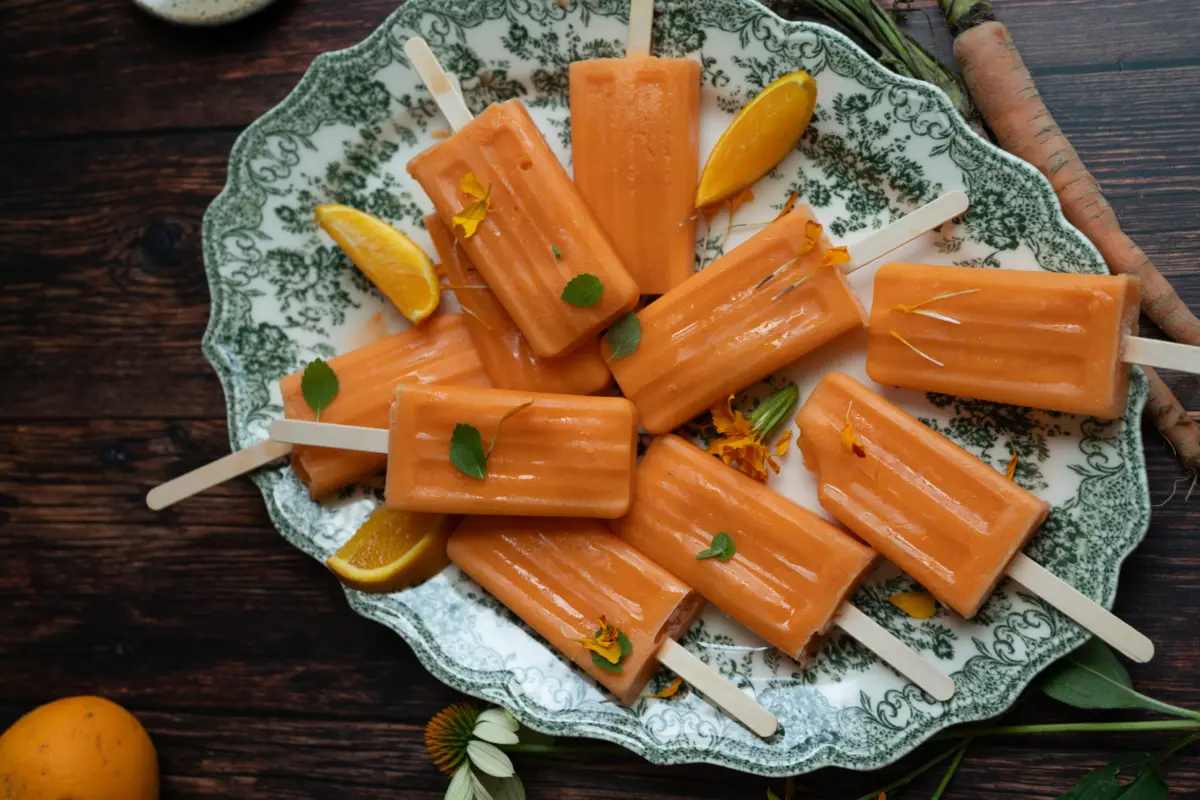
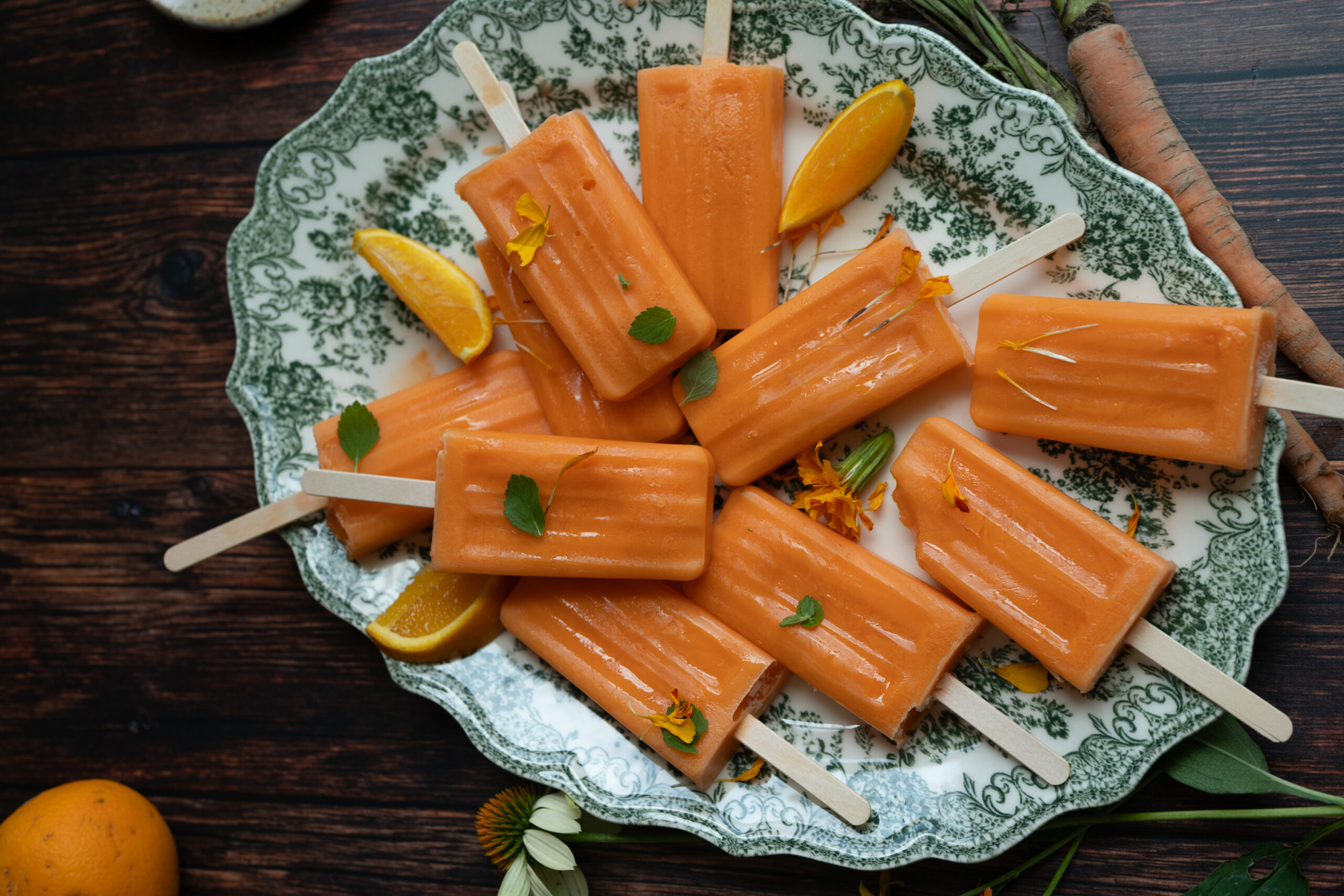
As temperatures soar and the days stretch toward their sunniest peaks, beating the heat usually involves reaching for a cold, sugary confection. However, a growing movement within holistic nutrition and herbalism is redefining the quintessential summertime treat. Enter the Vitamin C Carrot Calendula Orange Popsicle—a vibrant, nutrient-dense culinary creation that bridges traditional herbal practices with modern nutritional science.
Crafted from a base of brewed calendula tea, freshly pressed carrot juice, and fresh-squeezed orange juice, these golden-hued popsicles do more than just cool you down. They offer a strategic blend of antioxidants, carotenoids, and vitamin C designed to support skin, eye, and immune system health from the inside out during the harshest months of the year.
Main Facts: Anatomy of a Botanical Frozen Treat
At first glance, these popsicles catch the eye with their radiant, sun-kissed color palette. A closer look at the ingredient list reveals a deliberate formulation rooted in herbal traditions and nutritional wellness:
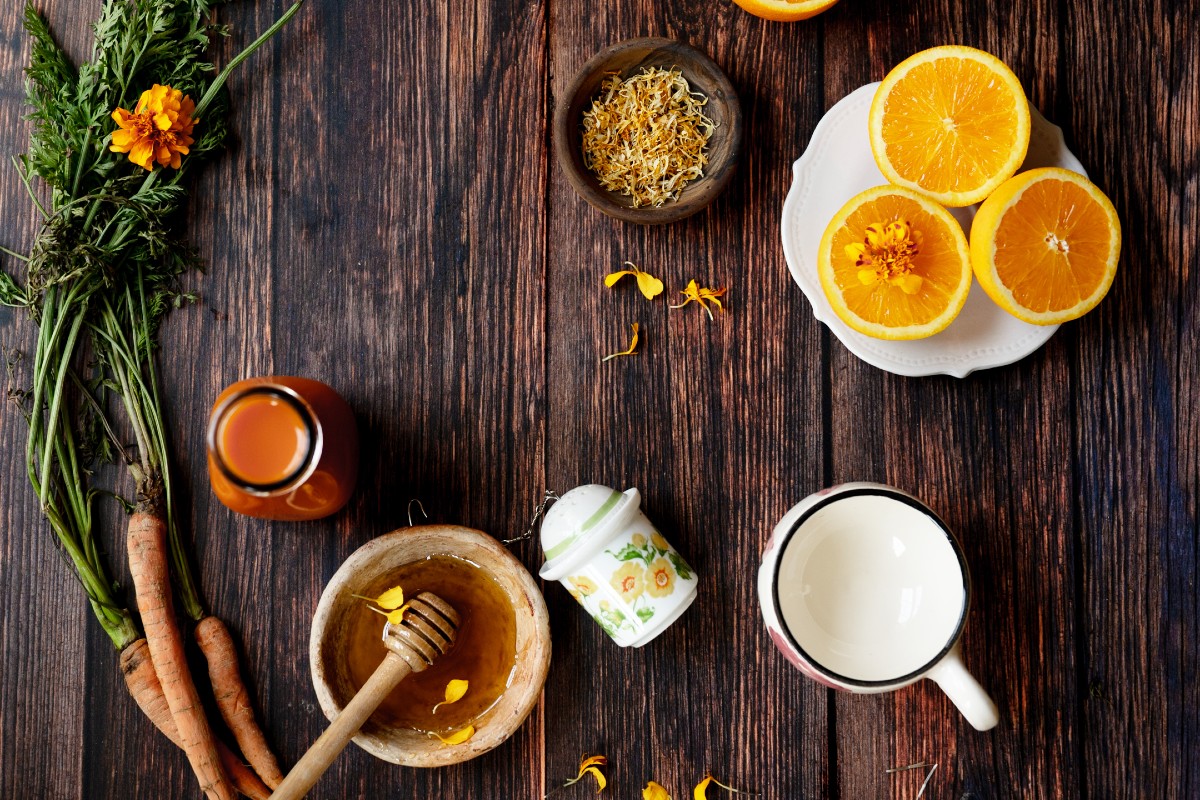
- Calendula Flowers (Calendula officinalis): Functioning as both a visual and therapeutic anchor, calendula tea infuses the recipe with a cooling energetic property, making it an ideal ally for hot weather.
- Fresh Carrot Juice: Providing an earthy sweetness and structural substance, carrots are packed with beta-carotene, which the human body efficiently converts into vitamin A.
- Fresh-Squeezed Orange Juice: Delivering a tart-sweet punch, orange juice supplies a heavy dose of vitamin C, essential for collagen production and immune defense.
- Optional Sweetener: A touch of raw honey rounds out the flavor profile, balancing the earthiness of the carrots and the mild bitterness of the herbal tea.
Yielding approximately two and a half cups of liquid—enough for 8 to 10 standard popsicles depending on mold size—this recipe transforms pantry and garden staples into a functional food powerhouse.
Chronology: From 17th-Century Sun Herb to Modern Freezer Staple
To fully appreciate this contemporary recipe, it helps to trace the historical lineage of its primary botanical component: Calendula officinalis.
The Historical Timeline of Calendula
- Spring through Fall: Calendula plants maintain a long growing season, opening their cheerful golden blossoms with the sunrise and closing them at sunset.
- 1653: Famed 17th-century herbalist Nicholas Culpeper officially documented the flower in his seminal work, referring to it as “an herb of the sun” due to its diurnal habits and brilliant golden coloration.
- 20th & 21st Centuries: Herbalists across traditions—such as Michael Tierra and modern practitioners like Maria Noël Groves—expanded on calendula’s internal and external applications, cementing its status as a premier vulnerary and soothing agent for skin and gut tissues.
- Present Day: The Herbal Academy modernizes this centuries-old botanical by integrating it into a refreshing, frozen delivery system designed for contemporary wellness seekers.
Supporting Data: The Synergy of Carotenoids and Vitamin C
The health claims behind these popsicles are backed by robust nutritional science regarding how skin and immune systems react to summer stressors.
1. Calendula’s Antioxidant Profile
Beyond its well-known topical uses in salves and creams for diaper rash, minor burns, and sunburns, internal consumption of calendula offers distinct physiological advantages. Calendula blossoms are exceptionally rich in carotenoids—powerful antioxidants that safeguard cardiovascular, ocular, and dermatological health. Furthermore, its traditional classification as a cooling, diaphoretic herb helps the body regulate internal heat during heatwaves.
2. Carrots for Cellular and Ocular Support
Carrots have long occupied a unique space in both Eastern and Western nutritional frameworks. While traditional Ayurvedic and Chinese herbal systems view carrots as having a neutral or slightly warming energy with mild laxative properties, modern science focuses squarely on their beta-carotene content. Renowned Ayurvedic practitioner Vasant Lad has traditionally paired fresh carrot and beet juice with a pinch of cumin as a blood-nourishing tonic. In these popsicles, the beta-carotene works synergistically with calendula’s carotenoids to fortify the eyes and skin against environmental strain.
3. Oranges and the Science of Collagen
Oranges are globally celebrated for their high vitamin C concentration. In the context of summer nutrition, vitamin C plays a dual role:

- Immune and Iron Support: It bolsters white blood cell function and enhances non-heme iron absorption.
- Photoprotection and Collagen Synthesis: Ultraviolet (UV) radiation from the sun depletes the skin of vital nutrients and breaks down collagen. Vitamin C acts as a potent antioxidant that neutralizes free radicals generated by sun exposure while stimulating internal collagen production, helping the skin maintain its structural integrity from the inside out.
Official Recommendations and Culinary Instructions
Herbalists and holistic nutritionists emphasize that while dietary modifications cannot replace physical sun protection (such as mineral sunscreens and protective clothing), internal nourishment acts as a vital second line of defense.
For those looking to integrate these protective elements into their daily routine, preparing the popsicles is straightforward.
Vitamin C Carrot Calendula Orange Popsicles Recipe
Ingredients:
- 1 cup brewed calendula (Calendula officinalis) flower tea
- 1 cup carrot juice (freshly pressed or high-quality store-bought)
- ½ cup fresh-squeezed orange juice (extracted from approximately 3 to 4 medium, juicy oranges)
- 1 tablespoon honey (optional, adjusted to taste)
Step-by-Step Directions:
- Brew the Herbal Base: Pour 1 cup of boiling water over 1 tablespoon of dried calendula petals (or 1 to 2 calendula tea bags). Allow the mixture to steep covered for 10 minutes to extract the beneficial carotenoids and water-soluble constituents.
- Strain and Sweeten: Strain the plant material from the liquid. If desired, stir in 1 tablespoon of honey while the tea is still warm so it dissolves evenly. Set the brewed tea aside to cool to room temperature.
- Combine Juices: In a mixing pitcher, combine the cooled calendula tea, 1 cup of carrot juice, and ½ cup of fresh-squeezed orange juice. Whisk gently to incorporate.
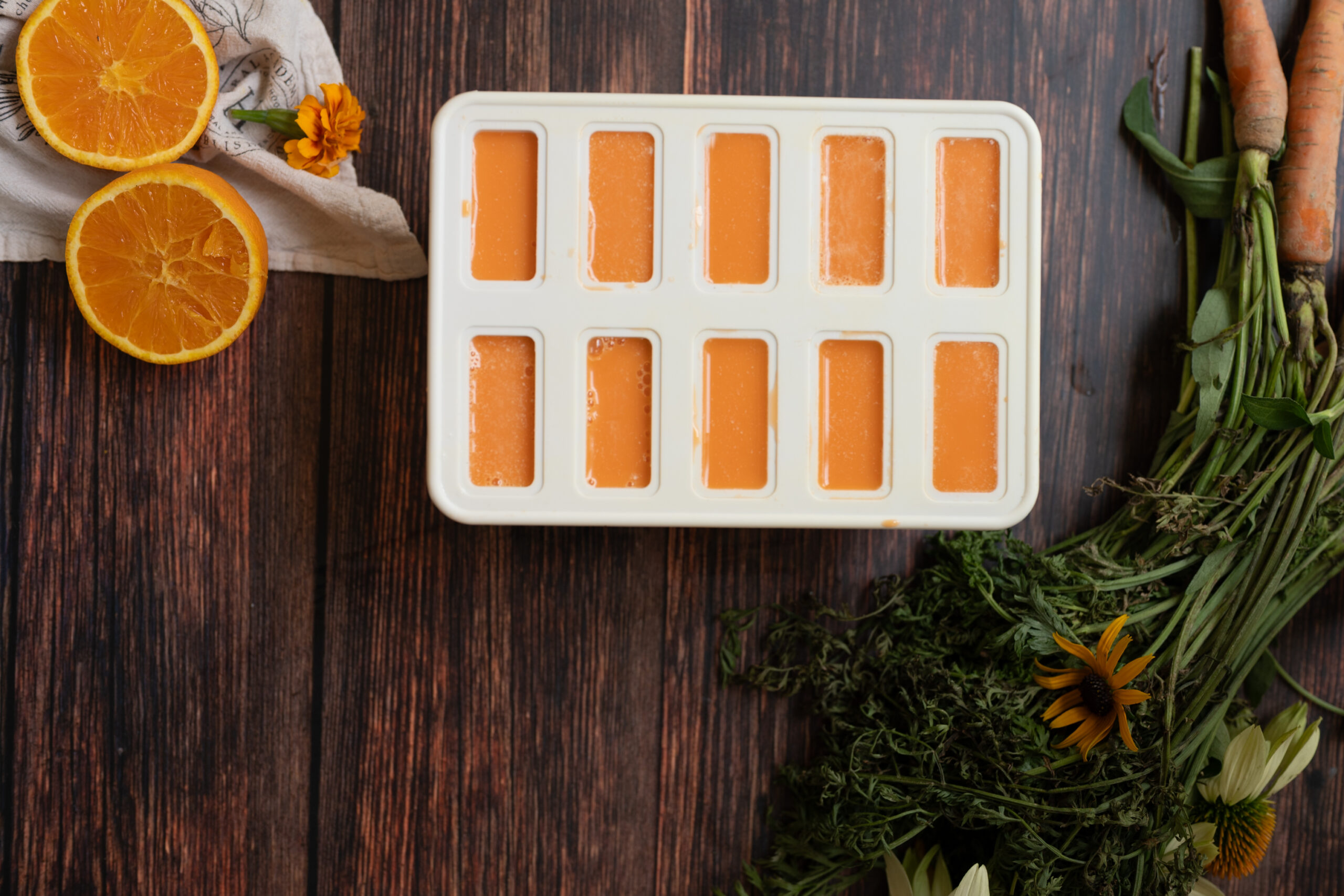
- Pour and Freeze: Pour the combined liquid mixture evenly into your preferred popsicle molds, inserting sticks securely. Transfer the molds to the freezer and allow them to freeze solid for at least 4 to 6 hours.
- Unmold and Serve: Run the exterior of the molds briefly under warm water to release the popsicles. Enjoy immediately as a cooling, restorative snack.
Implications: A Holistic Approach to Summer Wellness
The introduction of functional, herbal-infused treats like the Vitamin C Carrot Calendula Orange Popsicle reflects a broader cultural shift toward intentional eating. Rather than viewing summer as a season of dietary abandon where hydration is sought through processed sugars and artificial colorants, health-conscious individuals are turning to functional foods that work in harmony with seasonal shifts.
As historical records and modern data indicate, balancing outdoor recreation with targeted nutrition can significantly reduce the physiological toll of intense UV exposure and high temperatures. By keeping a batch of these golden, antioxidant-rich popsicles stocked in the freezer, health enthusiasts can successfully marry the pleasure of a classic summer treat with the deep, restorative wisdom of herbal medicine.