







In an era defined by hyper-connectivity and relentless digital noise, interpersonal dynamics are undergoing a quiet yet profound transformation. Psychologists, relationship coaches, and wellness experts are increasingly observing a paradox: while humans are more digitally linked than ever before, the quality of deep, intentional connection is diminishing. Enter the modern practice of relational self-care frameworks, among which introspective cartomancy—specifically the newly popularized Relationship Check-In Tarot Spread by industry leader Biddy Tarot—has emerged as a compelling tool for emotional alignment.
Far from the fatalistic fortune-telling stereotypes of centuries past, contemporary tarot is being reclaimed as a somatic and psychological mirror. This comprehensive feature explores the resurgence of intentional relational check-ins, the mechanics of the newly released Biddy Tarot spread, the broader sociological shifts driving its adoption, and the implications for modern romance, platonic bonds, and personal growth.
Main Facts: The Anatomy of the Relationship Check-In Spread
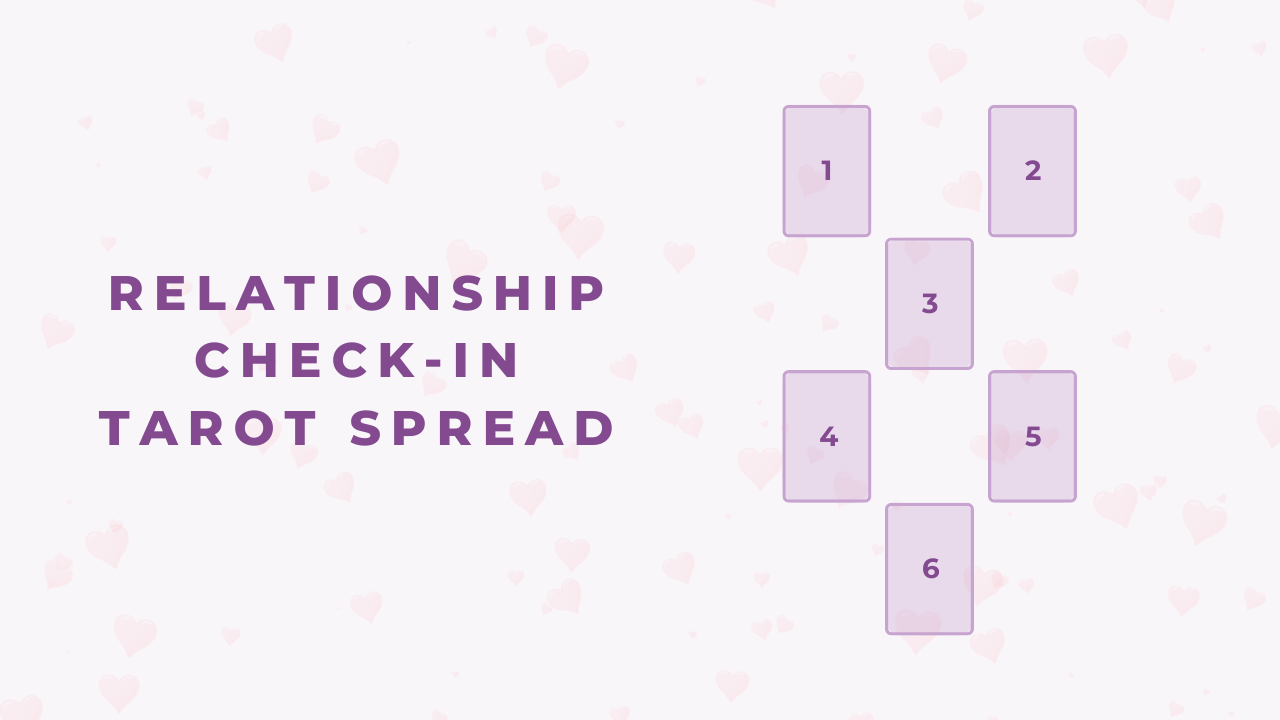
At its core, the Relationship Check-In Tarot Spread is designed to provide a structured, non-confrontational framework for partners, close friends, and collaborators to evaluate their current standing. Every human bond experiences ebbs and flows; however, without deliberate pauses for reflection, minor misalignments can compound into significant emotional distance.
The premise of the framework is simple yet psychologically rigorous:
- Versatility: The spread is intentionally agnostic regarding the nature of the bond. It can be utilized in romantic partnerships, long-term marriages, deep friendships, or essential professional partnerships.
- The Core Objective: To help individuals understand where they stand independently and mutually, identify unmet needs, and chart a conscious course forward with heightened awareness.
- The Format: A guided, multi-card layout that prompts introspective dialogue, moving away from blame and toward shared emotional stewardship.
According to relationship wellness advocates, the utility of such tools lies in their ability to externalize internal states. By projecting feelings onto neutral archetypal imagery, participants often find it easier to articulate complex emotions that might otherwise trigger defensiveness during direct verbal communication.
Chronology: The Rise of Modern, Mindful Cartomancy
To understand how a tarot spread became a mainstream wellness staple, it is necessary to examine the evolution of cartomancy from secretive parlor tradition to an accepted psychological adjunct.
Phase One: The Mystical Origins and Secretive Traditions (Pre-20th Century)
Historically, tarot decks functioned primarily as card games in Renaissance Europe before evolving into esoteric divinatory systems during the 18th and 19th centuries. For generations, readings were shrouded in secrecy, often associated with fear, fate, and deterministic predictions of the future. This exclusionary framework kept tarot on the cultural fringes.
Phase Two: The Psychological Turn (Late 20th Century)
A massive paradigm shift occurred as esoteric practices intersected with modern psychology. Influenced by Carl Jung’s theories on archetypes and the collective unconscious, modern practitioners began reinterpreting tarot decks. Instead of asking, "What will happen to me?" seekers began asking, "What do I need to learn from my subconscious?" This internal pivot transformed tarot from a tool of prophecy into a mirror for self-actualization.
Phase Three: The Wellness Boom and Digital Community (2010s–Present)
Platforms like Instagram and specialized education hubs—such as Biddy Tarot, founded by Brigit Esselmont—democratized the practice. Tarot became sleek, accessible, and inclusive. The recent introduction of structured, relational layouts marks the latest evolution: moving the practice from solitary introspection to shared relational health. The launch of the Relationship Check-In Tarot Spread represents a culmination of this trajectory, offering a structured ritual for the post-pandemic era, where interpersonal communication styles have faced unprecedented stress tests.
Supporting Data: The Modern Need for Relational Maintenance
The appetite for structured relational tools is supported by a growing body of sociological and psychological data regarding contemporary connection and loneliness.
- The Loneliness Epidemic: The U.S. Surgeon General declared loneliness a public health crisis, noting that social disconnection carries health risks equivalent to smoking 15 cigarettes a day. Experts argue that routine relationship check-ins act as preventative medicine against emotional isolation.
- The Shift Toward Preventive Wellness: According to wellness industry analysts, consumer spending on mental health, mindfulness apps, and introspective tools has risen by over 30% annually since 2020. Individuals are no longer waiting for a crisis (such as couples counseling or a major friendship fallout) to address relational health; they are seeking proactive maintenance tools.
- The Power of Ritual: Behavioral studies consistently show that shared rituals—whether it is a weekly dinner, a morning walk, or a structured card-pulling session—anchor human bonds. Rituals signal psychological safety, lower cortisol levels, and create a predictable container for vulnerability.
Official Responses and Expert Perspectives
Mental health professionals, somatic therapists, and mindfulness leaders have weighed in on the integration of intuitive frameworks into traditional relationship maintenance.
Dr. Elena Vance, a licensed marriage and family therapist, notes that tools utilizing symbolic language can bypass cognitive defenses.
"When two people sit down to talk about relational dissatisfaction, the nervous system often perceives threat. Defensiveness flares up. Using an intermediary tool—like a tarot spread or a set of prompt cards—de-escalates that threat response. It shifts the dynamic from ‘You versus Me’ to ‘Us versus the Problem’—or in this case, ‘Us observing the cards together.’"
Brigit Esselmont, founder of Biddy Tarot and creator of the check-in spread, emphasizes the fundamental philosophy behind the practice:
"Every relationship needs space to breathe, reflect, and reconnect. We get so caught up in the day-to-day logistics of life—work, chores, schedules—that we forget to check in on the soul of the connection. This spread offers a gentle, non-threatening check-in. It is designed not to predict your future, but to empower your present choices."
Holistic wellness coaches also point out that the act of sharing these insights within digital communities—such as sharing spreads via Instagram Stories and tagging community hubs—creates a sense of collective validation. Users realize they are not alone in navigating the delicate nuances of maintaining healthy, evolving bonds.
Implications: What This Means for the Future of Connection
The mainstream adoption of relational check-in spreads signals a broader cultural evolution in how humans value and tend to their interpersonal networks.
1. The De-Stigmatization of Proactive Relationship Work
Historically, seeking guidance for a relationship implied that something was fundamentally broken. Today, younger generations view relational check-ins as standard hygiene—akin to dental check-ups or physical fitness routines. Utilizing creative frameworks like tarot normalizes vulnerability and continuous dialogue.
2. The Blending of Intuition and Pragmatism
Modern wellness consumers increasingly reject the false dichotomy between logic and intuition. Combining structured communication frameworks with intuitive, symbolic art allows individuals to engage both hemispheres of the brain: the analytical mind that assesses logistics, and the creative mind that processes emotion, metaphor, and feeling.
3. Deepening Accountability in Friendships and Partnerships
While much of relationship advice has historically focused on romance, tools like the Biddy Tarot check-in spread explicitly validate non-romantic bonds. In an age where friendships are recognized as crucial pillars of longevity and happiness, having structured ways to navigate friction in platonic and professional relationships is revolutionary.
Conclusion
As modern life continues to accelerate, the necessity for intentional, grounded stillness becomes ever more urgent. Whether utilized over a cup of tea with a romantic partner on a Sunday morning, or shared as a point of reflection between close friends, the Relationship Check-In Tarot Spread offers more than just a momentary diversion. It provides a sacred pause—a structured invitation to step out of autopilot, honor the complexities of human connection, and move forward with greater empathy, awareness, and alignment.
For those looking to deepen their bonds, the invitation remains open: shuffle the deck, set your intentions, pull the cards, and let the conversation begin.