









LONDON — In an era defined by rapid technological acceleration, economic uncertainty, and an unrelenting digital culture, a quiet revolution is taking place inward. Society is experiencing a profound shift toward psychological introspection, with millions seeking structured, holistic tools to navigate burnout, self-doubt, and existential paralysis.
At the forefront of this movement is an ancient, repurposed tool for self-reflection: the tarot. Far removed from its historical stereotypes of parlor-game fortune-telling, contemporary psychological and mindfulness circles have embraced the tarot as a visual and symbolic mirror for the subconscious mind.
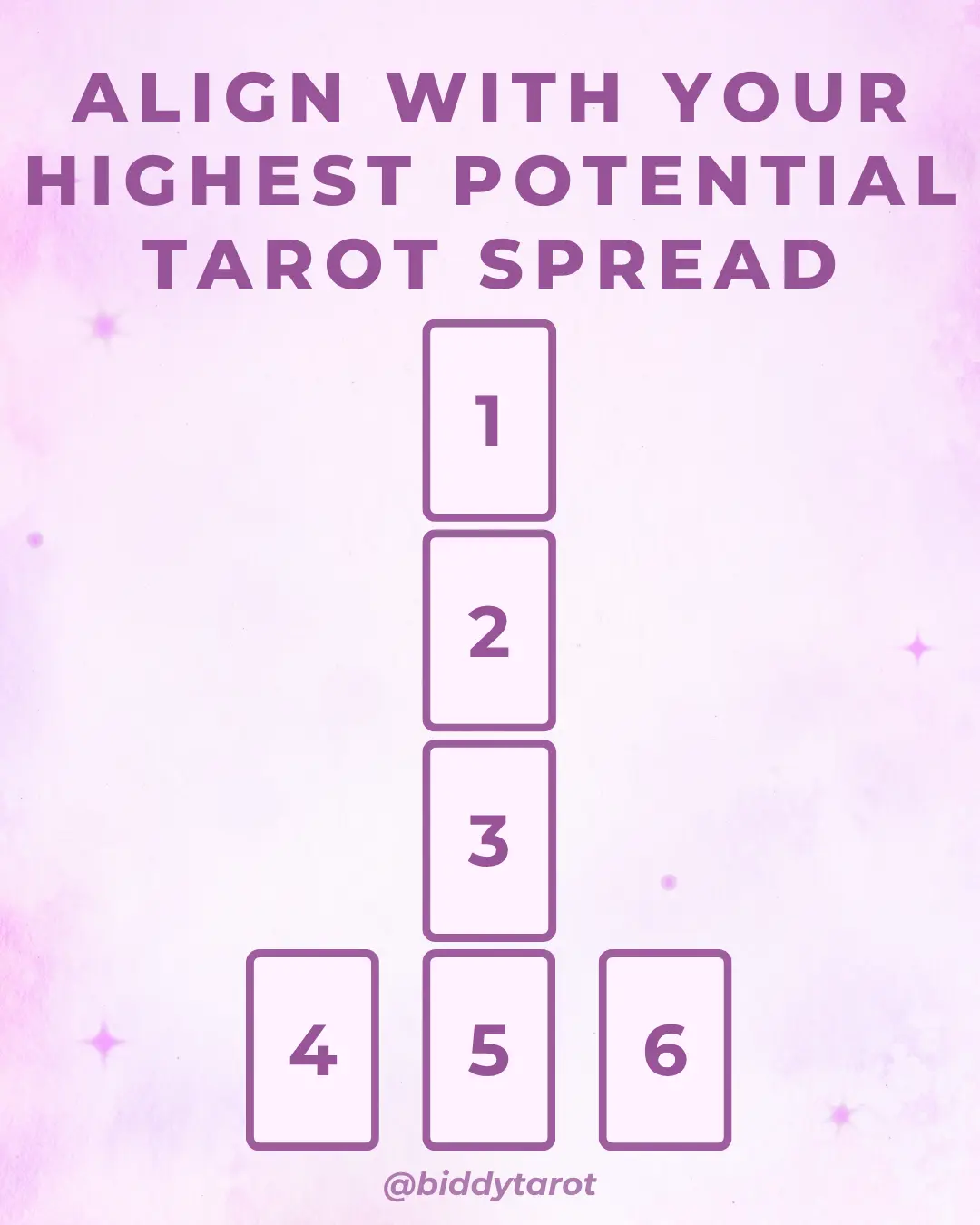
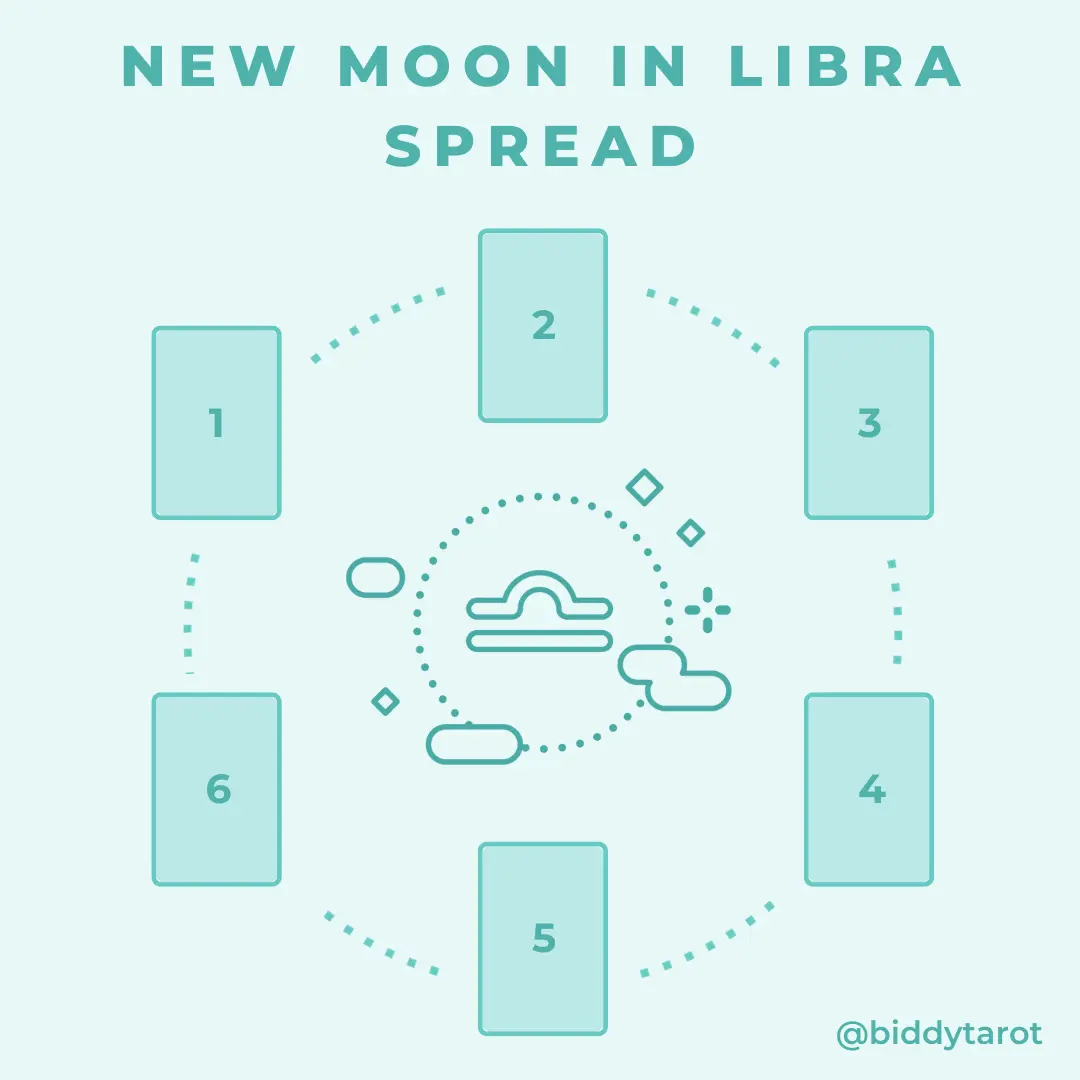
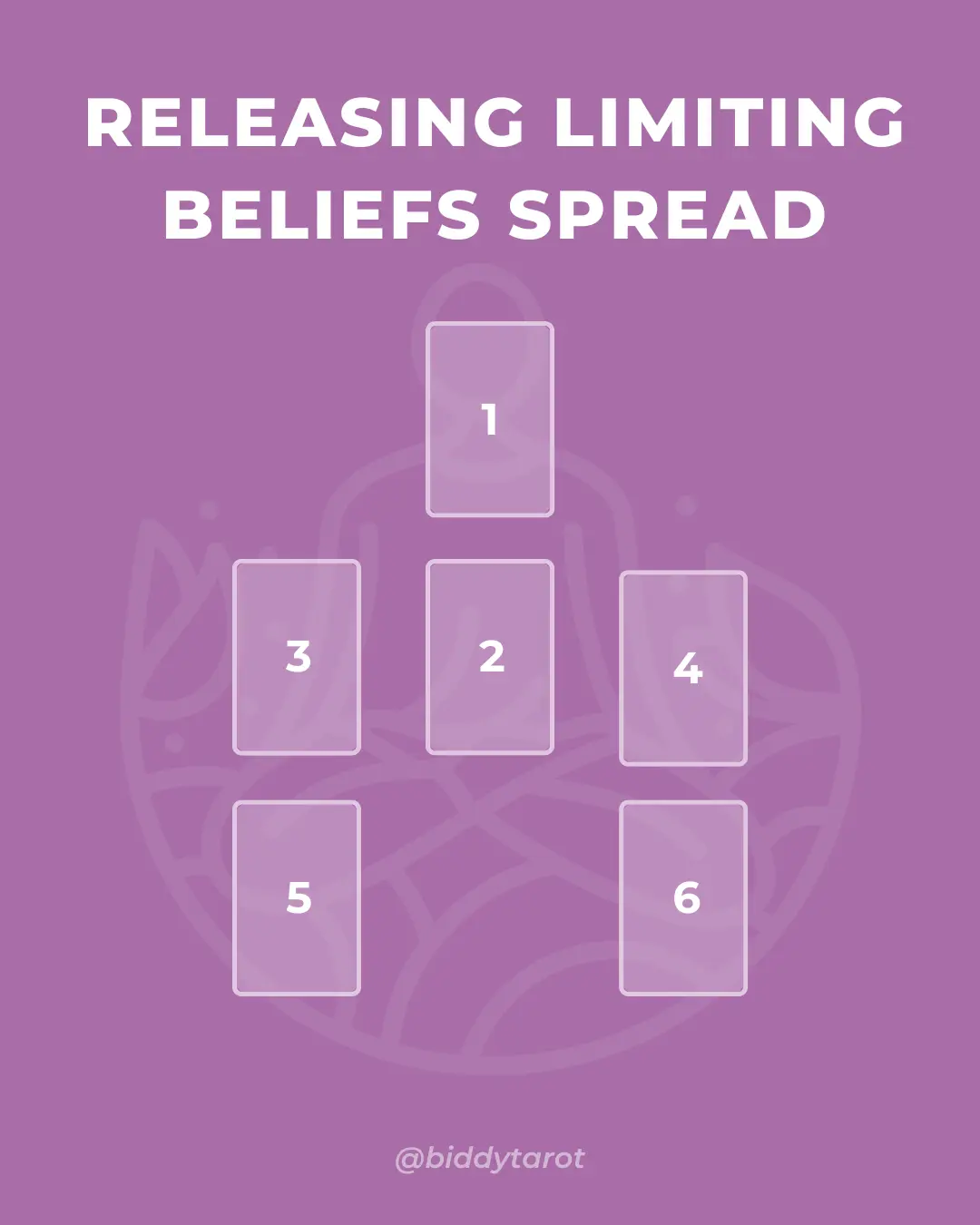
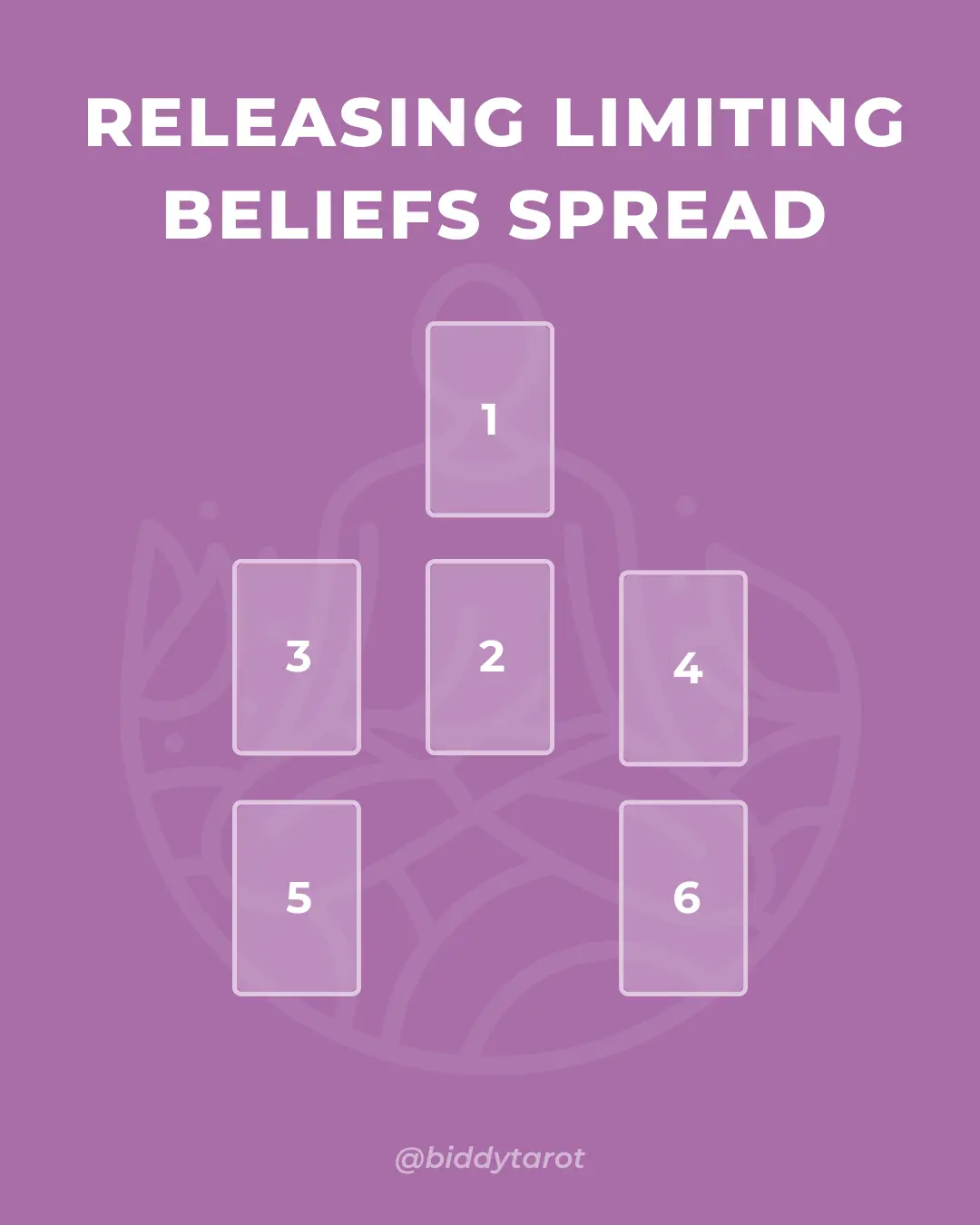
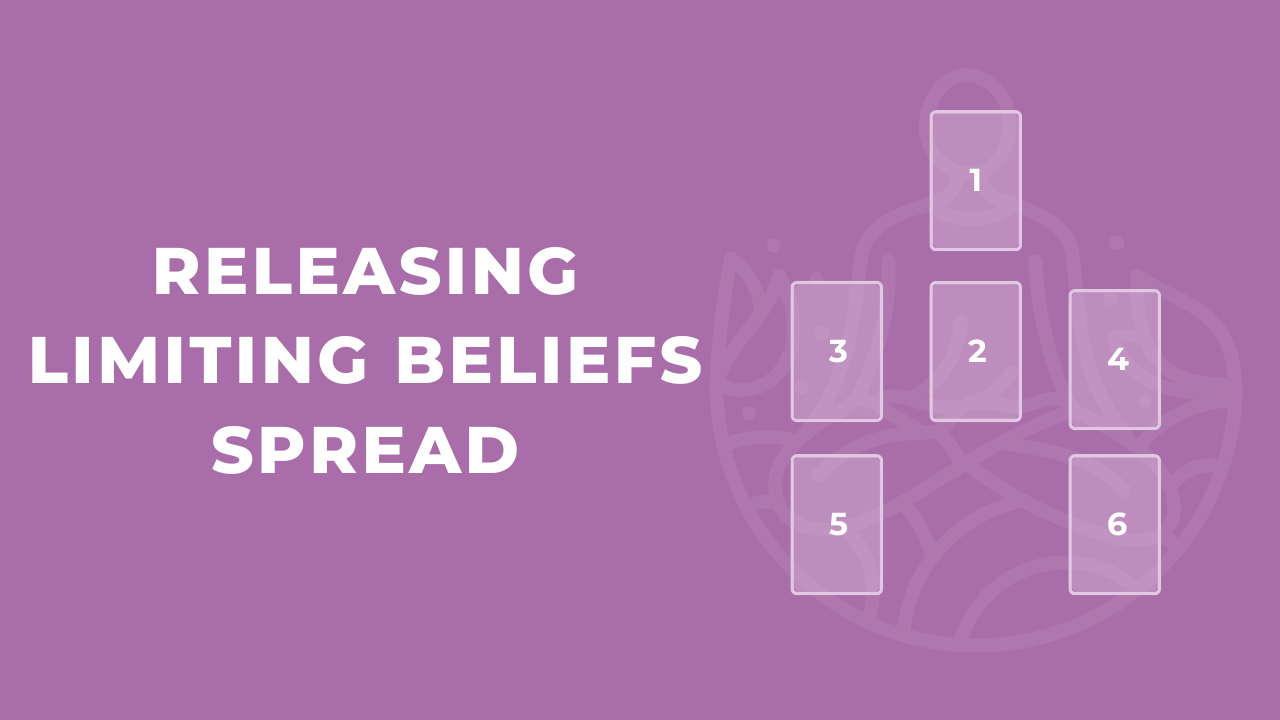
Among the latest developments in this space is the introduction of the Releasing Limiting Beliefs Tarot Spread, a specialized reflective framework designed to help individuals identify, confront, and dissolve the invisible mental boundaries that inhibit personal and professional growth.
Main Facts: The Anatomy of Self-Limitation
The core premise driving this modern psychological wellness trend is simple yet profound: The stories we tell ourselves shape our reality.
According to behavioral psychologists and mindfulness practitioners alike, human beings operate on deeply ingrained internal narratives. Some of these narratives serve as pillars of strength, resilience, and potential, reminding the individual of past triumphs and future capabilities. Others, however, function as psychological anchors—quietly whispering doubt, projecting inadequacy, and imposing artificial ceilings on achievement.
The Releasing Limiting Beliefs Tarot Spread provides a structured methodology to externalize these internal blocks. By laying out a specific configuration of cards, individuals are encouraged to confront abstract anxieties—such as the fear of failure, imposter syndrome, or scarcity mindsets—and view them as physical, symbolic entities that can be examined objectively, processed, and ultimately released.
Key Objectives of the Spread:
- Uncovering Hidden Narratives: Identifying subconscious beliefs that dictate daily decision-making without the individual’s conscious awareness.
- Tracing Root Causes: Exploring where and why these limiting beliefs originated (whether from childhood, past trauma, or cultural conditioning).
- Assessing Current Toll: Evaluating how holding onto these beliefs impacts mental health, career trajectories, and interpersonal relationships.
- Empowerment and Realigning: Replacing old dogmas with an upgraded, truthful narrative that aligns with the individual’s highest potential.
Chronology: The Evolution of Tarot from Divination to Modern Psychology
To understand the cultural significance of the Releasing Limiting Beliefs Tarot Spread, one must examine the historical trajectory of the tarot over the past century.
1. The Esoteric Origins
Originating as a card game (tarocchi) in 15th-century Europe, the tarot slowly transitioned during the 18th and 19th centuries into an occult tool used for divination and mystical exploration. For generations, its practice remained shrouded in secrecy, skepticism, and institutional distrust.
2. The Jungian Revolution (Mid-20th Century)
The pivotal turning point for modern tarot occurred through the influence of Swiss psychiatrist Carl Jung. Jung introduced concepts such as archetypes and the collective unconscious—ideas that mapped seamlessly onto the 78 cards of the tarot deck. Practitioners began to realize that the images on the cards were not predicting a predetermined future, but rather reflecting the psychological archetypes active within the human psyche at any given moment.
3. The Digital Wellness Boom (2010s–Present)
In the digital age, tarot underwent a massive renaissance. Platforms like Instagram and TikTok transformed the ancient practice into an accessible, highly visual form of self-care. Pioneers in the modern tarot community—such as Brigit Esselmont of Biddy Tarot—repositioned the cards as a tool for empowerment and intuition rather than fatalistic prediction.
The launch of specialized spreads, such as the Releasing Limiting Beliefs Tarot Spread, represents the culmination of this evolution: a fusion of ancient symbolism with modern cognitive behavioral reframing.
Supporting Data: The Psychology of Belief and Cognitive Reframing
While skeptics often dismiss tarot as superstitious, modern psychological data underscores why structured reflective practices—whether through journaling, meditation, or symbolic card spreads—yield measurable mental health benefits.
The Power of Externalization
In cognitive behavioral therapy (CBT), a core technique involves "externalizing the problem." When an individual struggles with an internal narrative like "I am not good enough," it feels like an absolute truth ingrained in their identity. By projecting that thought onto an external medium—such as a piece of writing or a tarot card—the individual creates cognitive distance. They shift from being the problem to observing the problem.
Statistics on Burnout and Self-Doubt
Recent wellness and workplace studies highlight an urgent need for internal reframing tools:
- Workplace Imposter Syndrome: According to recent organizational psychology reports, over 70% of professionals experience persistent feelings of imposter syndrome at some point in their careers, directly limiting career progression.
- The Rise of Reflective Wellness: The global mental wellness market, valued at over $120 billion, has seen a 25% surge in demand for non-traditional, mindfulness-based self-reflection tools over the past five years. Consumers are increasingly blending traditional therapy with creative, intuitive practices to manage chronic stress.
- Cognitive Restructuring Efficacy: Clinical data consistently shows that identifying and dismantling core limiting beliefs leads to reduced cortisol levels, higher self-efficacy, and improved decision-making capabilities.
Official Responses and Expert Insights
Mental health advocates, mindfulness coaches, and tarot educators have weighed in on the cultural utility of structured spreads like the Releasing Limiting Beliefs framework.
"We are often the last people to see our own mental prisons," notes a prominent London-based cognitive behavioral mindfulness coach. "Tools like tarot spreads don’t possess magical properties in themselves; rather, they serve as a visual mirror. They bypass the analytical, defensive mind and prompt the subconscious to speak. When someone confronts their self-doubt on a tangible card layout, the illusion loses its power."
Brigit Esselmont, founder of the global tarot platform Biddy Tarot, emphasizes the therapeutic empowerment inherent in these practices:
“The stories we tell ourselves shape our reality. Some remind us of our strength and potential—while others quietly whisper doubt and limitation. The Releasing Limiting Beliefs Tarot Spread helps you uncover the hidden narratives that no longer serve you, so you can release them with grace and step into a truer, freer version of yourself.”
Psychologists who integrate expressive arts therapy into their practices also note that symbolic imagery can unlock emotions that traditional talk therapy sometimes struggles to reach quickly. By engaging multiple senses and visual cues, individuals can process complex emotional blockages faster.
Implications: What This Means for Personal Development and Wellness Culture
The proliferation of tools like the Releasing Limiting Beliefs Tarot Spread points to a broader cultural shift in how society approaches personal growth and mental health.
1. Democratization of Mental Health Tools
While professional psychotherapy remains the gold standard for clinical mental health care, access is often hindered by financial, logistical, and social barriers. Accessible, low-cost self-reflection practices empower individuals to perform daily emotional hygiene, building psychological resilience outside of clinical settings.
2. The Normalization of Intuitive Wellness
For decades, rigid boundaries separated hard science from intuitive practices. Today, wellness culture is increasingly integrative. Practices that bridge the gap between intuition (tarot, meditation) and science (cognitive reframing, journaling) are gaining mainstream credibility as valid pathways to self-awareness.
3. A Shift Toward Intentional Living
As digital fatigue grows, individuals are actively seeking offline, tactile rituals. Drawing cards, shuffling a physical deck, and journaling about personal narratives offer a tactile reprieve from screen-based existence, encouraging deep, intentional self-examination.
Conclusion
The Releasing Limiting Beliefs Tarot Spread is more than a momentary wellness trend; it is a symptom of a deep human desire for liberation from internal constraints. By combining the ancient art of symbolism with the modern psychological necessity of cognitive reframing, individuals are finding new ways to rewrite their life stories.
When we strip away the doubt, the fear of failure, and the inherited expectations of others, we reveal a truer, freer version of ourselves. Whether through a deck of tarot cards, deep meditation, or journaling, the message remains clear: the narratives that bind us can always be rewritten.
To participate in the ongoing conversation, practitioners are encouraged to share their insights and experiences with the spread on Instagram, tagging @biddytarot to join a global community of individuals committed to personal growth and liberation.