








Main Facts: The Renaissance of Artisan Melt-and-Pour Soap
In the expanding landscape of home-crafting and artisanal self-care, the humble block of melt-and-pour soap has undergone a remarkable metamorphosis. No longer confined to the utilitarian simplicity of single-color, monochromatic blocks, hobbyists and independent bath-and-body entrepreneurs are increasingly turning to advanced design techniques. At the vanguard of this movement is color and base layering—a visually striking method that transforms basic soap-making into an exercise in geometric precision and aesthetic storytelling.
Industry experts note that the appeal of layering lies in its accessibility. Unlike traditional cold-process soap making, which requires the handling of hazardous caustic solutions like sodium hydroxide (lye), melt-and-pour chemistry utilizes a pre-saponified base. This allows creators to focus entirely on artistry, thermal management, and design execution.

According to leading craft data aggregators, consumer interest in specialized home-crafting techniques has surged by over 45% year-over-year. Within this ecosystem, layered melt-and-pour projects—ranging from bold, high-contrast horizontal stripes to dynamic, slanted diagonal designs—have emerged as the definitive benchmark for intermediate soap-making proficiency.
Crucially, achieving professional-grade results requires adherence to rigid physical principles. Success is dictated not by expensive heavy machinery, but by microscopic temperature control, the strategic deployment of anhydrous binding agents (namely isopropyl alcohol), and precise temporal coordination between pours.

Chronology: The Step-by-Step Evolution of a Layered Masterpiece
To understand the mechanics of professional soap layering, one must examine the sequential lifecycle of a batch. The process unfolds across five carefully timed stages, each demanding absolute precision to prevent structural failure in the final cut.
Phase 1: Material Preparation and Base Liquefaction
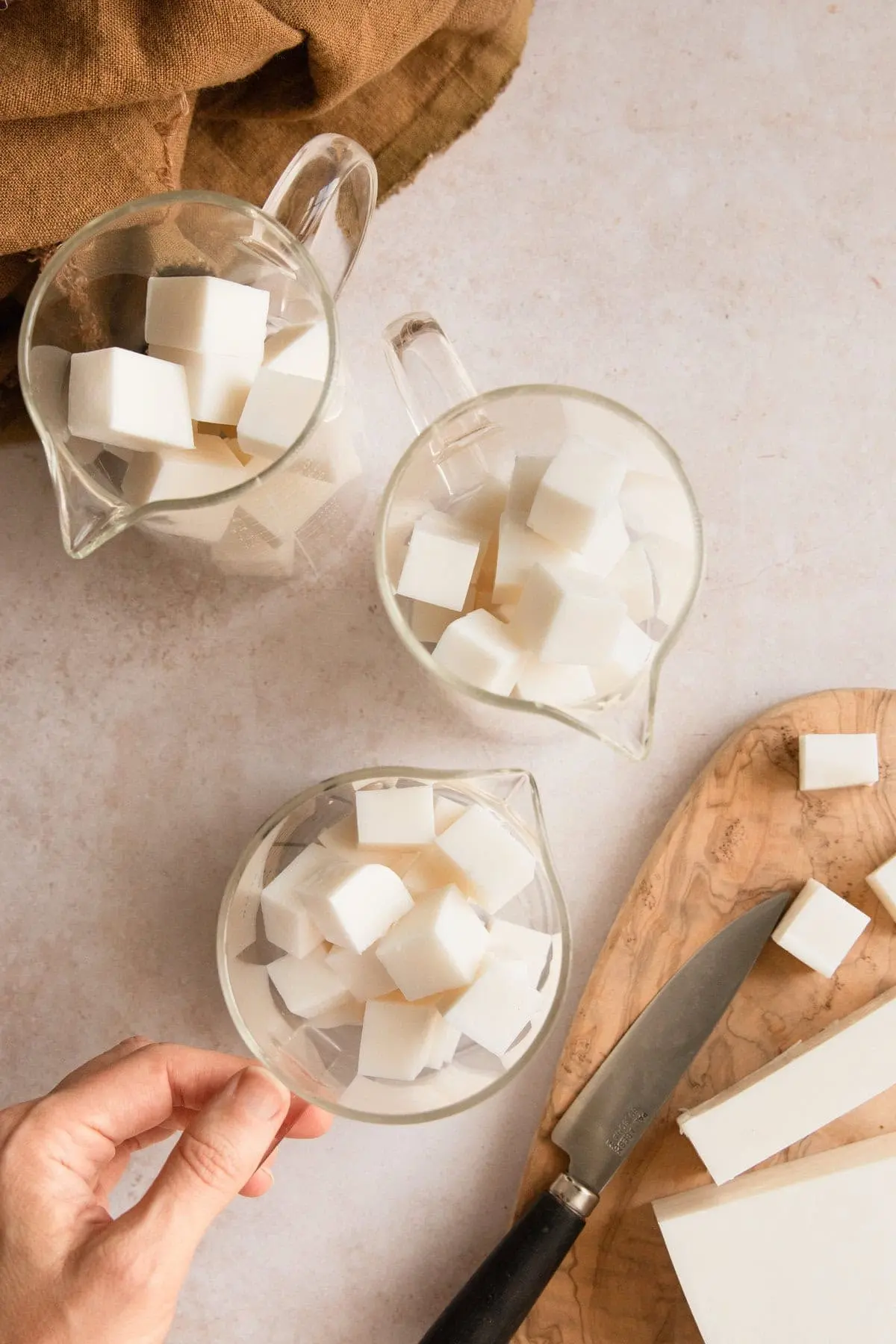
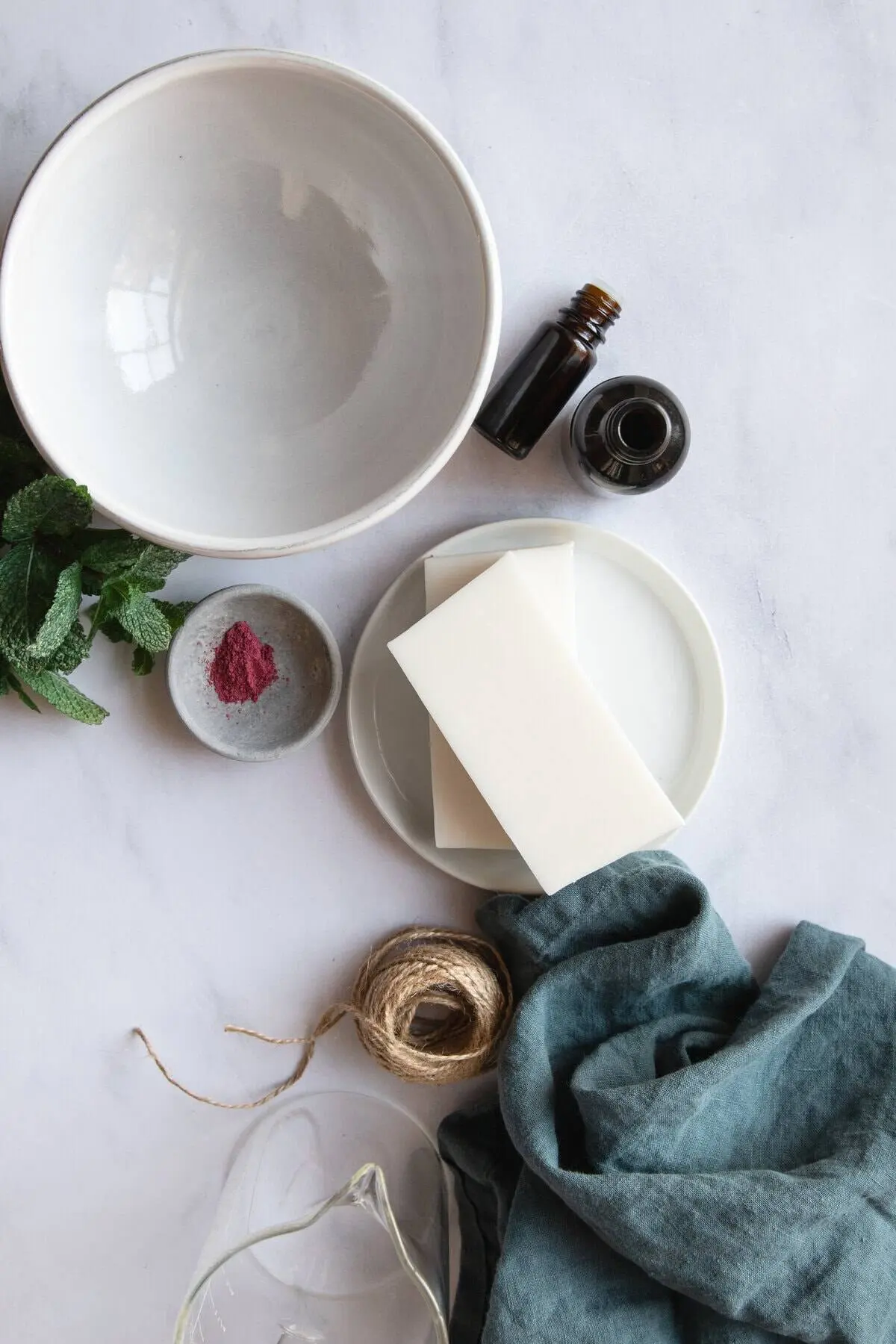
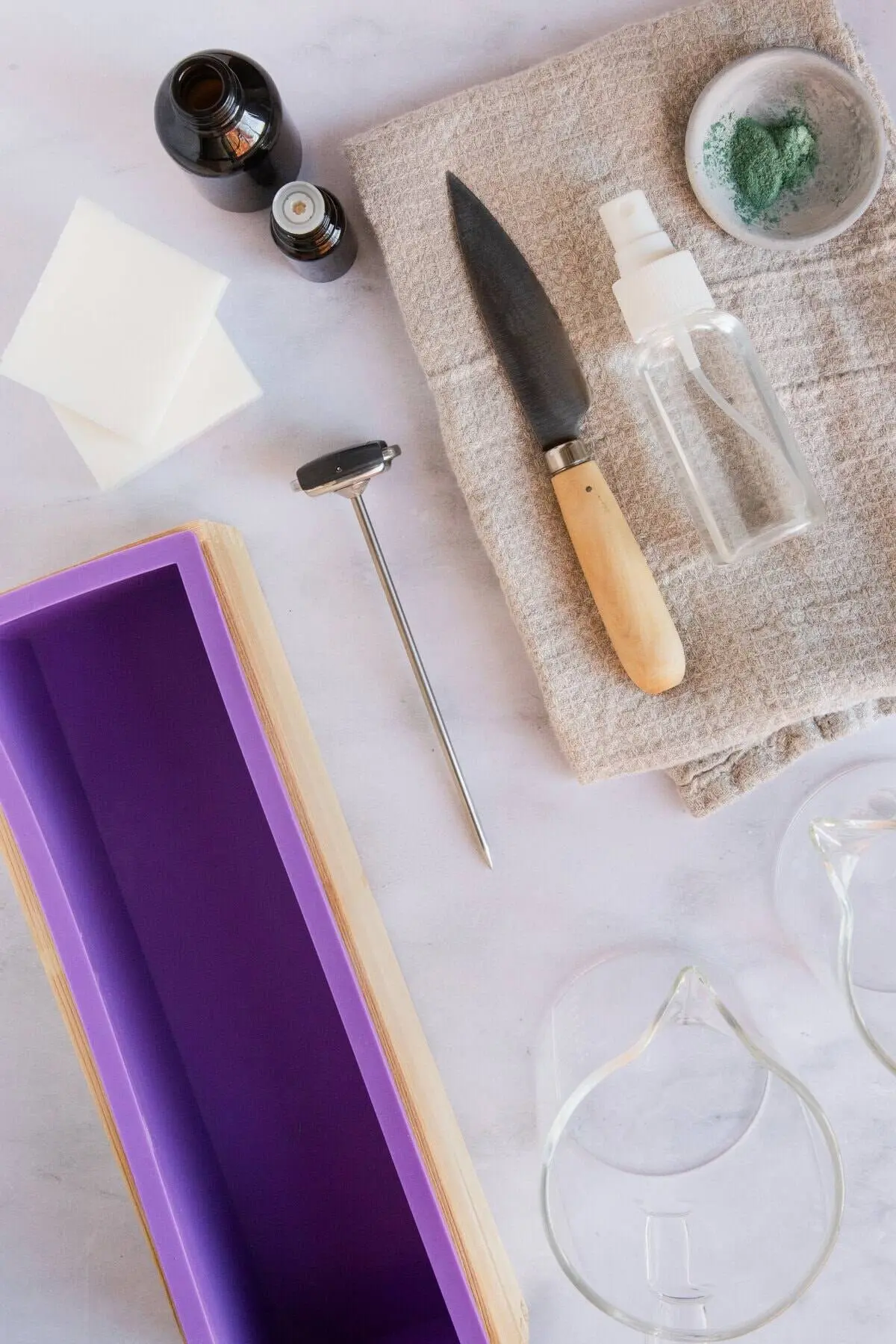
The process begins with structural reduction. Artisans take solid blocks of clear or white melt-and-pour soap base and systematically cube them into uniform one-inch segments. This geometric sizing ensures even heat distribution, mitigating the risk of localized scorching or over-liquefaction within a microwave or double-boiler system.

Once cubed, the soap is portioned into heat-safe containers corresponding to the number of planned layers. Liquefaction occurs in measured, thirty-second thermal bursts. Stirring must remain minimal and deliberate to discourage the introduction of atmospheric air pockets, which compromise structural integrity and visual clarity.
Phase 2: Chromatic and Olfactory Infusion
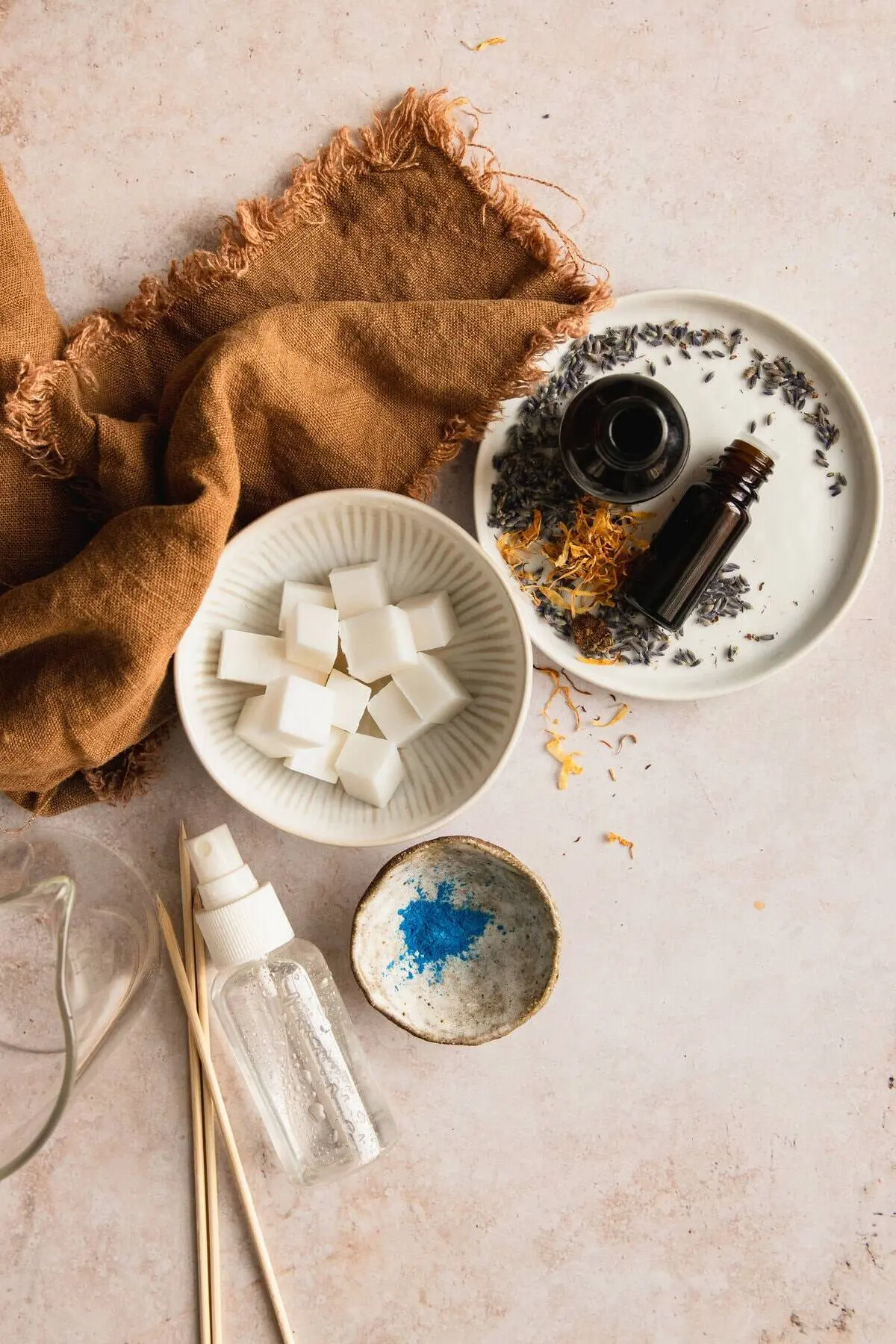
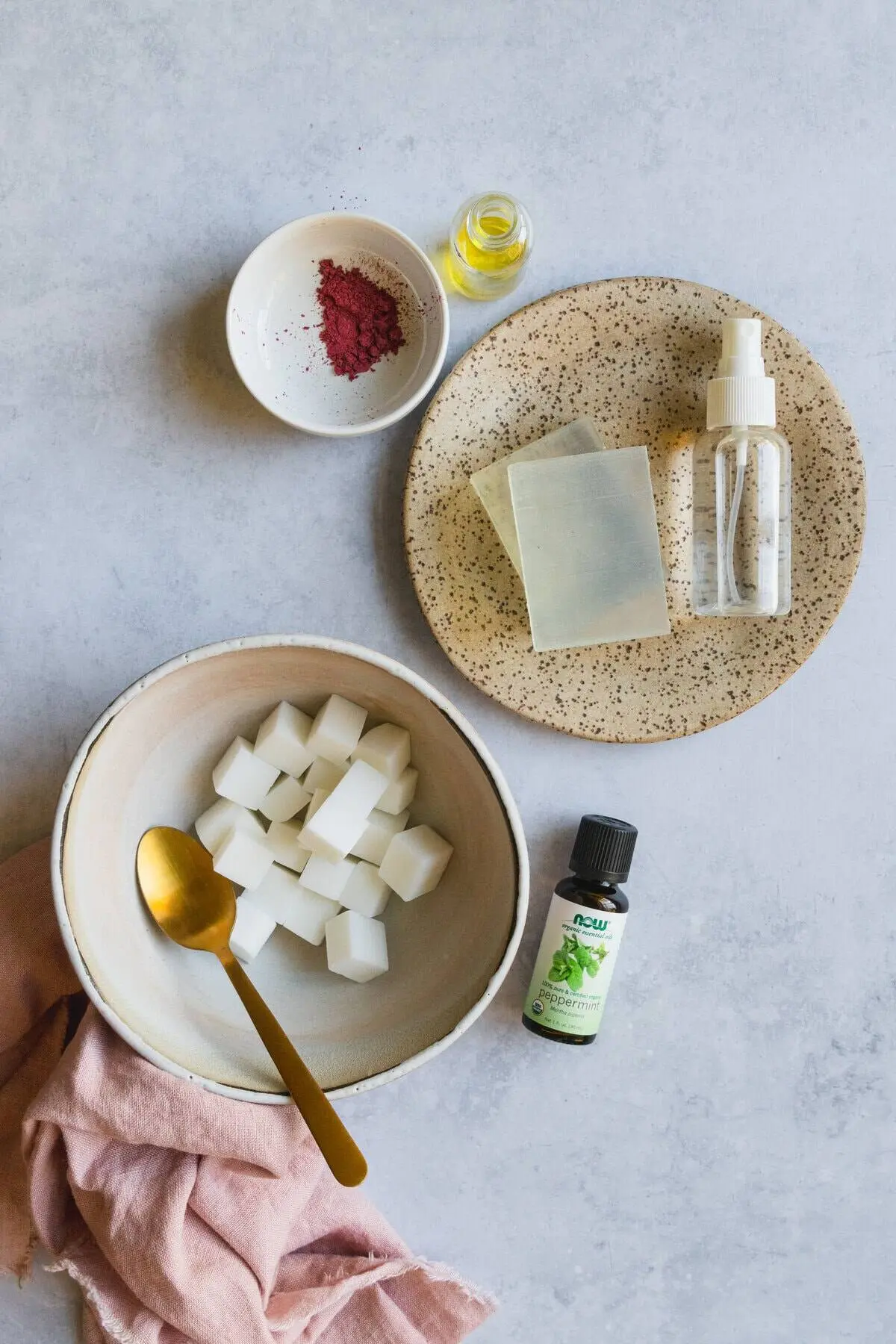
With the base liquefied, colorants and fragrances are integrated into the molten liquid. Liquid soap dyes yield hyper-vivid, translucent tones, whereas botanical powders—such as beetroot or spirulina—impart muted, earthy aesthetics. Concurrently, skin-safe essential oils or fragrance oils are folded in. The golden rule during this phase is thermal moderation; introducing additives to overheated soap can degrade delicate aromatic compounds and accelerate surface film distortion.

Phase 3: The Initial Foundation Pour
For creators pursuing dynamic, avant-garde aesthetics—such as diagonal or chevron stripes—this phase involves structural manipulation of the mold. By elevating one side of a loaf mold using a stable object (such as a ceramic ramekin or folded linen), the initial pour forms an angled plane.
The first layer is poured without thermal restriction, as no vulnerable substrate exists beneath it. Immediately following the pour, a fine mist of rubbing alcohol is applied to dissipate surface bubbles. The mold is then left undisturbed until a specialized surface "skin" forms—a delicate equilibrium where the top layer feels slightly soft and warm, yet structurally sound, typically requiring 10 to 15 minutes of ambient cooling.

Phase 4: Inter-Layer Bonding and Secondary Pours
The cornerstone of professional layering occurs immediately before the introduction of subsequent strata. The cooled surface of the first layer is aggressively spritzed with rubbing alcohol, acting as a chemical binding agent.
Simultaneously, the next batch of liquefied soap must be thermally audited. The scientific "sweet spot" rests precisely at 140°F (60°C). Pouring at this exact temperature prevents the new liquid from entirely melting the underlying layer (which creates muddy, undefined color bleeding) while maintaining enough thermal energy to chemically fuse with the base below. A slow, laminar pour is executed, followed immediately by another alcohol spritz to eliminate emerging vapor bubbles.

Phase 5: Complete Curing and Slicing Dynamics
The cycle of pouring, spritzing, and cooling is systematically repeated until the mold reaches capacity. For angled designs, the mold must be carefully returned to a level, horizontal plane prior to the final terminal pour.
Unlike cold-process soap, which requires weeks of chemical saponification and moisture evaporation, melt-and-pour creations require only thermal stabilization. After resting undisturbed for several hours or overnight in a temperature-controlled environment, the solid loaf is unmolded and sectioned using a straight-edge slicing tool, revealing crisp, architectural interior strata.

Supporting Data: The Physics of Thermal Adhesion and Chemistry
Mastering soap layers is fundamentally an exercise in thermodynamics and surface chemistry. Empirical observations from artisan studios highlight several critical operational metrics:
- The 140°F Thermal Window: Data compiled from master soap makers indicates that pouring melt-and-pour soap above 150°F increases the risk of layer degradation and color bleeding by nearly 70%. Conversely, pouring below 130°F results in structural delamination, causing bars to fracture along the layer lines during the final cutting phase.
- The Role of Isopropyl Alcohol (IPA): High-percentage rubbing alcohol (91% or higher) serves a dual purpose. Mechanically, its low surface tension forces trapped microscopic air bubbles to the surface where they burst. Chemically, it lightly dissolves the micro-skin of the cooled soap layer, creating a cohesive molecular bridge between successive pours.
- Volumetric Consistency: To achieve symmetrical, mathematically precise horizontal stripes, manufacturers utilize digital kitchen scales to portion base materials down to the gram. A standard 40-ounce loaf mold divided into four distinct layers requires precisely 10 ounces of prepared base per tier.
Official Perspectives: Industry Experts on Quality Control
Professional bath-and-body artisans and formulation chemists emphasize that while melt-and-pour crafting is marketed as beginner-friendly, precision is non-negotiable when transitioning to multi-tier designs.

"The biggest misconception among home crafters is that layering is purely artistic," notes formulation consultant Marcus Vance. "In reality, it is applied thermal physics. If your timing is off by five minutes, or your thermometer is reading ten degrees too high, you compromise the structural cohesion of the entire product. Treat the process with the exactitude of a commercial laboratory."
Furthermore, safety compliance remains paramount within the handmade cosmetics community. Industry bodies continually stress that all colorants, mica powders, and fragrance oils must possess verified cosmetic-grade certifications. Non-compliant additives can react unpredictably with surfactant bases, leading to phase separation, skin irritation, or premature product degradation.

Implications: The Economic and Creative Impact on the Artisan Market
The democratization of advanced melt-and-pour techniques carries profound implications for the micro-entrepreneurial economy and the broader DIY crafting sector.
Economic Viability for Small-Scale Makers
For independent artisans selling on platforms like Etsy or at local farmers’ markets, visual differentiation is the primary driver of market survival. Basic, monochromatic soap bars command lower profit margins due to high market saturation. By incorporating complex layered designs—such as diagonal color blocks or contrasting clear-and-opaque matrixes—makers can rebrand their inventory as luxury, boutique-tier goods. This aesthetic elevation directly correlates with higher retail pricing power, transforming a kitchen-table hobby into a viable micro-business.

Sustainability and Waste Reduction in Crafting
The inherent nature of melt-and-pour soap inherently supports sustainable crafting models. Unlike traditional cold-process soaping—where miscalculated batches or failed swirls often result in unusable chemical waste—melt-and-pour bases are entirely reclaimable. If a layered design fails due to thermal bleeding or premature cooling, the compromised loaf can simply be re-cubed, re-melted, and re-poured with zero material waste. This closed-loop lifecycle aligns perfectly with the zero-waste ethos increasingly demanded by modern, eco-conscious consumers.
Ultimately, mastering the art of soap layering bridges the gap between simple craft and functional sculpture. By respecting the underlying chemistry of temperature and surface tension, home creators can consistently produce professional, gallery-worthy pieces that redefine the boundaries of everyday bathing luxuries.