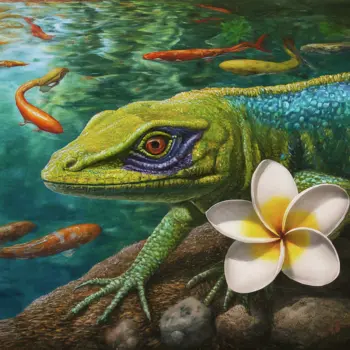
HONOLULU — Beneath the idyllic surface of white-sand beaches, swaying palm trees, and crystalline turquoise waters lies a deeply rooted realm of myth, magic, and the paranormal. Hawaii’s natural landscape is not merely a scenic backdrop; in the traditional Hawaiian worldview, the environment is alive, sentient, and profoundly connected to a vibrant pantheon of gods, demigods, ancestral spirits, and legendary creatures.
From the fiery, unpredictable temperament of Pele, the goddess of volcanoes, to the industrious, nocturnal engineering of the Menehune, Hawaiian folklore weaves an intricate tapestry that bridges the natural and supernatural worlds. Today, this rich cultural heritage continues to thrive, captivating historians, locals, and visitors alike who find themselves drawn to the mysterious forces said to shape the islands.
Main Facts: The Architecture of Hawaiian Mythology
To understand the spiritual fabric of Hawaii, one must examine the diverse entities that populate its oral traditions. Hawaiian mythology categorizes supernatural beings into distinct classes, each holding specific responsibilities regarding the maintenance of the cosmos, nature, and human morality.
- The Akua and Kupua (Gods and Demigods): At the pinnacle of the pantheon are major deities such as Pele, the fierce architect of the islands, and Kane, the creator of life. Below them are the Kapua—half-divine offspring of gods and mortals who possessed extraordinary abilities, most notably shapeshifting. Legendary figures like Maui and Kamapuaʻa fall into this category, bridging the divine and human realms.
- The ʻAumākua (Ancestral Guardians): Unlike distant gods, ʻaumākua are familial guardian spirits. Believed to be the souls of deceased ancestors who have taken the form of animals—such as sharks (manō), owls (pueo), or lizards (moʻo)—they offer protection, guidance, and warnings to their living descendants.
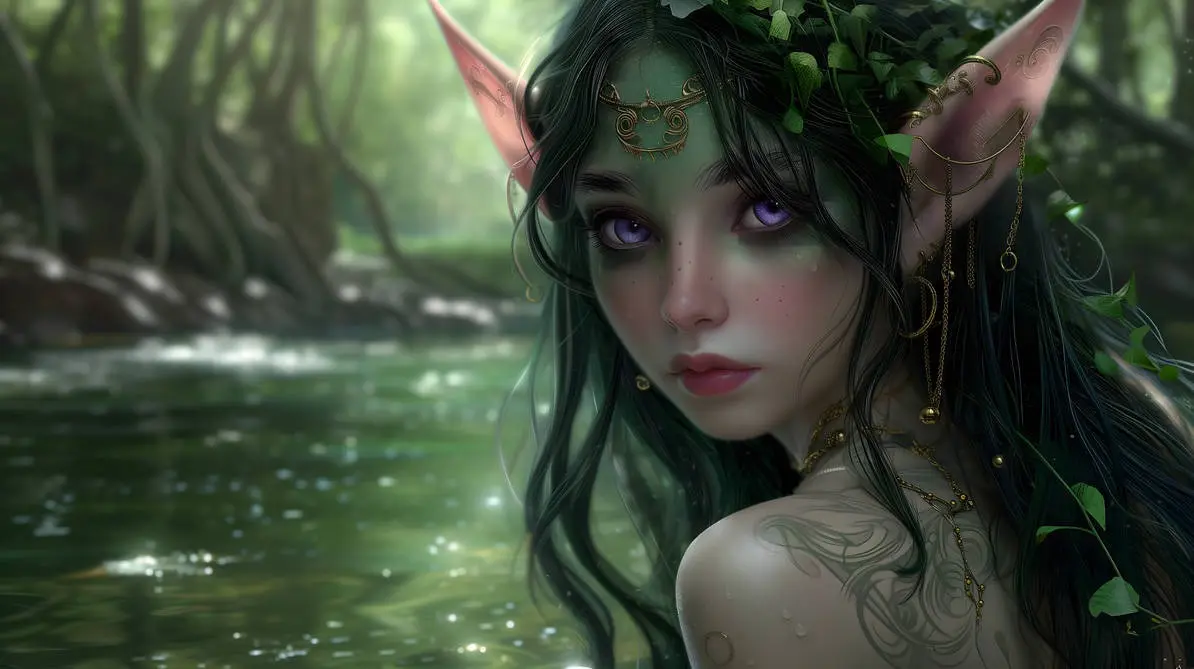
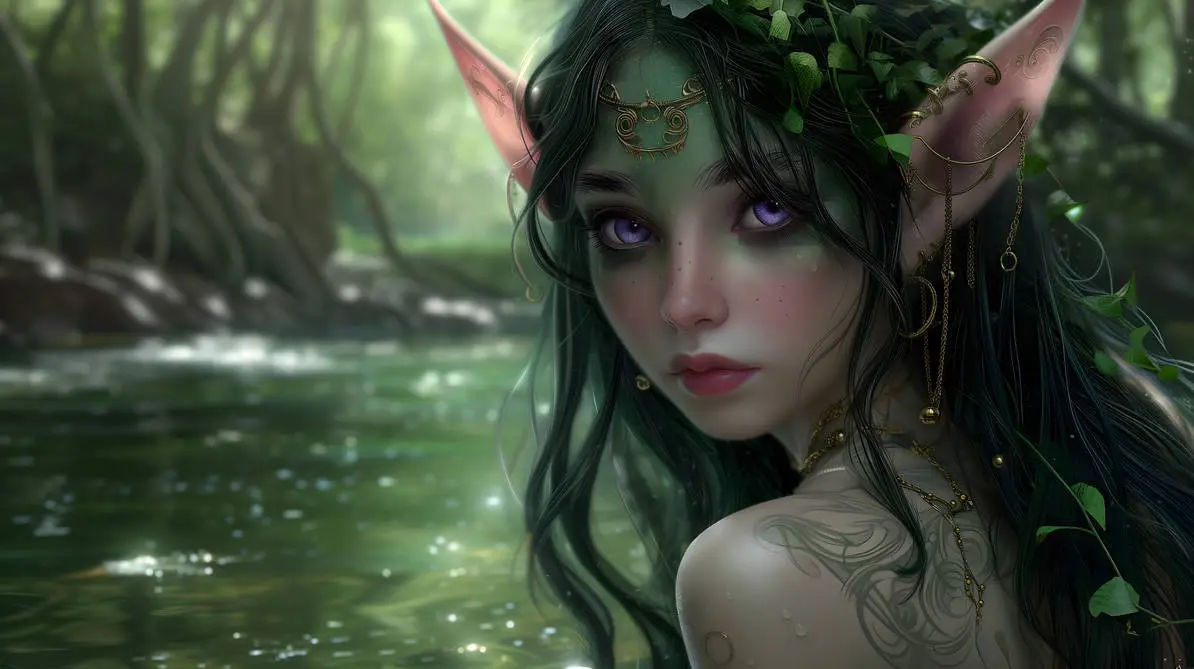
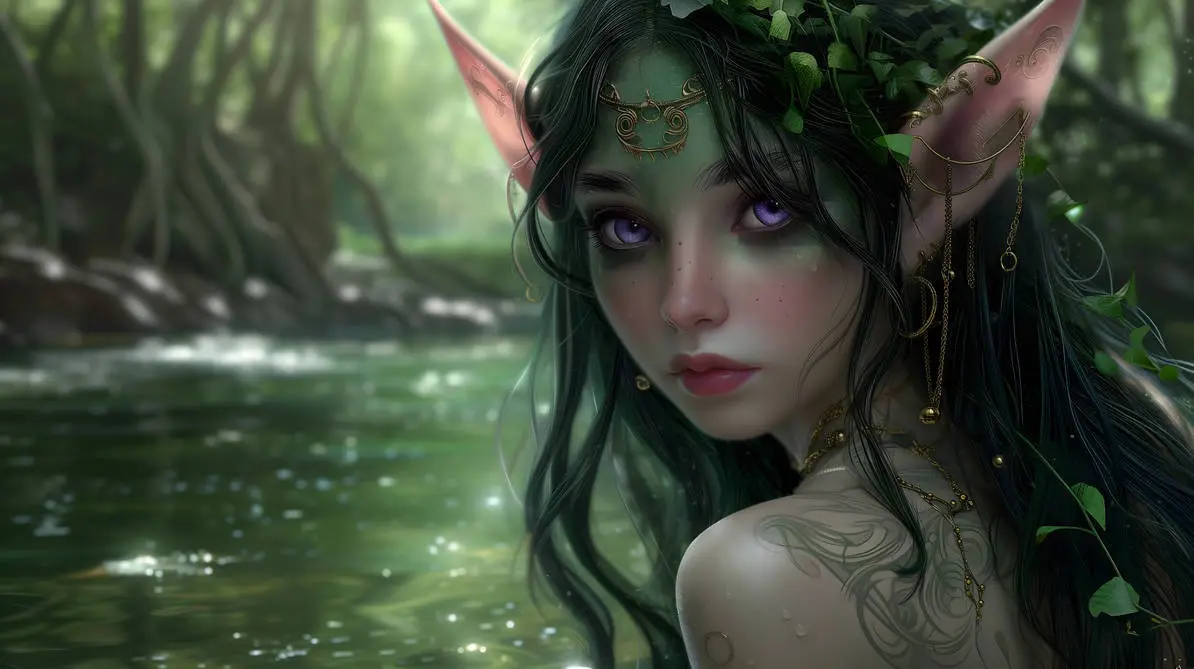
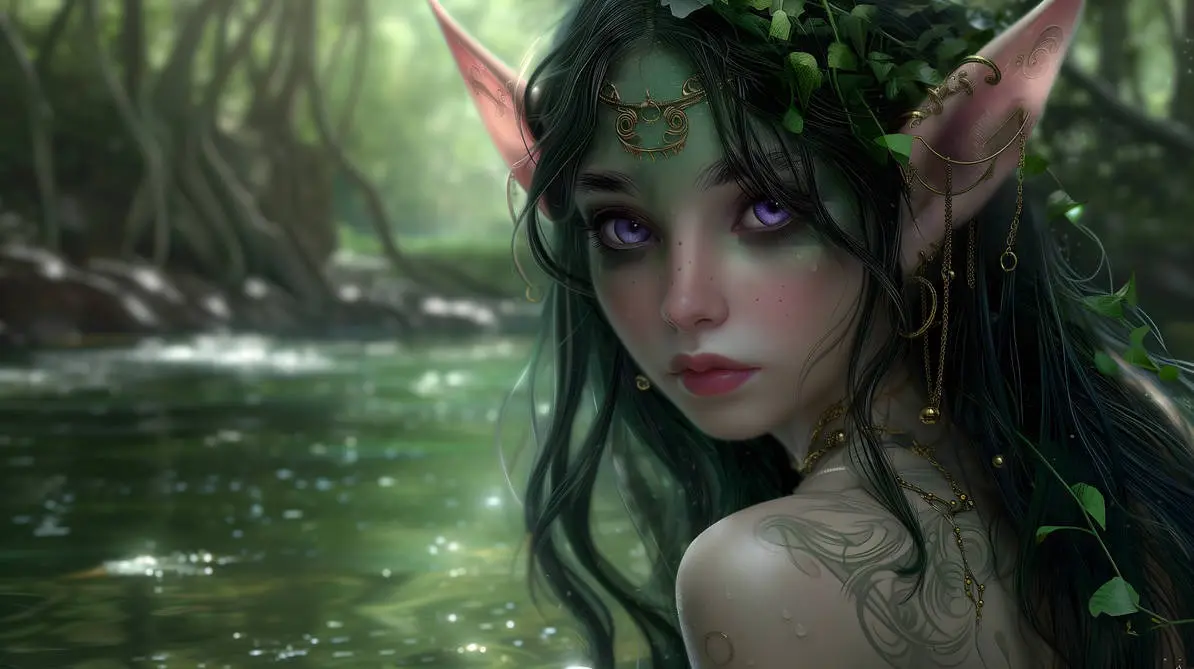
- The Nature Spirits and Mythical Peoples: The islands are also populated by earthbound legends, such as the Menehune, elusive dwarf-like artisans, and the Moʻo, serpentine guardian spirits of freshwater sources.
These entities are not viewed merely as characters in fictional fairy tales; historically and culturally, they represent tangible explanations for natural phenomena, ecological balance, and societal ethics.
Chronology: From Ancient Oral Traditions to Modern Encounters
The history of Hawaiian folklore is a chronological journey that spans centuries of profound cultural transformation, preservation, and modern revival.
Pre-Contact Era: The Foundation of Oral History
Before the arrival of Western explorers, Hawaiian history, law, and genealogy were preserved exclusively through rigorous oral traditions. Chants (oli), genealogies (moʻokūʻauhau), and traditional dances (hula) served as living encyclopedias. Myths were mapped directly onto the physical geography; every valley, crater, and stream held a specific story detailing the actions of gods or ancestors.
The 19th Century: Written Documentation and Christianization
Following the arrival of Captain James Cook in 1778 and the subsequent arrival of Christian missionaries in the 1820s, traditional Hawaiian religion experienced systemic suppression. However, native scholars, Aliʻi (royalty), and historians—such as David Malo and Samuel Kamakau—recognized the urgent need to preserve their heritage. They worked diligently to transcribe oral legends into written Hawaiian and English, securing the survival of these ancient tales for future generations.
The 20th and 21st Centuries: Cultural Renaissance and Modern Sightings
The late 20th century marked a vigorous resurgence in Hawaiian cultural pride, language revitalization, and traditional practices. Concurrently, interest in Hawaii’s paranormal side expanded globally. In contemporary times, oral traditions persist alongside modern urban legends. Notably, reports of paranormal phenomena—ranging from modern sightings of the goddess Pele near Kīlauea volcano to eerie nighttime encounters with the Huakaʻi Pō (Night Marchers)—continue to be documented by residents and visitors in the 2020s, demonstrating that the ancient veil between worlds remains remarkably thin.

Supporting Data: Key Figures and Supernatural Phenomena of the Islands
A closer examination of Hawaii’s most prominent mythological figures reveals the deep symbolic and ecological connections embedded within the folklore.
Pele: The Volcanic Architect
Residing majestically within the Halemaʻumaʻu crater at the summit of Kīlauea volcano on the Big Island of Hawaii, Pele commands profound reverence. As the goddess of fire, lightning, wind, and volcanoes, she is simultaneously a creator—forming new landmasses through flowing lava—and a destroyer.
Pele’s mythology is uniquely active; unlike figures from classical European mythologies who are confined to antiquity, Pele remains a living presence in the modern consciousness. Park rangers and local residents frequently share accounts of modern Pele sightings, often describing an enigmatic older woman hitchhiking along island roads who vanishes without a trace, or observing inexplicable bursts of volcanic activity aligned with traditional lore. A persistent cultural taboo warns visitors against taking rocks or sand from Hawaii as souvenirs, a transgression believed to invoke Pele’s wrath and lifelong misfortune—a phenomenon evidenced by the hundreds of pounds of "guilt-ridden" rocks mailed back to Hawaii Volcanoes National Park every year by regretful tourists.
Maui: The Demigod Who Captured the Sun
Maui is arguably the most famous trickster and cultural hero in Polynesian mythology. Driven by familial devotion, Maui sought to aid his mother, Hina, who struggled to dry her traditional tapa cloth (made from tree bark) because the sun raced across the sky too quickly, plunging the islands into premature darkness.
To solve this celestial crisis, Maui climbed the dormant volcano Haleakalā on Maui island, where he patiently crafted a heavy net from coconut fiber. As dawn approached, Maui cast his net, ensnaring the sun. Wielding an enchanted magical club (matau), he struck the sun until it begged for mercy. A sacred bargain was struck: in exchange for its freedom, the sun agreed to slow its journey across the sky for half of the year, providing humanity with extended daylight hours essential for agriculture, fishing, and daily survival.
Kamapuaʻa: The Hog Child and Divine Rival
Kamapuaʻa is a prominent demigod associated with fertility, agriculture, and wild boars, possessing remarkable shapeshifting capabilities. He could transform himself into a lush plant, a bristling hog, or a handsome young man depending on the situation.
Kamapuaʻa is most famously immortalized through his tumultuous, epic rivalry and eventual romance with the goddess Pele. Their encounters mirror the dynamic forces of the Hawaiian landscape: the cooling, water-rich vegetation associated with Kamapuaʻa clashing violently against the scorching, destructive lava of Pele, ultimately symbolizing the necessary ecological balance between fire and rain.
The Menehune: Master Builders of the Night
Described as a secretive race of dwarf-like people standing roughly two to three feet tall, the Menehune are credited in legend with constructing monumental architectural feats across the islands—including ancient fishponds, paved roads, and sacred temples (heiau)—in a single night. According to tradition, if their work was not completed before the first rays of the sun, they would vanish into the dense forests, leaving their projects unfinished. While modern anthropologists debate their historical existence, ancient structures attributed to the Menehune stand today as testaments to early Hawaiian engineering.

The Night Marchers (Huakaʻi Pō)
Among the most chilling elements of Hawaiian paranormal lore are the Night Marchers (Huakaʻi Pō). Believed to be the restless ghosts of ancient chiefs and warriors, they are said to march in single file through sacred paths, valleys, and ancient battlegrounds after dark.
Eyewitness accounts and cultural warnings emphasize the auditory phenomena preceding their arrival: the rhythmic beating of shark-skin drums, the blowing of conch shells, and the haunting, solemn chanting of invisible warriors. Tradition dictates that encountering the Night Marchers is a terrifying omen. Observers are strictly advised to step off the path, lie face down on the ground, and avoid making eye contact. Looking directly at the spirits is said to invite death, unless an ancestor among the marching warriors recognizes the living person and claims them as kin.
Official Responses and Cultural Preservation
As Hawaii navigates the pressures of modern tourism, urbanization, and digital media, state officials, cultural practitioners, and park authorities maintain a delicate balance between welcoming global visitors and preserving the sacred integrity of the islands.
Protection of Sacred Sites
The Hawaii Tourism Authority, alongside the Department of Land and Natural Resources (DLNR), actively promotes respectful tourism through educational campaigns such as the Mālama Hawaii initiative ("to care for"). Visitors are continually educated on the cultural significance of historical sites, heiau, and natural wonders like Kīlauea and Haleakalā.
Cultural custodians emphasize that myths and legends are not mere entertainment; they are the intellectual property and spiritual history of Native Hawaiians. Park rangers at Hawaii Volcanoes National Park frequently address visitors regarding cultural protocols, reminding tourists to respect closed areas, heed the warnings of local guides, and treat the environment as a living entity rather than a recreational playground.
Implications: The Psychological and Cultural Impact Today
The persistence of Hawaii’s mythology and paranormal lore carries profound implications for both the local community and the global visitor.
For Native Hawaiians, these stories reinforce an unbroken lineage connecting modern generations to their ancestors and the natural world. In an era marked by environmental degradation and climate change, the traditional worldview—which regards the land (ʻāina) as an elder sibling to humanity that must be nurtured and respected—offers a vital philosophical framework for sustainability.
For travelers and outsiders, stepping into Hawaii’s landscape offers an encounter with a place where history is deeply felt rather than merely read about. Whether one interprets tales of the Night Marchers and the goddess Pele through a lens of supernatural reality, psychological archetype, or rich cultural metaphor, the effect is undeniable. The veil between the ordinary world and the extraordinary remains exceptionally thin in the Aloha State, ensuring that the whispers of the ancients will continue to echo across the islands for generations to come.