







UNITED STATES — As the calendar turns toward the final weeks of September 2026, the Earth reaches a delicate, fleeting moment of cosmic equilibrium. Across the planet, the September equinox—occurring on Tuesday, September 22, at 8:05 p.m. EDT (00:05 UTC on September 23)—marks the official astronomical transition into autumn for the Northern Hemisphere and spring for the Southern Hemisphere.
While meteorological autumn has technically been underway since September 1, bringing cooler fronts to much of the temperate world (though cheekily referred to in places like South Florida as Heatember, Hotober, and BelieveItsFall), the equinox holds a deeper, culturally resonant significance. It is a threshold in time, characterized by roughly equal lengths of day and night across the globe, before the hemispheres diverge toward the contrasting extremes of winter’s long nights and summer’s radiant warmth.

Beyond the science of orbital mechanics, this celestial milestone triggers a cascade of cultural celebrations, global community gatherings, and monumental ecological phenomena. From ancient harvest rituals preserved in Eastern Europe to cutting-edge conservation initiatives tracking billions of migrating birds, the September equinox remains one of the most vibrant turning points of the annual cycle.
Chronology of the Equinox and Autumnal Milestones
The progression of the 2026 autumn season unfolds through a series of astronomical events, historical observances, and contemporary community milestones:

- September 1, 2026: Meteorological autumn officially begins across the Northern Hemisphere, spanning the months of September, October, and November.
- September 12, 2026: BirdCast models peak avian activity, forecasting approximately 321 million birds to migrate across the continental United States under the cover of night.
- September 13, 2026: The EarthSpirit Community in western Massachusetts hosts its early Autumnal Equinox Ritual and Sacred Land Walk at Glenwood.
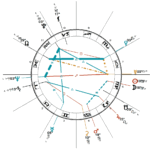
- September 22, 2026 (8:05 p.m. EDT): The exact moment of the September equinox. The Sun enters the astrological sign of Libra, and day and night achieve global equilibrium.
- October 9–12, 2026: EarthSpirit holds its annual Twilight Covening intensive spiritual retreat in the Berkshires.
- October 12, 2026: The monthly meeting of the Eastern Bioregional Society for Animal Theology (EBSAT) convenes via Zoom at 8:00 p.m. Eastern Time.
- October 25, 2026: EarthSpirit gathers for its annual Ancestor Ritual and Sacred Land Walk in western Massachusetts.
- October 30, 2026: The community observes its official Samhain Ritual at the Williamsburg Grange in Williamsburg, Massachusetts.
- December 1, 2026 (11:59 p.m. EST): Final submission deadline for Spellbound, the inaugural volume of the fantasy anthology series presented by Coreopsis Journal and Ukrainian artist Inna Vjuzhanina.
- December 19, 2026: EarthSpirit concludes its 2026 seasonal ritual calendar with its annual Yule celebration.
Supporting Data: The Science of Balance and the Great Avian Migration
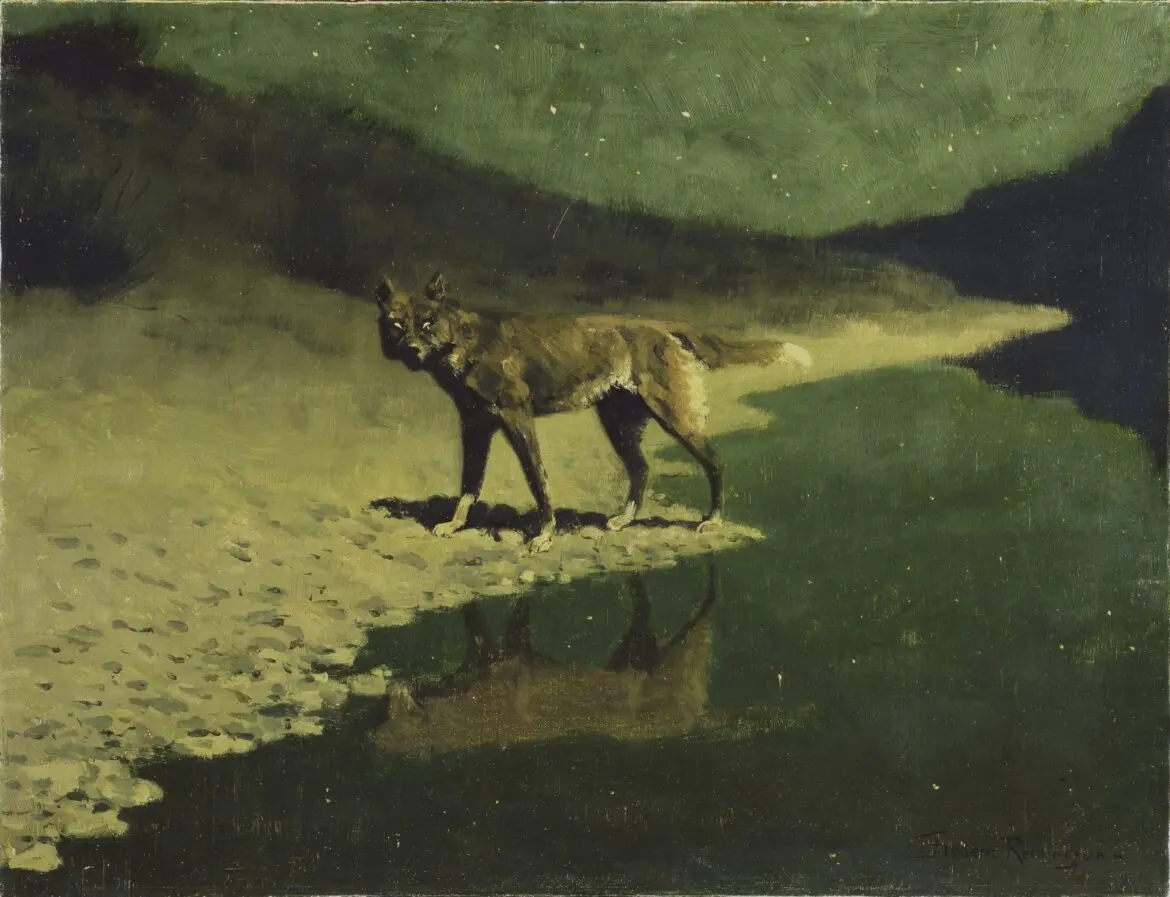
The mechanics of the equinox are rooted in Earth’s axial tilt. Tilted at approximately 23.44 degrees, Earth’s axis points neither toward nor away from the Sun during an equinox, placing our star directly above the equator. As Irish proverb writer-observers once noted of the season, "Autumn days come quickly, like the running of a hound on the moor," pointing to the rapid acceleration of dark hours in the north.
Simultaneously, the natural world responds to this shift with staggering biological momentum. Across North America, the autumn migration represents one of the largest movements of life on Earth. Spanning from late summer through December—with peaks in September and October—this migration features songbirds, waterfowl, shorebirds, and raptors journeying toward wintering grounds in Mexico, Central and South America, and the Caribbean. Because this migration follows the breeding season, autumn populations vastly outnumber those seen in the spring.
Data captured by BirdCast—a predictive migration forecasting project developed by the Cornell Lab of Ornithology and partner institutions using weather-surveillance radar—illustrates the sheer scale of this movement. On September 12 alone, models estimated that 321 million birds were actively migrating across the continental United States. Localized data is equally striking; nearly 1.4 million birds crossed the skies over King County, Washington, during a single night earlier in the month.
Other migratory species are moving in tandem with the birds. Monarch butterflies are making their epic journey toward central Mexican overwintering sites, caribou are traversing thousands of miles of northern wilderness, and humpback whales are abandoning the icy feeding grounds of Alaska for warmer breeding waters near Hawaii and Mexico.

Global Cultural Perspectives and Modern Pagan Observances
Around the world, the September equinox is marked by deep-seated traditions that honor the harvest, the ancestors, and the shifting of cosmic order:
- Astrological Balance: Astrologically, the Sun’s entry into Libra—symbolized by the scales of justice traditionally associated with the Titaness Themis—marks the only sign in the zodiac represented by an inanimate object, emphasizing balance, law, and equilibrium.
- Japan (Higan): In Japanese Buddhist tradition, the equinox falls within the period of Higan, meaning "the other shore." Families visit ancestral graves, make offerings, and reflect on impermanence, tying the setting western sun to Amida Buddha’s Pure Land.
- Poland (Dożynki): Rooted in agrarian history, traditional Polish harvest festivals celebrate the completion of the agricultural year with elaborate woven wreaths made of grain, fruit, and ribbons, followed by community feasting and music.
- Latvia (Miķeldiena): Marking the end of major autumn farm work, Michael’s Day integrates Christian tradition with older pagan folkways, honoring Jumis—a symbol of field fertility—through traditional dainas (folk songs), markets, and craft fairs.
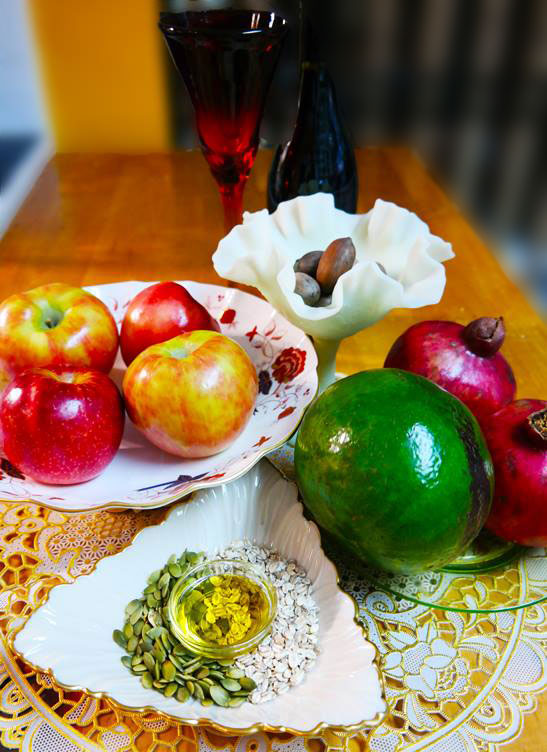
- Modern Paganism: In contemporary Western earth-centered traditions, the equinox goes by many names. Wiccans often observe Mabon or Harvest Home, Druids celebrate Alban Elfed, Heathens mark Winter Finding, and others refer to it simply as Mid-Harvest.
Historically, Early Modern English dialects in Scotland, northern England, and Ireland referred to the season as backend—the "back end" of the year—a term utilized by poets like Robert Burns before the word was co-opted by modern software development and business technology.
Official Responses and Conservation Appeals
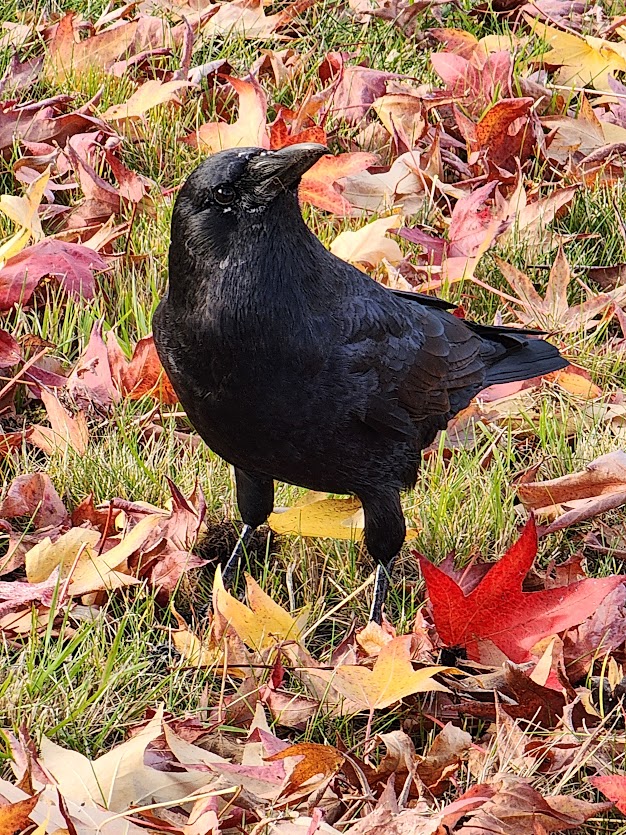
While the equinox is a time of celebration, it also brings critical environmental challenges, particularly for nocturnal wildlife. Ornithologists and conservationists emphasize that more than 80% of migratory bird species in the United States travel under the cover of darkness, navigating by the stars and the Earth’s magnetic field.
However, rapid urbanization and pervasive artificial light at night (ALAN) pose severe threats. Migrating birds are frequently disoriented and lured off-course by illuminated high-rises and commercial buildings, leaving them exhausted and highly susceptible to fatal window collisions.

In response, organizations like the Cornell Lab of Ornithology are intensifying calls for public participation in "Lights Out" initiatives. Conservation groups urge property managers, businesses, and homeowners to extinguish non-essential exterior and interior lighting from dusk until dawn throughout the peak migration window—particularly on nights when heavy movement is forecast by BirdCast tracking models.
Simultaneously, community cultural institutions are mobilizing their own schedules to engage the public during the seasonal shift. The EarthSpirit Community in western Massachusetts has officially released its robust autumn calendar, featuring its Autumnal Equinox Ritual and Sacred Land Walk, the annual Twilight Covening intensive retreat in the Berkshires (October 9–12), an Ancestor Ritual on October 25, and a Samhain gathering on October 30 at the Williamsburg Grange.
On the artistic front, international collaborations are celebrating the season through creative expression. Coreopsis Journal has announced an open call for submissions for Spellbound, the first volume of a three-part fantasy anthology inspired by The Coven, a series of paintings created by Ukrainian artist Inna Vjuzhanina in Zaporizhzhia. The project seeks fiction and poetry placing witches at the narrative center, offering priority reading pathways for Ukrainian writers and those displaced by conflict, with submissions closing on December 1, 2026.
Implications: Navigating the Seasonal Threshold
The convergence of the September 2026 equinox with massive ecological migrations and vibrant cultural revivals highlights humanity’s enduring entanglement with the natural rhythms of the planet.

From a practical standpoint, the intersection of urban light pollution and peak avian migration underscores the urgent need for municipal lighting ordinances and voluntary conservation efforts. Simple behavioral adjustments—such as flipping a switch to dark windows—can safeguard millions of migrating animals as they traverse human-dominated landscapes.
Culturally and spiritually, the equinox acts as a collective pause. Whether viewed through the lens of ancient agrarian gratitude, Buddhist ancestral remembrance, or modern ecological stewardship, the turning of the season invites individuals to confront the impending contraction of daylight with intention. As the natural world prepares for its dormant phase, the message of the equinox remains clear: balance is not a static state, but a dynamic, seasonal threshold through which all life must pass.