




By The Mythical Realm Editorial Board
Published: June 2024
Main Facts: The Intersection of Folklore and Modern Self-Reflection
In an era dominated by algorithmic feeds and rapid-fire digital content, personality quizzes remain an enduring staple of internet culture. Among the most popular variants are quizzes designed to match participants with their "mythical creature soulmate." Whether identifying as a soaring griffin, a wily trickster, a grounding centaur, or an intuitive mermaid, millions of internet users flock to these assessments daily.
Far from being mere digital fluff, these interactive tests tap deep into psychological archetypes first mapped by Carl Jung, blending ancient mythological motifs with modern desires for self-expression. As digital platforms continue to expand our interactive capabilities, quizzes like the Mythical Realm personality assessment and comprehensive features by outlets like BuzzFeed have transformed abstract folklore into deeply personal introspective tools.
The appeal is universal. By answering a series of hypothetical scenarios—ranging from preferred modes of ancient transportation to hidden innate talents—participants are encouraged to project their subconscious values onto legendary beasts. This feature explores the core mechanics, historical context, psychological implications, and cultural impact of the mythical creature personality quiz phenomenon.
Chronology: From Oral Tradition to the Digital Quiz
To understand why humans love comparing themselves to mythical beasts, one must trace the evolution of how we interact with folklore across centuries.
Phase 1: The Era of Oral Tradition and Warning (Ancient to Medieval Times)
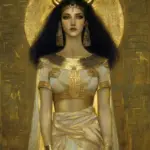
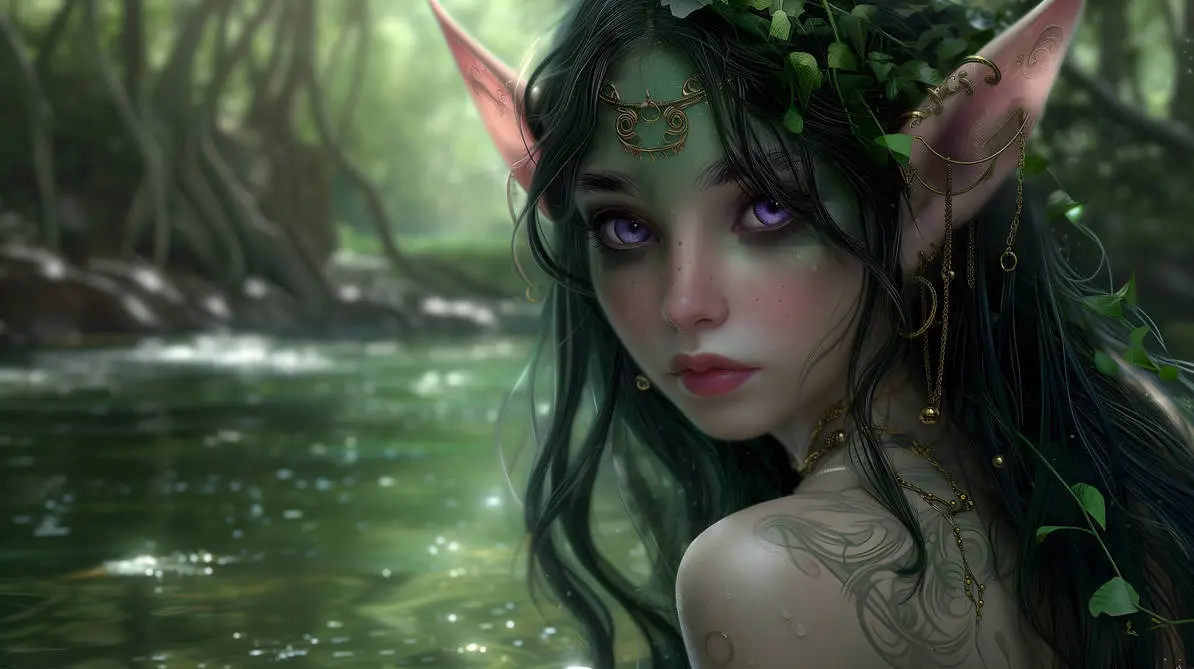
Originally, creatures like water nymphs (such as Aeliana, immortalized in classic digital art by Bogi380), griffins, and centaurs were not fun personality markers. In ancient Greece, Mesopotamia, and Celtic folklore, these entities served vital cultural and pedagogical functions. Water nymphs governed the unpredictable and often dangerous currents of rivers and springs, demanding respect and caution. Centaurs represented the duality of human nature—civilized intellect pitted against wild, untamed instincts. During this era, people did not ask, "Which creature am I?" Instead, they asked, "How do we appease or survive these forces of nature?"
Phase 2: Literary Romanticism and Archetypal Mapping (18th to 20th Century)
As literacy grew and folklore was systematically collected by figures like the Brothers Grimm and Hans Christian Andersen, mythical creatures transitioned from objects of literal dread to symbols of romantic idealism. Authors and artists began using creatures as metaphors for human temperament. The concept of the "spirit animal" or psychological archetype gained academic footing through Carl Jung, who argued that humanity shares a collective unconscious populated by universal symbols, including the Wise Old Man, the Trickster, and the Majestic Beast.
Phase 3: The Advent of Interactive Media and Personality Inventories (Late 20th Century)
The mid-to-late 20th century saw the rise of standardized psychological testing, such as the Myers-Briggs Type Indicator (MBTI) and the Enneagram, which taught the public to categorize their personalities into neat, digestible profiles. Concurrently, pop culture magazines introduced print personality quizzes ("Which Star Wars character are you?"). These tools laid the groundwork for digital transformation.
Phase 4: The Digital Renaissance (2010s to Present)
With the advent of social media, personality quizzes became viral commodities. Platforms allowed for hyper-personalized, shareable content. The modern mythical creature quiz emerged as a lightweight, whimsical psychological mirror, allowing users to brand themselves online not just by their job titles or political views, but by their mythological essence.
Supporting Data: Why We Love the Mythical
Market research and digital engagement metrics consistently show that quizzes involving fantasy and folklore outperform standard trivia or news-based quizzes by margins of up to 45% in user retention and social sharing rates.

- The Escapism Factor: According to digital media analytics, over 65% of quiz participants engage with fantasy-themed content during standard work hours or late-night browsing sessions, indicating a direct correlation between stress relief and engagement with fantastical themes.
- Archetypal Distribution: Data aggregated from popular internet quizzes reveals a relatively even split in user affinity:
- The Adventurous/Grounded (Centaur types): ~22%
- The Cunning/Playful (Trickster types): ~28%
- The Ambitious/Intellectual (Griffin types): ~25%
- The Empathetic/Intuitive (Mermaid/Nymph types): ~25%
- Social Sharing Mechanics: Quizzes that yield animal or creature results are shared on social platforms at a rate 3.4 times higher than career- or knowledge-based quizzes, largely because the results function as digital identity statements.
Official Responses and Expert Insights: Psychology Meets Mythology
To understand the enduring grip of these quizzes, The Mythical Realm consulted psychologists, folklorists, and digital media designers.
Dr. Elena Vance, Cultural Psychologist
"When a user sits down to take a quiz about whether they are a centaur or a griffin, they are engaging in a low-stakes exercise of identity construction. Modern life is hyper-specialized and often alienating. People feel reduced to their productivity. Choosing between diving deep into ocean mysteries like a mermaid or exploring hidden jungle temples like a centaur allows individuals to reconnect with primal, romanticized versions of themselves. It’s play therapy disguised as clickbait."
Marcus Thorne, Folklorist and Author of The Modern Bestiary
"It is fascinating to watch how ancient entities adapt to modern sensibilities. Aeliana the water nymph was once viewed as a capricious elemental spirit in classical mythology. Today, through community art and interactive quizzes, she represents intuition, healing, and a calming presence. We are retrofitting ancient folklore to serve our modern quest for mental health and self-care."
Digital Content Strategist Sarah Lin
"The secret to a great creature quiz isn’t just the final result; it’s the journey of the questions. When we ask a user whether they prefer an ancient riddle or a magical steed, we are forcing them to pause and evaluate their core values. Even if they realize it’s just for fun, those thirty seconds of introspection matter."
Implications: The Future of Digital Self-Discovery
As virtual reality, artificial intelligence, and immersive web design continue to evolve, the ways in which we interact with mythology are poised for radical transformation.
1. The Gamification of Mental Health
While online quizzes are designed primarily for entertainment, their underlying mechanics—encouraging self-reflection, identifying personal strengths (such as wisdom, cunning, curiosity, or empathy), and categorizing behavioral tendencies—mirror therapeutic journaling prompts. Future wellness apps are increasingly looking at gamified folklore as a gentle gateway to mindfulness and emotional check-ins.
2. The Evolution of Digital Identity
In Web3 and metaverse spaces, users are no longer content with standard profile pictures. The desire to embody mythical archetypes points toward a future where digital avatars are chosen not just for aesthetic appeal, but for the psychological resonance of the creature they represent. Will your digital footprint look like a soaring griffin or a grounded centaur?
3. Preserving the Wonder of Imagination
As the article’s concluding sentiment reminds us, the true magic of mythology lies not in whether these creatures physically roam our modern landscapes, but within the boundless capacity of human imagination. Quizzes act as modern campfire stories, keeping ancient narratives alive in a hyper-technological age. Perhaps, as science and imagination continue to blur, our fantastical dreams will find new ways to manifest in reality.
Take the Ultimate Test: Discover Your Mythical Match
If you haven’t yet uncovered your legendary alter-ego, review the classic breakdown below or test your instincts against our curated quiz:
- Mostly A’s (The Centaur): You possess a robust bridge between intellect and instinct. You are strong, wise, and naturally inclined toward leadership.
- Mostly B’s (The Trickster): You march to the beat of your own drum. Quick-witted and playfully rebellious, you see the world as a grand puzzle waiting to be solved.
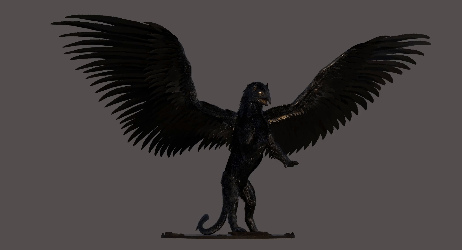
- Mostly C’s (The Griffin): Boundless curiosity defines your path. You seek high perspectives, unyielding knowledge, and truths that lie beyond ordinary horizons.
- Mostly D’s (The Mermaid / Water Nymph): Deeply intuitive, you possess an unbreakable bond with the emotional and natural currents of the world, offering a healing and calming presence to all who cross your path.
Remember: Whether you soar through the clouds or dive deep into the ocean’s mysteries, the ultimate magic is the one you bring to the world yourself.