By the Psychology Desk
Published: October 2023
Main Facts
We all carry baggage—it is an inescapable condition of human existence. The trials, triumphs, unresolved conflicts, and emotional residues of our past invariably shape our present state of mind, leaving subtle yet enduring traces in our unconscious. Because of this psychological tether, everyday triggers in our waking lives can easily spark memories from years gone by. One of the most common, yet deeply symbolic, manifestations of this phenomenon is the appearance of a bag, suitcase, or piece of luggage in our dreams.
Far from being random nighttime imagery, dream analysts, psychoanalysts, and modern psychological researchers suggest that bags serve as profound metaphors for our emotional health, personal responsibilities, identity, and life trajectory. Whether you find yourself dragging a heavy leather briefcase through an endless airport terminal or frantically packing a torn plastic bag before catching a train, the dream-world container holds a mirror up to your inner psyche. Decoding these symbols requires looking beyond the object itself and examining its weight, contents, material, and the emotions it evokes.
Chronology and Evolution of Dream Interpretation
To understand why bags hold such a prominent place in modern dream interpretation, we must examine how the symbolism of the "container" has evolved across psychological traditions:
- Early Psychoanalysis (Early 20th Century): Pioneering psychoanalysts like Sigmund Freud and Carl Jung began mapping the terrain of the unconscious. Jung, in particular, viewed the bag not merely as a storage vessel, but as a dynamic symbol of the libido—an energetic force constantly seeking new adventures, experiences, and pleasures. For Jungians, the bag became a metaphor for the self: a container holding the totality of an individual’s potential.
- Mid-Century Shift Toward Identity and Fashion: As societies modernized and consumer culture expanded through the mid-to-late 20th century, the cultural meaning of bags shifted. Psychologists and sociologists began recognizing the accessory as an extension of personal identity and social status. The briefcase, the handbag, and the schoolbag evolved into outward expressions of self-image, professionalism, and social roles.
- Modern Integrative Psychology (Present Day): Today, contemporary dream analysts synthesize psychoanalytic depth with somatic and emotional awareness. Rather than applying rigid, one-size-fits-all definitions, modern therapists examine bags as barometers of current stress levels, emotional regulation, and the delicate balance between holding on to necessary life lessons and shedding toxic past behaviors.
Supporting Data: The Anatomy of Dream Bags
To accurately decode what a bag signifies in a dream, one must analyze its physical characteristics and contents. The nuances of the dream object offer critical clues about the dreamer’s waking life.
1. The Weight and Characteristics of the Bag
- Heavy vs. Light: A heavy bag often symbolizes the crushing weight of other people’s expectations, unresolved trauma, or an excess of daily stressors. Conversely, a light bag indicates that the dreamer has accepted their past emotional baggage, processed it, and armed themselves with the knowledge necessary to move forward unhindered.
- Material Matter:
- Leather bags typically symbolize luxury, power, professional success, and a stabilizing sense of security or traditional values.
- Plastic bags often point toward a reckless lifestyle, disposability, deep-seated regret over past decisions, or the feeling of carrying an unmanageable burden without self-care.
- Trash bags represent buried, painful memories that need to be discarded, or a subconscious urge to purge toxic influences and clear the slate for a fresh start.
- Specific Types of Luggage:
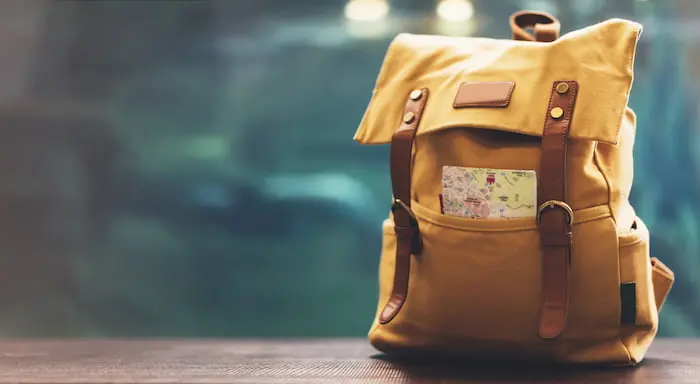
- Backpacks: Symbolize the adventurous spirit, childlike imagination, or the literal feeling of "carrying your life on your back."
- Briefcases: Reflect professional identity, accumulated knowledge, career ambition, and the serious management of responsibilities.
- Purses and Handbags: Historically linked to femininity, empowerment, financial stability, and the management of personal resources.
- Totes and Satchels: Often point to acute emotional burdens, secrets being kept, or private thoughts tucked away from public view.
2. Common Dream Scenarios
- Leaving a bag on a train: Signifies an impulsive desire to travel, leave a toxic life situation behind, or discard unwanted emotional weight.
- Losing your luggage: Indicates a feeling of being completely overwhelmed by life’s transitions, coupled with an inability to manage change or maintain personal organization.
- An empty suitcase: Points to an internal void—a psychological space that urgently needs to be filled with purpose, passion, or healing.
- A broken handle: Represents structural impediments in your waking life that are holding you back from achieving your goals.
Expert Insights and Psychological Perspectives
To gain a deeper understanding of these nocturnal visions, we look to psychological frameworks regarding how the mind processes stress and identity through symbolism.
"The bag is the vessel for carrying what one needs for their journey in life, but it is also a container—a metaphor for the self. The shape and color may change depending on where you are, but that doesn’t mean you should leave everything behind indiscriminately." — Insights from Depth Psychology
According to behavioral and cognitive specialists, dreams about unorganized or overflowing bags frequently correlate with chaos in a person’s waking life. When an individual struggles to organize the contents of a dream bag, it mirrors a cluttered mind—indecisiveness, scattered priorities, and a lack of emotional boundaries.
Furthermore, psychoanalytic theories highlight the bag as an eternal archetype. Particularly in relation to the feminine, bags have long symbolized the womb, nourishment, and the societal roles associated with caretaking, creation, and endurance. When a male dreamer interacts with a purse or feminine bag, Jungian analysts often point toward the integration of the anima—the unconscious feminine side of the male psyche.
Implications for Waking Life
What should you do if you wake up with vivid memories of packing, losing, or carrying a heavy bag? Experts suggest treating the dream not as a prophecy, but as an invitation to self-reflection.
- Assess Your Responsibilities: Are you taking on too much? If your dream bag was overly heavy, evaluate whether you are carrying burdens that rightfully belong to others.
- Audit Your Emotional State: Ask yourself what "baggage" you are refusing to process. Are past failures or toxic relationships dictating your present decisions?
- Seek Organization: Just as a well-packed suitcase brings order to chaos, taking time to organize your physical and mental space can alleviate feelings of anxiety and helplessness.
- Practice Letting Go: If your dream featured discarded items or light luggage, take it as a subconscious cue that it is time to release what no longer serves your personal growth.
Conclusion
Ultimately, the symbol of the bag in dreams is remarkably versatile and deeply personal. It serves as a psychological barometer measuring our stress, ambition, and emotional resilience. While life is undeniably full of figurative baggage, these dreams remind us that we hold the power to unpack, reorganize, and lighten our load. By paying attention to the specific context of our nocturnal visions, we can confront our responsibilities head-on and navigate the journey of life with greater clarity and purpose.