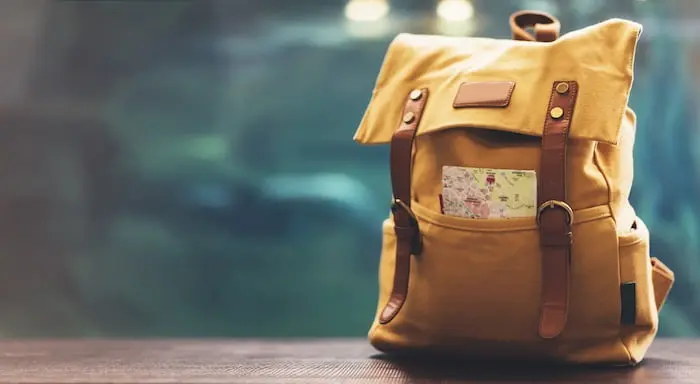
WASHINGTON — In the quiet hours of the night, when the conscious mind surrenders to sleep, the human psyche often constructs elaborate theaters. Among the most common yet deeply enigmatic motifs to populate these nocturnal narratives is the humble bag. Whether it is a battered leather briefcase, a bulging backpack, or an elusive suitcase left behind on a train platform, the imagery of luggage pervades human dreaming.
Far from being random static generated by the sleeping brain, psychologists, psychoanalysts, and dream researchers suggest that bags serve as profound metaphors for our waking lives. They encapsulate our responsibilities, our emotional baggage, our past traumas, and our journey toward self-actualization. To decode the dream bag is to decode the self.
Chronology of a Symbol: From Ancient Omens to Modern Psychoanalysis
The interpretation of dreams is as old as human civilization itself. Ancient societies—from the Mesopotamians to the Egyptians—viewed dreams as prophetic messages delivered by the divine. While specific mentions of "handbags" or "briefcases" are modern artifacts, the concept of the "vessel" or "container" has always held monumental symbolic weight.
The Early 20th Century: The Freudian and Jungian Revolutions
The modern framework for understanding dream symbols began to take shape in 1899 with the publication of Sigmund Freud’s The Interpretation of Dreams. Freud established the foundation that dreams are the "royal road to the unconscious," representing repressed desires and unresolved conflicts. Later, his contemporary and eventual rival, Carl Jung, expanded on these concepts, introducing archetypes and the collective unconscious.
- The Jungian Perspective: Jung viewed the bag or container not merely as a repository for secrets, but as a symbol of the libido—the psychic energy always seeking new adventures and pleasures. To Jung, the bag represents a vessel for carrying what one needs for the journey of life, serving simultaneously as a container and a metaphor for the self.
- The Mid-to-Late 20th Century: As consumer culture burgeoned, the types of bags humans carried multiplied—from school satchels to corporate briefcases. Dream analysts began mapping these specific cultural objects onto individual emotional states, linking the physical act of carrying objects to the invisible weight of mental health.
- The 21st Century: Today, sleep laboratories and psychological researchers utilize modern cognitive theories to view dreams as emotional simulations. The appearance of luggage or bags in contemporary dreams is widely studied as a direct manifestation of modern stress, decision fatigue, and the perpetual human quest for emotional organization.
Supporting Data: The Anatomy of the Dream Bag
To understand the macro-implications of these dreams, researchers analyze the micro-details. According to contemporary dream analysis frameworks, the physical characteristics of the bag dictate its psychological meaning.
- Weight: Heavy bags frequently correlate with the weight of others’ expectations, unaddressed trauma, or severe stress. Conversely, light or empty bags often symbolize emotional release, resolution, or a newfound readiness to move forward.
- Condition: A pristine leather bag denotes luxury, stability, and professional success, while a torn plastic bag or a broken handle points to feelings of vulnerability, reckless behavior, or structural obstacles in the dreamer’s waking life.
- Contents: The items stored within—ranging from money and rice to trash and snakes—act as direct barometers for the dreamer’s current preoccupations, ranging from financial anxiety to a desperate need for personal reinvention.
Categorical Breakdown: Types of Bags and Their Psychological Significations
Different vessels carry different symbolic messages. Analysts categorize dream bags into distinct typologies:
1. Professional and Structured Bags
- The Briefcase: Symbolizes the accumulation of knowledge, professional identity, and the heavy demands of career progression. It often reflects a sense of authority or, conversely, the stress of corporate responsibility.
- The Leather Bag: Represents luxury, security, and a strong sense of self-identity. It points to traditional values and a feeling of grounded stability.
2. Casual and Utility Bags
- The Backpack: The ultimate symbol of the adventurer. It indicates that the dreamer is "carrying their life on their back," pointing to resilience, youthful creativity, or the willingness to face unknown obstacles.
- The Duffle Bag: Reflects physical presence, raw inner attitudes, or an excess of physical possessions and temporary states of transience.
- The Tote Bag: Directly points to emotional burdens and the heavy interpersonal problems weighing on the individual at the current moment.
- The Satchel: Represents the hidden corners of the mind, often signaling that the dreamer is protecting a secret or carrying a quiet, compelled burden.
3. Disposable and Household Bags
- The Plastic Bag: Often indicative of a reckless lifestyle, emotional disposability, or profound regret regarding past decisions paired with anxiety about the future.
- The Trash Bag: Symbolizes buried memories that were too painful to process at the time, or a subconscious urge to purge toxic elements and clear out mental clutter.
- The Grocery Bag: Points to the dreamer’s need for constant reassurance, caretaking responsibilities, or the feeling that daily life has become an overwhelming chore.
4. Unique Contents
- A Bag of Money: Signifies a feeling of resourcefulness, success, and having the necessary tools to navigate life’s challenges.
- A Bag of Rice or Popcorn: Rice often indicates deep-seated insecurity and vulnerability, while popcorn may suggest an attempt to juggle too much at once or an urgent need to slow down and enjoy life.
- A Snake in a Bag: A potent symbol of transformation. Just as a snake sheds its skin, this dream indicates an ongoing struggle to shed bad habits, conquer trials, and step into a renewed phase of life.
Common Scenarios and Behavioral Implications
How a dreamer interacts with luggage provides crucial insights into their waking-life behaviors and coping mechanisms:
- Leaving a Bag on a Train: Indicates impulsiveness, a desire to travel, or a subconscious readiness to cut ties with a toxic life situation.
- Losing a Bag: Points to feeling utterly overwhelmed by life’s changes, signaling potential burnout or avoidance of personal responsibilities.
- Stuck or Unmanageable Bags: When a dreamer cannot lift or open a bag, it reflects an inability to process a distressing memory or a lack of readiness to confront an uncomfortable truth.
- Storing a Bag: Demonstrates emotional compartmentalization—acknowledging a problem but deliberately setting it aside until a more opportune time to address it arrives.
Official Perspectives from Mental Health and Sleep Experts
While pop psychology often attempts to assign rigid, fortune-cookie definitions to dreams, licensed psychotherapists and sleep researchers offer a more nuanced, individualized perspective.
"Dreams are not a encrypted code with a static answer key; they are a personalized language," explains Dr. Elena Vance, a clinical psychologist specializing in sleep-disorder behaviors. "When a patient reports recurring dreams of heavy luggage, we don’t immediately look up what a suitcase means in a manual. Instead, we ask: What are you carrying that you are tired of holding? The bag is simply a canvas upon which the sleeping brain projects waking fatigue."
Neuroscientists echo this sentiment, emphasizing that Rapid Eye Movement (REM) sleep serves as an emotional clearinghouse. During REM sleep, the amygdala (the brain’s emotional center) fires intensely, helping process complex feelings. The visual metaphor of a bag allows the brain to organize chaotic daytime stressors into a neat, tangible package—even if that package feels entirely too heavy to carry.
Broader Implications: Navigating Modern Stress
The persistence of the "bag dream" across diverse demographics speaks to a universal human condition: the inescapable nature of responsibility. In an era defined by hyper-connectivity, economic uncertainty, and relentless productivity demands, modern humans carry more invisible weight than ever before.
Experts suggest that analyzing these dreams can serve as a powerful therapeutic tool. Rather than dismissing a startling dream about a broken suitcase or a lost purse, individuals can use these nocturnal visions as diagnostic mirrors.
Ultimately, the universal message delivered by the dream bag is one of agency. Life is inherently full of baggage, but as dream analysts note, the bag is ultimately under the dreamer’s control. Whether one chooses to unpack, lighten the load, or store the burdens for another day, the power to organize the contents of one’s mind remains entirely in the hands of the bearer.