








Main Facts: The Phenomenon of the Reptilian Dreamscape
When an alligator breaches the surface of the nocturnal mind, the experience is rarely passive. It arrives with a visceral jolt—the snap of heavy jaws, the cold slide of scaled skin, and the oppressive weight of murky, prehistoric waters. Across cultures, epochs, and psychological frameworks, reptiles occupy a unique real estate in the human psyche. They are living fossils, virtually unchanged by millions of years of evolution, making them potent vessels for humanity’s most ancient and unyielding emotions.
Recent explorations into sleep psychology and psychoanalytic dream interpretation suggest that dreaming of an alligator is rarely about the animal itself. Instead, it serves as a sophisticated neurological shorthand for emotional turbulence, hidden threats, unaddressed interpersonal conflicts, and raw survival instincts.
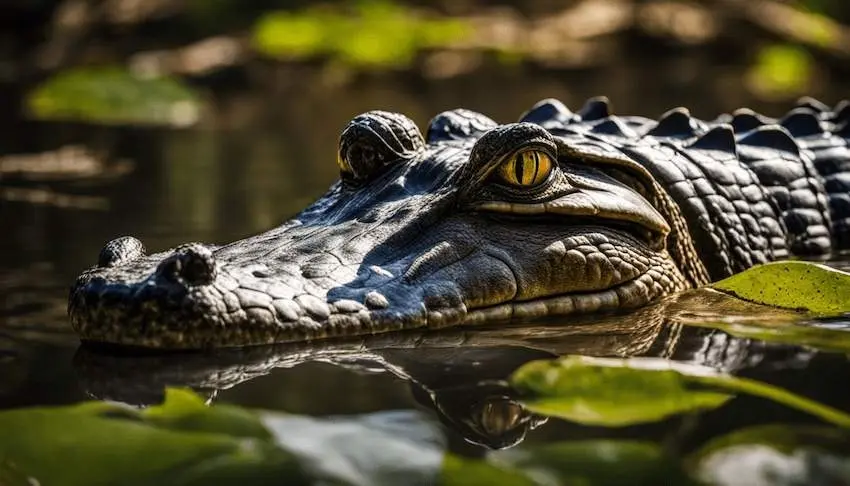
At its core, an alligator dream forces the dreamer to confront the dichotomy between the conscious self and the hidden subconscious. Whether the creature is lurking silently just beneath the water’s surface, launching a ferocious attack, or resting peacefully in the distance, the scenario acts as a diagnostic mirror for the dreamer’s waking life. It highlights areas of vulnerability, suppressed anger, and existential anxiety that demand immediate attention.
Chronology: The Evolution of Dream Analysis and Reptilian Symbolism
To understand why modern individuals still wake up in a cold sweat after dreaming of an alligator, one must examine the historical trajectory of how humanity has interpreted dream symbols over millennia.
Ancient Roots and Mythological Foundations
Long before the advent of modern psychology, ancient civilizations looked to reptiles as gods, guardians, and cosmic disruptors.
- The Ancient Egyptian Paradigm: In the mythology of the Middle Kingdom, the crocodile god Sobek reigned supreme over the Nile. Sobek embodied a terrifying duality: he was both a destroyer who brought sudden death in the river’s depths and a creator god whose presence ensured the fertility of the land. For the ancient Egyptian, encountering a large reptilian entity in a vision or dream was a reminder of the delicate balance between chaos and order, destruction and rebirth.
- Indigenous and Folkloric Traditions: Across various global traditions, alligator and crocodile archetypes have consistently represented ancient wisdom, patience, and boundaries. They are creatures of ambush—patiently waiting for the right moment to strike—which historically translated in folklore to warnings about hidden enemies or treacherous social landscapes.
The Rise of Psychoanalysis (Late 19th to Mid 20th Century)
As humanity transitioned from mystical interpretations to scientific inquiry, dream analysis shifted toward the internal architecture of the human mind.
- Sigmund Freud’s Drive Theory: Freud posited that dreams are the royal road to the unconscious, serving as outlets for repressed desires, unfulfilled wishes, and pent-up aggressive impulses. In a Freudian context, the predatory, voracious nature of an alligator can symbolize raw, untamed libidinal energy, suppressed sexual frustrations, or aggressive instincts that the conscious mind refuses to acknowledge in waking hours.
- Carl Jung’s Archetypal Psychology: Jung expanded the scope of dream interpretation by introducing the concepts of the collective unconscious and the "shadow self." To Jungian analysts, an alligator in a dream represents the shadow—those disowned, hidden, or repressed parts of the personality that the conscious ego finds unacceptable. By confronting the alligator, the dreamer is metaphorically forced to integrate these darker, primal aspects of the self to achieve psychological wholeness.
Supporting Data: Alligator Dream Scenarios and Their Clinical Interpretations
To provide a clearer picture of how these nocturnal visions manifest, sleep researchers and dream analysts categorize alligator dreams into specific scenarios. Each scenario carries a distinct psychological implication regarding the dreamer’s waking state.
| Dream Scenario | Potential Psychological Meaning |
|---|---|
| Being attacked by an alligator | Facing acute verbal attacks, harsh criticism, or an overwhelming, threatening situation in waking life. |
| An alligator eating something | Consumption of the dreamer’s thoughts; obsessive worries about an unresolved issue that demands closure. |
| Attacking an alligator | Standing up against a bully, pushing back against verbal assault, or finding the courage to face deep-seated fears. |
| Dreaming of a baby alligator | New beginnings, creative projects, or the necessity of developing resilience in the face of minor challenges. |
| Navigating alligator-infested waters | Heightened anxiety and fear of potential criticism rather than actual threats; lingering, neglected issues. |
| An alligator beneath the surface | Subconscious warning signs; emerging hidden anxieties and unrecognized components of the shadow self. |
| A dead alligator | The peaceful or abrupt conclusion of a conflict; the symbolic death of a self-destructive habit or unserving lifestyle choice. |
| Alligators fighting another animal | Manifestation of an intense inner conflict; forcing the dreamer to evaluate whether they are acting as the aggressor or the victim. |
| Escaping an alligator attack | Successfully overcoming, removing oneself from, or breaking free of a toxic relationship or high-stress environment. |
| Seeing an alligator from a distance | Awareness of a known but willfully unaddressed threat or pending problem in waking life. |
Official Perspectives: Psychological and Spiritual Insights
Modern mental health professionals, Jungian practitioners, and spiritual guides offer complementary frameworks for understanding why the human brain conjures these scaly predators during REM sleep.
The Jungian Perspective: Integration of the Shadow
From a clinical and depth-psychology standpoint, the alligator is an embodiment of the unconscious mind pushing its way into waking awareness. Dr. Joshua Burkhart, a specialist in active imagination and dream work, notes that symbols like the alligator cannot simply be brushed aside as random neurological noise.
"When an individual dreams of an alligator, the psyche is utilizing a prehistoric archetype to bypass waking rationalizations," explains a leading contemporary dream researcher. "The armor-plated skin and crushing jaws represent psychological defenses. The murky water represents the unconscious. When the creature surfaces, it is an urgent plea from the psyche to look at what has been buried, ignored, or repressed."
The Freudian Lens: Aggression and Primal Urges
Freud’s structural model of the mind views the alligator as a manifestation of the Id—the primitive, instinctual component of personality that operates on the pleasure principle. When modern individuals suppress their anger, ambition, or territorial instincts in polite society, those energies do not simply vanish. Instead, they transform in the dream state into formidable predators. An alligator lunging from the riverbank can signify that the dreamer’s repressed aggressions are threatening to break containment.
The Spiritual and Shamanic Viewpoint
Beyond clinical psychology, spiritual practitioners view alligator dreams through the lens of personal transformation and spiritual awakening. In shamanic traditions, animal guides appear to teach vital lessons. The alligator, as an animal that bridges land and water (the conscious and the unconscious), teaches endurance, adaptability, and the necessity of shedding emotional dead weight. Spiritual teachers often emphasize that the alligator does not attack out of malice, but out of instinct; therefore, encountering one in a dream is an invitation to examine where one is acting purely out of defensive instinct rather than conscious choice.
Implications: Transforming Nightmares into Tools for Self-Discovery
The ultimate value of analyzing an alligator dream lies not in prophetic prediction, but in psychological synthesis. When individuals decode the hidden messages behind these nocturnal encounters, several profound implications emerge for personal development and emotional healing.
1. Proactive Conflict Resolution
Many dreamers report seeing alligators when they are avoiding difficult conversations or postponing crucial decisions. The alligator beneath the surface serves as a metaphor for brewing tensions. The implication is clear: unaddressed problems do not resolve themselves with time; they grow larger, more powerful, and harder to escape in the murky waters of the subconscious. Addressing conflicts while they are still manageable prevents an emotional eruption later.
2. Cultivating Emotional Resilience
Alligators are the ultimate survivors, having outlived the dinosaurs through sheer adaptability and raw power. When humans contemplate these creatures in their sleep, it triggers an internal inventory of their own resilience. Am I the predator in my career and relationships, or do I feel like helpless prey? Answering this question helps individuals rebalance their personal power dynamics, fostering fortitude in the face of life’s adversities.
3. Harnessing Dream Journaling for Introspection
To extract practical value from these intense experiences, psychological experts recommend active engagement through dream journaling. When waking from an alligator dream, individuals are encouraged to ask themselves targeted reflective questions:
- What specific emotion did I feel when I first saw the alligator—pure terror, fascination, or anger?
- What area of my waking life currently feels like "murky water" where I cannot see what is coming next?
- What parts of myself am I keeping hidden beneath the surface out of fear of judgment?
By systematically addressing these prompts, dreamers can transform a terrifying nocturnal visitor into an invaluable catalyst for self-awareness, emotional maturation, and profound personal transformation.