Main Facts: What Do Bats Actually Represent in the Subconscious?
For centuries, bats have captured the human imagination, bridging the gap between daylight rationality and the mysterious, unpredictable realm of the night. In the modern landscape of oneirology—the scientific and psychological study of dreams—dreaming about bats rarely points to mere superstition. Instead, contemporary depth psychology, psychoanalytic theory, and modern wellness frameworks suggest that bats serve as profound messengers from our unconscious mind.
At their core, dreams featuring bats are rarely about the physical animal itself. Rather, they function as powerful metaphors for deep personal transformations, suppressed anxieties, shadow work, and the awakening of hidden intuition. Because bats navigate completely in pitch darkness using echolocation, dream analysts frequently associate them with our own human capacity to find our way through uncertainty, fear, and periods of profound psychological transition.
To unpack a bat dream is to embark on a journey inward. Whether a single black bat flutters across your sleeping mind or a swarm invades your domestic living space, these nocturnal creatures are urging the dreamer to confront what has long been ignored. Far from being simple harbingers of misfortune, bats act as catalysts for psychological rebirth, pushing us to shed outdated identities and step boldly into the light of self-awareness.
Chronology: The Evolution of Bat Symbolism From Ancient Myth to Modern Psychology
To fully understand why bats populate our dreams today, it is helpful to trace how human perception of these mammals has evolved over millennia.
Ancient and Folklore Interpretations
Historically, bats occupied a dualistic space in human culture. In various Mesoamerican traditions, such as among the Zapotec and Maya, the bat god was associated with the underworld, but also with birth, transformation, and fertility. Conversely, in many Western European folklores, bats were heavily stigmatized, largely due to their nocturnal habits, silent flight, and association with caves. These historical anxieties laid the groundwork for popular cultural tropes linking bats exclusively to darkness, danger, and the supernatural.
The Rise of Psychoanalysis (Early 20th Century)
As the field of psychology emerged through figures like Sigmund Freud and Carl Jung, the interpretation of dreams shifted from prophetic divination to an internal diagnostic tool. Jung, in particular, emphasized the concept of the "collective unconscious" and archetypes. Within this framework, nocturnal animals that navigate without sight became prime symbols for the unconscious mind—the realm of thoughts, memories, and urges that operate outside of our daily waking awareness.
Modern Integrative Wellness and Shadow Work (Present Day)
In contemporary therapeutic spaces, dream analysis has merged with mindfulness and personal development paradigms. Concepts like "shadow work"—popularized by Jungian psychology—encourage individuals to integrate the rejected, hidden, or unacknowledged parts of their psyche. Today, wellness experts and somatic therapists view bat dreams not as bizarre anomalies, but as timely alerts from the nervous system, signaling that an individual is mentally and emotionally ready to undergo deep personal transformation.
Supporting Data and Psychological Frameworks
While dream interpretation is inherently qualitative, modern psychological research into sleep, symbolism, and anxiety offers compelling frameworks for why our minds generate these specific nocturnal images.
According to sleep researchers, Rapid Eye Movement (REM) sleep is the primary stage during which emotional processing and memory consolidation occur. When an individual is undergoing chronic stress, avoiding a difficult conversation, or repressing emotional trauma, the brain utilizes vivid animal metaphors—such as bats—to visualize these abstract internal pressures.
The Element of Fear: Psychological studies on avoidance behavior show that unaddressed anxieties do not disappear; they manifest physically and symbolically. The bat’s preference for dark, hidden spaces mirrors how humans store unresolved trauma and regret.
The Metaphor of Echolocation: In biology, bats use sound waves to map environments where sight is useless. In cognitive mapping, dreaming of a bat often correlates with a person relying on their "gut feeling" or intuition when navigating ambiguous real-world scenarios—such as a career pivot or a turbulent relationship.
Frequency of Night Terrors and Stress Responses: Data from sleep clinics indicate that individuals undergoing major life transitions (divorce, career changes, bereavement) report higher frequencies of nocturnal animal dreams, with bats ranking high among symbols representing "the unknown."
Expert Perspectives and Therapeutic Responses
To gain a clinical perspective on why bats appear in dreams, we turn to psychotherapists and holistic wellness practitioners who specialize in shadow work and dream analysis.
Dr. Elena Vance, a somatic psychologist specializing in trauma recovery, explains that dreams of bats are frequently reported by patients who are on the verge of a breakthrough.
"When a client comes in reporting recurring dreams of bats flying around their head or clinging to the walls of their home, it is rarely a sign of literal danger," Dr. Vance notes. "Instead, it indicates that the conscious mind is finally becoming aware of repressed material. The bat is the psychological courier, bringing unacknowledged fears out of the cave of the unconscious and into the light of day."
Holistic transformation coaches similarly emphasize the adaptive nature of these dreams. Rather than reacting with fear to a dream encounter with a bat, practitioners advise clients to examine the context of the dream. Are the bats aggressive, or are they simply present? Are they trapped inside a house, or soaring freely at dusk?
Official therapeutic responses to these dreams uniformly encourage curiosity over panic. Journaling, active imagination exercises, and cognitive reframing are standard tools recommended to help individuals decode the specific message their subconscious is trying to deliver.
Detailed Scenarios: Decoding Specific Bat Dream Encounters
Context is everything in dream analysis. The behavior, color, and interaction of the bat drastically alter the psychological meaning behind the vision.
1. An Invitation to Face Your Fears
Bats inhabit dark places and unknown challenges, perfectly mirroring our hidden worries and anxieties. Seeing bats in a dream often indicates you are subconsciously preparing to confront old fears or unpleasant truths you have tried to ignore. This is a direct call to engage in deep "shadow work"—acknowledging the repressed aspects of yourself to begin a true journey toward healing.
2. Hidden Issues Coming to Light
Because bats are creatures of the night, they represent what we keep locked away from conscious awareness. If you dream of bats, it may suggest that unresolved issues from your past—such as lingering regrets or old heartbreaks—are demanding your attention. It is time to deal with these lingering shadows rather than letting them quietly drain your energy.
3. Rebirth and Renewal
Just as bats emerge safely from the darkness of caves at dusk to explore the night, seeing them in your dreams symbolizes the need to let go of old habits and step out of your own metaphorical cave. This scenario invites you to embrace personal transformation eagerly, shedding identities and behaviors that no longer serve your highest good.
4. Representation of the Shadow Self
Encountering a bat touches the deepest layers of our inner world. It highlights the darker, less polished sides of our personality that we often hide from society. While facing this shadow self can feel uncomfortable, accepting all facets of who you are unlocks authentic wisdom, inner power, and lasting self-compassion.
5. Awakening Intuition and Esoteric Knowledge
Bats possess an innate, misunderstood ability to navigate total darkness with absolute ease. Dreaming of them suggests that you are ready to explore unseen truths and trust your inner guidance. It is a gentle reminder from your psyche to listen closely to your quiet intuition rather than relying solely on external logic.
6. Misunderstanding and Identity Struggles
Shrouded in cultural myths and unfair negative stereotypes, bats mirror our own internal struggles with public perception versus authentic identity. Are you grappling with how others view you versus who you truly know yourself to be? This dream encourages you to embrace your unique qualities and let them shine, even if it requires dispelling a few personal myths along the way.
Specific Scenarios Explored
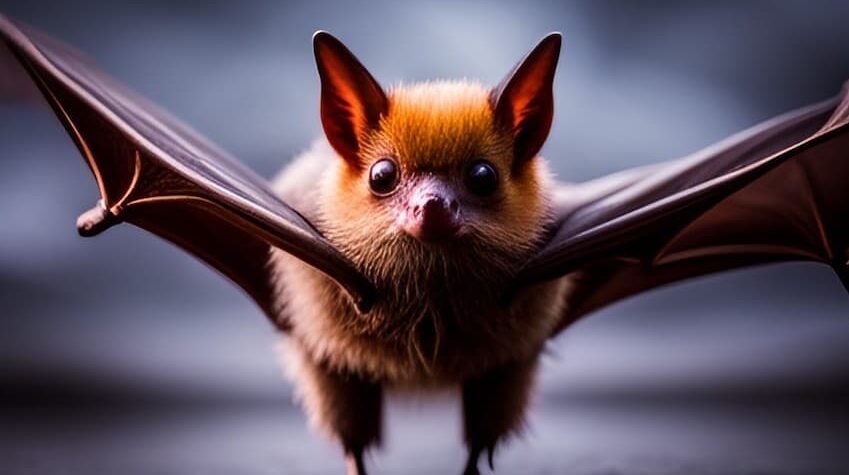
The Black Bat: A black bat flying around you typically symbolizes persistent, nagging thoughts or worries that you refuse to face. Conversely, it can also point to dormant, powerful personal potential waiting for the right moment to manifest.
A Bat Biting Your Hand: This points directly to external influence. A bat biting your hand suggests that someone in your waking life is exerting too much control over your decisions or stealing your peace of mind. It serves as a prompt to establish firm personal boundaries.
Bats Attacking You: An attack by bats indicates severe energy drainage. You may be surrounded by "energy vampires" who deplete your emotional reserves. It is a psychological warning to protect your well-being and refocus on what truly matters to your spirit.
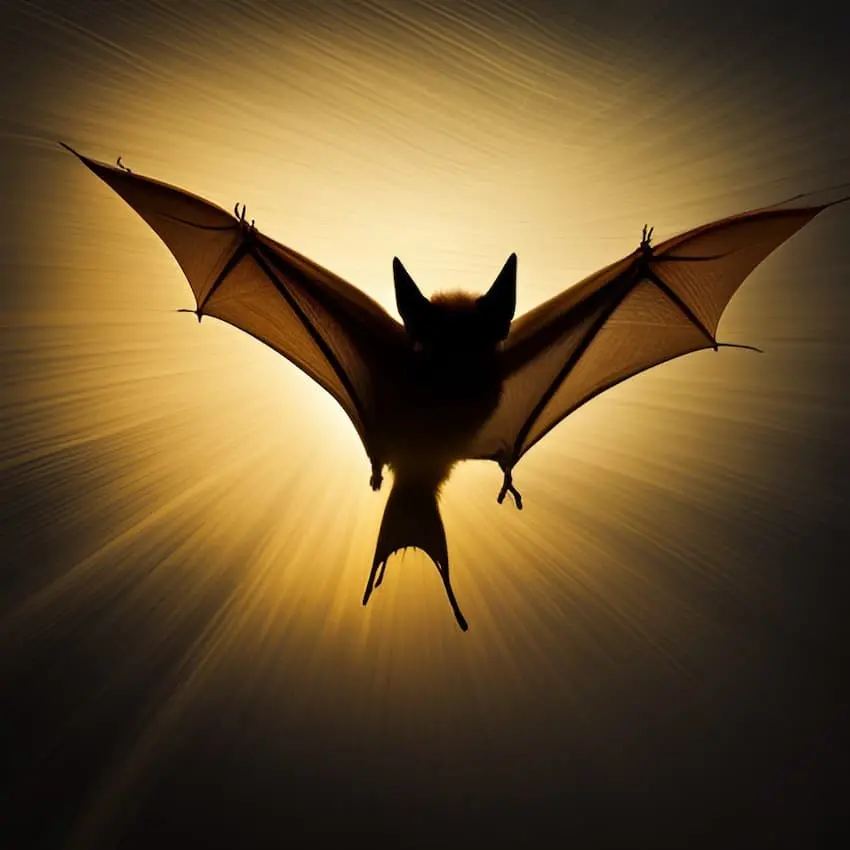
Bats Hanging Upside Down: This unique physical posture encourages a total shift in perspective. If you see bats hanging upside down, your mind is urging you to look at a pressing real-world issue from the exact opposite angle to find a breakthrough solution.
Bats Inside the House: Finding bats within your living space represents a profound invitation to embrace domestic or internal change. It signals a need to transition into a new life phase, clean house emotionally, and move far outside your comfort zone.
Implications: What to Do After Dreaming of Bats
Understanding the symbolism of bat dreams is only the first step. The true value lies in how you integrate these insights into your waking life.
1. Engage in Reflective Journaling
Upon waking from a bat dream, immediately write down every detail you can recall. Ask yourself crucial introspective questions:
What areas of my life am I currently avoiding out of fear?
Who or what is currently draining my emotional energy?
What outdated habits am I ready to leave behind in the "cave"?
2. Cultivate Boundaries and Self-Trust
If your dream featured aggressive bats or bites, evaluate your interpersonal relationships. Take stock of where you are giving away your power and implement necessary boundaries to protect your mental health.
3. Embrace the Transition
Change is rarely comfortable, but bat dreams remind us that humanity—much like the bat—is equipped with an innate internal radar. By trusting your intuition, facing your shadow self, and stepping boldly out of the darkness of avoidance, you can transform periods of uncertainty into your greatest catalysts for personal growth.