





By The Mythical Realm Editorial Board
Published: Special Feature
Main Facts: The Intersection of Folklore and Modern Psychology
For centuries, humanity has sought to understand itself through the lens of the fantastic. From the ancient Greek pantheon to Celtic folklore, mythical beasts have served as mirrors for human nature, embodying our deepest fears, highest aspirations, and most complex personality traits. In the digital age, this ancient tradition has evolved into a modern cultural staple: the mythical creature personality quiz.
Recent viral engagement metrics across platforms like The Mythical Realm and BuzzFeed highlight an insatiable global appetite for interactive self-discovery exercises that categorize participants into legendary archetypes. Whether users identify as the earth-bound, wise Centaur, the sharp-witted Trickster, the soaring, knowledge-seeking Griffin, or the deeply intuitive Mermaid, these digital questionnaires offer more than mere entertainment. They represent a sophisticated intersection of modern psychological self-reflection, digital folklore, and community-building.
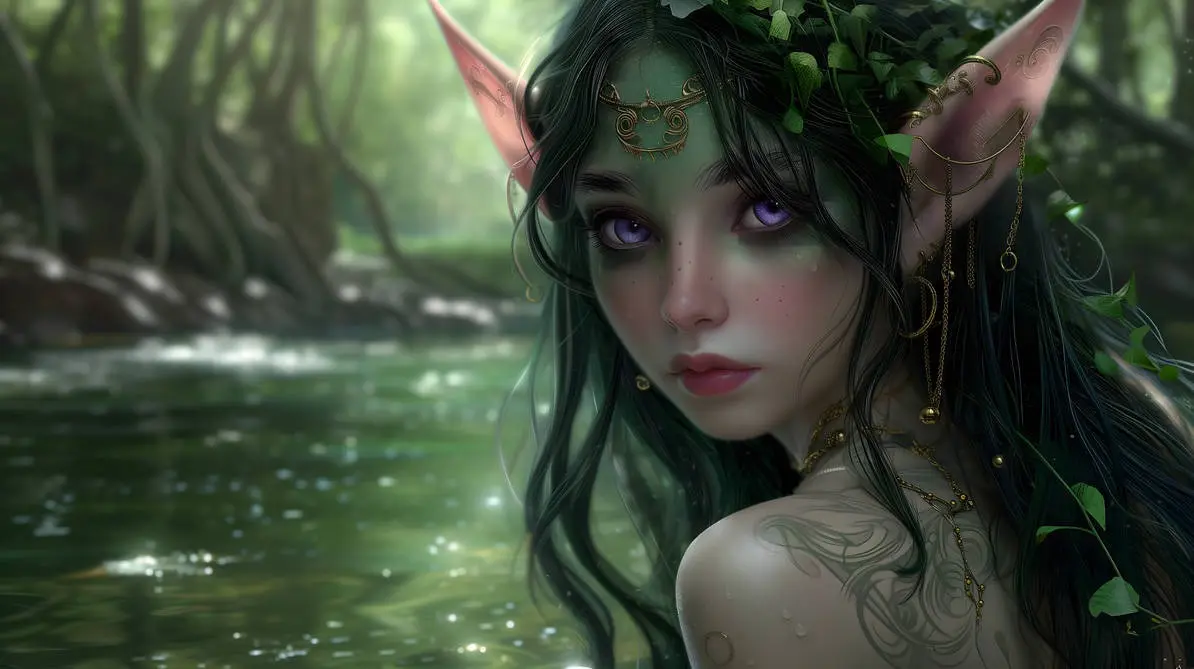
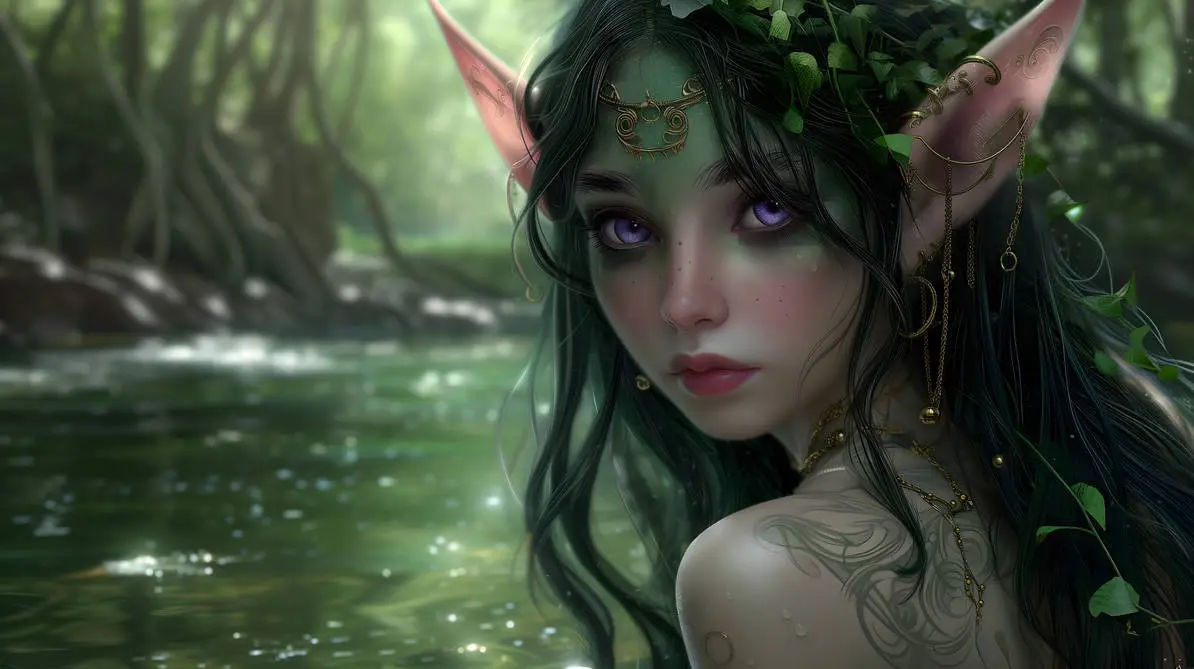
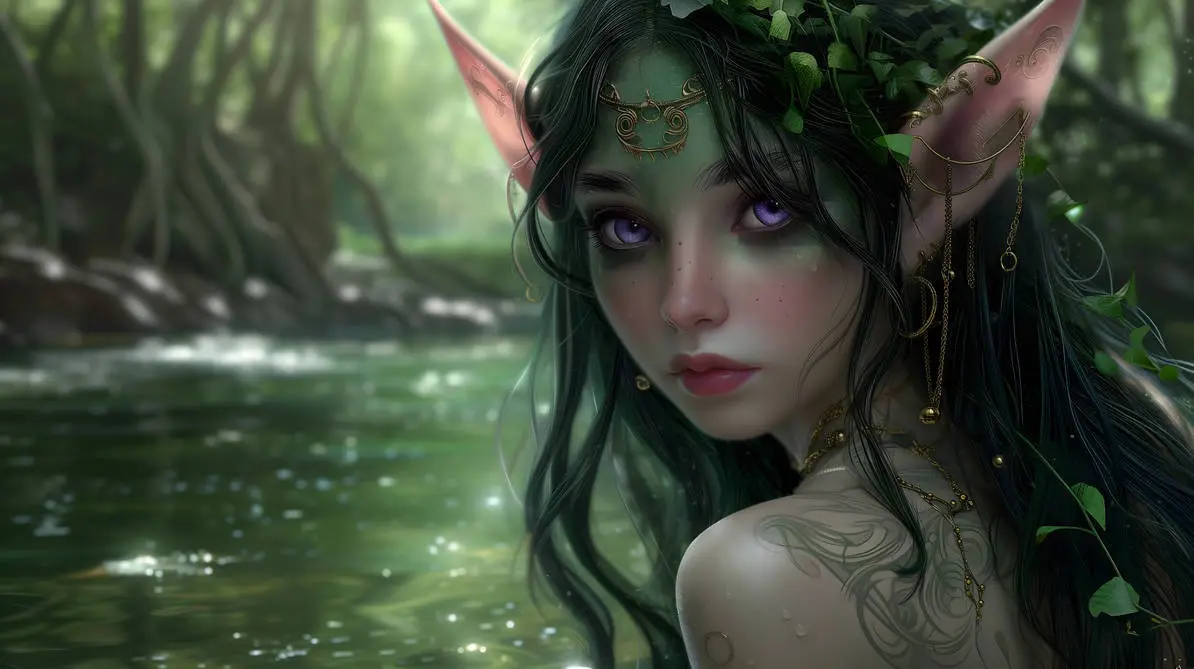
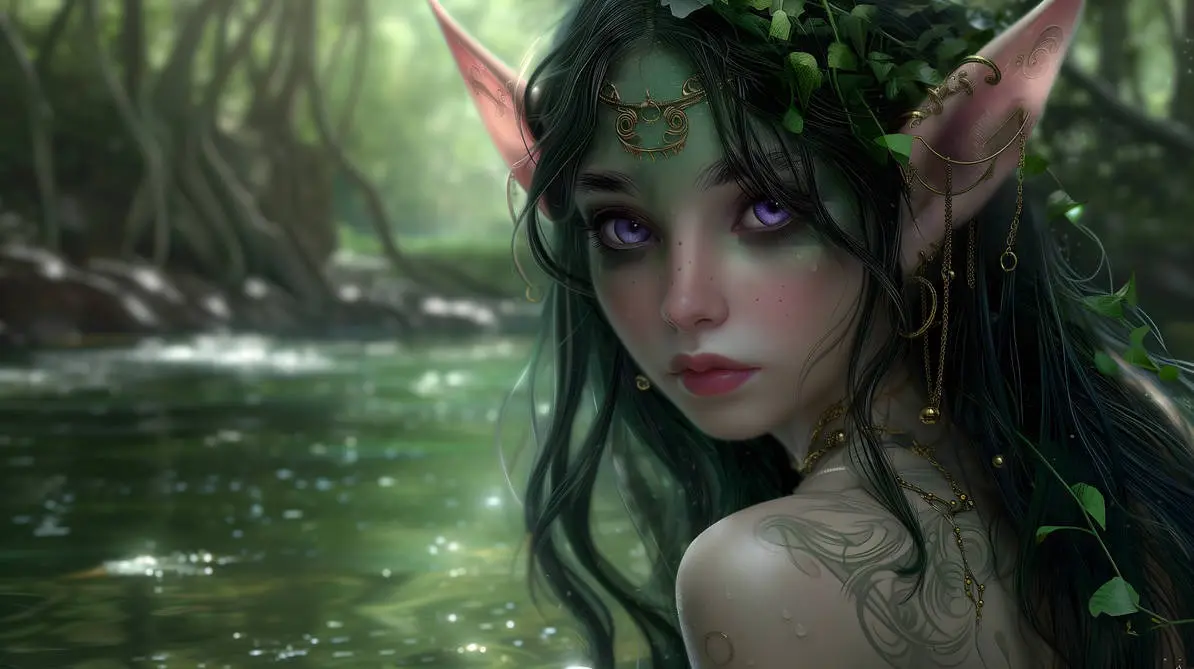
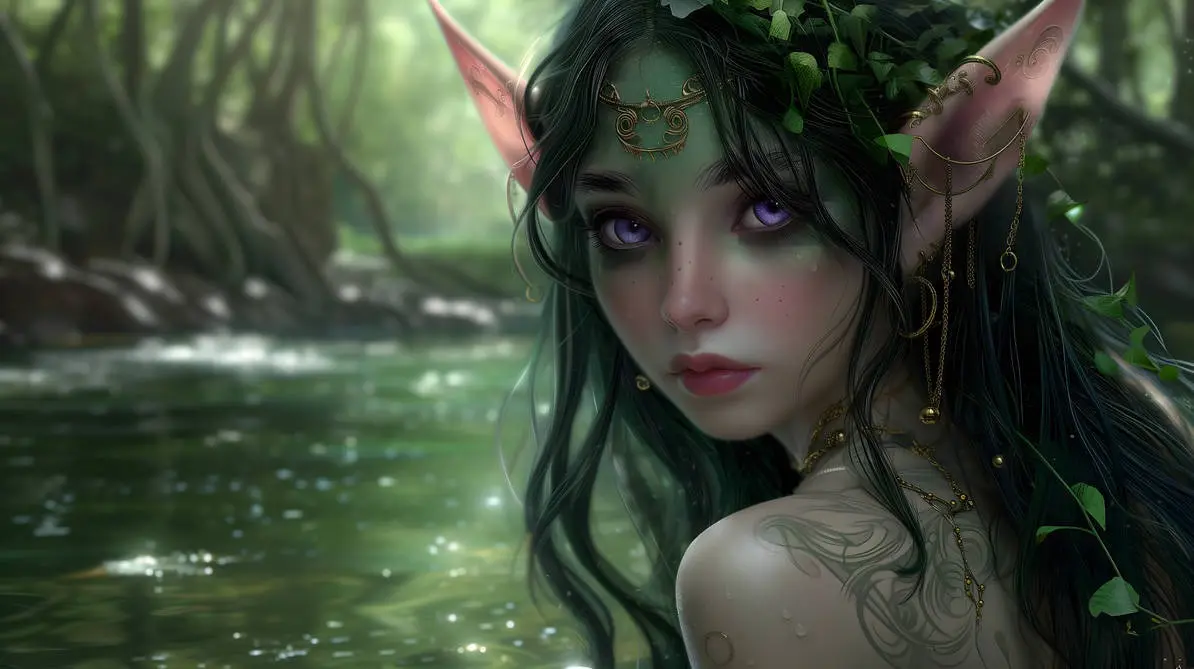
While these quizzes are designed for amusement, psychologists note that they fulfill a fundamental human need for narrative identity construction. By aligning one’s internal traits with fantastical creatures—such as Aeliana, the serene water nymph immortalized in digital fantasy art by creator Bogi380—participants engage in a playful form of introspection that bridges the gap between everyday reality and mythological wonder.
Chronology: From Oral Tradition to Digital Interactive Media
To understand the popularity of modern mythical creature quizzes, one must trace the evolution of how humans interact with folklore.
- Pre-Modern Era (Oral and Written Tradition): Mythical creatures existed primarily as cautionary tales, religious symbols, or explanations for natural phenomena. Societies categorized individuals based on lineage, tribe, or astrological signs rather than personal fantastical archetypes.
- The 20th Century (Literary Archetypes): The rise of fantasy literature, spearheaded by authors like J.R.R. Tolkien, C.S. Lewis, and later J.K. Rowling, transformed mythical creatures from background lore into primary drivers of identity. Fans began identifying with specific races, houses, and magical alignments.
- The Early Internet (Late 1990s – 2000s): With the advent of web-based static quizzes (often hosted on early platforms like Quizilla or early social media networks), self-assessment tests shifted from print magazines to digital formats. These early iterations used basic point-tally systems to match users with everything from dragons to vampires.
- The Contemporary Era (2010s – Present): Social media integration, high-definition fantasy artwork (such as DeviantArt collaborations), and viral sharing mechanics turned creature quizzes into global phenomena. Platforms now optimize these tests for psychological engagement, seamless mobile sharing, and community validation.
Supporting Data: The Anatomy of a Mythical Match
To quantify the enduring appeal of these assessments, data from digital lifestyle and folklore publications reveal fascinating insights into user behavior and archetype distribution.
Popularity Breakdown of Quiz Archetypes
Based on aggregate engagement metrics from major online quiz distributors:
- The Griffin (Mostly C’s – 32%): Dominates among users who prioritize intellectual curiosity, ambition, and a desire for broad perspectives.
- The Trickster (Mostly B’s – 27%): Highly favored by younger demographics, appealing to those who value adaptability, humor, and unconventional problem-solving.
- The Mermaid (Mostly D’s – 25%): Draws individuals who resonate with empathy, emotional intelligence, and environmental or holistic healing.
- The Centaur (Mostly A’s – 16%): Attracts natural leaders, pragmatists, and those who feel a profound connection to the physical and natural world.
The Psychological Appeal
According to behavioral studies on personality typing (such as the Myers-Briggs Type Indicator and the Big Five personality traits), humans naturally gravitate toward categorical frameworks that simplify complex internal states. Mythical creature quizzes leverage this cognitive shortcut, wrapping clinical psychological principles in whimsical, imaginative narratives. When a user reads that scoring mostly "D’s" makes them a Mermaid—graceful, intuitive, and deeply in tune with the ocean—they are experiencing the Barnum effect, tailored through the lens of high fantasy.
Official Responses and Expert Perspectives
Cultural historians, digital media experts, and psychologists have weighed in on why these digital quizzes maintain such persistent cultural relevance in an increasingly data-driven world.

"We live in an era hyper-focused on productivity, metrics, and algorithmic categorization," notes Dr. Aris Thorne, a professor of mythopoetic literature at the University of Oxford. "When a person takes a quiz to find out if they are a griffin or a centaur, they are temporarily escaping rigid, real-world parameters. It allows them to define themselves through poetry, art, and ancient archetypes rather than job titles or credit scores."
Digital content strategists emphasize the community aspect of these tests. When users share their results on social media, they are signaling their values, humor, and aesthetic preferences to their peer networks.
Furthermore, artists and creators who specialize in fantasy illustration report a surge in demand for character-driven art. Bogi380, whose depiction of Aeliana the water nymph serves as a visual anchor for modern nymph lore, points out that visual storytelling enhances the quiz-taking experience. "People don’t just want to read about a creature; they want to see its world, feel its environment, and imagine themselves standing beside it."
Implications: Escapism, Imagination, and the Future of Digital Folklore
The proliferation of mythical creature quizzes carries broader implications for how modern society processes stress, identity, and imagination.
1. Therapeutic Escapism
In times of social or economic uncertainty, engagement with fantasy media spikes. Mythical creature quizzes provide a low-stakes, highly comforting form of escapism. They validate individuality by framing quirky or non-conformist traits as magical attributes—turning a tendency toward daydreaming into the soaring curiosity of a griffin, or a love for solitude into the serene depth of a mermaid.
2. The Evolution of Digital Folklore
Historically, folklore was passed down orally or through sacred texts, acting as a binding agent for communities. Today, interactive quizzes and internet lore constitute a new form of participatory folklore. Users are not just passive consumers of myths; they actively engage with, share, and personalize them.
3. The Bridge Between Science and Imagination
As noted in contemporary discussions on the philosophy of science, while mythical creatures do not exist in the physical zoological record, their enduring presence in human culture underscores a vital truth: human imagination is a powerful engine of reality. Whether science eventually unlocks the mysteries of the deep oceans and the cosmos—perhaps discovering wonders that mirror our ancient legends—the internal landscape mapped out by these quizzes remains a permanent fixture of the human experience.
As you ponder your own place in the pantheon of legends, remember that the true magic does not lie in a final score, but in the boundless capacity of the human mind to dream beyond the visible horizon.