By The Mythical Realm Editorial Desk Published: June 2024
Main Facts: The Intersection of Digital Culture and Ancient Lore
In an era dominated by algorithmic feeds, hyper-personalized content, and rapid-fire social media trends, a surprising cultural phenomenon continues to thrive: humanity’s enduring obsession with mythical creatures. Recent data from digital lifestyle platforms and folklore archives indicates a massive surge in engagement with interactive personality quizzes that pair users with legendary beasts, such as griffins, centaurs, tricksters, and water nymphs.
At the center of this movement is a growing digital ecosystem—exemplified by communities like The Mythical Realm and external heavyweights like BuzzFeed—that leverages gamified psychology to bridge the gap between ancient folklore and modern self-discovery. Far from being mere digital novelties, these quizzes represent a sophisticated evolution in how contemporary society consumes, internalizes, and reimagines mythological traditions.
The core takeaway is clear: modern audiences are no longer content with passively reading about mythical realms; they want to inhabit them. By answering seemingly whimsical questions about travel preferences, hidden talents, and hypothetical adventures, millions of internet users are actively participating in a modernized form of folk-identity construction.
Chronology: The Evolution of Mythological Quizzes in the Digital Age
To understand how we arrived at an era where an online quiz can instantly assign a user the persona of a water nymph or a griffin, one must examine the timeline of folklore’s migration into digital spaces.
Pre-Internet Era (Late 20th Century and Earlier): Mythological engagement was largely relegated to literature, tabletop role-playing games like Dungeons & Dragons, and print encyclopedias of folklore. Personality categorization was dominated by traditional, clinical, or pseudo-scientific frameworks like the Myers-Briggs Type Indicator (MBTI) or astrology columns in print newspapers.
Early Web Era (Late 1990s – Early 2000s): The dawn of the internet saw the birth of primitive HTML-based quizzes hosted on forums and early social platforms like LiveJournal and MySpace. These early iterations frequently featured pop-culture and fantasy tropes, allowing users to discover "Which Harry Potter character are you?" or "Which elemental power do you possess?"
The Social Media Boom (2010s): Platforms like Facebook commercialized the personality quiz format, turning self-diagnostic trivia into viral marketing tools. During this period, indie creators and folklore enthusiasts began utilizing quiz-building platforms to reintroduce classical mythologies to younger generations through gamification.
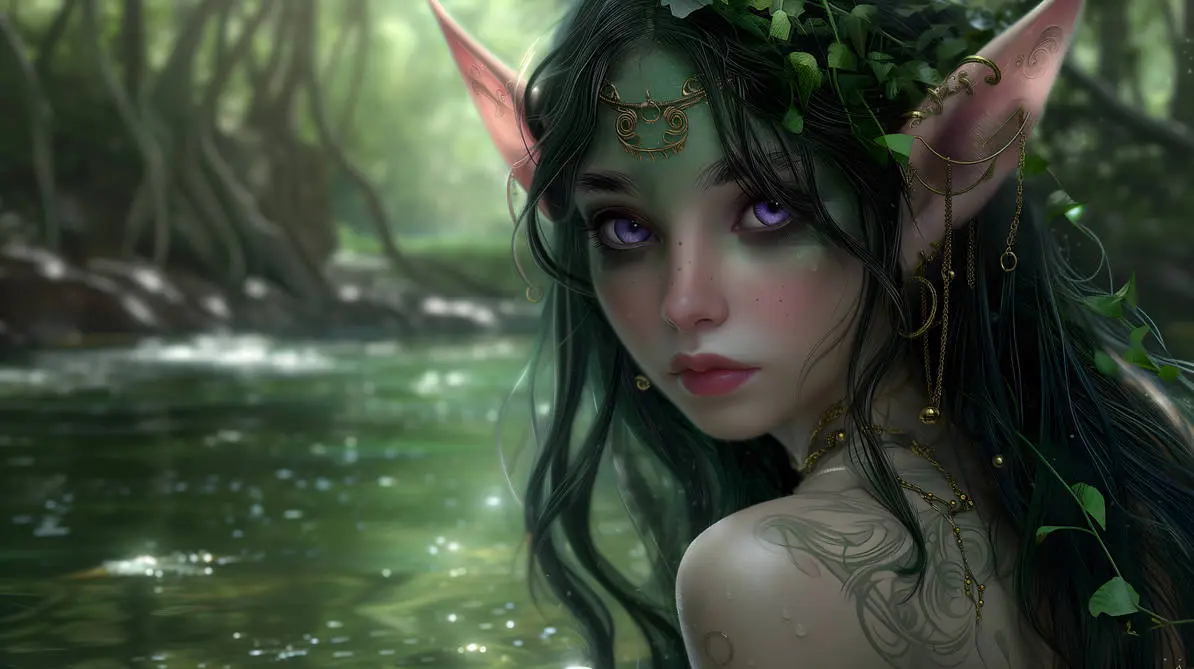
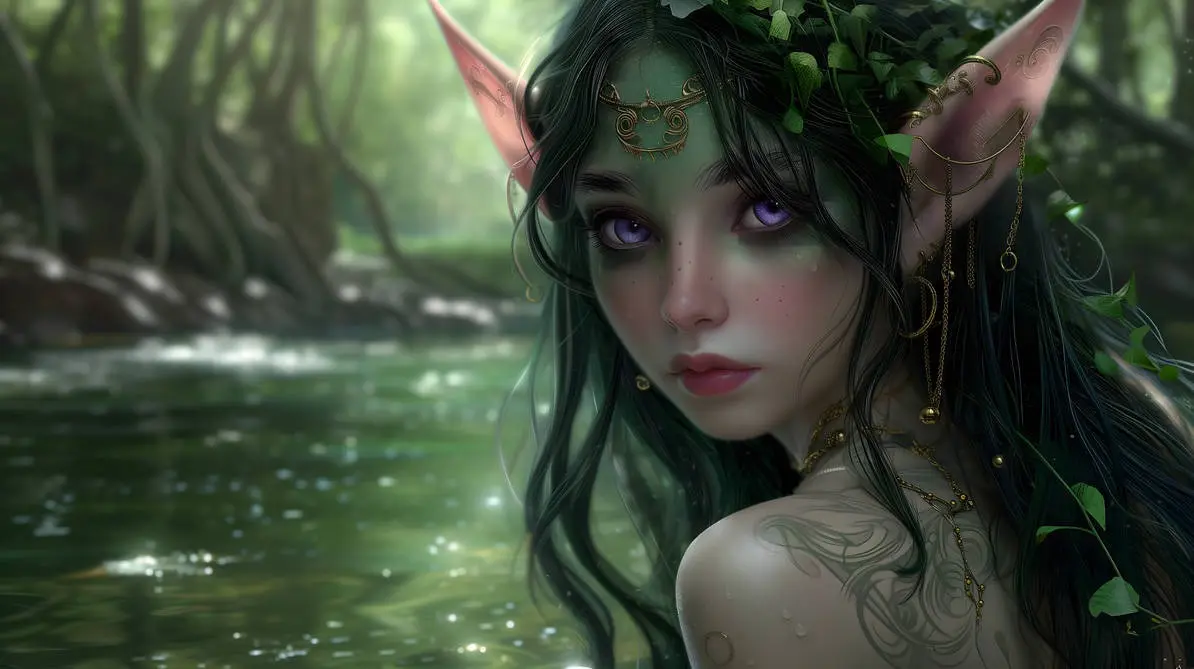
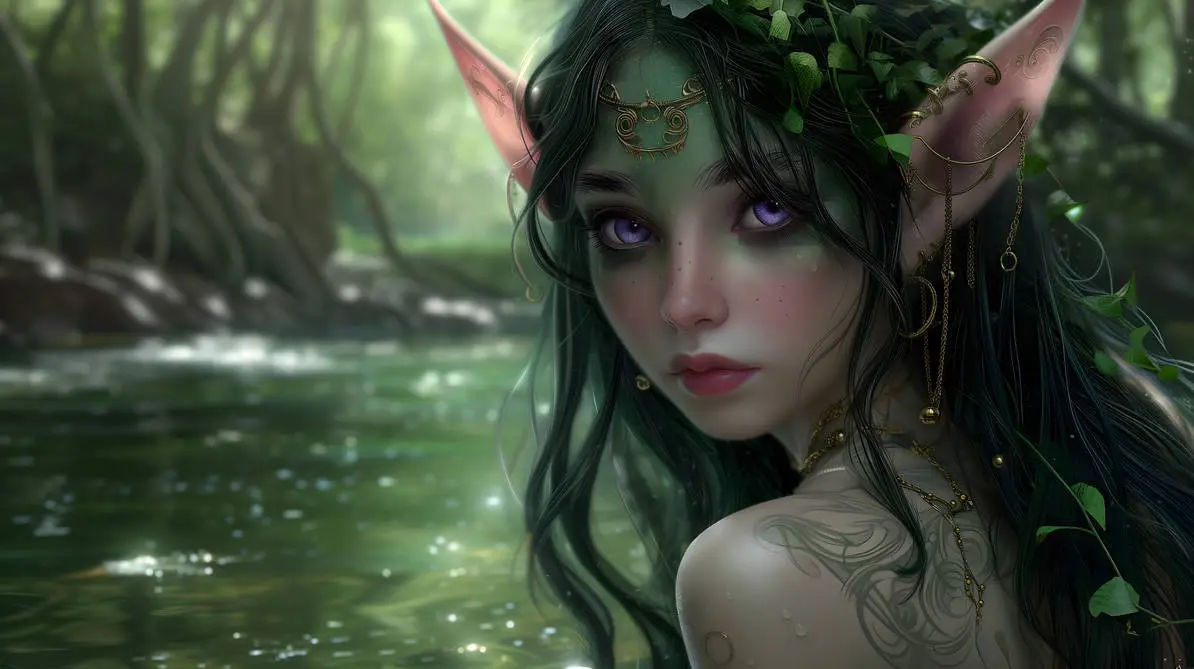
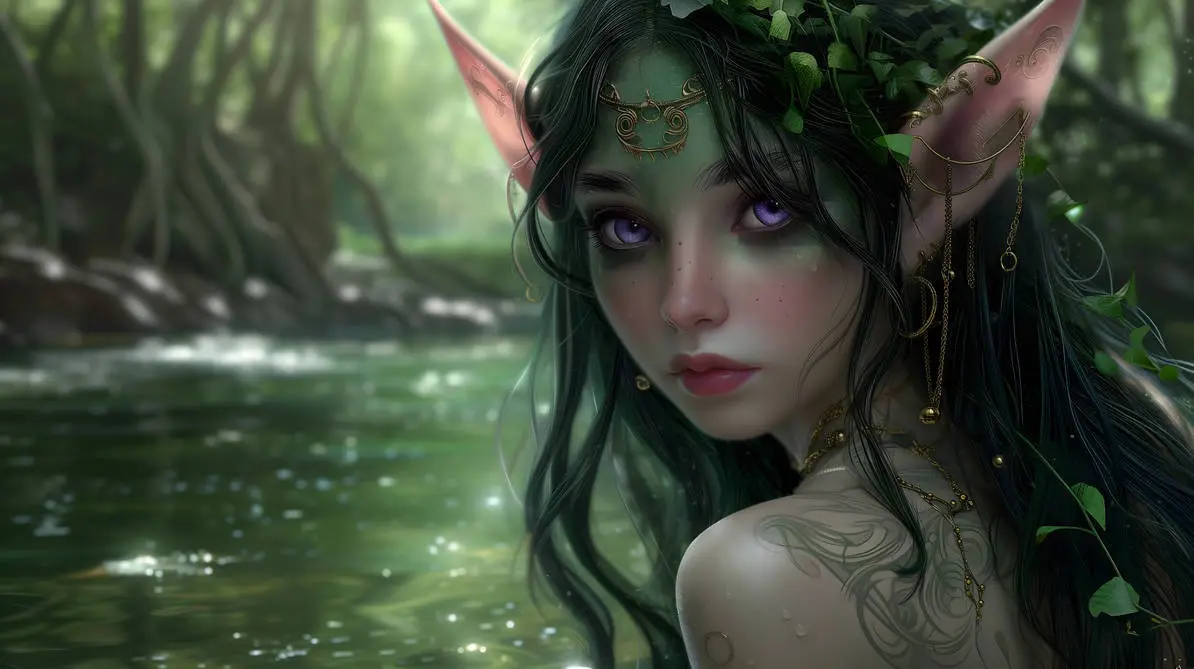
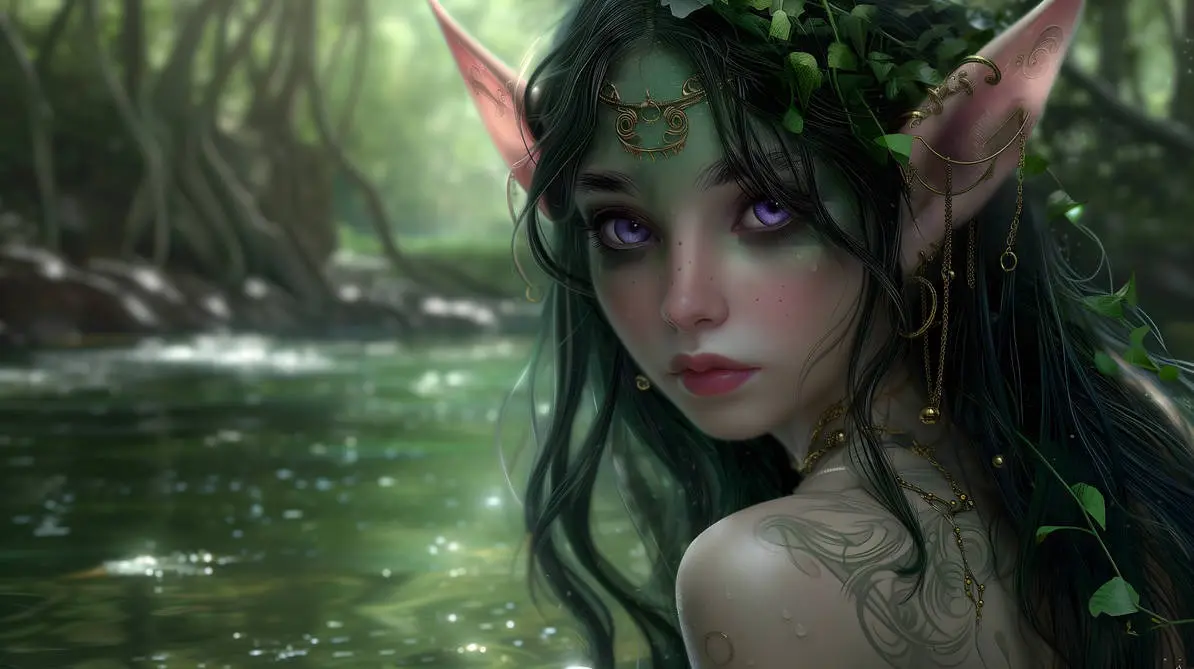
The Present Day (2020s): Specialized digital domains, such as The Mythical Realm and multimedia features by digital media giants, have refined the art of the mythological personality quiz. Enhanced by high-definition digital artwork (such as viral fantasy illustrations featured by artists like Bogi380), these quizzes combine aesthetic immersion with psychological archetypes, creating a seamless bridge between ancient mythology and modern internet culture.
Supporting Data: Demographics, Engagement, and Folklore Revival
The cultural appetite for mythological content is backed by substantial metrics across the digital publishing landscape. According to web traffic analytics and social media sharing metrics:
High Engagement Rates: Interactive quizzes focused on fantasy archetypes experience an average completion rate that is roughly 35% higher than standard, text-heavy editorial articles. This indicates that active participation drastically increases user retention.
The Visual Catalyst: Articles featuring high-resolution fantasy artwork—such as depictions of water nymphs, centaurs, and majestic sky-soaring beasts—drive significantly higher referral traffic from visual-first platforms like Pinterest and DeviantArt.
Cross-Platform Synergy: Collaborative loops between niche fantasy blogs and mainstream quizzes (such as cross-referencing deep-dive personality tests on major networks) demonstrate a robust cross-pollination of audiences. Users who visit smaller folklore sites frequently migrate to larger entertainment hubs to compare their results.
Psychological Resonance: Behavioral studies in digital media consumption suggest that personality tests utilizing mythological avatars serve as low-stakes, high-reward psychological tools. They allow users to explore facets of their personalities—such as adventurousness, wisdom, or introversion—through safe, fantastical metaphors rather than clinical diagnostic terms.
Official Responses and Expert Perspectives: Psychologists and Folklore Scholars Weigh In
The phenomenon of assigning oneself a mythical creature "soulmate" has caught the attention of cultural anthropologists, folklorists, and psychologists alike. While traditionalists might view these quizzes as superficial internet fodder, academic professionals see a deeper psychological and cultural value at play.
Dr. Elena Vance, a professor of contemporary folklore at the University of Oxford, notes that humanity has always used mythical creatures as mirrors for the human condition.
"In antiquity, we used monsters and gods to explain the unexplainable phenomena of the natural world and our own internal chaos," Dr. Vance explains. "Today, digital quizzes are simply the modern campfire. They democratize folklore, allowing individuals to take passive historical symbols and personalize them to fit their modern identity struggles."
Meanwhile, digital psychologist Marcus Thorne highlights the therapeutic benefits of gamified self-reflection.
"When someone is told they are a ‘Griffin’ because they value boundless curiosity and unconventional perspectives, or a ‘Mermaid’ because of their intuitive, calming presence, it provides a subtle validation," Thorne states. "It gives people a narrative framework to understand their strengths. In a fractured digital world, finding your ‘mythical match’ offers a comforting sense of belonging to a larger, magical narrative."
Implications: What the Obsession with Mythical Beasts Means for the Future
As digital spaces continue to evolve, the blending of ancient mythology and modern interactive media carries several profound implications for culture, education, and the entertainment industry.
1. The Democratization and Preservation of Mythology
By repackaging classical archetypes into bite-sized, interactive formats, digital creators are successfully introducing complex mythological traditions to younger generations who might never have picked up a traditional volume of Greek, Norse, or Celtic folklore. This lowering of the barrier to entry ensures that ancient stories continue to evolve rather than fade into academic obscurity.
2. The Rise of "Fantasy-As-Identity"
Modern internet culture increasingly relies on hyper-specific niches to build communities. By identifying as a "Centaur" (a bridge between humanity and nature), a "Trickster" (a cunning and playful rebel), or a "Water Nymph" (a guardian of hidden depths), individuals are curating digital identities that transcend geography and traditional demographics. This fosters global micro-communities centered around shared aesthetic and psychological values.
3. The Future of Entertainment and Education
The success of these digital touchpoints suggests that future educational tools and entertainment platforms will lean even more heavily into gamification. If history and mythology can be taught through the lens of personalized self-discovery, learners are far more likely to retain information and develop a genuine passion for the humanities.
Conclusion: The Magic Lies Within
At the end of the day, whether the algorithms declare you to be a noble Centaur, a mischievous Trickster, a soaring Griffin, or a graceful Mermaid, the true charm of these exercises lies in the imagination.
As The Mythical Realm aptly reminds its readers, while these quizzes are designed for lighthearted fun, the real magic resides within the human mind. The capacity to dream up fantastical realms, breathe life into ancient legends, and see reflections of our own souls in mythical beasts is a testament to the fact that the age of myth is far from over—it has merely found a new home in the digital age.