







WASHINGTON — In an era dominated by algorithmic feeds and hyper-rationalized daily routines, millions of internet users are turning to an unexpected sanctuary for self-discovery: ancient folklore. Across platforms ranging from niche mythology databases to mainstream viral hubs, personality quizzes identifying users with mythical creatures—such as griffins, centaurs, and water nymphs—have surged in popularity.
Far from being mere digital trivialities, cultural analysts and folklorists argue that these interactive personality assessments serve a vital psychological function, offering a bridge between contemporary existential anxiety and the enduring archetypes of human history.
Main Facts: The Anatomy of Modern Myth-Making
The phenomenon of the "mythical creature soulmate" quiz has become a cornerstone of digital entertainment. Websites dedicated to fantasy lore, such as The Mythical Realm, alongside viral heavyweights like BuzzFeed, regularly log millions of impressions on content that asks users to map their psychological preferences onto legendary beasts.
At its core, the standard quiz utilizes a multi-question framework designed to categorize participants into distinct archetypes:
- The Centaur (Mostly A’s): Representing strength, wisdom, and a harmonious balance between human intellect and natural instinct.
- The Trickster / Sprite (Mostly B’s): Characterized by cunning wit, playfulness, and an affinity for disruption and clever problem-solving.
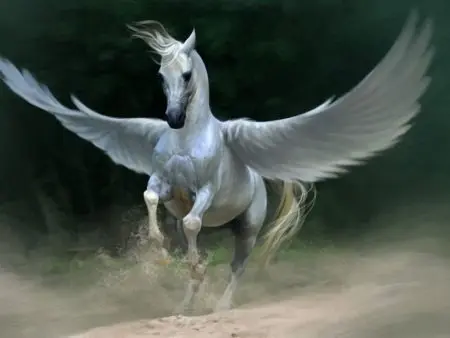
- The Griffin (Mostly C’s): Embodying majesty, unquenchable curiosity, and a drive to rise above earthly limitations.
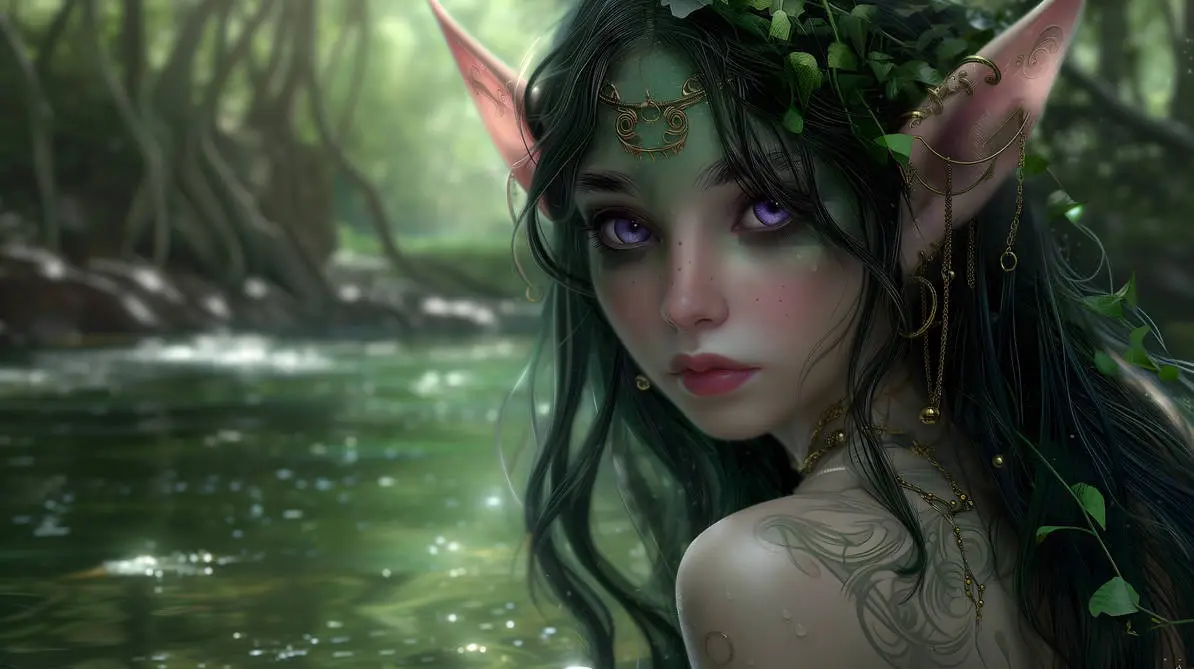
- The Mermaid / Water Nymph (Mostly D’s): Signifying deep intuition, emotional grace, and an intrinsic connection to the healing currents of the natural world.
While framed as lighthearted entertainment, these categories draw heavily from centuries-old mythological traditions found in Greek, Norse, Celtic, and Middle Eastern folklore. The fusion of ancient storytelling with modern psychometrics has created a potent vector for identity exploration in the digital age.
Chronology: From Oral Traditions to Algorithmic Culture
To understand how we arrived at the era of the digital water nymph, it is necessary to trace the evolution of personality categorization and humanity’s engagement with myth.
Pre-Digital Era: Oral Tradition and Archetypes
For millennia, mythological creatures were not diagnostic tools; they were explanations for the unexplainable. Ancient Greeks looked to the sea and saw Nereids and sirens; medieval Europeans gazed at tapestries featuring unicorns and griffins as symbols of divine power or moral virtue. These entities served as cultural boundary markers, warning communities of danger or celebrating the majesty of the natural world through oral storytelling and art.
The Mid-20th Century: The Rise of Psychometrics
The mid-1900s introduced structured frameworks for self-categorization, most notably the Myers-Briggs Type Indicator (MBTI) in 1943, based on the psychological theories of Carl Jung. Jungian psychology heavily emphasized archetypes—universal symbols and mythic figures residing in the collective unconscious. This laid the intellectual groundwork for translating human personality traits into symbolic representations.
The Early 2000s: The Web 1.0 and Quizilla Era
As the internet expanded into households globally, early web platforms like Quizilla allowed amateur creators to code simple, text-based personality tests. Users could find out whether they were a vampire, a werewolf, or a fairy. These primitive HTML-based pages formed the foundational subculture that would later explode into professionalized viral media.
The Modern Era: Social Media and Viral Lore
Today, quizzes are optimized for rapid sharing across platforms like X (formerly Twitter), Facebook, and Instagram. Enhanced by high-definition digital artwork—such as Bogi380’s widely shared depictions of water nymphs—these quizzes have transformed from simple text forms into immersive multimedia experiences that blend art, psychology, and internet culture.
Supporting Data: The Psychology and Demographics of Digital Escapism
Digital engagement metrics and psychological studies shed light on why these quizzes continue to command massive audiences year after year.

- Engagement Spikes: According to digital media analytics aggregates, interactive personality quizzes experience significant traffic surges during periods of societal stress—most notably observed during the COVID-19 pandemic and periods of economic uncertainty.
- The Barnum-Forer Effect: Psychologists note that these quizzes rely heavily on the Barnum effect, where individuals believe generic personality descriptions apply specifically to them. When framed through the lens of a majestic griffin or a mystical centaur, individuals are more likely to internalize positive traits.
- Gen Z and Millennial Adoption: Demographic data indicates that users aged 16 to 35 comprise over 75% of engagement with mythological identity quizzes. This generation, facing unprecedented economic and environmental pressures, exhibits a distinct penchant for escapist fantasy literature, gaming, and folklore.
| Creature Archetype | Primary Psychological Trait | Core Cultural Origin | Dominant Engagement Platform |
|---|---|---|---|
| Centaur | Natural Leadership / Balance | Greek Mythology | Niche Lore Sites (The Mythical Realm) |
| Trickster | Cunning / Adaptability | Global Folklore | Viral Media Hubs (BuzzFeed) |
| Griffin | Ambition / Intellectual Curiosity | Ancient Near East / Greece | Social Media / Fantasy Communities |
| Mermaid | Empathy / Emotional Intuition | European & Maritime Lore | Art-Centric Platforms (DeviantArt) |
Official Responses and Expert Perspectives
Cultural historians, psychologists, and digital content creators have offered varied perspectives on the enduring appeal of blending mythology with self-reflection.
Dr. Aris Thorne, a professor of comparative mythology at the University of Oxford, views the trend as a natural continuation of humanity’s relationship with storytelling.
"We often mistakenly believe that modern society has outgrown myth," Dr. Thorne explains. "In reality, myth has simply changed uniforms. Instead of gathering around a fire to hear tales of centaurs guarding sacred groves, we take a three-minute digital quiz to see if our inner self aligns with that same centaur. The medium is new, but the human desire to project our identity onto the sacred and the fantastical remains completely unchanged."
Meanwhile, clinical psychologist Dr. Elena Vance highlights the therapeutic utility of playful self-assessment.
"When people are overwhelmed by the rigid demands of the modern workplace and digital surveillance, engaging with a fantasy persona offers psychological relief," says Dr. Vance. "It gives individuals a safe, non-judgmental vocabulary to express traits they feel they cannot show in daily life—whether that is the untamed freedom of a griffin or the quiet, restorative isolation of a water nymph."
Content creators behind these digital quizzes emphasize that the ultimate goal is not scientific accuracy, but joy and imagination. As noted by editorial teams curating fantasy realms online, the reminder that "the real magic lies within you" acts as an intentional counterweight to an increasingly sterile and hyper-monitized internet ecosystem.
Implications: What This Means for Culture and Technology
The intersection of ancient mythology and modern quiz culture carries profound implications for how we construct identity, consume media, and utilize emerging technologies.
1. The Gamification of Self-Identity
As algorithms increasingly dictate what we read, buy, and watch, human identity is frequently reduced to data points and consumer profiles. Mythical creature quizzes, paradoxically, use a gamified structure to allow users to reclaim a sense of mystery and agency over their own personalities. By choosing to identify as a trickster or a mermaid, an individual asserts a poetic narrative over a purely statistical one.
2. The Resurgence of Folklore in Mainstream Media
The massive popularity of these quizzes feeds directly back into the entertainment industry, fueling a continuous demand for fantasy-based television, literature, and gaming. When users discover they are "Griffins," they are significantly more likely to engage with media featuring those creatures, steering Hollywood production trends and independent art markets alike.
3. The Quest for Wonder in a Scientific Age
While humanity has mapped the globe and decoded the human genome, the human psyche still yearns for the unknown. Quizzes celebrating mythical beasts tap into a deep-seated philosophical sentiment: the hope that imagination is a precursor to reality. As digital art and artificial intelligence push the boundaries of visual creation, our ability to render the fantastical more vivid than ever before ensures that folklore will continue to evolve alongside human technology.
Ultimately, whether one finishes a quiz with the noble bearing of a centaur or the playful cunning of a sprite, the exercise serves as a modern ritual. It reminds us that beneath the spreadsheets and status updates, the ancient spark of myth continues to burn brightly in the human imagination.