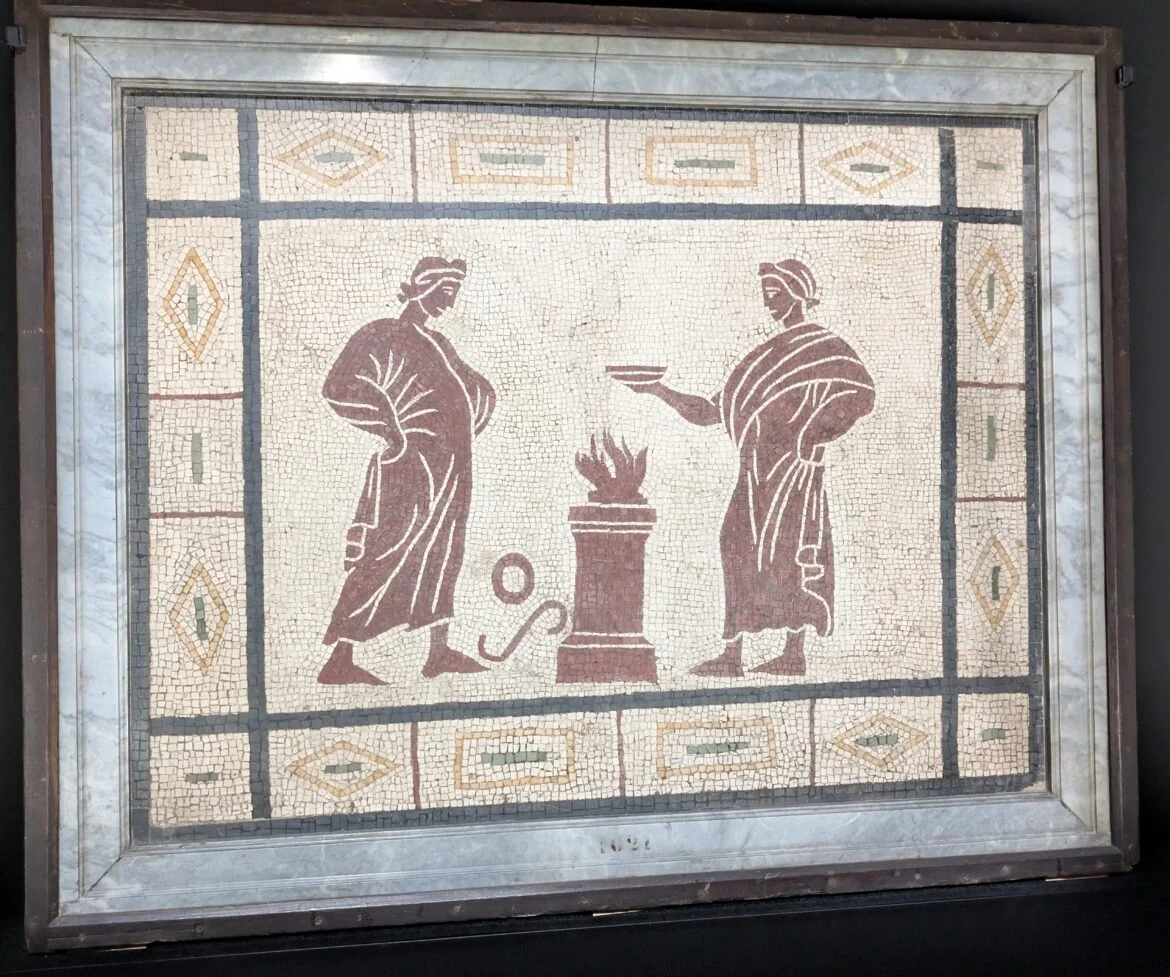
MELBOURNE, AUSTRALIA — In a landmark cultural exchange that has captured the attention of historians, classicists, and modern polytheists alike, the Melbourne Museum has opened its doors to ROME: Empire, Power, People. Featuring over 180 rare artifacts drawn primarily from the prestigious collections of the Museo Nazionale Romano and the Museo Archeological Nazionale di Firenze, the exhibition offers a sweeping yet intimate look into classical antiquity. Crucially, many of the items on display have never before traveled outside of Italy, making this Melbourne-exclusive engagement a once-in-a-generation event for Australasian audiences.
Reviewing the exhibition for cultural and pagan perspectives, essayist and spiritual care practitioner Cosette Paneque notes that while the exhibition delivers on the expected theatricality of imperial might, its true triumph lies in the quieter, human-scale vignettes of ordinary Roman life, domestic religion, and ancient grief. Running through October 25, 2026, the exhibition challenges visitors to look beyond the marble busts of emperors and peer directly into the homes, hearths, and temples of the ancient Mediterranean.
Chronology and Provenance: Bringing Italy’s Treasures to the Southern Hemisphere
The journey of bringing ROME: Empire, Power, People to the Southern Hemisphere represents years of diplomatic, logistical, and curatorial collaboration between Museums Victoria and Italian cultural authorities. Planning for the exhibition intensified following post-pandemic renewals in international museum lending agreements, aimed at sharing Mediterranean heritage with global audiences.
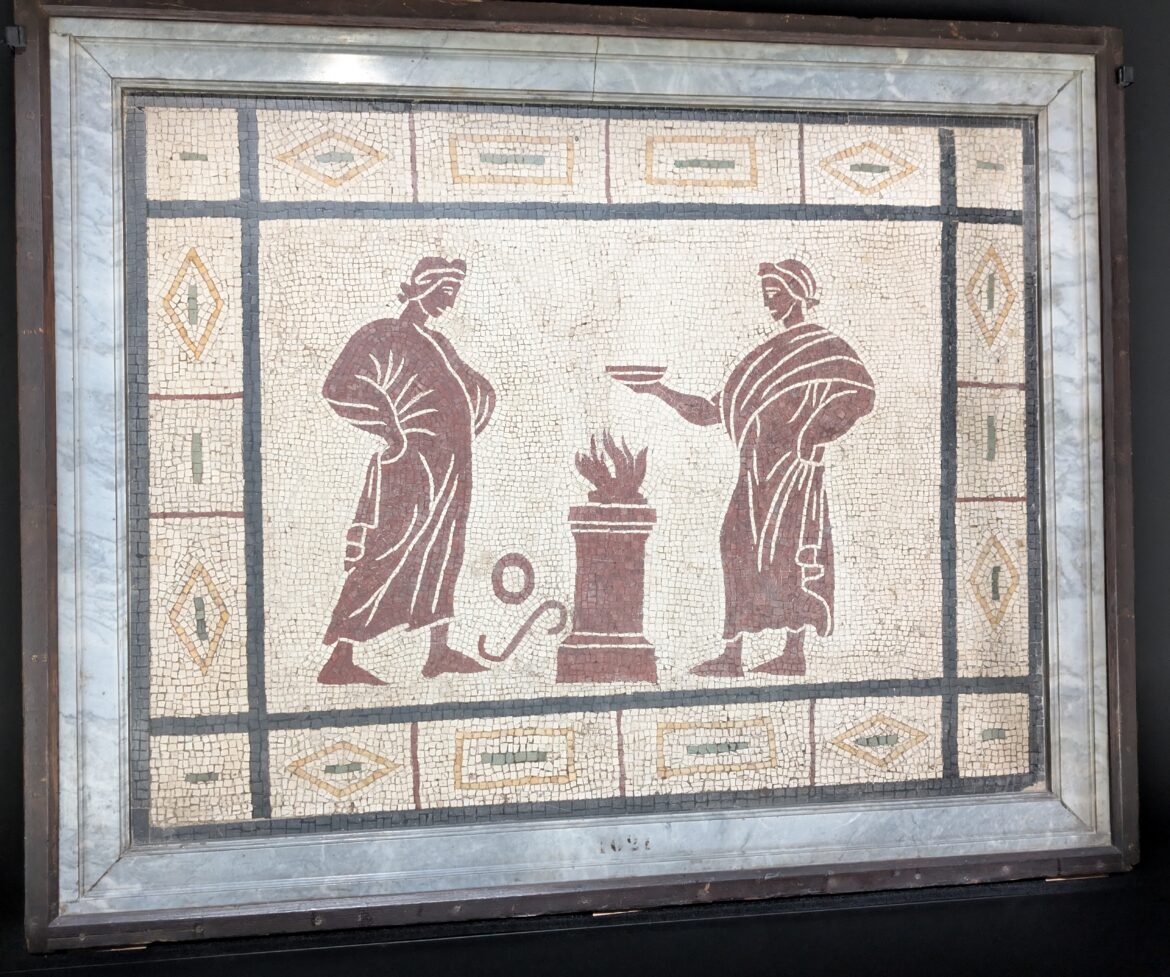
- Late 2024 to 2025: Curators from the Melbourne Museum coordinated with the Museo Nazionale Romano and the Museo Archeologico Nazionale di Firenze to select over 180 items dating primarily from the 1st to 3rd centuries CE.
- Early 2026: Artifacts were cataloged, condition-assessed, and transported under strict conservation protocols from Rome and Florence to Melbourne, Australia.
- July 2026: Media previews and soft openings offered early insights into the exhibition’s five distinct thematic zones: Ambition, Life, Luxury, The Divine, and Eternity.
- October 4, 2026: Critical reviews, including Paneque’s extensive cultural analysis, brought widespread public attention to the exhibition’s deeper, religious, and sociological dimensions.
- October 25, 2026: The exhibition is scheduled to close its Melbourne run before the artifacts are repatriated to Italy.
Supporting Data and Exhibition Architecture
Structured across five thematic zones, ROME: Empire, Power, People utilizes advanced atmospheric design, immersive lighting, and sensory curation to move visitors through different facets of Roman civilization.
The Five Thematic Zones:
- Ambition: Centered around political upheaval, the gallery opens with artifacts addressing the assassination of Julius Caesar. It pairs monumental marble portraits of emperors with depictions of influential Roman women, establishing the conventional narrative of Roman statecraft.
- Life: Shifting focus to the working class, this section features civic records—such as a bronze plaque exempting the Vestal Virgin Calpurnia Praetextata from municipal tolls—alongside funerary markers for weavers and sausage makers. A recreation of a Roman bathhouse incorporates ambient blue lighting, calming soundscapes, and herbal aromas of rosemary, lavender, and oregano.
- Luxury: Designed to evoke the interior of a patrician villa, this gallery displays fine jewelry, intricate mosaics, frescoes, and domestic tableware. Its centerpiece is a reconstructed Roman banquet scene featuring dining couches, a garden mural, and physical representations of ancient cuisine.
- The Divine: Set against stark black walls and geometric white lighting, this room highlights mystery cults and domestic devotion. Key objects include a bronze hand amulet linked to Jupiter Dolichenus and Sabazius (bearing the precursor to the benedictio latina), household bronzes of deities like Eros and Diana, and a lead curse tablet targeting two individuals named Malchio and Rufas.
- Eternity: The final gallery explores Roman funerary customs and memorialization. Its emotional core is a fresco from the underground tomb built by Octavius Felix, depicting children playing and gathering roses around the burial niche of his six-year-old daughter, Octavia Paulina.
Exhibition Metrics:
- Total Artifacts: 180+ objects dating from the 1st to 3rd centuries CE.
- Primary Lenders: Museo Nazionale Romano and Museo Archeologico Nazionale di Firenze.
- Dates: Open daily until Sunday, October 25, 2026.
- Ticket Pricing: Ranging from $15 for children to $38.50 for flexible adult entry, with member and concession discounts available through Museums Victoria.
Official Responses and Curatorial Perspectives
Museums Victoria officials have emphasized that the exhibition was designed not merely to awe visitors with gold and marble, but to humanize an ancient empire whose cultural footprints still shape modern legal, linguistic, and political structures.
"When we look at Rome through a contemporary lens, we often default to Hollywood tropes—colosseums, legions, and tyrants," notes a lead consulting historian associated with the exhibition’s tour. "By bringing objects directly from Rome and Florence, we are able to present a much more textured reality. We see the tax exemptions, the domestic altars, the children’s graves, and the petty neighborhood grudges inscribed on lead curse tablets."

Pagan and interfaith commentators have similarly praised the exhibition for its nuanced handling of classical polytheism. Rather than relegating ancient religion to dry mythology, the exhibition frames Roman religious practice as an active, daily negotiation with the sacred. The inclusion of household deities (lares and penates), mystery cult symbols, and oracular bronzes demonstrates how ancient Romans integrated the divine into every corner of domestic and civic existence.
However, reviewers have also pointed out critical blind spots in the curatorial narrative. Cultural critic Cosette Paneque observed that while the exhibition successfully evokes the splendor of Roman life, it largely glosses over the brutal realities of institutionalized chattel slavery upon which that entire civilization rested. Aside from a single marble sarcophagus and a brief descriptive label detailing the fate of war captives, the exhibition struggles to convey the crushing systemic weight of the enslaved labor force that built the baths, harvested the banquet foods, and maintained the patrician households.
Implications for Cultural Heritage and Modern Pagans
The arrival of ROME: Empire, Power, People in Melbourne carries broader implications for how museums engage with ancient spiritualities and how modern communities interact with classical heritage.

1. Re-Evaluating "Living" History
For modern polytheists, reconstructionist pagans, and classicists in Australia—who rarely have direct access to first-tier European antiquities—the exhibition offers a rare tactile connection to ancestral practices. Artifacts like the bronze oracle from the temple of Fortuna or the votive hands of mystery cults bridge a two-thousand-year gap, demonstrating that ancient religious expression was deeply personal, pragmatic, and emotionally resonant.
2. The Ethics of Antiquity Display
The exhibition also underscores ongoing conversations in museology regarding provenance, international lending transparency, and the ethical framing of imperial histories. By sourcing materials directly from Italian national collections, the Melbourne Museum reinforces high standards of legal and cooperative international curation, even as critics push institutions to more transparently address the darker socio-economic underpinnings of antiquity, such as imperialism and slavery.
3. Regional Access to World-Class Artifacts
By securing an exclusive engagement for items never before seen outside of Italy, Museums Victoria has solidified Melbourne’s status as a premier hub for blockbuster international exhibitions. This success proves there is a robust, engaged appetite in the Southern Hemisphere for deep-dive historical scholarship presented with artistic flair.
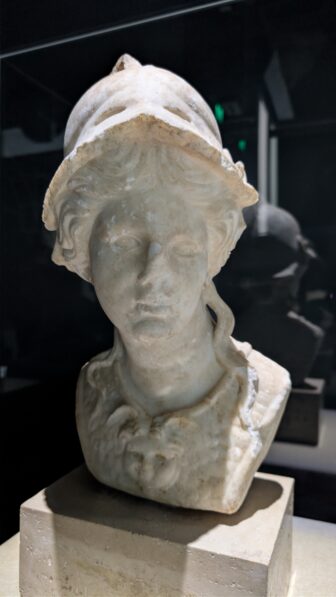
ROME: Empire, Power, People remains on display at the Melbourne Museum at 11 Nicholson Street, Carlton, through October 25, 2026. Tickets and visitor information can be accessed via the official Museums Victoria website.